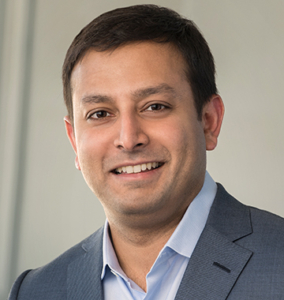
Dr. Binith Cheeran is the Head of Brain Therapies at Abbott. He had worked as a clinical neurologist for over 10 years before joining Abbott.
#48: Binith Cheeran: From Clinical Neurology to Industry Leader
In our ongoing exploration of the DBS ecosystem throughout the podcast, we’ve engaged with leading voices in academia, clinical practice, and the patient community, each offering invaluable perspectives on the transformative impact of DBS. Yet, the journey from laboratory to bedside is a collaborative endeavor that requires another critical player: the industry. The symbiosis between innovative scientific research and robust industry support is crucial for the successful transition of groundbreaking therapies from concept to clinical application.
Today’s feature is with Dr. Binith Cheeran, M.D., Ph.D., who is the Head of Brain Therapies at Abbott. Before joining Abbott, he spent more than 10 years treating patients as a clinical neurologist in Oxford and more than 15 years in academic research, work for which he was honored by the International Parkinson and Movement Disorder Society.
Binith Cheeran 00:00When I started doing clinical DBS, I had a new mentor in Oxford. And he said, I want to ask you two things. Why do you want to work with neurosurgeons? And two, don't you think this thing is going to be gone in five years? And this was like 2007 when I was interviewing. And I do miss treating patients. But at the same time, I practiced for 19 years before I moved to industry. And so I've definitely... But in this job, I think I've seen surgery at maybe 30 or 40 different centers, probably closer to 40 centers. Again, some things that I'm really happy with, you know, the... One of the key things that we focused on is like size and charging burden. We've got the size down, but we didn't compromise on charging. 01:03But the thing can go almost 37 days between charge. And so that's...
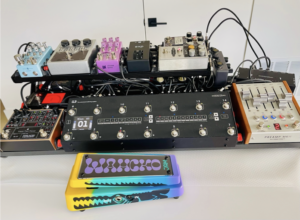
Andreas Horn When you look at when I started practicing, you know, to now, I feel like those are big advances. I mean, I've seen patients that came in with a program, program them from a suitcase. Like you'd open a suitcase in the program. I was in a suitcase. I was in a suitcase. It was... Yeah. And then the end vision, which looked like a huge advance, that you have to stay that connected and make sure that you, you know, use mouthwash to be that close to a patient, do remote programming, and... Welcome to Stimulating Brains. As a second installment of this podcast's venture into key industry leaders in the DBS field, the following is my conversation with Binith Cheeran, who is the head of brain therapies at Abbott. Similar to the episode with Todd Langevin, we get to talk about the pros and cons of 02:25working in academia vs. industry, since Binith had been a consultant of neurology and pioneering scientist in the UK for decades before moving to the US to join Abbott. I think he has a unique view and so much experience to teach us about interactions between academic work and industry and is able to share a lot of very valuable insight about his career, his current work at Abbott and, potentially, the future of the field. So I hope you enjoy this conversation as much as I did. Thank you so much for tuning in, Stimulating Brains. 03:03Thanks so much, Binet, for taking part in this. I will have introduced you more formally by now, so we can start right away. And to break the ice, I usually ask about the free time, what you do when you're not working at Abbott or thinking about neuromodulation. So any hobbies or anything you do? Yeah. As you would... people as you get older your hobbies shrink but one thing that i kept alive is i still play guitar i still fancy myself as uh being a rock star someday so i have a collection of guitars and i play guitar you know with every chance that i get in the evenings um more and more i also collect pedals and i think i now collect pedals and build pedal boards more than i actually play guitar i enjoy the engineering aspect of it and if you're a guitarist you have something called
Binith Cheeran gear acquisition syndrome which is like these little pedals that change the signal and make 04:00different noises and you're always you know you always think that this one extra pedal will finally make me this amazing guitarist and of course it's not true but it doesn't stop us collecting so we could and did i hear that right you also built pedals yeah i built pedal boards so yeah they're supposed to be small portable things that musicians take from venue to venue mine is now so big that it takes two people to lift and it's completely impractical so wow and and what what's your what's your favorite guitar these days i'm sure it changes and depending on the style but is there one that you no most uh most guitarists have a number one and they'll just usually call it the number one and i have a number one which is a um it's a it's like a less ball you know it's the kind of thing that um modern bands don't seem to fancy it as much it's an older style guitar good for blues and things like that and
Andreas Horn of course gibson les paul i mean it's one of the most famous ones so fantastic okay good
Binith Cheeran 05:06um and favorite pedal uh it's always fuzz and i'm always in this for uh you know fuzz pedals and did you or do you play live at all or in bands or um when i was younger i did i did play uh live and in bands but as i got older uh yeah i just don't have the discipline anymore to you know go to uh i think you let people down when you have a job like mine so i i don't i do jam with somebody every monday at 6 p.m and my team knows like 6 p.m to 7 p.m is like the only consistent time in the week that i'm not available come rain or shine one hour at least that's uh one hour yes i i that's for myself yeah okay um so okay diving into your career and um also scientific medical career and later in the industry who have been key mentors in your career and maybe turning points that brought you where 06:03you are now yeah so i i trained in the uk and uh you're kind of familiar with that system in europe you know um there's really no pressure to become a consultant you know the longer you're a trainee i think the happier the system is and so i i meandered through internal medicine i did cardiology for a year i did cardiac coronary care for a year then did uh gastroenterology uh almost became a hepatologist signed up got a job almost became a stroke specialist and then finally uh uh i saw an ad uh for a phd position in queen square doing uh transcranial magnetic stimulation which i knew nothing about at the time i was training to be a hepatologist at the time
Andreas Horn uh and it looked like interesting technology and i looked it up and i couldn't believe that this
Binith Cheeran existed in the world you know i really didn't know anything about it uh and so i went for an 07:01interview got the job and a scholarship to do my phd there and i think that was a real pivotal moment because that's i've always had a liking for neuroscience um but that marriage of technology and uh neuroscience that just filled gadgets you know and and that really got me so i got into that was a key turning point um was that with john john rothwell already or okay yeah it was john rothwell uh and um and there was a stroke element to it with um uh dr greenwood who's like one of the prominent stroke and stroke rehab physicians in london uh and then i gradually the application became more in movement disorder so i worked quite a bit with kailash patya at queen square as well and doing his clinics and and doing some research aspects of his work yeah
Andreas Horn fantastic so two big names in in these two fields certainly and uh um that that led you into
Binith Cheeran 08:06neuromodulation was that already like going into dbs and the same along the same time or it was a little later so you know the year that i joined uh john rothwell's lab was the year that the um neuron paper on teterburst stimulation came out with ying zu huang uh teterburst was just a thing that arrived that year so there was a lot of research that at that time in pattern stimulation you know which has gradually made its way into spinal cord stimulation and uh is being evaluated let's say in deep brain stimulation so pattern stimulation is really what got us in and then over time i developed an interest in dyskinesia because there's a plasticity element in dyskinesia that led me to movement disorders and then from there you know the natural progression for anybody that does neuromodulation is you gain a lot of the core knowledge that you need to be good at dbs 09:02and so it was a small step from there to dbs and then you became a consultant um or or did you move to industry before that or how did it go on like how did it move on yeah i did my phds the square finished in 2008 then moved to oxford then did my neurology specialization for the next four years but in that last year um due to some movement you know the dbs neurologist at the time had moved moved on and uh and west david asson who's now in australia and you know doing some really good research back there on dbs and pattern stimulation evoke potentials in dbs uh he took over for a little period of time and then i took over from him informally for a little period of time and then as soon as i finished i joined that unit um and and the thousand patients that they had in follow-up you know it's like any nhs hospital it's extremely busy and so we had a lot of exposure a
Andreas Horn 10:05lot of experience in a very short period of time interesting and then you worked so you worked at
Binith Cheeran um in the dbs program as well and with tico asses i think and alex green at the time already or right as the surgeons yeah peter brown who was at queen square when i was doing my phd moved to oxford and so there was like a nice little group that formed um with peter uh myself there there two other neurosurgeons and tippu um so we had a lot a lot of people that were interested in dbs research and particularly i mean one of the key reasons that peter moved there at the time was that we were uh good at and very interested in externalized leads and research externalized leads so one of my major jobs there was to um send patients who were willing to for a week of externalization uh record intraoperatively look at lfp in the back of the day when lfp was a new thing that people didn't know know about outside a co-research group right 11:01and then select patients with strong lfp signals for externalized research in peter's lab so that was a core part of my job but i was also heavily involved in the clinical service in the running of the clinical center and how important was your hands-on experience on both tms dbs and movement disorders for your job even now in the clinical service in the running of the clinical center and how important was your hands-on experience on both tms dbs and movement disorders for your job even now in the clinical service in the running of the clinical center and movement disorders for your job even now in the clinical service in the running of the clinical center how how how important would you what do you think was it that you are an md and know all these things uh i think yeah even on a day-to-day basis even as my job has changed in abbott over the past six years but um yeah i i don't think there's a single day that that knowledge and experience doesn't come in handy not a single day um yeah no matter what the job that that is always a critical element of it and i think more and more physicians in general are looking at a medical degree and medical experience in that way you know we used to think that the education 12:00was also a vocation uh like you know engineers or something you would do engineering and then or do politics at university and then you could be a banker you could be you know literature professor but medics became medics and increasingly i think medics become medics and then might use that experience to do other things but that experience is always critical
Andreas Horn makes sense okay and maybe fast forward right now just to give the listeners already a picture of
Binith Cheeran what you're currently doing at abbott you're now the head of brain therapy so so how does your typical day look like what's your main job for for us to understand what you're doing yeah so i should probably backtrack i mean i didn't start in this position the position when i started um i joined abbott as a medical director which is a close jump from being a physician right so a medical director i think the simplest way to look at that job is it's the medical director is the voice of the physician 13:04community and to some extent the patient community in the boardroom so when you make decisions you you can provide that medical lens then there's also medical support medical education all that stuff that a medical director would do in an organization so that was not a big leap but that gives you exposure to the boardroom and the way that people think about you know how to get a product out into the field um and then from there i did medical and clinical affairs which is some affairs like clinical trials um so we did things like the breakthrough designation for treatment resistant depression uh and then things that you may or may not know about like the decentralized study that we did for um remote programming of dbs device it was one of the key things that we did and then about two years ago we had some um we had a effectively changes in the organization and some plan restructuring as part of that you know my my current boss walked into the office 14:03and said would you consider doing this job and we eventually called it head of brain therapies but it's effectively uh leadership of a number of different functions but it's a more commercial role so i effectively now read that commercial function so uh the key things that i've done in well. And that's how we support products in the field and then marketing for that. But then lots of little small things like sales training, field marketing, number of different activities that
Andreas Horn 15:01support the product in the field. And it's been kind of interesting because I started out with
Binith Cheeran like one piece of the product. I got involved with Abbott many, many years ago when I worked on software, which is still in the product line, something called Informity. It's a tool that helps physicians select contacts using math and their input. But I've gone all the way from then advising on what should be built to then doing the studies to prove that it works and now to getting that out into the field and making sure that it's adopted. So it's kind of like a nice little piece of the product. It's a nice little transition where you've gone through all the different aspects of it. Yeah, yeah. And since, you know, me and many listeners, I think that are more in academia or medicine would have little exposure to how jobs in the industry look like.
Andreas Horn 16:03How can we pick to your typical day? Is it mainly in front of the computer and telephone? So, or do you travel a lot or, yeah, can you describe a typical, how do you describe a typical day of being at Sheeran these days? Yeah, there are no typical days, you know, like most things. A regular schedule is a difficult
Binith Cheeran thing, but almost every day I spend a little bit of time talking to my team, like every single day, especially the team in the field, because they work remotely. I might see them, you know, physically see them twice a year or something. And so I try and talk to multiple people in the field. It helps keep me connected. I do travel almost every month. I will try and travel out and visit a colleague, a physician colleague that I've known for a while or that I don't know.
Andreas Horn And that is another way that I can keep connected. You know, one of the challenges of a role like 17:00this is I'm good at my job because I used to do the job on the other side, right? Yeah.
Binith Cheeran But as time goes on, if I don't stay connected, then I lose that aspect of it because the field changes. Yeah. So I do invest in that. I make it a point to go out and see a few people. I see a few people on a regular basis because that's kind of my bellwether. And then I see a few people I haven't met before. And I try and visit at least one implanting center or site or programming physician every month. But usually it's more than that. Usually I'm pretty good about going out and meeting people. And then you have... Yeah. Meaning you would go to... Let's say a center, a hospital and see a surgery, talk to the surgeons and the programmers and the neurologists. Okay. Yeah. And it's actually one of the most fun parts of my job because, I mean, I worked
Andreas Horn in a couple of places and with three or four surgeons, right? And I learned a little bit
Binith Cheeran 18:00from each of those people. But in this job, I think I've seen surgery at maybe 30 or 40 different centers, probably closer to 40 centers.
Andreas Horn Yeah.
Binith Cheeran And... And... And... And... And... And... And... And... And... And... And... And... And... And... And... And then the rest of the days, they're kind of split between internal stuff. When you run a large organization, then you have to measure things and report it out to my leadership, to the daycare board, to their leadership. There's that governance aspect of it, making sure that things are staying on track. And then there's a planning aspect of it, where we're setting up plans for the future and trying to see whether we need headcount in certain regions or managing people, managing the careers, the growth and development, things like that. 19:05Got it. So, for example, from the visits you have in the centers, one of your jobs would be to integrate all that information of seeing trends for the future and then to make the bigger decisions of where to invest, what to do. Right.
Andreas Horn Whether you'd want to go into sensing, let's say, or connectomics or whatever, right? Write these things and, okay, makes sense. And then your direct team are people that are close by that you interact with on a daily basis that you could brainstorm about these things?
Binith Cheeran No, so actually, I have what we call people that report directly into me. We have a much larger organization, but people that report directly into me is just... A few people. Two don't live in Austin. One does. But I would say we talk every day. And we would talk at least for... I would spend at least one or two hours a day talking to them. 20:03And it helps that we work together for a little while in different roles. All of us work in different roles. And it helps also that most of us have a lot of DBS experience. So we speak the same language. We know the space. And I have a brain's trust. I actually call it the brain's trust. I mean, from the show Scrubs, you know, where the janitors meet and they have a brain's trust. It's like that. We have a brain's trust. And we make a lot of decisions collectively. Everybody brings a slightly different viewpoint.
Andreas Horn And then I'm alternating between, you know, the extremes. Do you miss treating patients, seeing patients? Do you ever miss that?
Binith Cheeran I do miss treating patients. But at the same time, I practiced for 19 years before I moved to industry. And so I've definitely done it for a while. 21:03And towards the end of it, I was definitely seeking new challenges. And I did go from, you know, I did academia. I was an academic consultant. So I was a university appointed that had several days in hospital and several research days. And I definitely missed the research aspect of it in some, the basic science research, the curiosity-led research aspect of it to some extent. And I scratched that itch when I visit sites and try and sit in in lab meetings and hear about, you know, new science or papers being presented. Helps me keep me connected. The patient aspect of it for the first few years, you know, I had plenty of, you know, as an advisory role for different aspects of the product.
Andreas Horn So I felt like very connected to the needs of patients, right?
Binith Cheeran At this level, in this job, it's getting harder. Sure. I'm less involved. And so I try and travel. 22:02So, I mean, earlier this week, I spent two days in Chicago. And that helps me, you know, I visit a whole bunch of people, people that I know very, very well, like Leah Wagen, who I've known for ever since I came to the U.S., actually before I came to the U.S. And, you know, I've been in the U.S. for a long time. And I've been in the U.S. for a long time. And I've been in the U.S. for a long time. And I've been in the U.S. for a long time. And I've been in the U.S. for a long time. And it's always a nice bellwether. And you have these people that know you well enough that they can give you advice and tell you when you're doing things well and tell you when you're not doing things well. And having that trust and mentorship to some extent in the clinical community definitely helps me. Great.
Andreas Horn When you first, like when you moved to industry, was that where you recruited or was that a plan you always had? Or how did that fall?
Binith Cheeran I was recruited. Yeah, I was actually, I think the approach was, came out of the blue, wasn't expecting it. I thought I was going for a dinner. 23:03I was teaching for more than one company, let's say, on directional leads. We were very early adopters of directional leads. And we had a way of programming that is increasingly, I would say, now it's the norm and may not be as apparent. But six or seven years ago, we were teaching a specific way of looking at directional leads and programming directional leads. And so I was doing a lot of teaching and I thought, you know, I was going to meet this higher up at Abbott. I'd met higher ups at other companies.
Andreas Horn And we were going to dinner. But halfway through that dinner, the offer was sprung. Why don't you move to the US and do this role?
Binith Cheeran Obviously, I didn't answer then. I was interested. I was curious. I was already working with Abbott at the time on the product that we call Informity, which is the programming tool. I had a contract, actually. They actually bought some design IP from me. 24:01And I had a contract to come and work with the R&D department as they developed it to make sure that it looked like what I thought it should look like. And I enjoyed that process for a year.
Andreas Horn Yeah, so I was flying out once a month to come and work with R&D on that development.
Binith Cheeran So I had knowledge of what the process was like, which was very helpful.
Andreas Horn Yeah.
Binith Cheeran So I didn't have too many illusions about what it was like to work in industry because I was working with industry. And we had a long working relationship with Medtronic prior to that, obviously, with the LFP work.
Andreas Horn But yeah, and then I took a couple of months to decide.
Binith Cheeran And then I made a decision. And I haven't looked back since. I've enjoyed it very much. It's been amazing. It's been an amazing experience.
Andreas Horn And if you do get offered an opportunity, it's something that you should definitely consider is what I tell a lot of academics. There's a time in life to do it, right? But if it comes. Would you say time in life rather early or rather late or in the middle?
Binith Cheeran 25:05Yeah, I think there's people that go very early. And there's people that go later in life, like me, you know, after like 19 years of clinical practice or whatever.
Andreas Horn Yeah.
Binith Cheeran And I think it depends on the role. Sure. So I think some science and engineering jobs, you can go pretty early. Particularly if you've got you've passed out of a lab. There's a period of time, as you know, where everyone that passed out of, say, Cameron McIntyre's lab was offered an industry job. Right. So there are fields that are hot. And at that time, your PhD is worth a lot more because companies are investing in that space and they need that technical knowledge.
Andreas Horn Yeah.
Binith Cheeran And they need that technical expertise. Sure. There might be a timing element to that. And that's definitely something to think about. People like me are hired for clinical experience and exposure and clinical knowledge. And I think that's better off later on. 26:01I've seen people move into industry in those kind of roles after one or two years in clinical practice. And I think that can be for the longer term. I think that I don't think that's as good as having a period of time.
Andreas Horn Makes sense. Makes sense.
Binith Cheeran OK.
Andreas Horn And then obviously, I wasn't sure that you actually also moved not just into industry, but also across the Atlantic. So how has the U.S. been treating you?
Binith Cheeran And you also never looked back on that. And.
Andreas Horn Yeah, we should ask you.
Binith Cheeran I mean, you're as qualified to answer that question as I am. So I'll answer it if you answer it after me. So I mean, I was offered. When when when I was in the U.S. I was in the U.S. When I was recruited, you know, my boss at the time. Was very keen that I joined. And so the option was there that I could live in England and work in the U.S. or leave my family there and just travel for necessary meetings. 27:02But I very quickly realized that that's kind of. Halfway house job and that I wouldn't be as effective that I wouldn't get the job as well. And so I made the decision with my family that we would. Move. My five year old then she was four actually then was not happy. But we kind of voted out because my wife and I decided that that was the right thing to do. So. But moving to the U.S. Has been very good. We had an option of where to live in the U.S. That I think that helps. We picked Austin because at least at the time it was like half the size in the past six years, it's doubled in size. It was smaller and it's a university town. It doesn't have the spires, but it felt a little closer to Oxford than, you know, like Dallas or Boston.
Andreas Horn Yeah. Yeah.
Binith Cheeran Boston has some spires at least. But, you know, it felt like a college town, felt like a smaller town, felt friendlier. 28:01Lots of outdoor activities. Weather was way better than it was in England. So we felt that there were a number of positives and we felt we had a sight of visits. So we brought I brought the. Abbott brought all of us over. We spent a week in Austin before we decided to accept the job and move, which is super nice of them.
Andreas Horn Yeah. Yeah.
Binith Cheeran Great. Great.
Andreas Horn Okay. Yeah.
Binith Cheeran So I owe you an answer. I think it's for me, it's very mixed. Right. I love a lot of things about U.S.
Andreas Horn I'm fantastic.
Binith Cheeran You know, love the work here, love the job and also love Boston City. I do also miss a few things, but I'm only here two years. So.
Andreas Horn So it's yeah, it's a.
Binith Cheeran Yeah, but but I think it's, you know, sometimes I even think one would like to cherry pick between the two systems and build your own continent with with all good, good stuff, which is, of course, not possible. 29:00And the distance is huge.
Andreas Horn So yeah, but I'm super happy you like it. And yeah, yeah.
Binith Cheeran I miss the travel as well. I miss the ability to be in a completely different country. I miss the ability to be in a completely different country. You know, an hour or two on an easy jet flight.
Andreas Horn Yeah. Yeah.
Binith Cheeran But as time goes on, I think if you travel a bit in the U.S., you realize it's not a continent, but it's like a continent and everything is so different. That's true. And there's a lot to see and do here. So I've I've I've enjoyed it. I do miss several aspects of life in Europe for sure. Being able to walk everywhere, for example, in every city is a huge thing that you miss.
Andreas Horn Yeah.
Binith Cheeran You miss.
Andreas Horn Yeah. Yeah.
Binith Cheeran Cool. Okay, great.
Andreas Horn So these following might be indeed part of the questions that you cannot answer a lot about. So feel free just to answer as good as you can or want. So Abbott is one of the three big DBS companies in the world, and I'm sure the market is very competitive. 30:03And as you mentioned, one of part of your job is to also think about where to create USPs, unique selling points for Abbott. Or, you know, what are the best ways to do that? Or, you know, which developments to pursue? You cannot do everything all at once, right?
Binith Cheeran There's always a budget for everything.
Andreas Horn Any developments that you can talk about, want to talk about, that you are most excited about?
Binith Cheeran And then potentially also on the roadmap, if there's anything that you can already share.
Andreas Horn Yeah.
Binith Cheeran That would be.
Andreas Horn Well, I can't talk about the future as much, right?
Binith Cheeran Because that's kind of. Sure. And your best laid plans can be upset. But. I mean, there have been a couple of things. I mean, there have been a couple of things that I've worked on in the past five years that we've managed to bring out, which I'm actually very excited about still. Because I don't think the development has stopped. I think these things are starting and they'll take a trend. One of which is definitely remote programming. That's been a passion project for a very long while. 31:00I don't know whether you're aware, but, you know, when you work in Oxford, we used to see patients from all the way from Ireland. So at the time, Ireland did not have a DBS service. Now it does. Past few years. But Irish patients would have to travel to Liverpool, Bristol or Oxford for DBS. So I think epilepsy mostly went to Liverpool. Movement disorders were split between Oxford and Bristol. We saw patients from miles away. We saw international patients. We saw patients that would travel for a day, stay in a hotel, come into clinic. We do an impedance check, ask them how they were. And then 15 minutes later, they were heading back. Another day of travel. So.
Andreas Horn Yeah.
Binith Cheeran So remote programming was one of the passion projects. And that's something that we've been able to not just develop as a product, but also, you know, do the studies to show that it's viable. Do the reimbursement work to make sure that people can get reimbursed for seeing people virtually. All of those things are much harder than it looks. And getting that out once it's established, the great thing is if other people do follow, this becomes a, you know, a normal way for DBS to work. 32:06And also, when you think about medical devices, there aren't very many medical devices that you can do that remotely. Cardiac devices, you can't do that remotely. Cochlear implants are actually the only thing that you can program remotely other than DBS. And now spinal cord implants. But we beat cardiac in much, much larger medical device spaces to remote programming. So in the U.S. I didn't know that.
Andreas Horn Yeah. Okay. Interesting. Yeah.
Binith Cheeran Yeah. You can't deliver therapeutic settings. You can read, you know, a lot of cardiac cardiac devices. You can read, you can do monitoring, but you can't push new pacemaker settings over the wire. And so that's been a, that's been a big development, obviously. You, you probably, I mean, we've spoken about this, but we're doing a pre-market study for treatment resistant depression. 33:03And that's another thing that was a big thing over the past five years. You know, you have to go all the way from showing that's the right thing to do of all the things your modulation can do to narrow it down to one thing, which also required us to reevaluate all the data that Abbott had gathered for six or seven years, then do that, then do the business case, then develop it and then do the breakthrough designation. And now there's a clinical team that's working on the pre-market study, looking at TBS for treatment. And that's a big step. I think TBS really needs that indication expansion. I mean, epilepsy is a good one, but we need more. We need to really needed to move past movement disorders for, you know, more than a decade now. So I think hopefully that will happen in the next few years. And then hardware, like one of the big things for Abbott was to have a modern rechargeable device. And it's been a long time coming, but you know, 34:03last month we launched the rechargeable, which my team has worked on now for two years. Just seeing that. Yeah.
Andreas Horn That's the Libra, Libra, right?
Binith Cheeran Libertize. Yeah. Oh, sorry. Yeah. Okay. Official name. Yeah. Yes. It's a small rechargeable. And again, some things that I'm really happy with, you know, the one of the key things that we focused on is like size and charging burden. And we've got the size down and then we, but we didn't, we didn't compromise on charging, but the thing can go almost 37 days between charges. And so that's when you, when, when you look at when I started practicing, you know, to now I feel like those are big advances. I mean, I've seen patients that came in, we had to program program them from a suitcase. Like you'd open a suitcase and the programmer was in a suitcase. It was. Yeah. And then the end vision, which looked like a huge advance that you had to stay that connected and 35:02make sure that you, you know, use milk wash. Cause you had to be that close to a patient to remote programming and talking to psychiatrists every week now, because it's moved beyond movement disorder. So I think it feels good. That the field is moving forward. I think there was definitely a period where, and that was part of my motivation as well. There was a period where I felt like we were a little stuck as a field, but I feel between all three companies now and I'm with, the field is pushing forward again. I'm really happy about that.
Andreas Horn Fantastic. Great. And so on the podcast,
Binith Cheeran I mainly speak with scientists and clinicians, as you know, sometimes even patients. But we haven't had many representatives from industry yet. I have a few more calls scheduled too. We both know that many academics continuously wonder whether a life in industry could be more rewarding for them. 36:01And, and, could you maybe steel man the case for both, you know, working at industry, but also maybe tell us a bit about the downsides to get a balanced view of people that might be wondering between the two sides. Yeah. I'll start with what some people might view as a downside or some motivations. No, it's definitely not an easier job. It's a different job. Because you do have medical, the medical field is challenged in many, many places. I remember, you know, the kind of pressures that I had when I was a young trainee and the kind of pressure that I had as a senior trainee and a decade in medicine changed the pressures on physicians enormously. And that's true around the world. But I wouldn't consider industry because it's less, you know, it's just different. It still has, 37:00the future, the challenge and the workload and but the feel is different, you know, and it's, it's definitely different, but I wouldn't do it as a way because medical practices challenging.
Andreas Horn Yeah. Yeah, sure.
Binith Cheeran It's just, it's different work and it's, it's, it's hard work, but it it's, and it's worthwhile in different ways. The other, I don't know if it's a downside, but, you know, it's, there's a lot of delayed gratification and industries like there are immediate rewards from seeing DBS patients. You, you program your first DBS patient and you switch on the SDN and you know, you go from sitting in the chair to walking, it's an immediate gratification and clinical medicine that you get academic medicine. Maybe you have to wait a couple of years before your paper comes out. Yeah. Industry that can be five years. Sure. 38:00It can be, you know, in the device industry, that's very realistic that some of the things that you work on can take a long time between incubation to getting out there where people can see what you've been working on for the past five years. So those are the kind of things that people sometimes don't get when you move from medicine into industry. They expect a slightly easier life or a more predictable workload or, you know, all of those things, like every job, it has its challenges. But other than that, I mean, one of the upsides for industry, I'd say, is the ability to get what you work on out on a scale that you could never do. Right.
Andreas Horn Yes.
Binith Cheeran So when I started, we started doing direction leads almost as soon as it came out with another company, not Abbott at the time, but another company. 39:01And then soon after that with Abbott. And we were teaching. I was teaching on a regular basis for those companies. And each class would have between, say, 30 to 50 people. And you'd do it once a month. And you would regroup. And you'd reach, you know, several hundred people at the end of the year. But I was at a fellows program that we had in Austin in January. And they were teaching informity, the thing that I worked on in my kitchen in Oxford eight years ago. And there are people that are brand new, young to the space. They don't know who I am or what I do or what I had to do with it. But talking about how they use informity to do this.
Andreas Horn And I said, yeah, I do multipolar surveys. And I said, yeah, I do multipolar surveys with informity.
Binith Cheeran And you realize, like, you can scale that out to people that you've never met, never seen. They don't know who you are. And you have to be okay with it. That side of it is there. But you get to scale those things out to a vast audience. 40:06And that's definitely a positive. You have to be able to take value from that. There's not that tangible reward. But you can take some quiet pride in the fact that you can inform. You can influence a field, even though it's not very clear that it's you having that influence. But you can influence an entire field of medicine. And it changes your life. You have a much bigger lever worldwide. One of the people that I got to know later, personally later, was Tim Dennison. I don't know whether you've ever worked with him. I know. I got to know him later in my medical career, just before, actually, I moved to industry, working on something related to his LFP work. And he sent me some pictures from his early days. 41:01And there's a very, very young-looking Tim Dennison with Benabed during the first DBS implants. And you realize, you know, the role that people played to get this therapy out there, you don't know.
Andreas Horn Yeah.
Binith Cheeran I didn't know that he was involved back in the day. Me neither.
Andreas Horn Yeah. Interesting. Yeah. Yeah.
Binith Cheeran There were pictures of him. He was just, it's funny. I just, a week ago, interviewed him. I learned of Dr. Hammerson.
Andreas Horn And he also mentioned Tim. And I have been meaning to ask him to get on the show as well. So I hope I can convince him to. Far more interesting interview than I have had. And he's had such an amazing career, right?
Binith Cheeran Three decades. Almost, I think. And the last, he's done the reverse. I mean, because as I left Oxford to join industry, he joined Oxford as a professor.
Andreas Horn Yeah. Yeah.
Binith Cheeran And we didn't overlap, but we missed each other by a couple of weeks, I think, in Oxford.
Andreas Horn 42:05Interesting. Yeah.
Binith Cheeran But he's gone the other way.
Andreas Horn So that'd be a fantastic interview.
Binith Cheeran And also an enormous amount of history. I don't know whether I should tell you all the history. You should definitely interview him. But there's some phenomenal history as to why.
Andreas Horn Yeah.
Binith Cheeran You know, things happen when they did. What Medtronic did before. And what Tim and his team there did at the time.
Andreas Horn And why movement disorders was picked as the first intervention and things like that. Okay. Interesting.
Binith Cheeran I should really reach out.
Andreas Horn Do you ever, since we talked about that, do you ever consider or would you ever consider going back to academia?
Binith Cheeran Like. I kind of every year I look at, you know. I look at my. My. Career today effectively and recommit effectively to what I want to do. And I. And there are things that I look forward to and. Things that I feel like I still need to finish. 43:01And then you commit. But no, I absolutely think about what you could do. I think about what I could have done with some of this knowledge. 10 years ago.
Andreas Horn Yeah.
Binith Cheeran And so I think. I do think like, like them. I do think about. I think about whether, you know, you can go back and actually. Maybe the next way to scale it is to produce the next generation. Right. And they can then scale 10 times more things than you can scale on your own.
Andreas Horn Yeah.
Binith Cheeran About that.
Andreas Horn Yeah. Interesting.
Binith Cheeran And is it possible to talk. Generally about compensation since we talk about academia versus industry. I know there's, you know, compensations vary a lot. So it's probably not easy to. To talk about it, but. We often hear something like salaries would increase by a factor of two or three. If people move to industry.
Andreas Horn Is that generally true?
Binith Cheeran Do you think, or not that easy probably to.
Andreas Horn 44:00Yeah.
Binith Cheeran Remember to that. I wouldn't want to talk about compensation because there's so many different. Uh, places, right. Like in the jobs and experiences. I don't think there's any one-to-one role. I w the only thing I will say is that there's no one-to-one role. There's no two X, three X multiplier. Um, there's no one. One-to-one role. Um, I think, uh, if you're valued in industry, there's definitely, you know, uh, opportunity there. Uh, if you bring the right skillset at the right time, like any other job, you're more valuable.
Andreas Horn And, uh, so if you're in a field that's hot at the right time, yeah, there are people knocking on the door asking for your resume.
Binith Cheeran Right. So, um, that's there. Uh, that's.
Andreas Horn Yeah.
Binith Cheeran Sure. I don't think there's a good guide to compensation. One of the things I would advise people to do is to get on things like LinkedIn. If you're interested in industry jobs, follow the right people. 45:01And in a lot of places now, when you advertise a job, you advertise the compensation. New York Law, for example, asks you to openly advertise the compensation range. Now, that varies depending on the experience and things like that, but that's advertised more openly now. So it's not as secretive as it was five years ago. Got it. And then you also interact with R&D, and maybe before you did even interact a bit more, or I don't know, and you mentioned that younger folks would potentially, engineers could consider jobs at R&D. Can you make the case between research in industry versus,
Andreas Horn or development in industry versus academic research and development? What are the key differences? What is the pace difference? And is it, you know, can you maybe compare the two fields for us a bit? Yeah, I mean,
Binith Cheeran in general, 46:01I don't think this will be news or unique insights that you may not have arrived at already.
Andreas Horn Yeah. The academia is best at curiosity-driven research, right?
Binith Cheeran So open-ended research that doesn't have immediate application, but may find application in new and mysterious and completely new fields. And so I think that's a really, really unforeseen ways 10 years down the line or 20 years down the line. And academia really suits that. And then in between industry and academia now, especially in the neurotech space, there's the startup community. I think that's a way for academic spin-ups, basically to test new ideas and whether they work in the marketplace. Like a lot of, I think the only advice I would say in that is a lot of startups sometimes think of startups as product development spaces. They actually go to market spaces. They're like where you take your idea 47:01and test whether it can actually thrive and survive in the marketplace. You're really trying to pivot on a business plan. You build a product and test the business plan, not just build a product. And that's the intermediate space. And then industry, and that can vary a lot depending on the culture, the industry, can take things up early in the spectrum or later in the spectrum, but certainly industry research is best at scaling. Taking something that we know quite a bit about and then building it and commercializing it, which is like taking it to bedside and supporting the product, supporting the education, supporting the use of that product in a way that it can reach a broader audience than just highly specialized, highly specialized people.
Andreas Horn That makes sense. Yeah. So that is more engineering, right?
Binith Cheeran It's not as much maybe research.
Andreas Horn So you already know something works in principle, 48:02but then you have to scale it up. Is that the way? Yeah.
Binith Cheeran I mean, I think there's a lot of research in scaling up. Sure.
Andreas Horn Yeah, yeah. How would you, yeah, it makes sense.
Binith Cheeran In scaling up on the science side, on the product side, on the engineering side, it's very easy to scale up.
Andreas Horn Yeah. Makes sense. And it's very likely that you can work backwards as well, right?
Binith Cheeran So at many points in my academic career, we worked with industry to test things like LFP or directional programming. And we had a direct relationship with industry. And that's a really good way to get a feel for how industry works, just collaborating with industry through your lab, through grants. And that's a really good way to get a feel for how industry works. But it's possible.
Andreas Horn Makes sense. Yeah.
Binith Cheeran Great.
Andreas Horn Maybe you cannot answer here either as much, but what's a general feeling towards the state of investments 49:00or the field of growth of DBS in your modulation market? Do we live in bearish or bullish times these days?
Binith Cheeran Because sometimes we hear that maybe there has been some overinvestment in the past, and then now maybe the returns have fallen short. But I'm not sure. I'm not sure. I'm not in the field, not an expert here. Would love to hear your opinion, but only if you can talk about it, of course, general field.
Andreas Horn Yeah.
Binith Cheeran I don't know whether I can be specific about, but in general, neurotech in general is a very prominent area of research and of investment. As you know from all the news about BCI companies and other companies in Austin that I won't name. But raising funds and creating products and capturing public imagination and things like that. And I think even from my experience in Abbott, you look at how much press things like remote programming got. 50:00It got a lot of press.
Andreas Horn Yeah.
Binith Cheeran The breakthrough designation for TRD got a lot of press. The remote programming solution was actually selected as one of the 100 best inventions of 2021. I'm looking forward to that. 2021. I'm looking because I have a poster that cover the magazine from Time Magazine. So neurotech can do that. And I worked with that R&D team that had one of the 100 best inventions in 2021. So it's huge. I think like any investment, like standard label, investments can provide returns. Or sometimes not. So it's really on the quality of the investment rather than an issue in the field. Being realistic about what it can produce. Being realistic about uptake. 51:00Because we are dealing with brain surgery. And I think that's true of neuromodulation. That's true of BCI. That's true of everything else in that neurotechnology space. There's a degree of invasiveness that we can't get away from. And we need to factor that in when you make investments.
Andreas Horn Yeah.
Binith Cheeran That's vague. But I mean, if you have a more specific answer, I'm happy to answer. But I'm trying not to name specific opportunities.
Andreas Horn Yeah.
Binith Cheeran Things that you and I are probably familiar with from European companies that may or may not have been acquired and things like that. But I'm trying to steer away from specifics. Unless it's an Abbott specific. Unless it's an Abbott specific, which I can talk about. Right.
Andreas Horn That makes sense. Makes sense.
Binith Cheeran And then one, like in that field and that space, one rising star these days is focused ultrasound surgery.
Andreas Horn And you're both in industry, but also a medical professional 52:02and have insight there. Would love to hear your insight on maybe both perspectives. Would it threaten the DBS market? And then also, what do you think of it as a clinician?
Binith Cheeran Maybe as a preamble to that, I've heard from multiple centers, for example, Andrew Susano says that in talks and others that in their centers with FUS, the cases have actually, the DBS cases have risen because it draws more people in. And then sometimes for people that come in, DBS might be the better solution and so on. So maybe for that first question of the potential threat to the DBS field from a business perspective, it might even be the opposite of a threat and rather,
Andreas Horn what's your take on that with FUS?
Binith Cheeran Yeah, as a clinician, I think we use lesioning routinely, but with surgical lesioning, because before FUS was around and commercialized. And lesioning, as you know, works. 53:01And lesioning has been around for decades, I think since the 50s, I think.
Andreas Horn Absolutely. Yeah.
Binith Cheeran So. And this is just lesioning with a different technology. As long as it's explained as lesioning, right, and not something else, it's lesioning with another technology. As long as it's explained properly and patients are aware of what the therapy is and patients are assessed by the right team, that team should look a lot like how you're assessed for a DBS device.
Andreas Horn Yeah.
Binith Cheeran Perhaps even more so, because it's an irreversible procedure. As long as it's assessed by the right team, for the right patient, in the right hands, it's a very, very useful tool. Like any medical intervention, if those things aren't there, then it's, you know, can have challenges. But used appropriately, in the right hands, I think it's a very useful tool. And I also think it raises awareness. 54:00So in centers like Andre's Lozano, where patients come in and they're assessed, and they're treated, and they're treated, and they're treated, and they're assessed, and then offered a range of treatments based on, you know, what's appropriate. I think that raises a lot of awareness and people come in. And then when they're aware that, you know, they need treatment bilaterally, and what the risks are if you do this bilaterally versus that bilaterally, they might choose this therapy over that therapy. And I think that's entirely appropriate. In a lot of places when that's happening, I think the number of people getting DBS is increasing. This is true.
Andreas Horn Yeah.
Binith Cheeran So I don't view it as a threat. I think like many other, you know, treatments and therapies, used appropriately, it's a very useful addition to the arsenal. And anything that raises awareness about these diseases and the fact that there are treatments helps.
Andreas Horn Yeah.
Binith Cheeran Everywhere around the world, we don't have enough movement disorder specialists.
Andreas Horn 55:04Yeah.
Binith Cheeran There are states in the US, I was talking about a specific state recently where there are, there's a state that we were talking about when I was out in Chicago, and that state has two movement disorder specialists, the entire state.
Andreas Horn Okay. So it's not even- But is it Alaska or something with the variant?
Binith Cheeran No, no, no.
Andreas Horn Okay.
Binith Cheeran It's in the middle of the US. I don't want to get into specifics, but I mean, that problem is common. Large cities have four or five movement disorder specialists. It's not enough. The workload is high.
Andreas Horn And patients sometimes wait a long time to see the specialist.
Binith Cheeran So I think those are the bigger challenges, right? The lack of access to the right team so that you can get offered all the right treatments at all the right times rather than what's out there. Because I mean, the other question that we get asked is like, oh, therapies with levodopa coming out. As long as you're seeing a specialist that offers all the right treatments 56:01and discusses the pros and cons of everything, DBS tends to be just fine.
Andreas Horn Yeah. The biggest challenge now is do they see the specialist? Yeah, yeah, yeah.
Binith Cheeran No, absolutely. I really think this underutilization of the therapy is a big challenge.
Andreas Horn And you mentioned it at the beginning that you weren't aware as an internal medicine doc about the possibility of TMS, right?
Binith Cheeran So just being aware of things is- And same for me. I stumbled into DBS by accident in a way. And then I was like, oh, I'm not sure. I'm not sure. I just fell in love with it in a way and fell in love with it.
Andreas Horn But I didn't hear about it much in med school.
Binith Cheeran So I think that is a big issue to bring in more awareness
Andreas Horn and then referring neurologists to do some earlier on and so on. So yeah, I totally agree with you. I'm also a good bit older than you, right?
Binith Cheeran So when I was- No, no, you're right.
Andreas Horn Yeah, yeah. Yeah, man.
Binith Cheeran It was a niche thing.
Andreas Horn 57:00And people like, what are you doing?
Binith Cheeran fmri that was like the typical right you go that was a different time that was a very different time now obviously thousands and thousands of people are having tms uh yes you're right but that was a very different time very very early days of tms research yeah yeah no no that makes a lot of sense thanks for for mentioning that of course um so so ben if you have been wildly successful in life um you know i think there are lots of people out there that would look up to your career you know you've seen it all you've you know been into clinics you've done research and then now industry and then even in industry did um you know a lot of different roles and evolved continuously if i essentially forced you right now to leave abbott and you had no choice what would be the next step where would you go um nasa yeah hypothetical question of course i i'm not even sure i'm allowed to answer 58:02the second question but um the first thing is one and you can say andy horn forced me to actually think about it now you put it in my head and i can't get it out yeah um but firstly i spent 20 years in europe right before i moved to the us and i still have a fairly european outlook where we absolutely refuse to acknowledge kind of success of any kind we celebrate briefly and awkwardly when we get some kind of uh gong and then immediately we have to hide it at the back of the cupboard and never speak about it again um and that that is changing a little bit and i would say for the better but particularly here i've learned to celebrate wins without being awkward about it um i really as i as i have more and more team members the people that report into me and they're working really hard on stuff if i don't celebrate they don't celebrate so i i now to sort of celebrate and look back at 59:00success um although it's still awkward i still try and do it it's like hugging i hug people now and it's taken me five years but i can now do an awkward hug uh so it's like i've got to the point where i i do celebrate wins but awkwardly so um i think it helps because in some ways in industry i think you know you work as part of a large team and individual acknowledgements right like that you are used to in academic medicine for example are less likely you you're everything that i do is the output of about 200 300 people working on a project i might post the link about the new liberta rc launching but two three hundred people worked on it for four or five years right so it's it's not really your achievement anymore it's the achievement of a large number of people and you're you take credit for it to some extent and you have 01:00:00to keep that in your head as you do that um i guess to some extent that's there in academic medicine too you know your your postdocs and your phd students do a lot of the work but uh even more so on a bigger scale here yeah and i think it helps helps also to stay hungry um if you don't look back too much then you don't take yourself too seriously and then you force yourself to reinvent every year and i try and do that as much as possible um the next step question is is uh you know you think about the next step but i've had a lot of opportunity to develop here right so if you think about it i five years ago i if you said do you want to run commercial dbs uh like no i don't know what that is i didn't know what upstream marketing was actually i i remember the day somebody explained what upstream marketing was to me like uh whatever 01:01:00is it you explained it briefly but i yeah but it's thinking about it's planning what you build and why and then the early part of you know when you develop it's easier to think about in terms of
Andreas Horn a device you know what why should you build this device uh what should it look like uh what are the
Binith Cheeran key characteristics that it must meet the planning of what you do and build and then then supervision of that product also belongs to that group then you have to
Andreas Horn like why do you why marketing so i get what it is but why do you call it it's called it's called
Binith Cheeran upstream marketing because there's there's a market element to it right there's a product market fit
Andreas Horn makes sense okay yeah so r&d does the r&d work but there's the people that need to make sure that
Binith Cheeran the product fix that fits the needs of the market which is the patients and physicians and that is actually a very important very skilled job it's a different department so yeah but i've had a lot of experience with the market and i've had a lot of experience with the 01:02:00people that are involved in the market and i've had the opportunity in abbott to move and that's one of the advantages of working for a large strategic you know there are different advantages to working for different kinds of companies small startups do large strategics abbott is i think i think officially the largest medical device company in the world slightly larger than metronic now and so when you work for a large company like abbott you you get the opportunity to to go through different jobs there's a huge difference from working as a medical director to a current job so i don't i definitely don't feel like i've stagnated you know yeah no way job is so so good the skill set is so so different and you have mentorship in the company to help you through every role kind of like when you're uh in academia um so i felt like that's been it's been a good development yeah i as long as uh i'm engaged you know and i have a new challenge every year i've generally been quite satisfied i i crave the new challenge and that's actually 01:03:00something that i've got more here than in academia you get to do something very very new and very very challenging that you can really um put your heart and soul into learning something new every year it's like going to medical school and learning you know yeah yeah highly new of going back to residency learning a completely new aspect a new specialty every two years that's all good and nice but remember i forced you to leave so yeah um no it's it's it's fine if you can't answer that i get that it might be yeah yeah we can we can stop here so no it's it's i mean it's it's great to hear that you're having a job and there's a lot
Andreas Horn that can still develop and is continuously developing so um that's fantastic um absolutely
Binith Cheeran so i want to be mindful of your time and maybe um finish up with some rapid fire questions that um you know you can answer fast or slow as as long as you can um so i think that's a great answer 01:04:00um i hope you can sort of I worked in what we call care of the elderly or geriatric medicine in some places. And we've seen Parkinson's patients. But I then, during a visit to the neurology clinic, I saw one of these DBS patients being switched on. And that was a eureka moment. I didn't know that you could do that. And I couldn't imagine the impact. And that was like one of those big, big eureka moments in my career. And I tried other things, other medical specialties, cardiology, like I mentioned, gastroenterology.
Andreas Horn 01:05:05And it was really interesting because you could do things that had an immediate benefit.
Binith Cheeran And neurology wasn't that thing for me because, you know. Sure.
Andreas Horn Yeah, headache medicine perhaps is a different kind of reward, right?
Binith Cheeran But you saw... I saw DBS and that kind of attracted me to movement disorders because it came the other way around. I wanted to do movement disorders because I could do something and treat people with a huge impact that I could, you know, see and that they could see. And so I came to it sort of backwards. A lot of people, I guess, enter neurology and then discover DBS and think about or discover movement disorders and then discover DBS in that order. I saw DBS and decided I want to do this and got into neurology for that reason.
Andreas Horn So that was probably the biggest. Well, any time you thought this was a big waste of my time or just did not go as expected?
Binith Cheeran 01:06:04We also, you know, sometimes want to just mention the losses or the negative parts in life as well.
Andreas Horn Yeah.
Binith Cheeran Anything that comes to mind.
Andreas Horn Yeah. Yeah.
Binith Cheeran I guess, you know, in...
Andreas Horn Yeah, I have a sort of a restless mind in some ways.
Binith Cheeran And some people, and I'm not saying that's a good thing necessarily. Sometimes it's a good thing. Sometimes it's not. The people that succeed by dedicating themselves to the same craft for like 25 years or 30 years and stay in that same field working on that one antibody. And I have huge respect for people like that. I've never been that person. Right. So I constantly crave the challenge. And so when I was younger, definitely I moved institutions a fair bit. I moved from Nottingham to London, then London to Oxford. And so I think one of the things I look back and I don't necessarily regret, but I definitely think about was like the lack of consistent mentorship. 01:07:07Because when you move institutions, you can lose mentorship.
Andreas Horn And when you lose mentorship, that can affect your development, even though you're moving to something that you feel is more interesting or where you have more growth opportunities.
Binith Cheeran You're kind of starting from zero. And then you're going to go again and rebuilding your credibility and then finding a mentor and then seeking advancements out.
Andreas Horn Yeah.
Binith Cheeran And I don't know how relevant that is to everybody, but I guess you might understand that you've moved quite a bit and it's quite a dramatic move. And I think you've moved from mentor to mentor actually, which is very credible. I've moved back and forth twice. So in a way, I didn't have too many mentors. I would say, you know, Andre Coon and Mike Fox. I clearly remain two with Mike twice in a way. But I get what you mean with the building from scratch. So, yeah. 01:08:01And I guess the thing that I would do differently is like when you move like that. And I've definitely had opportunity through that. Right. I don't regret any of the moves, but maybe one thing that I would have done differently is keep in touch with those mentors a little bit more. Take more of an active effort, no matter how busy your life is to go and visit and meet. And. And reconnect with that group as I get older, I'm getting a little better at it. But when I was younger, I wasn't as good. Sure. OK. That brings me to the next question, which is advice for young folks entering either neuroscience and academia. But you can also talk about young folks entering industry, whatever you prefer most. Advice for young people. This is a stereotype thing to say, but. Skate to where the puck is going. Right. Like. Think about not who's biggest right now, but who's going to be big as you seek mentors or you're seeking a postdoc. 01:09:05Look at where the field is going. When I when I took a neuromodulation PhD, I was doing pretty well in my job at the time. I had an offer to do a hepatology. PhD. And I quit to do this thing called transcranial magnetism. And I had like stimulation. I remember talking to my gastroenterology mentor at the time, who I still respect enormously. One of the best physicians I ever worked for.
Andreas Horn And he said, what? I said, yeah, coils. And you put it over the head and the field. And then you said, what?
Binith Cheeran You really need to look at this like this sounds nuts. And you know, this is going nowhere. Look at this. And then they put a PubMed and they were like a handful of publications, you know, a hundred thousand publications. But it's a. It's not. It's not. it's not that thing where people think right that's a big thing right now uh when i started dbs it was the same it's like i when i started doing clinical dbs i had a new mentor in oxford
Andreas Horn 01:10:07and he said i want to ask you two things why do you want to work with neurosurgeons
Binith Cheeran and two don't you think this is this thing is going to be gone in five years and this is like right 2007 when i was interviewing and yeah people it's a surgical procedure it's going to develop disappear in three years we're going to invent a drug no one will do this surgery again and some of it is doing your own research some of it is sort of following your passion some of it is understanding that uh not everybody that advises you thinks about whether this fucks you right because they're in different phases of life they're usually 10 or 20 years older than you and they have more fixed views on life and those things may not happen in their academic careers for example and so they're entitled to those fixed views on life but you have 30 or 40 years left 01:11:05so stay to where the fuck is going so that's easier said than done but maybe that's the one thing that i i don't regret doing right uh certainly you you you dbs did not end in 2010 yeah it's actually got much more techy and much more uh advanced um and so that's go to the place where you think the back is going in but then yeah it doesn't end up there right so it's a riskier um thing to do yeah yeah and and that's the other thing i'd say take risks you know um not the nature of risk is that not everybody is going to be able to do it right so it's not going to be a risk Every bet pans out. But if you have fun doing it, the worst it does is that you had fun doing it, but it didn't take you to the next destination. You find another fun bet. 01:12:00Kind of view your career as a series of little startups at the beginning. Place bets. Run experiments.
Andreas Horn Yeah. Yeah. Okay.
Binith Cheeran And relatedly for, as you know, I think I've even introduced you to one or two folks like postdocs that want to go into industry. Many people in that position would have
Andreas Horn maybe the idea of leaving academia at that stage. So especially for these younger folks, do you have any advice of how they can stick up or are they generally rather recruited or how can they differentiate them from others to land a job in industry?
Binith Cheeran General advice.
Andreas Horn Yeah.
Binith Cheeran If you're out seeking, remember industry is always,
Andreas Horn you're always looking for people, right?
Binith Cheeran To fill positions. And if you're a good manager of any kind in industry or academia or you're running a lab, you're always looking for talent.
Andreas Horn You're always looking for talent, right?
Binith Cheeran I'm always looking for talent. 01:13:00And you're always tracking talent. I go and visit a lab and I meet a few people and somebody presents a paper and I track that person because at some point, perhaps they'll want to come and work, you know, with me on something that,
Andreas Horn they find interesting.
Binith Cheeran And so to some extent, you know, if you're in a great lab, your lab like yours that we track, we watch and we meet the people and we read the papers. And so even if I don't know the face, I know the name. So that's one. But if you want to proactively go out and meet people, I would say connect with them on LinkedIn. That's the best place, I think.
Andreas Horn Yeah.
Binith Cheeran Or in person at meetings, you know, when you're presenting or they're presenting, go up and introduce yourself and meet people in person and talk about what you're interested in. If you're working in a lab or in clinics, the way that I got involved was effectively through R&D. 01:14:04So I had ideas that I wanted to take forward. And then you ask people whether you can,
Andreas Horn you know, explain why you think this development
Binith Cheeran or that development is required. And that can, consultancy then starts you on industry and industry gets the good feel for, you know, your ideas and your thoughts and how that influences product. And if that's when, you know, they approach you and say, like I did,
Andreas Horn it was in Vancouver, right?
Binith Cheeran My approach in Vancouver, MDS Vancouver, actually. You've worked for a while. You have an impact on the team. The team likes the way that you think. The approaches will come. That's the organic way to do it.
Andreas Horn Yeah.
Binith Cheeran That's great. The future of the field,
Andreas Horn maybe as in 20 years, maybe you can, or 10 years, what do you think is going to happen?
Binith Cheeran I don't know what it'll look like, but I hope that it looks nothing like it looks like today. 01:15:01Right. I think every part of how we do it is up for disruption. And I think that's a great thing. And I think if you have that mentality, I think this will thrive. And I think that's a great thing. I think this will thrive and survive as a field. That's the only thing I know. It will not look like it does today.
Andreas Horn Yeah. Yeah.
Binith Cheeran Because in a way, you know,
Andreas Horn it does still look like a bit in the benefit days, right?
Binith Cheeran So there has been a lot of innovation, but a little fundamentally.
Andreas Horn Yeah.
Binith Cheeran I still think we have a chest, a can in the chest and a lead going. There are specific design reasons and therapy reasons
Andreas Horn why that stayed.
Binith Cheeran But as time goes on, and technology, you know, goes, takes steps. The form factor, I think is what you're talking about. The form factor looks very similar to like it did, you know, 15 years ago, but many aspects of that have changed substantially. 01:16:01Although the form factor is roughly the same, the leads different, the extension, the different, the IPGs, nothing like they were back in the day. We've programmed one from, you know, kind of a slatter.
Andreas Horn Yeah.
Binith Cheeran To the, to the modern systems. It's, it's very, very different. But yeah, I think there's, there's a huge runway for innovation.
Andreas Horn Part of it is being able to expand the indications, right?
Binith Cheeran So that you can invest back in the field to be truly disruptive. Deep brain stimulation of movement disorders, particularly with the number of people that can access a specialist access is the number one challenge. I think for deep brain stimulation of a movement disorders, that's definitely limited. limited the amount that industry can invest in that space. But as you get into bigger spaces, TRD is the one that Abbott is investing in, other companies investing in other spaces. But as that indication expands, investments will increase. Startup economy definitely already 01:17:08is looking strong and that should result in a hardware revolution where we re-imagine it for a new space. Sounds good. And then the opposite, so are there any missed opportunities that we as
Andreas Horn a field should be taking but are not taking? And that could include even us researchers or industry, but do you see any things we should be doing differently or better as a general field?
Binith Cheeran I think specialized education and that opportunity is something that I feel has sort of declined over time. The ability to specialize in things like DBS. The world is producing, say, fewer Alfonso Fasanas and that's not a really a good thing. And it's 01:18:03not because people aren't interested. I think the pressures of the healthcare systems around the world mean that people can dedicate less and less time to something that's specialized as DBS. So, I think that the opportunity to train more specialists, giving them more opportunity is definitely something that we should be thinking about and worrying about as an industry. I advocate that everywhere I go. I met the president with MDS last year and that's the number one thing I talk about. What are the opportunities in this conference, for example, for a movement disorder specialist that doesn't have exposure to deep brain stimulation to get
Andreas Horn educated in deep brain stimulation? And several places are picking up. I'm really
Binith Cheeran pleased with the number of organizations offering those kinds of courses. Whether that's targeting like you guys do or programming and the number of centers that do this now, we need more. We need like 10 times the number of training opportunities so that we 01:19:03can at least replace the current expertise with equivalent expertise.
Andreas Horn Yeah. Okay. Interesting.
Binith Cheeran That's a good point. I have not thought about that much. I was just at the Mayo course in Jacksonville. It was fantastic. I think it was a great success, but it wasn't crowded full. That's a really good course for people to go both for surgery and biology. I've never been to it myself, but the person from Abbott that was there, Pedro Arabello, who was my nurse in Oxford, we worked together now for 16 years. Okay, wild. Yeah. He joined Abbott in the US and lives in New York, down there. And that's the kind of thing that we need. I think we need 01:20:00100 more of those courses.
Andreas Horn Yeah. Fantastic. Anything that you would have loved to talk about but I didn't ask, any other topics,
Binith Cheeran that you would have loved to talk about,
Andreas Horn but I didn't ask any other topic that I missed before we stop. Yeah, where do you see the field going?
Binith Cheeran Oh, that's a good question. I mean, I also don't, of course, it's very hard to speculate really long-term, but I think sometimes personally, personal interest as well, there are these two big new fields that are emerging right now already. One is the more sensing space. One is the image guidance space and maybe related to that connectomics. And it was actually Julian Neumann, who we shared an office for a long time, a good friend of mine. He brought me to that idea and it's his idea to fuse the two more in a sense, for example, that we could detect symptoms using sensing, 01:21:02for example, tremor versus bradykinesia and then switch instead of switching on and off switch networks, you know, switch the configurations of when tremor stops to when tremor starts to then modulate the tremor network and so on. So, so, and I'm of course more in the, you know, identifying these networks space and he's more in the sensing space and decoding space. So we often think we could probably together run such a, you know, a trial and, and, and actually put that to the test. And I would think that could really, make a lot of sense because I think often right now, many people in the field would say it's either sensing that's going to thrive for contact selection or image guidance, but that it could be both and that it's actually, you know, together, they could perform. And, you know, it's not really about just switching on or off, I think with sensing, but actually to decode the states the patient is in and then use that information to modulate different contexts or different, 01:22:00even different frequencies, different selections of contacts,
Andreas Horn and so on. So that is something I find quite interesting. And then potentially even, yeah, I don't know. But yeah,
Binith Cheeran I think nobody's actively doing that right now, industry wise, at least that I'm, that I know often we need more research in that both fields, I think right now, no, nobody can detect tremor. I think, you know, maybe it's not even possible to do that. Yeah. But yeah. So along those lines, I think it's a great way probably to close. I mean, cause you, you touched on a couple of things, you know, you talked about the, you know, the kind of things that you asked questions on earlier one,
Andreas Horn that's the kind of thing that belongs in academia, right?
Binith Cheeran It's curiosity led research that explores new concepts. Industry is not doing that research industry shouldn't, it should be academic specialists that do that kind of research. And at the point where you think you have a working solution, that's where industry will come in and support with technology or 01:23:01research, you know, have commercialized today. Whereas the right way to do that, just getting to where the fuck should
Andreas Horn go, is only take what you wanted to do, which is state-dependent network switching, correct?
Binith Cheeran And if you take that basic concept and re-explore it without polluting it with the tools that we have at the moment, you will reinvent the space. New DBS will come from that.
Andreas Horn 01:24:02Yeah, you're right. So don't be limited by what is there, but what could be physically
Binith Cheeran possible. I think that's the, yeah, I totally agree. But it's, yeah, of course, sometimes hard to, and this is not even my idea, and it's just combining two things, right, in a way. But I still think it could be powerful and maybe close enough to be tested at least, or soonish,
Andreas Horn or so, in academia. But yeah, thanks so much, Vinith, for your time. This was fantastic.
Binith Cheeran Really a big honor to be able to talk to you so long, and thanks for taking the time. Thanks for having me. Thank you, Vinith. Thank you, Vinith. 01:25:01Thank you, Vinith. Thank you, Vinith. Thank you, Vinith. Thank you, Vinith. Thank you, Vinith. Thank you, Vinith. Thank you, Vinith.
Click any highlighted text passage to jump the Spotify player to that point. The transcript text is present directly in the page HTML for search engines and accessibility.
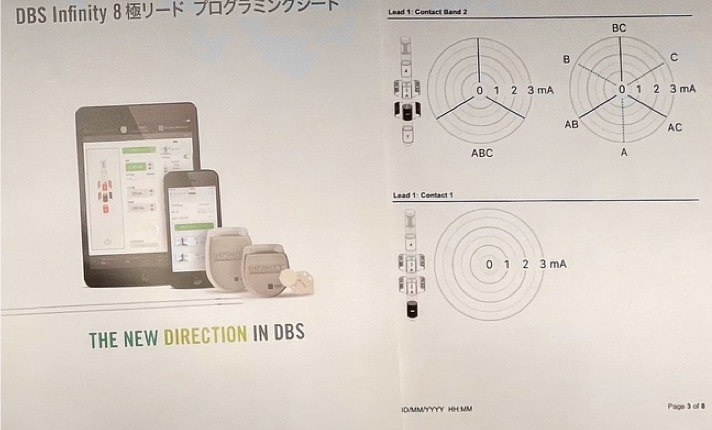
Dr. Cheeran recently shared with us the transformation of clinical workflows he experienced and contributed to, tracing back to his time practicing Neurology in Oxford. He illustrated the evolution from traditional paper-based methods to modern digital booklets, eventually leading to the digital informatics interface from his work with Informity (attached below).
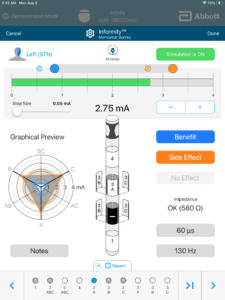
Dr. Cheeran’s convo has been insightful. Beyond the science, he shared with us his passion for collecting and building pedalboards. We jokingly chat about Gear Acquisition Syndrome, affecting many middle-aged guitarists with mediocre talent. He mentioned the many ways this has helped bridge understanding of the impact of capacitance, impedance and circuits on electrical signals.
Below is Dr. Cheeran’s self made pedalboard. It has gotten quite huge that two people need to carry it!