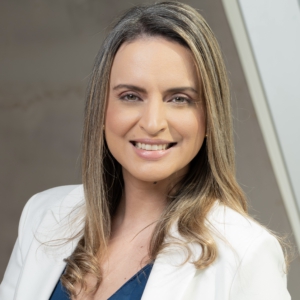
Dr. Vanessa Milanese is a functional neurosurgeon at A Beneficência Portuguesa Hospital in São Paulo, Brazil and holds an adjunct assistant professorship of neurosurgery at Mayo Clinic in Jacksonville, Florida.
#43 Vanessa Milanese – Bridging Anatomy and Neurosurgery: A Deep Dive into White Matter Dissections and Legacy of Dr. Al Rhoton
In this conversation with Dr. Vanessa Milanese, we cover the importance of anatomy in neurosurgery and explore her intriguing work in both fields – and how they cross-informed one another. Vanessa is a functional neurosurgeon at A Beneficencia Portuguesa Hospital in São Paulo, Brazil and holds an adjunct assistant professorship of neurosurgery at Mayo Clinic in Jacksonville, Florida. We talk about her stellar work in combining her neurosurgical activity with anatomical work – which involves dissections of the white matter of postmortem brains using the Klingler’s method. We will talk about the rare community of neurosurgeons involved in similar activities, world-wide and the big influence Dr. Al Rhoton had on the field and on Vanessa’s career. We thoroughly enjoyed this conversation and learned a lot – and we hope you will enjoy it as much as we did! Thank you so much for tuning in!
Vanessa Milanese 00:00Most of the fellows, they want to do that related to neuro-oncology. Very few, after doing functional, they want to do that. He got one of the papers that Dr. Rotten was retracted, but Dr. Rotten never got to correct, so he did not know about that. Really possible. The idea about the 3D was something that Dr. Rotten taught us. Much harder. That was something that Dr. Rotten already mentioned to me in advance. He said, first you have to dissect 10 brains, and then you go into the skull. You could see it. Welcome to Stimulating Brains.
Andreas Horn 01:26for neurosurgery at the Mayo Clinic in Jacksonville, Florida. And in this episode, we will talk about her stellar work in combining her neurosurgical activities with anatomical work, which involves the sections of the white matter of post-mortem brains using the Klingler methods and other methods. We will talk about the rare community of neurosurgeons like her that are involved in similar activities worldwide, and also the big influence of, I think, Dr. Al Roton had on Vanessa's career and on this field. 02:01And then we will also cover her invention to create virtual 3D scenes from these dissections that you can rotate on the computer, which I think are super fascinating. So again, thank you, Vanessa, for joining. And as you know, to break the ice, I usually ask before we get into science about hobbies, what do you do in your free time? Do you have any free time at all? Yeah, I have some free time. So first, I would like to thank you, Andy, for having me. It's such a great privilege to be here. I'm a huge fan of many of the guests you have here. And I'm a huge fan of your work. So as you know, I've been following this podcast for some time now. And I know that you have a huge audience and such a qualified audience here. 03:04So for your question, I love singing, dancing, going to the beach. So my husband and I, we go to an island close to Sao Paulo, about three hours from Sao Paulo. And over there, I love paddleboarding. I love kayaking. I also love traveling and learning more about new future and trying new food. I'm a foodie. I love going to new restaurants and getting to know more people. I'm very envious about the island now. I can't get it out of my head. Oh, it's awesome. Beautiful. I'm sure. I get to see some turtles. It's nice. It's awesome. Amazing.
Vanessa Milanese All right.
Andreas Horn So going into your career, who were key mentors and also maybe turning points in the career that brought you where you are now? 04:01Yeah, there are so many mentors that helped me to get for my science and also for my professional
Vanessa Milanese life, for my career. First of all, Maria Cristina Chavantes, that she was my master's degree and also my PhD mentor. She was the one that first.
Andreas Horn Helped me to start thinking about hypotheses and to ask interesting questions.
Vanessa Milanese And she was also really empowering women. You know, so she had some other students with her and she was always saying, oh, you can do that. You are going to have a wonderful path in your career. So that was very important at that time. So I did at the same time during my residency. My master's degrees and my PhD. And also sometime I was with Dr. Rotten already when I came back to do my PhD defense. 05:01And then it's quite hard. Residency is already hard. And then I was doing like a lot of work at night and at weekends. And it was quite a hard time. And it was very helpful to have her guidance over this during this time. Also, Dr. José Osvaldo de Oliveira. He was my mentor in functional neurosurgery here in Brazil. And he taught me a lot about treating all types of pain and to be patient because sometimes we in surgery, we want to rush the process. We want to operate. And he was always saying, you know, just be careful, gentle, and then try all the non-invasive treatments before thinking about surgery. And then Juanita Inders. By the way, she's a doctor. By the time I went to. To us, I did a portion of my PhD project with her. She's a professor of anatomy and physiology at an informant service 06:03university for the health science. They're in the TASDA. So a little closer to you. And then I did something in vivo and in vitro studies for my PhD. And she said that I could always improve my work to get a perfect to get the perfect. Image. Actually, she. I was trying to do to take some pictures of the dorsal root neurons. And then once she said, oh, Vanessa, I know that you can do better than that. And I was, oh, my gosh, I never took those kind of pictures. I think I cannot do it, but she she believes they can. So I went back to the lab and I took I spent like three days working until late night and then. at the end I could do that. So these were the photographies of the dorsal root ganglion that
Andreas Horn you prepared? Yeah, in the microscope. I prepared, I did some fluorescence because we were trying to
Vanessa Milanese 07:05see if we could get some undulations. We did a kind of treatment with the laser. I was studying the influence of lasers in the dorsal root ganglion. And then I was trying to take pictures of the undulations and to see like the difference of the parameters because in lasers it's all about the dosimetry you're giving to the cells. And then I was trying to see that influence and then I had to get that under the microscope and I had to capture that in the pictures. And then I was very... I was very nervous about that but then she... the way that she really believed in me that was very helpful. And that's something that it's... I think that's the greatest thing about painters. I think that she believed in me even before I believe and then I think that helped. And then I could do the pictures at the end. 08:03And I think once... that was just before I started my fellowship with Dr. Rotten. And this kind of thinking helped me when I was there because he always wanted that perfect image. And we also say we have a way, we former fellows of Dr. Rotten, we say that we had to get the Rotonian pictures. But once you see that, you see that it came from Dr. Rotten's lab because you have like... you have to have the perfect image. And that was something that I even started thinking about that when I was with Professor Juanita Engers. At UCS University. And then it came Dr. Rotten. So he was my best mentor. And he believed me since day one. I went there... it was coincidence because I went there to present... I went to Kitsini in Florida to present my master degrees project. 09:03And then I had... and I had an AAAS meeting in Washington, DC actually. And then I had one week for... between these two conferences. And I had... my cousin was writing a book about Dr. Rotten's book, a Q&A book. And then I asked... I mentioned to him that I would go there and ask if Dr. Rotten would approve that. And then I went there. I spent one week there at the end. And then he... and then he said, Okay, I saw that your cousin is a hard worker. I like the book that he wrote.
Andreas Horn But what do you want? I know... I know what you want for your cousin, but what do you want?
Vanessa Milanese And then I said, Oh, I want to spend three months with you. And then he said, No, in three months, you are not going to even start... starting learning how to take a picture. And then I was, Oh my gosh, okay. So if Dr. Foote affects me, I can stay six months with you and then three months with Dr. Foote. 10:06So I had like nine months that I could stay away. And then he went to Dr. Foote. And he asked Dr. Foote to talk to me. He helped me a lot. So and then because I had sent Dr. Foote an email, but he never answered. And then he said... and once Dr. Rotten went there, afterwards, Dr. Foote mentioned that to me. That Dr. Rotten had asked him to talk to me. And then Dr. Foote, right at the end of the meeting, Dr. Foote accepted me. And then he said, Oh, but I don't know if Dr. Rotten is going to accept you because you know, there are a lot of neurosurgeons that accept you. Dr. Foote accepted me. He said, I want to come here. He has a huge line of people waiting to come. And I was really nervous. But on Friday, the end of that week, he accepted me and I was very happy. So that was May. And then I started in October. 11:01And then I did a joint... You did a joint fellowship with Kelly Foote and Albert Rotten, essentially, and was divided into two parts or...
Andreas Horn Exactly.
Vanessa Milanese So first I was with Dr. Rotten and it worked right because he passed in February and I was going to start with Dr. Foote in March. And then it worked. And then I could also work in the lab because the lab there was 24 hours, seven days a week. And then I could work in the night and then also weekends. So I think altogether, I spent maybe more than $6,000. Maybe more than 6,000 hours working in that lab because every time that I was not with Dr. Foote, I was like... We would finish about 5, 5.30 every day. And then I would go to the lab and stay there until 10, 11. And also weekends. Weekends, I would spend like 10 hours or 12 hours there.
Andreas Horn 12:02And so with Dr. Rotten, you did mainly anatomy work or also surgical work with him?
Vanessa Milanese Only anatomy.
Andreas Horn Okay. So was it lab work? And then you did the fellowship with Kelly for neurosurgery later, right?
Vanessa Milanese Yes, functional neurosurgery.
Andreas Horn Yeah.
Vanessa Milanese Got it.
Andreas Horn Okay.
Vanessa Milanese Now I understand.
Andreas Horn And so what did you scientifically do in that time in the lab? Was it about making great pictures about anatomy?
Vanessa Milanese I know that.
Andreas Horn But was it hypothesis driven or did you have a project there? What was it about? Yeah.
Vanessa Milanese So when I went there, I mentioned to him. So I had this one year fellowship in functional neurosurgery. And during this one year, I had one patient that had... Once we started stimulating the ASTN, he got sad. And then once we turned it off, he was back to normal again. 13:03And then we moved the lead more posterior and lateral. And then the patient came back. And then the patient improved. And even nowadays he's doing fine. From time to time I hear about him. But that kept me thinking. I wanted to learn more about the 3D neuroanatomy. And I only had these 3D reconstructions that we have. And then also the brain, the shelter brain atlas that we have. So just cuts. I really wanted to have a deep learning. And I even mentioned these patients to Dr. And he had a big smile. And then he said, yeah, I think that's a good way of thinking. And I really wanted to learn more about the connections of the ASTN. And that was something that I... That was my initial project. But at the end, I detected GPI, ASTN, and also PPM. And actually afterwards, I also spoke to Dr. 14:01If I could do some of the infections and the thalamus and get the results. And I said, yeah. I'm going to do some of the infections and the thalamus and get some of the connections in the thalamus. Because I really wanted to learn more about BIM and all the structures that we are simulating. So it was mostly surgery driven. So I really wanted to learn more about what we're doing in surgery. So and then Dr. I remember that I was very nervous about dissecting that. Because many people said, even for the ASTN actually. Once I went... Once I left. Once I mentioned that. Once I mentioned that I was going to this fellowship with Dr. Rotten and I had this project about dissecting the ASTN.
Andreas Horn So many people came to me and said, oh, how do you think you're going to be able to dissect that?
Vanessa Milanese It's only... No, it's very, very small. You're not doing... You're going to miss that. You're going to just waste your time. And you're not going to get anything from it.
Andreas Horn Yeah.
Vanessa Milanese So I heard. And I heard from people very close. 15:01And that's hard. Because you just have to...
Andreas Horn Okay.
Vanessa Milanese I would say that after I try. So first I have to try and then I say that I cannot do that. Love it. Side question. That patient that you mentioned, was it...
Andreas Horn Do you remember? Was it on the left side of the ASTN? Where you moved the lead?
Vanessa Milanese It was right ASTN. From what I remember.
Andreas Horn Interesting.
Vanessa Milanese All right. So... I can check that. I can go back in the record. It's not that important. I mean, we have indeed more found that somehow anterior left, like on the left hemisphere, that was more associated with depressive side effects. But it's not a 100% thing.
Andreas Horn So that was why I was curious.
Vanessa Milanese So great. And so the idea was to dissect the ASTN to better understand it three-dimensionally, create pictures. I assume part of that would also go into Dr. Rotten's work.
Andreas Horn 16:00Yeah.
Vanessa Milanese And I think that's what Dr. Rotten was doing.
Andreas Horn He was writing a book, right?
Vanessa Milanese He had an anatomy book.
Andreas Horn Or was that apart from that? Do you know? Yeah. Yeah.
Vanessa Milanese That book he wrote many years ago. I can't be sure. Maybe 10 years ago. And that was not something that he was working at that time. So he had already published and finished. And it was something that I studied a lot. It's like our Bible. So I'm pretty sure that all neurosurgeons heard about that book. We read it. I think it's a very important book. I think it's a very important book. I think it's a very important book. I think it's a very important book. I think it's a very important book. I think it's a very important book. I think it's a very important book. I think it's a very important book. I think it's a very important book. I think it's a very important book. I think it's a very important book. I think it's a very important book. I think it's a very important book. I think it's a very important book. I think it's a very important book. I think it's a very important book. I think it's a very important book. I think it's a very important book. I think it's a very important book. I think it's a very important book. I think it's a very important book. I think it's a very important book. I think it's a very important book. I think it's a very important book. I think it's a very important book. I think it's a very important book.
Andreas Horn surgery to begin with so um were you a high school student or when did it start these these thoughts
Vanessa Milanese for you i think since i was a kid i always thought about being um doctor and also a singer so i also wanted to sing nowadays i only sing in the shower but okay but you don't sing okay great 17:05yeah okay great and then yeah sometimes in some in karaoke or yeah but it's quite rare but then uh when i was a scott girl uh i about 1998 i was always trying to help the injured kids in the camp in the camping during camping and so we would have kids that uh we we had one rescuer for team in each team we had the rescuer but i was helping all the teams you know i really wanted and i really enjoyed that feeling that you have once we are helping someone so and then i i at that point i decided okay i think i i i want to go into medical school i want to help more and then when i first when i started in my medical school, it was love at first sight with anatomy. So once I was in my first year, I 18:05thought about going to neurosurgery. But then a lot of people came to me saying, oh, I'm sure that you are going to change your mind by the end of the years. You are going to go into ENT. You're going to go into another specialty. So all women do that. They think about neurosurgery and then they change at the end. And then, okay, but I think I have to look deeper into that. Why is it that everyone is changing their mind. I want to know more and then I can do a better decision. So I did some during my my last three years, all my vacation time I was in a hospital. So I went to neurosurgery and I was all day with the residents from 6 a.m until 10 p.m and then I could see in Recife. It's because I did my medical school in a federal university of Paraíba in João Pessoa 19:06and then it's like two hours from João Pessoa and then I did that and I also went to Coimbra in Portugal and I also went to Groningen and it was in Groningen that I saw my first the first DBS patient. I had never heard about that it was like 2007 and then I saw a patient on and off and then I was really impressed. I was really impressed about how well he was and during when the DBS was on and then so yeah after that I was really sure that I wanted to go into neurosurgery. Super cool. It was actually also for me in neuroanatomy love at first sight and but I didn't think of neurosurgery I thought of
Andreas Horn neuroscience so I yeah so but interesting yeah that also made it for me it's such a
Vanessa Milanese so beautiful the anatomy.
Andreas Horn Yeah.
Vanessa Milanese I think you know it's so funny that you said you've never heard of STN and I think that's 20:05still still the case many medical school students don't have contact with it right we should we should do better advertisement and show these videos more right because I think it's it's almost for everybody like you switch on this device and the tremor stops what's more magical than that
Andreas Horn right?
Vanessa Milanese Yeah I think nowadays with social media internet because at that time we had internet but I was not using like a cell phone so I had just sometimes in the day that I was connected and yeah but I had I've never heard about that in my medical school for sure. Great so Dr. Rojan is the lead author of the seminar textbook that we have just discussed cast your bible on neuroanatomy and neurosurgery your twitter profile shows a picture of it signed by him for you.
Andreas Horn Yeah.
Vanessa Milanese And I think that's really cool. I think that's really cool. I think that's really cool.
Andreas Horn Yeah.
Vanessa Milanese And of course you've already mentioned the key impact he had on your career and your you know 21:03training your thoughts and so on um and as him I think or you know you at least have become a neuroanatomist besides being a neurosurgeon right you still spend some time in the lab or at least have have brains there and do dissections. How did it come to that and then also um
Andreas Horn you know how does each of the two practices cross inform each other?
Vanessa Milanese The
Andreas Horn the um seeing the brain in the OR and seeing it on the bench?
Vanessa Milanese Yeah so first when I was in my second year medical school I I started working as a technician like a anatomy lab technician but I could never touch the brain because the brain was so we had to be very gentle and I was just starting so they would just give me the arms and legs to dissect so I was for three years five years at the end I was working there I could 22:06not I could never touch the brain and I think that I had this desire and I I really wanted to teach neuroanatomy and I couldn't because I was working in the department and you know I could not we could not mix that and then I think that once I and then I came here we have these I did my residency here In the Peneficência Portuguesa. In the Peneficência Portuguesa. In the Peneficência Portuguesa. In the Peneficência Portuguesa. of Sao Paulo and I had I saw many dissections during the time so even uh he shared Parraga I don't know if you saw some of his beautiful dissections he was even cover of the Janus and and then I I really wanted to dissect and I but even I was seeing the dissections but I still could not dissect only in the in courses that you have like so one week to do all the dissections and it's such a short time to get a deep deeper knowledge mainly in the area that we need 23:03so at the end I think the the the main driven came after this patient that I just mentioned you so I really wanted to have this 3D idea in my mind and it's not really that I'm doing a lot of dissections it's just this path this past two to three months it happened that my lab was closing and I had these brains here that I could dissect and also uh Harv Akram came with some questions we met in May and then he came with some questions and also like last month we came you came with some questions and also Alan came with some questions and then I said okay I'm going to the both and then because it's quite hard to do all the clinical stuff and go of course of course yeah yeah so but I did that over the past two to three months and it was worth it and it's yeah it's very actually at this at some point I was even 24:02thinking oh I think that this might even be a kind of hobby that I have because you know at the end I don't feel really tired it's like my mind is more peaceful I think it's a it's a little art that you have there you are going in and kind of discovering every step of the dissections you are discovering discovering new structures and you have to do a lot of research and you have to do a lot of research and you have to stop and study and get to really understand everything that you are detecting and it's quite hard because you don't have images to see that usually you see some descriptions of sometimes demons sometimes uh animal studies like monkeys or rats and then yeah and that's something that it's it's very important and and I I think that mostly you people like you and and like Eric and and Eric made the Brooks appreciate because you know how that at some point image 25:02it's not re it's not really perfect in all the structures in all the ways not that anatomy we can have some problems with Anatomy also but I think that one thing can complement the other would you think you're a better surgeon than because you did this I have no doubt about that okay I can imagine yeah I'm totally sure I could you know touch the Anatomy right so it I'm sure it has a dramatic effect so yeah um it I can also imagine that the meditative effect it might have right so as you say it might be more as a not as much as work maybe you can use it too um yeah so I envy you I um it's funny when I was already in neurology residency I once went back to med school and just took part in one day of a neuroanatomy course and you know with the students I asked the tutor if I could just you know, go and visit and was super cool at that time, looking back at the brain, because I knew 26:01much more, right. I knew the SDN and all these things. And so it was, I think we should probably all do that more if we can, if, you know, if possible, it's a good point. And then you're totally right with, you know, I'm glad that you mentioned Harith's work. He's, you know, he's, his work is amazing with tractography. And then Eric Middlebrook, of course, you've done a lot with him with fiber tracking. We also get to that. I, I once had Susan Haber here on the, on the podcast too. And I talked to her about that too, that my feeling is, you know, that when MRI was invented, of course, amazing, you know, it's such a cool method, but that over time, we kind of lost the art or the appreciation of anatomy because we thought we could see it all, right. But the truth is we can't really, right. On a T1, we don't even see the SDN, for example. And we don't see all these small structures and so on. So we see a lot, but we don't see 27:01everything. And my feeling is even that as the field evolves, I think there was then a push against classical anatomy. Most anatomists who get grant funding and so on went into more molecular stuff and biochemistry related work. So for an entire generation, it feels to me, um, we kind of lost anatomists, um, by the masses and often still the best work is from 1900 or so. If you look at the older work, that's beautiful anatomy work. And then there's also of course, some cool new work, but it's not so much. And, um, so maybe one question, did we lose the art of anatomy based on imaging in part? And then, um, I think hopefully we're coming back, back right now. It seems like in, you know, things like Katrin Amunds is doing with big brain digitizing anatomy. And I think that's a really good way to kind of, you know, to kind of, you know, and so on i think the field has also grown to understand oh imaging can't be the answer for everything we need you guys right and but um question is a bit you know are there many people 28:05even doing this still um could it be true that mri you know led to a decline in anatomy what do you think about that and how could we solve it or or do it better yeah you were right so even during the time that i was there at dr rothen lab so some people would come to me and say oh do you trust more in your anatomy or you trust more in trastrography and you think that neuro
Andreas Horn image is not going to show everything so why are you wasting our time doing that so some people
Vanessa Milanese would come to me and and mention that and i i totally feel and i heard that episode which is and it was great a great one and it was very empowering for us in that we are doing these uh neuroanatomical studies and i think that it's very important because there's a lot that you cannot see mainly for the small connections yeah and that's something 29:01that most often i would say mainly neurosurgeons they and and some sometimes neurologists they they don't have in mind this difference between the the trastrography that you can get with the the big connections and with the small connections and that you can have some artifacts and if you have problems with that it's difficult to get that so i think only when you are really into the the image so i think some some neurobiologists they appreciate more the the work that we are doing that the neuroanatomists are doing because of that and i think that's something so here my lab is closing i i mentioned and then these like tomorrow so it's going to close tomorrow and then probably we are going to have another a new one next year but let's see at least for courses so we also have some skull days the labs at mayo and mayo recessor mayo florida for fiber dissections so they can do if if a 30:07fellow come and want to do this kind of dissections most of the fellows they they want to do that related to neurooncology very few after doing functional they want to do that so i think maybe the only one that did that you know some people think oh are you crazy you already studied medical school residency you did your fellowship what you're going to do in a lab so and then i was oh i i really i i had these i i really needed to learn more and to be more confident about all the knowledge to really to do the different simulation procedure that it's kind of procedure that i i love the most and then i really wanted to get more prepared for that and i learned the a lot from dr food as well i have to be very grateful uh i did not mention there in the list so i mentioned five and then he was the fifth one yeah you had him in the list maybe in case 31:01kelly is listening i think i interrupted you it's my fault that you didn't mention in the beginning yeah yeah yeah so he's great he's very kind he he he's always trying to teach everything that he knows and that's very very important and very rare nowadays yeah and that's yeah that that was great during these two years to be there and to learn from him and even nowadays so at the at cns he's always involved in these discussions and we are always discussing at the end i'm always learning from him so he's uh me too me too so we we met at cns in washington as you mentioned and um there it was um you also mentioned that there might be people if you see publications with clinglum dissections these days a lot might be indirectly be able to be traced back to dr rotten's influence and you mentioned before that the rotonian picture as well 32:02um i i am collaborating a bit with uh george oskandalakis um who are trained in in in athens or in greece at least um and isn't it's aspiring neurosurgeon um did also clingler dissections before is there is there some sort of family tree that can be drawn how people you know the key players that have done this and um keep up the flag of clingler dissections or um is it more than than just a handful of people that do this yeah so from kingler we had dr toure uh uger toure in turkey and he has a lab i think he is the one that has a lab that is publishing the most nowadays in like in fiber dissections and using this method and abuze gungor that is a great friend he was a former he's a former fellow of dr rotten he he's there leading his lab right now i could go there and visit them so they're they're doing 33:04an amazing work over there and and it's nice that we i had a meeting with uh george oskandalakis this monday to discuss about some of the things that we saw there in the uh in at the cns yeah and uh and um i think it was a really good meeting with uh george oskandalakis And it's nice. It's very nice. And I mentioned to him that it's very nice to see like young people wanting to learn more about neonatomy and going deeper in neonatomy. Because some people think, oh, it's everything showed. We don't have anything to learn more from that. So I heard that many times, but that's not true, mainly for the small connections. That's that's something that we still have a lot to show. I could not agree more. I think we even often if you if you really want to know exactly where a specific structure is, it's sometimes very hard to find. Just to name one example, maybe for the listeners, maybe they can prove me wrong.
Andreas Horn 34:03But finding out where you know how exactly the nigrostriatal pathway looks like, how it's probably very diffuse, but it's very hard to find info on that. How it exactly goes, just to name one example.
Vanessa Milanese And and we often think, I think, especially. Coming through med school.
Andreas Horn That anatomy is known, right?
Vanessa Milanese I grew up like that as a student.
Andreas Horn I thought, oh, yeah, this is so old.
Vanessa Milanese Everything is checked. But then you realize you actually, you know, if you care about the details, nothing is not a lot is not known. So I totally agree with you. There's more to be done for naive listeners.
Andreas Horn Can you briefly describe what the Klingler method even is? We've talked about it, but what are you actually doing?
Vanessa Milanese You're shaving off.
Andreas Horn Brains, right? But how does it work? Can you describe that a bit? Yeah, so first we have to prepare the brain and it's very common.
Vanessa Milanese 35:00So first we put the brain into formalin, around 10 percent formalin. And usually about one month, you have to do that before. And then once the brain is fixed, you have to. The brain can go. You can go into the freezer. So usually for me, it's like minus 16 degrees. The one that I'm using. But you have many methods. You have some difference from one lab to the other. But the way that I'm kind of describing the way that I did. And also I have a specialty at the end. So once I want to you, the brain is there for two weeks, you can start dissecting. So you eat. It's. It's the method of freezing and then towing. And then with that, you kind of. You kind of divide the fibers. You still see the fibers once the water comes inside and gets between the fibers. 36:07And once the brain freeze, it kind of stands and then you can get to remove the fibers better. And the thing that it was very. It was very important for me. And he's a great neuroanatomist. It's Dr. Maximiliano Nunez. He's a he's from Argentina. And he arrived at Dr. Rotton's lab. One day after Dr. Rotton passed. That was very sad at the time. But I learned a lot from him. And he was there for six months. And then the thing that he was doing, he was doing beautiful work dissecting white matter, dissecting. And then the thing that he was doing, he was doing beautiful work dissecting white matter, dissecting. And then the thing that he was doing, he was doing beautiful work dissecting white matter, dissecting. And then the thing that he was doing, he was doing beautiful work dissecting white matter, dissecting. And then the thing that he was doing, he was doing beautiful work dissecting white matter, dissecting. And then the thing that he was doing, he was doing beautiful work dissecting white matter, dissecting. And then the thing that he was doing, he was doing beautiful work dissecting white matter, dissecting. And then the thing that he was doing, he was doing beautiful work dissecting white matter, dissecting. 37:00And then the thing that he was doing, he was doing beautiful work dissecting white matter, dissecting. And then the thing that he was doing, he was doing beautiful work dissecting white matter, dissecting. And then the thing that he was doing, he was doing beautiful work dissecting white matter, dissecting. it's much better if you get the brain and then freeze overnight so you you put the brain into inside a bucket you put water and then you freeze the brain and then in the morning you go there and then it's only five minutes you know to tell the brain you just put into running water and it's it's very fast and then it's much better to dissect and it's much easier to remove the fibers you can have a clear a clear delimitation between the fibers and the basal ganglia and and it's that helped me a lot for the dissection of the stn and gpi ptn and also now with the thalamus and then once you start dissecting you essentially peel off shave off like part of the part right layer step by step yes 38:00so first you remove the gray matter and then you remove the u fibers and then first the superior long and then you go deeper and then you go step by step and then you have to take pictures of all these so yeah i think i have more than 3 000 3 000 no more than 30 000 pictures so i did well over these past months i did more than 1500 pictures so that's something yeah you have to take pictures of each step of your work make sense so you can yeah you can that's the way that you can teach and you can show in the papers and also if maybe every video have some questions and you can show the picture before that so you can really prove that was something that dr rotten was always saying you have you you have to really prove what we are doing and i think that it was quite tough for me and for abuser because abuser was also doing 39:00of the STN and then I don't know if you know about that but Mao Harris that was here in that episode three I think yeah yeah yeah so he he wrote he he got one of the papers that Dr. Rotten was uh retracted but Dr. Rotten never got to correct so he did not know about that you know and he was sad and then he was he was tough at that with everyone but with us with Abuser and I
Andreas Horn that we were doing the dissections exactly about the same connections and the same structure he was he was really hard and asking okay why do you think that's that you have to prove and
Vanessa Milanese we had to take books and articles and papers and we had to really prove what we were and I think at the end that was very helpful so at the first I met Marwan in 2019 at the Dabba Finance in New York 40:05can you say again Marwan you said something about a retracted paper from Dr. Rotten and Marwan was involved yeah no no no Marwan Marwan got the the detour to retract the paper so he wrote you know that he's the police yes yes yes okay I want to know more about this so so there was a paper
Andreas Horn by Dr. Rotten and then Marwan wrote to the editor and it then it was retracted why what was the critique and what was it about yeah it was there was some yeah yeah you can you can read the paper
Vanessa Milanese I can send you later but it was some a lot of a lot of errors you know and then and it was sad because at the time Dr. Rotten was sick already and I see and uh and one yeah it was one one form of follow that that that wrote that but then he he never got to read and but he was sad he mentioned 41:01that I think it was about September that happened and then I arrived in October okay and then and then that was a lot of pressure and then I was very careful to show him everything because I really needed to prove at least give three reasons for each thing that I was saying so that's okay here's that and why is that why is that why is that I had to love to bring up and I and I think that it's that the at the end that was helpful and and Marwan thought that I I did not like him so he said oh I think you hate me the first time that we we met and then I said of course not you helped me at the end because you're trying to get better science and that's helpful yes and when we are going to publish the my paper that was published in neurosurgery Dr. Oken sent Marwan the paper and I was so happy hearing back from him he said something like uh 42:03Vanessa congratulations you are the star in neurosurgery in neuroanatomy you are the star in neuroanatomy I really love your work and and then I was kind of relieved and it's and kind of okay now I think that Dr. Oken is it's proud of me you know because I never got to hear from him because I I he did not see the the work that I I did that I finished so I could I could he could see yeah he could see maybe until the sixth brain now I've detected about 20 brains
Andreas Horn and but he he could see just the the start interesting it's funny that you say that and
Vanessa Milanese I think I really think so that you know Marwan Marwan is has been so helpful to be around in this field for so many things he can be very harsh also you know I had my own share of that but but I I would um I think he would say the same by now we 43:00we've become friends and um that doesn't mean he wouldn't um of course criticize my work anymore but but we've we've a lot of exchange now these days and um I I really um enjoy his company and uh even though it is sometimes of course very direct um but but I think he's been such an amazing how was he called by Lozano um Basil Ganglia police or something like yeah something like that um or the court jester that is allowed to say everything um because he has that role right so he will be when he finally retires for real at some point he will be dearly missed I'm I'm sure right it's it's hard to replace somebody like him yeah it's um so yeah um great to hear that he had a in the end positive um impact on on your life indirectly and um you said you met him uh yeah you met him and then he said yeah yeah and that was in the best assessment and also we met this year four years after that we met in May also at the DBS course and it was really fun and he was 44:03really asking me to go to Stockholm he sent me an email this this like two weeks ago asking you oh are you coming and it's very nice that now but he's still that now we have these closer relationships I I still think that he can criticize my work he can still criticize and that's okay and that's okay yeah you don't tell please criticize so yeah yeah yeah that's better totally agree so there is a book um by shilpa jitnes pravin kemani and Mike oaken recently um edited that is entitled the brain simulation out at Oxford Press and it shows a beautiful cover one of your dissections um it's a beautiful post-mortem work of a brain from a patient with deep brain stimulation where the burr hole and burr hole cap are still in place and um but now beyond them you can see the dissected brain you can see the electrode going in
Andreas Horn um where did you work on the specimen and how was it like to carry out these dissections on
Vanessa Milanese 45:04a brain with deep brain stimulation implants in there so that that happened at University of Florida and that was something that was already in the in my project since the beginning so we had planned to implant two two leaves one for the the stn one for the GPI I still have some dissections of the thalamus cm and vim and Dr Dr foot helped me doing the targeting and and doing Eric medibrooks helped me doing the scans for the and also again oh so this was okay so this was not a patient with dvs this was a
Andreas Horn brain and you implanted it on the brain I did not know that that's interesting huh yeah probably you
Vanessa Milanese might have done it before you know you have done it before you know you have done it before you know
Andreas Horn much easier to come by yeah yeah makes sense okay sorry yeah it was injected with silicon and
Vanessa Milanese 46:03we have the the red and the blue colors that there and then but it was very hard to do those dissections it's much harder to do that inside the skull so even with a big opening that i did it was much harder and that was something that dr autumn already mentioned to me in advance so he said first you have to dissect 10 brains and then you go into the skull with the to do the dissections inside of the skull and i did that so after he never got to see those dissections so once i
Andreas Horn finished my 10th brain i went into the skull interesting and so relatedly you mentioned that you had a lot of experience with the skull so what was your experience with the skull and what was your experience with the skull and what was your experience with the skull
Vanessa Milanese in 2020 you published um this beautiful paper in neurosurgery and i think you're the first author so i think this was probably the main or one of the main works from that entire period um together 47:00with mike oaken and kelly foot um we heard in episode 25 and also eric middlebrooks is a co-author um so the entire all-star team there with many other co-authors as well um it really is seminal anatomical work about around dbs targets and an amazing resource for anyone you know who's interested in doing that and i think it's a really good way to kind of you know to kind of interested in dbs so so was that the original plan of your entire fellowship or was that something you did later or how did it come to this project so this was something that i i had planned at first with dr rotten yeah so this was the project that i planned with him i also did many other dissections that i still have to publish and then i i'm still working on the and it's nice because now i have some collaborations and i think that's going to be much better and i have some i have some knowledge more about the the the way that we do the tractography and also the the targeting so i 48:02think that's going to be a good one and then i'm working my postdoc with those dissections that i i did over there for the talamu then i am also did hear some of the some other connections that i never got to dissect there and i'm still working on the tractography and i'm still working on the i talked to rotten's lab i could dissect over the past month and it's very it's very nice it's very fun to go back to the lab and to do that i really want to do that at some point again in my life so now we don't have the lab here we are not get get to have by tomorrow after tomorrow so yeah maybe i'm going to visit abu there okay in istanbul and then yeah for some weeks and do some detections because i think that every time you have some steps in your life that you you are getting more knowledge about and getting more questions so even the questions that you have even the questions that 49:00alan has has hard hat so that's something that it's very helpful and it's very nice because you can really see the meaning of the work you are doing so that's very important absolutely you you took i think you said 30 000 pictures of your cling list preparations which are very beautiful but then i think sometimes you realized afterwards that you needed a different angle of view later which was then not possible anymore to achieve and to address this you i think there's a similar project also in in italy in triwear where you pioneered creating 3d models from these intersections right so at least in one of your in one of your slides that you sent me, I could rotate in 3D one of the dissections,
Andreas Horn which is of course super fascinating to see. How did you develop that? How does it work?
Vanessa Milanese I'm assuming you take many pictures from all angles
Andreas Horn 50:01and then stitch them together, but do you have a specific setup for that or how does that work? Yeah, there are many ways to do that.
Vanessa Milanese But the way that I'm doing it, that was something that I learned from Abuser. We met last year in November in Miami, and then he mentioned, oh, I'm doing, I'm using, it's an app that we use to do this. Ah, okay. And then that's something that, okay, we have many more within OverDart, Mayo, Rochester, Maria Pariselda, she has a beautiful machine that you can take pictures from all the sides. And it's a little difficult to get the setup, but that's- I think that's the professional way of doing it, I would say. But the way that I did, it was just for the, like to show you and to show Harik, I really wanted to show that some of the fibers that were going, coming from the thalamus, they were kind of coming and going to the cingulum 51:02and connecting to the cingulum. And that was not really possible. The idea about the 3D was something that Dr. Otto taught us. And then I, all my pictures I'm taking like in five angles. So I have- Mm-hmm. Like a deeper 3D, I have a, not as deep 3D, and then just have the real picture in the middle. And then, but for the, for some time, and I think that could be very helpful at the time that I was there in the lab. I think that would be easier to convince him of some of the dissections, because sometimes it's not, even with the 3D picture, sometimes it's not easy to convince, okay, we have these fibers coming from here and going there. And I think this, this 3D, the app that I'm using is Scaniverse. You can download for free. And it's something that you just have to get a better, a good light and then try to, to do everything.
Andreas Horn But yeah, you also have many professional ways to do that.
Vanessa Milanese 52:00And it's something quite new actually, but, and I think that they will have this impression that it's new in the, in functional neurosurgery, because we don't have many people doing functional, functional neurosurgery called dissections for these small structures.
Andreas Horn But yeah, yeah.
Vanessa Milanese It's something that is happening over the past year. I think it's super helpful, right? Because, because it's a bit, it's a bit similar to, you know, if you present just a single slice of an MRI scan to a radiologist and they cannot scroll through, it's much harder for them to, you know, you cannot interact. There's no action involved, but if you, and I think sometimes if, you know, the pictures you sent me or also George's, it's sometimes hard to see stuff, especially maybe also lack of my training of, you know,
Andreas Horn where exactly would the, on the, on the brain, where, where do the fibers start and end?
Vanessa Milanese But if you can turn it, you can at least say more, you could look at it from different angles and so on. Maybe speaking about sometimes the, you know, 53:01problems with interpreting these pictures,
Andreas Horn what are the limitations of this method anatomically?
Vanessa Milanese I know, for example, we can see synapse, we can see the ! We can see how it works every night. And if you'll study and see the, the areas that you'll have to go, I think that's also helpful. And to use the right instruments. So I'm using mostly the dissectors of Dr. Rotumsat. So they are very thin, and also for the, 54:03for the ganglion like for the ATN radonuclease, I'm using an instrument that it's similar, similar to a spoon, but very small, very small.
Andreas Horn And yeah, but in for sure,
Vanessa Milanese this tracing method that some researchers are using are very helpful. And I think that it's very important, but I think it's a little different from the-
Andreas Horn Complementary, yeah, yeah, yeah. Yeah, it's complementary, yeah. Yeah, yeah, makes sense.
Vanessa Milanese Great. So you work at the Center of Neurology and Neurosurgery Associates in Sao Paulo, but also hold an adjunct professorship at the Mayo Clinic, as mentioned. You've collaborated with Eric Middlebrooks and we've mentioned his name a few times in many publications. And sometimes he's first author and you're on it as a consultant. And he was also co-author on your paper. 55:00And for the people that might not know Eric, he's, I think, one of, at the frontier in 7Tesla, also does a lot in DBS and of course, fiber tractography and so on. And he really knows what he's doing. So maybe one could see this pair of you as a couple to combine dissectional anatomy between anatomy and radiology. How do you see the relationship in general between neuroimagers like Eric
Andreas Horn and you as an anatomist and surgeon? What can you learn from each other? How do you complement each other? How is the relationship there?
Vanessa Milanese And all that. I think this relationship is crucial. It's very important. And that's something that since the beginning, so Dr. Rotten introduced me to Dr. Eric Middlebrooks. And since the beginning, it was a very good partnership. And even nowadays, it was a coincidence that once he went first to Alabama 56:01and then he went to Mayo. And then I was there helping Dr. Isandre de Oliveira with some skull base course. And then I got to, introduce him to Dr. Kiu and all the neurosurgeons there. And it was nice. It is nice having him there at Mayo. So nowadays we are working together in a course. So he's brilliant. He's a brilliant neurohidrologist. He's a great person to work with. And he has helped me a lot. And also many former fellows of Dr. Rotten and also some of my fellows. So some of my fellows also, have him as a co-author. So, and I think that that's very important because at the end, the work that we are doing in the lab, the real meaning of that is to get that into clinical practice. And to help with that, it's, I think image, it's very important. So we have to kind of try to get what we are doing in the lab 57:04and kind of translate into image and then show both together. So they can, so people can understand better and can use better and can give better results to their patients. At the end, it's the main thing. And I think that Dr. Rotten saw that since the beginning, because when I mentioned about that patient, he said, and that was something that he was always saying. So you spend many hours in the lab. Sometimes, most of the time is lonely. So I'm over these 6,000 hours, probably 2,000. I had other fellows around. Most of the time I was by myself doing these sections because most of the time we had no one in the lab, only me.
Andreas Horn And also that's something that it's nice to have someone to talk about and to discuss and, oh, what do you think about that?
Vanessa Milanese And Eric Mendebrou has been a great partner on that. 58:02And he is also, sometimes he has questions and he comes to me. And that just gives, meaning to the work that I'm doing. And I really want these discussions to happen with you also, with Haaref, with all the people that it's doing. So some of the neurohideologists here in my hospital, they also come to talk and to discuss some tracts. So even for my surgeries, I'm doing some tractography. And that's something that we are discussing and we are always trying to get better image here. So, and even Eric helped getting the image here in my hospital better. So he talked to the neurohideologists here.
Andreas Horn So we got the FK-8R sequence and we got, yeah, we got to improve.
Vanessa Milanese Not only in my hospital, so many neurosurgeons, many functional neurosurgeons all over Brazil, they're sending him here. 59:03They are sending their patients to Sao Paulo and then they get this image and then they go back. The patients go back. They go back and then do the surgery at their CD. Yeah. And that's very helpful because you know the importance. Yeah. He actually also helped us a lot here with the 7 Tesla sequences and so on. So he's amazing in that regard. He was the one who introduced us by email at some point. Oh, yeah. That's been a while ago though.
Andreas Horn Yeah, yeah.
Vanessa Milanese Five years.
Andreas Horn Yeah, it makes sense.
Vanessa Milanese Yeah. No, he's great. All right. So, and you also play a role in education, I think, for instance, you were involved in the Roton Society and co-organized the Mayo Clinic Roton de Oliveira serotactic functional neuroanatomy course. It bears the name of your two mentors.
Andreas Horn So I guess you were probably key there and I missed that, but I'm sure it was great and saw some cool pictures. 01:00:01Can you talk about that work of education and, you know, this course maybe, and is there a future course planned like that? Yeah, it was a very special project.
Vanessa Milanese It is still because we are having the new one next year in February, first to February 3rd. And then that's something that I, Dr. Dr. Ross, Dr.
Andreas Horn Evandro de Oliveira asked me, oh, do you want to build something functional before he passed?
Vanessa Milanese He passed in 2019. And I really wanted to teach people, because that was something also that Dr. Ross always said, I want you to be teachers. He wanted his fellows to teach what we were learning there in the lab. Because at the end, you don't want only your patients to improve, but also the patients of all the surgeons and neurologists. 01:01:00And so I think that's very important to share. And then last year, no, the year before, like two years ago, I went with this project to Dr. Kuehl. I was going there to help in the skull base course. I was always happy to help in that course, but it's not really my field.
Andreas Horn But I was always passionate about teaching and getting the neurosurgeons to do better procedures. And once I presented that to Dr. Kuehl, he was a great, he's a great chairman. And he was, oh, let's do that. And we have to get you. And then I was like, okay, how do I do that? And then I was like, okay, how do I do that? And then I was like, okay, how do I do that? And then I was like, okay, how do I do that? And then I was like, okay, how do I do that? And then I was like, okay, how do I do that? And then I was like, okay, how do I do that? And then I was like, okay, how do I do that? And then I was like, okay, 01:02:00how do I do that? And then I was like, okay, how do I do that? And then I was like, okay, how do I do that? And then I was like, okay, how do I do that?
Vanessa Milanese staff that can share so the idea also is to get the the knowledge more international so may you have this this thing way of thinking that i think that's very important so that's something that we are i'm very involved and it's like a dream come true for me to have that course and to get the the people learning and because i think it's very it's very difficult at least here in brazil in latin america it's difficult to have some courses like that and in at may we could get all the the facilities we we needed for that and and it was a great great course and i hope to have to have that for many years uh so we already have one 01:03:01year and we're we're keep working as dr rothen was always saying you know that every day he was yeah he was always saying uh keep working keep working like to improve what we are doing so it's like that so every year we are trying to improve that and also from dr evander derivative he was also a great mentor in in education and sharing the the love that he had the passion that he had about neurosurgery and about teaching and he was always saying you have to leave the or every day and think what i could have done better and the next day when you come back you have to do better than that so every day you are a better surgeon so that's something that i'm trying to do and that's something that i'm doing in the dbs procedures so some people even say that some people that goes to my surgery and then goes to other surgeries they come and say oh you have the biggest checklist that i have comparing all the functions of neurosurgery 01:04:01okay because every time you you want to improve and to do better and love it yeah yeah that's very helpful and and so you said there is a next course plan can people attend to that feel free to make some advertisement um can they apply or how does it work is it february next year yeah it's february next year i can share with you the link and it's uh yeah february first february third and then it's um and it's something that you can go into um Mayo Clinic treatment so we can link yeah yeah I can send you the link and you can that's good put on the website cool great sure so um and then you're also quite active in the Brazilian Society for Neurosurgery can you tell us a bit about that community work there and the um yeah society work you're doing yeah I'm working a lot over the past month we had our congress last last our meeting our 01:05:07annual meeting last week and I'm working as a communication director now three for three years and I'm also working as the secretary director of the Brazilian Society in functional neurosurgery in pterotactic functional neurosurgery since last month actually so that's that's really you yeah thank you that's all right that's a lot of work so we're already working on the the meeting that we have next year in May I think I mentioned that one to you so it's May 1st to May 4th and then yeah so it's it's very nice I I'm very passionate about sharing the work that we are doing not only for the the people that are for the associates also uh for the I think the work all over the time but also for the 01:06:28do that and we can have also deeper connections as i mentioned that i always like to have that in my life and i think that it's quite fulfilling to also work with that and i mean i from the outside i can also you know i know three great neurosurgeons from brazil we talked about it eduardo aglio eric von hoff and paulo franciscini so already that that's a lot for the you know for i i don't even know if i know so many from germany probably probably i do but it's um it seems to be a nice society there that you have and um great work and um eduardo and also eric they've been 01:07:06so inventive all the time creative and creating beautiful work and so yeah yeah really really nice so how much how much time do you spend in brazil versus us i'm i'm assuming you live in brazil and only visit us but since you have an adjunct professorship there do you i don't know spend one week a year or two a year or three a year or four a year or five a year or six a year or six a year or something like that at mayo or is it mainly virtual yeah it's it's about three weeks per year i'm over there sometimes a little more because not only i have this mayo uh adjunct professor professorship but i also come into meetings as we met there at cns so that's something i'm always trying to attend because we also have a partnership uh the brazilian society of neurosurgery with cns and that's that's important to keep that connection super cool so i want to be mindful of 01:08:02your time so we'll conclude as always with some rapid fire questions um feel free to answer briefly of course you can also answer long if you have more time i have more time um but um how how in your opinion how does the operation room in the future look like any changes uh yeah yeah i think yeah i think at some point people were thinking even even as we are going to think like in 20 years oh my gosh i can't believe i was doing that at that time so it's i think that's going to have a big change i think artificial intelligence is going to play a role in evor for the main functional neurosurgery so we we also had a discussion about that at cns during the america america's meeting and on sarvay because
Andreas Horn 01:09:24we can have the target exactly in this position.
Vanessa Milanese So, and then based on this symptom, so if the patient has more rigidity, you can have the target right in this position. And of course we always will have to be careful about that and to do that and to check and recheck. But I think that's going to be, I think, yeah, at some point that's going to be helpful and it's going to play a huge role in the neurosurgery and also for the neurologist. I think that's going to be for the parameters that we are using and for the maybe new targets 01:10:05that are coming, we are going to have a specific parameter that we can use to simulate and to improve a specific symptom of the patient. Great.
Andreas Horn What were some Eureka moments in your career or in your life?
Vanessa Milanese I think just to continue the thought about that patient that I mentioned, the day that I got to dissect the connection between the STN and the substance denominata and also the STN, the prefrontal cortex, it was a very special day. It was very, very good to get that. And then to, okay, I think that's the reason
Andreas Horn why the patient got sad.
Vanessa Milanese So I could... Okay, now I got my answer. And every day I tried, every day in the lab, I tried to do these dissections, 01:11:02thinking about the way that we could help the patients. And actually today, this morning, it was such a coincidence because I was hearing the podcast that you did with Marie Kruger. I got to meet her through Zoom. So I have introduced me. They are sharing the office.
Andreas Horn And then, yeah, they invited me to go to the course
Vanessa Milanese next month that they have there at Queen's Core. I'm going to talk about the basis of ganglia anatomy there. But then I really enjoyed the podcast that you did. And then she mentioned the way that she's treating the patients and getting the area between the CM and also the VPL and the provenar. And then I was like, okay, I'm going to do this. And then she mentioned that she was going to do the !
Andreas Horn 01:12:19So, yeah, at the end, it's nice to get these connections.
Vanessa Milanese Like, I think mainly the connections between the CM and the cingulum. So that's going to be helpful for pain patients. Yeah. Super cool. Yeah. Marie's work is there. And we went to med school together. Maybe you heard that in the podcast. So we were in the same class in Freiburg in Germany. No, so that's, she's always my example of what I could have become as well if I, you know, had gone into neurosurgery because she's my age and we studied together and yes, very impressive what she's been doing and very, very cool.
Andreas Horn Yeah, it is.
Vanessa Milanese So since we talked about the more positive stuff, 01:13:02I always want to also ask about maybe negative things, things that went wrong or wastes of your time or missed opportunities in your career, whatever, maybe even surgical cases, if you want to talk about that, that, you know, I think everybody has, you know, afterwards so i wish i had done that before but yeah i couldn't and for the or there are many things we could spend like many hours talking about that but i think that's something that i've changed over the the years it's that i'm i'm really worried about migration of the lead 01:14:05and the thing that i'm using and doing right now and many neurosurgeons here that are doing it's i'm using glue instead of the the cap you know so the dissection that i did with the with the lead so now i'm using glue and it has been helpful because i was hurt by that you know so dr photos is always saying oh you get every time that you have a problem and you have a complication you try to come come up with new ideas and to deal with that so yeah that that's it and and i think that once you you have yeah and sometimes when you have a patient that has some skin erosion and problems with that so i i'm always if the patient wants to try sometimes i try to keep that but sometimes i think it's not worth it i think if i go back with some patients 01:15:02i would say okay now that it's that you have these infection we have to remove and then yeah we have to remove it faster that's something that dr foot was always doing he was removing mostly one week or two weeks after that so every time i keep longer than that i i think that's not worth it now just thinking
Andreas Horn back makes sense makes sense advice for young researchers entering um neurosurgery or academia neuroscience neurosurgery may be most interesting
Vanessa Milanese yeah i think that's very important to really think about the the area that you are going into and to get your the research and to try to feel what you have passion about and then once you find out about that that's not easy i i i have to say but you have to try hard 01:16:01to find out that and then once you find out you have to I think it's a very important thing that you have to have when you are doing research because it's hard, it's lonely and you have to just know your reasons and do your best and then at the end I think you can share the work that you are doing and help others and yeah but just I think I'm just going to quote Dr. Rotten here, keep working keep working, love it
Andreas Horn any advice for women in neurosurgery?
Vanessa Milanese yeah that's a quite frequent question that I get and it never gets old because it's something that it's still hard, it's still pretty hard, we have now 01:17:01nowadays we have about 20 to 30% in the first year residency in the we are 300 neurosurgeons, women neurosurgeons here in Brazil and in total we are 2,500 and then I think yeah it's like it's about 12% and then I think that's something that you have first like for the medco students that come to me and last week we had a great meeting here with Gay Russo came and talked about leadership and we have many medco students that come and ask oh is it a good profession is it a good career do you advise me to go into that and the way that I always say you have to be really sure what you 01:18:00about what you want so once you are sure you have to don't listen to anyone so go there and do your best and study a lot and do the best that you can and I think that you are going to be you are going to succeed in your career but because for me it was like that at the end of my medco school I was sure that if I not going into neurosurgery I was not going to be totally fulfilled I was not going to be really happy in my career so I was really sure at the end that I wanted to go into this career and I think that again it's not easy to really be sure about what you want but once you have that and you are sure and I can tell that many medco students they already know that and I'm sure that there are people still saying oh you are going to give up 01:19:00you are going to so this is not something for women so we have many things many people thinking in this way and the thing is if you are really sure you have to go for it and do your best and I'm sure that we are going to have amazing as we have nowadays many brilliant neurosurgeons that you interviewed here and we keep seeing many brilliant neurosurgeons brilliant neurosurgeons brilliant women in neurosurgery all over the world and I think that there are a lot to come yet absolutely I hope so definitely and yeah what you said this was also more probably general advice with this listen be sure what you want that's really tough I totally agree and I'm not speaking about women anymore in this but of course I think this applies to lots of all of us but it's a really deep advice because we often get advice from others and we don't get advice from others and we don't get advice from others but they are not our lives right 01:20:00they don't they're not our brains they're not our you know they don't have our connectomes they have a very different setting and they give us good advice it can be helpful but it's very hard to find the inner voice saying what do you actually want right so you yourself and then trusting that as a young person how can you trust that how can you be so sure right because you you still you know have the life in front of you still find that hard even now every now and then to you know instead of listening to others and thinking oh that that's a smart person I just follow what they say to try and and listen to me you know what does Andy want this is not not easy so that was good advice for me too so thanks for saying that and then future of the field so here I'm not not talking about the future of the OR but about neural neural modulation as a whole could be TMS, FUS, DBS where do you think we will be in 10 or 20 years as a field on a global scale I think we are going to have 01:21:01many new targets and new indications also mainly for depression and cognitive problems I think in 5 to 10 years we are going to have some ways to treat that and also addiction when you're not only for a different simulation but also for a focal ultrasound that is a you can't do that like you were talking about like how do you do it like how do you do it like how do you do it like how do you do it like how do you do it like how do you do it like how do you do it like how do you do it like how do you do it like how do you do it like how do you do it like how do you do it like how do you do it like how do you do it like how do you do it like how do you do it like how do you do it like how do you do it like how do you do it like how do you do it like how do you do it like how do you do it like how do you do it like how do you do it and then he's coming for me for advice okay where in the world i'm going to get that 01:22:03so and then yeah that's something that i think that's going to be we are going to have a lot of new targets and indications and i think that is going to get less and less invasive for deep brain stimulation and also for spinal cord simulation for example i think we're going to have smaller leads smaller generators so yeah there are we we know about the new projects that are coming up but also i think in some years maybe we are going to have we don't we're not going to have the the extension coming here for the for the generator maybe either a smaller thing that we can just countersink here in the stall and yeah so i think that's going to get smaller and smaller and maybe more compelling to the patients and that the patients are going to affect that more so i think that's going to be helpful for for the field in the future 01:23:03super cool any missed opportunities things we should be doing more but are not doing enough as a field i think we had to study in a better way how to treat pain mainly like neuropathic pain and and and because i think it's a huge problem and after the covades i don't know if you have this impression but all my pain patients they got worse and i think that we are doing a lot of research in parkinson's me in in essential tremor and i think we have it and even for this time i think i think we had to have more but okay you started a small number but i think we had to have more research in dystonia and also in chronic pain so yeah we have to treat better i mean for when we are having uh some uh to really define
Andreas Horn 01:24:01exactly which target we should be using because it's i know that's tough to get that and when
Vanessa Milanese when we go to the studies and mass analysis it's difficult but we have many people doing that already doing great work so uh mahi kruger is the person that is doing a great job and i think that's a great job there at queen square also harvard so they are doing a great job there but then i think that we we should we should be doing more and more worldwide and get like organized organized research and trials to improve better these patients yeah yeah totally agree pain would be huge it's such a big field and uh yeah so much suffering right absolutely yeah yeah so before we conclude um any question you would have liked me to ask or talk about um that i didn't cover or do you think we covered it all 01:25:01yeah i think we cover uh pretty much everything that i am that i thought about talking here with you and i yeah i think i i want to have this get this opportunity to congratulate you for this podcast i think it's very inspiring even this morning i had this uh inspiration about the the podcast that you had with mahi kruger and i think that many of the others that came i'm a huge fan of many of the people that you are you have here as a guest and i think that this inspiration is going to help a lot everyone that is listening so stimulating congratulations maybe it's maybe it's not yes thanks for saying that um that really means a lot to me and i think that's really important and i think that's really important i mean to me again this this started as a hobby and i never thought this would go as long but i learned so much myself i sometimes even think you know it's not even about for me it's not about 01:26:02releasing these it's about this actual you know being able to ask experts like do you questions is such a big honor and you know um certainly worth my time and then you know i wouldn't say i don't care if anybody listens to it um but but it's that's not really what it's about it's really about um conversations and learning from it and i think that's really important and i think that's really important and i think that's really important and i think that's really important one another i sometimes feel it's you know could be great to do this more even without recording right just to sit together and taking two hours i know two hours is a long time you know for all of our especially for neurosurgeons but also for everybody right in our busy lives but i feel like often that's where you actually understand that there's an actual transfer of information so on and um yeah so i enjoyed a lot but thanks for saying um that you like it and it um it's
Andreas Horn stimulating or inspiring so um thank you so much for being here and i hope that you enjoyed this
Vanessa Milanese one more time vanessa this was really cool to have you on the show and i really am a big fan of what you are doing don't stop the klingler work the anatomy work um it is should be done more i really 01:27:04think so worldwide um we need people like you as you have seen by harith's question my questions eric's um questions and so on so i think um it's really worthwhile um and you can train people you can't do it all yourself but you you should have a lab that does this i think um long term yeah so yeah that's something that yeah that's that's something that we are doing here so i was helping some fellows to do these dissections yeah let's see hopefully by next year we're going to have that again and yeah it's very important to keep working yeah to do what dr
Andreas Horn autumn said i know that this is very important thank you so much for having me so thank you
Vanessa Milanese so much for having me and i'll see you next time much uh everyone that's hearing here and if you want to get uh some questions and get my my dissections going so you can send me and i think that's very helpful and
Andreas Horn 01:28:06it's very important to keep those connections thank you so much vanessa
Click any highlighted text passage to jump the Spotify player to that point. The transcript text is present directly in the page HTML for search engines and accessibility.
References and Links:
Holanda, Vanessa M., Michael S. Okun, Erik H. Middlebrooks, Abuzer Gungor, Margaret E. Barry, John Forder, and Kelly D. Foote. 2020. “Postmortem Dissections of Common Targets for Lesion and Deep Brain Stimulation Surgeries.” Neurosurgery 86 (6): 860–72.
Holanda, Vanessa Milanesi, Maria Cristina Chavantes, Xingjia Wu, and Juanita J. Anders. 2017. “The Mechanistic Basis for Photobiomodulation Therapy of Neuropathic Pain by near Infrared Laser Light.” Lasers in Surgery and Medicine 49 (5): 516–24.
https://www.thieme-connect.de/products/ejournals/pdf/10.1002/lsm.22628.pdf
Middlebrooks, Erik H., Ibrahim S. Tuna, Leonardo Almeida, Sanjeet S. Grewal, Joshua Wong, Michael G. Heckman, Elizabeth R. Lesser, et al. 2018. “Structural Connectivity-Based Segmentation of the Thalamus and Prediction of Tremor Improvement Following Thalamic Deep Brain Stimulation of the Ventral Intermediate Nucleus.” NeuroImage. Clinical 20 (October): 1266–73.
https://www.ncbi.nlm.nih.gov/pmc/articles/PMC6308387/
Middlebrooks, Erik H., Sanjeet S. Grewal, and Vanessa M. Holanda. 2019. “Complexities of Connectivity-Based DBS Targeting: Rebirth of the Debate on Thalamic and Subthalamic Treatment of Tremor.” NeuroImage. Clinical.
https://www.ncbi.nlm.nih.gov/pmc/articles/PMC6543122/
Ferreira, Tancredo Alcântara, Jr, Erik H. Middlebrooks, Wen Hung Tzu, Mateus Reghin Neto, and Vanessa Milanesi Holanda. 2020. “Postmortem Dissections of the Papez Circuit and Nonmotor Targets for Functional Neurosurgery.” World Neurosurgery 144 (December): e866–75.
https://www.sciencedirect.com/science/article/abs/pii/S1878875020320969?via%3Dihub
Additional resources we talked about:
Mayo Functional Neuro Course 2024:
https://ce.mayo.edu/functionalneuro2024
Scaniverse app for 3D brain reconstruction: https://apps.apple.com/br/app/scaniverse-3d-scanner/id1541433223?l=en-GB
Rhoton’s book: https://shop.lww.com/Rhoton-Cranial-Anatomy-and-Surgical-Approaches/p/9781975226879
Stênio Holanda Filho Q&A book: https://www.dilivros.com.br/livro-neuroanatomia-pratica-e-ilustrada-questoes–e-respostas–3d-9788580531527,h18213.html
Deep Brain Stimulation: A case-based approach
Colleagues mentioned in the episode include:
- Abuzer Güngör (Neurosurgeon in Istanbul, Turkey)
- Albert L. Rhoton Jr. (Neurosurgeon in Gainesville, USA)
- Alfredo Quiñones-Hinojosa (Neurosurgeon in Jacksonville, USA)
- Eduardo Alho (Neurosurgeon in São Paulo, Brazil)
- Erich Fonoff (Neurosurgeon in São Paulo, Brazil)
- Erik Middlebrooks (Neuroradiologist in Jacksonville, USA)
- Evandro de Oliveira (Neurosurgeon in São Paulo, Brazil)
- Gail Rosseau (Neurosurgeon in Washington DC, USA)
- Georgios Skandalakis (Neurosurgery Resident, Athens, Greece)
- Harith Akram (Neurosurgeon in London, UK)
- João Paulo de Almeida (Neurosurgeon in Jacksonville, USA)
- José Oswaldo de Oliveira Jr. (Neurosurgeon in São Paulo, Brazil)
- Juanita Anders (Professor of Anatomy and Physiology in Bethesda, USA)
- Kelly Foote (Neurosurgeon in Gainesville, USA)
- María Peris Celda (Neurosurgeon in Rochester, USA)
- Maria Cristina Chavantes (Professor of Cardio Pneumology and Laser in Biomedicine in São Paulo, Brazil)
- Marie Krüger (Neurosurgeon in London, UK)
- Marwan Hariz (Neurosurgeon in Umeå, Sweden)
- Maximiliano Nuñes (Neurosurgeon in Buenos Aires, Argentina)
- Michael Okun (Neurologist in Gainesville, USA)
- Paulo Franceschini (Neurosurgeon in Caxias do Sul, Brazil)
- Pravin Khemani (Neurologist in Seattle, USA)
- Richard Gonzalo Parraga (Neurosurgeon in Cochabamba-Cercado, Bolivia)
- Sanjeet Grewal (Neurosurgeon in Jacksonville, USA)
- Shilpa Chitnis (Neurologist in Dallas, USA)
- Stênio Holanda Filho (Neurosurgeon in São Paulo, Brazil)
- Suzanne Haber (Professor of Pharmacology and Physiology, Rochester, USA)
- Uğur Türe (Neurosurgeon in Istanbul, Turkey)
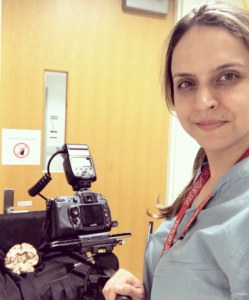
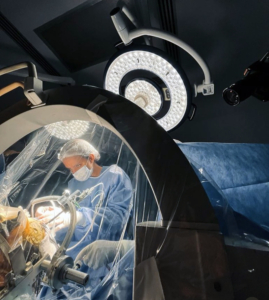
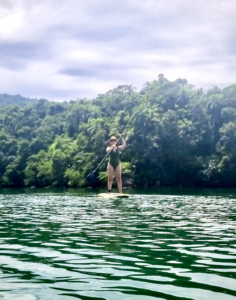
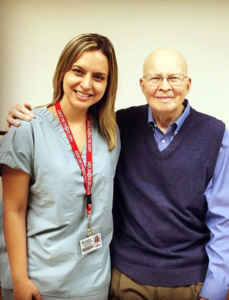
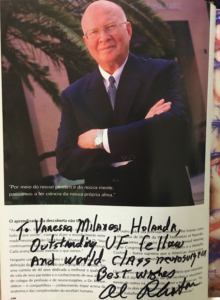
Some pictures that Dr. Vanessa Milanese shared with us after the meeting!