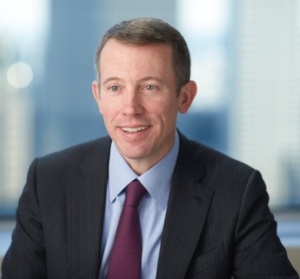
Jim McNasby is the Chief Counsel at the Michael J. Fox Foundation.
#65: Jim McNasby – Transforming Lives with DBS and Advocacy in Parkinson’s Disease
In this episode of Stimulating Brains, we’re thrilled to have Jim McNasby join us. Jim is a deep brain stimulation (DBS) patient and the Chief Counsel at the Michael J. Fox Foundation. Jim has an inspiring story, not just as a DBS patient but also as a legal professional working at the forefront of Parkinson’s research advocacy. We’ll dive into his personal experience with DBS—how it has shaped his life since his diagnosis in 2000 and his surgery in 2019—and explore his crucial role at the Michael J. Fox Foundation, where he helps drive forward their mission to find a cure for Parkinson’s disease.
I had the pleasure of hearing Jim speak at the Neuromodec Conference, where he shared a powerful story of how DBS transformed his life, even showing a video that vividly captured its positive effects (see below). We’ll talk about that, his DBS wishlist, and the work he’s doing to advocate for patients and drive research.
In this episode, we explore his personal experiences, the impact of DBS, and his role in advancing Parkinson’s research and advocacy at the foundation. Jim also reflects on the transformative moment when his DBS was first activated and discusses his vision for the future of patient care and innovation in the field.
Jim McNasby 00:00Why isn't Jim getting deep brain stimulation? Does it matter that I'm at 3.35 milliampere? So if our first concern is always getting to the purest that we possibly can, that is our guiding light. That's the motive, not who gets their name published on the internet. Welcome to Stimulating Brains. Welcome to another episode of Stimulating Brains. Today I'm excited to be joined by my friend, Jim. 01:00I'm joined by Jim McNaspy, a deep brain stimulation patient and the chief counsel at the Michael J. Fox Foundation. Jim has an inspiring story, not just as a DBS patient, but also as a legal professional working at the forefront of Parkinson's research advocacy.
Andreas Horn We'll dive into his personal experience with Parkinson's and DBS, how both have shaped his life since his diagnosis in 2000 and his surgery in 2019. And we explore his crucial role at the Michael J. Fox Foundation, where he helps drive forward. their mission to find a cure for Parkinson's disease. I had the pleasure of hearing Jim speak at the Neuromodek conference, where he shared his powerful story of how DBS transformed his life, even showing a video that vividly captured the moment where DBS was switched on for the very first time. We'll talk about that, his DBS wish list, and the work he's doing to advocate for patients and drive research. Thank you so much for tuning in, Stimulating Brains. 02:01So, Jim, thank you so much for taking valuable time off your very busy schedule to do this. And at this point, I will have introduced you more formally already. So we can directly start with the questions. And let's start with something light. So what do you enjoy in your free time? Any hobbies that help you unwind when you're not working with the Michael J. Fox Foundation? Yeah. Sure there are. I'm a big reader. I'm in a book club, and I read a book every month for that. And I also usually finish one other book a month. So that's a big thing for me. I like drinking wine. Great. I do that with some frequency, but not too much. And I like exercising, and I really depend on it a 03:01lot. I like and things change over time, but the stories are sort of intertwined and it's fascinating. So it's really good. Great, great. Okay, we'll add a link to that on the website. And is it a fictional or is it documentary? Fictional.
Jim McNasby Fictional, okay, got it. All right, but we're not here to talk about literature, unfortunately. You were diagnosed with Parkinson's on October 30 in 2000 04:02and had your DBS surgery, the brain stimulation surgery in January and February of 2019.
Andreas Horn Could you maybe walk us through how you made the decision to undergo DBS?
Jim McNasby And if you want also to talk about, you know, the life with Parkinson's before DBS
Andreas Horn and then maybe after DBS, anything you want to share? Yeah, sure.
Jim McNasby So, you know, I can tell you my Parkinson's story, you know, how I was diagnosed. So I was sitting, I'm a lawyer, and I was sitting in my office in the building I was working in and I was drinking a cup of coffee and I put the coffee cup, my fingers were holding in the mug and I took it up to my mouth to drink and I missed my mouth and I spilled my coffee on my tie. It was irritating. And I thought, hmm, that's weird. But I went back to finish the coffee. 05:02Same thing happened the next day. Okay, wow. So I had two ties were ruined. And I went from there to the nurse's office and I said, I think I'm having a stress-related problem because I think I'm having muscle twitches
Andreas Horn or something like that. Could you please prescribe me some Xanax? And all that. And the doctor said, do you mind if I take a look at you?
Jim McNasby I said, of course not.
Andreas Horn And so he said, I want you to go to a neurologist. And I said, why?
Jim McNasby And he said, because your symptoms are consistent with Parkinson's disease.
Andreas Horn And I said, what's that?
Jim McNasby Oh, well, yeah. I had no idea. Anyway, the next day I went into a neurologist who was a reference for the doctor at the company. And he said, I think you have early onset. Parkinson's. Your walk, which I had not even noticed, is a little bit compromised because your toes are crunched up and dystonic. 06:04You're tremoring and you have a resting tremor as opposed to a constant tremor. And they explained to me what that was. And I was knocked back. I mean, it knocked the wind out of me for sure. Of course. And I had no history of it in my family. I had a vague sense that Michael J. Fox had it. Because the foundation had actually just been launched 29 days before I was diagnosed.
Andreas Horn Okay.
Jim McNasby But I was basically thinking, my life is over. Because I didn't know if it was acutely threatening to your health or whether it would become more chronic. And as I look back on that, I was really surprised. I was really scared. And I was embarrassed too. Because I felt like when you start to come to terms 07:00with the fact that you're losing your control, it's very off-putting. I mean, it's very... Movement is so fundamental that when you don't control it, you realize how much you've been taking for granted for so long. And so, anyway, so that's how I started. And then, you know, I actually moved to Switzerland. I moved to Switzerland for two years right after that.
Andreas Horn Interesting. Why Switzerland?
Jim McNasby I had been working for a company which had a big European operation. And they asked me to be a lawyer over in their new region, which was at the time based in Switzerland. So I did that. And while I was there, I began on sort of, you know, drugs like Selegiline. I think that was the only one that I took because it was considered neurodegenerative. I was still protective at the time. And then when I got back to the States afterwards, 08:00I went on Sinemet. So that was probably, you know, two and a half or three years into the disease. And I was on Sinemet for a long time. And so on to Sinemet, I introduced Amantadine. That helped. It seemed to help a little bit with my walking. Then I introduced Trihexyazine, which I later went off. So I was on that for 11 years. I was taking Coenzyme Q10 for the supplement because there had been a lot of research about how if you took 1,200 milligrams a day of Coenzyme Q10, there might be some beneficial effect. That study actually was not found that there was no effect. For me, you know, what that meant just from a physical point of view was I was taking 27,000, pills a day. Wow.
Andreas Horn Yeah.
Jim McNasby 15 Parkinson medications and 12 supplements. 09:02And I just said, this is crazy. My symptoms got increasingly bad until I, you know, until 2019, you know, points along the way where, you know, I started to become more dyskinetic than relieved. You know, at first, my first Sinemet, my, my symptoms went away and I wasn't dyskinetic and I thought, this is great.
Andreas Horn Yeah,
Jim McNasby of course. That was a very small window of time, a year, maybe, or probably even less. And then, you know, and then when I, when I had the dyskinesia, those were uncomfortable because, you know, you, you feel better than when you're off the medication.
Andreas Horn Yeah.
Jim McNasby But, you know, they attract attention, you know, you, you, you, you, you, you, you, you, you, you, you, you, you, you, you, you, you, you, you, you, you, you, you, you, you, you, you, you, you, you, you, you, you, you, you, you, 10:00you, You know, so anyway, so then after that, I went to my doctor and I said, you know, I'm starting to have some issues with pain. You know, my body is my back hurts all the time from moving around so much.
Andreas Horn And and she said, have you thought about deep brain stimulation?
Jim McNasby And I said, yes, but that's brain surgery. So I, you know, that was literally, you know, as deep as I got. I'm not doing that.
Andreas Horn But I, I, I listened and, you know, my my husband went to a caregiver's conference because we had been involved in fundraising this at that point. And and he said he got asked by a bunch of people, why isn't Jim getting deep brain stimulation?
Jim McNasby 11:00And so I decided to take a refresh. Look. At that. And then the refresh. Look, I became persuaded that, you know, would be good for me. And so, you know, so I began the process of looking for a surgeon and looking for, you know, the prep process. And I was approved in December 2018. And the surgeries were in 2019, two in January and one in February. They the way that my doctor does is he does the right, the left lead first.
Andreas Horn Yeah.
Jim McNasby The second. And then I have two batteries in my chest instead of one. But that's all one surgery. So first, second and third surgery. And I went from taking, you know, twenty seven pills a day to zero. Wow. Which is, you know, I part of that was, you know, that I probably lived for a little bit. 12:00I was trying to show off kind of like.
Andreas Horn Yeah.
Jim McNasby I am. But there was such an enormous. It's such an enormous improvement after I got the DVS that I, you know, it was like winding the clock back to year two.
Andreas Horn Yeah.
Jim McNasby So from 19.
Andreas Horn Interesting.
Jim McNasby Unbelievable. And so I felt like I, you know, I don't need to take any pills. And so and then I did that for for a while. And then unfortunately, then I went on medication. So I went on medication again. So.
Andreas Horn Yeah. So that's very interesting. Thanks so much for sharing that. And then can you maybe talk a bit about exactly that thought process of you heard about DBS early on, but you heard it's brain surgery.
Jim McNasby You put it off. That's very understandable. Then at some point you took a closer look. I'm sure you also discussed this with with friends and with your husband and with, you know, other family members. 13:02I'm sure.
Andreas Horn What were maybe some of the, you know, thought processes that that went on in your head or with others and how, you know, how would others perceive this? Should you do it? Should you not? And, you know, that would be very interesting, too. Yeah.
Jim McNasby It was, you know, a lot of it was getting over the fear. A lot of it. So. You know, I was scared. This. Is going to go wrong. And I figured, you know, I when you when you get Parkinson's. Or at least when I was diagnosed, I thought I am very unlucky. You know, 31 years old.
Andreas Horn How is this happening to me?
Jim McNasby You know, I don't you know, I don't. Except for wine. I don't drink too much.
Andreas Horn Yeah.
Jim McNasby Drugs. I don't. I didn't. It wasn't involved in any violence. 14:00Sports. I didn't do it myself. I didn't do it myself. I didn't do it myself. I didn't do it myself. I didn't do it myself. I didn't do it myself. I didn't do it myself. I didn't do it myself. I didn't do it myself. I didn't do it myself. I didn't do it myself. I didn't do it myself. I didn't do it myself. I didn't do it myself. I didn't do it myself. I didn't do it myself. I didn't do it myself. I didn't do it myself. I didn't do it myself. I didn't do it myself. I didn't do it myself. I didn't do it myself. I didn't do it myself. I didn't do it myself. the symptoms and i thought but then you know i i went to i remember i was i've been very involved in the parkinson's unity walk for many years um and i was walking through the the area where all the sponsors have booze and there was a guy who was standing there and he was he was doing like a party trick he was turning on and off his dbs so people could see wow okay what what it looked like before and after now i don't like to do that because it makes me uncomfortable physically and 15:01i don't i think what if it doesn't come back on you know or something like that but he it was so dramatic and i could actually as i watched him you know and his symptoms would gather and return he started feeling i could feel what he was feeling there's sometimes we get somebody else
Andreas Horn with parkinson's you know exactly what they're feeling or thinking interesting
Jim McNasby because you you experience the same thing firsthand and so um you know it was so i watched that and then i saw him and what i what i started to feel was the relief so he he stood up he got his shoulders went back his eyes and uh you know which had been open started blinking i thought god that looks like it's a relief and so when i saw that um you know i said you know i'm going to have to try this because i you know i you know when you when you're taking 27 pills a 16:02day that i mean you have to carry around like a locked bag you know and so um it was all that put together um and then i also and you know i have enormous confidence in my surgeon and his whole team um and they put me at ease after going through the process and then they had you know a patient you know kind of dinner where they had you know a diet you know a meal you know you know you know a meal you know a meal you know the people who were lined up and trying to decide whether to do it or not and somebody who had done it and you know i had a good conversation there there's a woman who worked at the parkinson's unity walk for many years named carol walton who was a helpful coach for me um and uh and so i you know with all those you know pieces and my family and my spouse and all that um and and then colleagues at work, you know, so I put all that together and decided to do it. And it was, you know, the best treatment decision 17:01I've made in my life. So that's that. I'm very happy to hear that.
Andreas Horn So it would have been one question I'm sure would have asked, would you do it again? So it seems like yes. Can I ask, was it a wake or a sleep surgery? Yeah, I was in twilight.
Jim McNasby I was asleep for parts of it and awake for parts of it. But they told me, you know, they would bring me in and out when they got the lead implanted in the right spot and asked me to count backwards from 100 by 7.
Andreas Horn Yeah.
Jim McNasby And, you know, questions about the weather and the day and all that. And everything was fine, you know. Great.
Andreas Horn Yeah, and very interesting.
Jim McNasby And so your pulse generator was then switched on in February 2019.
Andreas Horn And we met when you gave a fantastic talk at the Neuromodek conference.
Jim McNasby And I heard you, you know, speak about the dramatic effect 18:01that you had on your pulse. And I heard you, you know, speak about the dramatic effect that TBS had when first activated. And even I think you shared a video of it that was very inspiring.
Andreas Horn Do you want to talk a bit about that?
Jim McNasby Sure, yeah.
Andreas Horn So I thought, you know, just, you know, as we were walking out the door, I figured why not, you know, grab, we had our phones with us, of course. And why not capture this on video?
Jim McNasby So we started and we, you know, because you have no medications on the day that you turn it on. And so, or the morning I turned it on, and so I kind of was limping and shaking and, you know, about my worst, you know, and, and then, you know, you know, she turned it on, you know, Dr. Gupta, who is my, Fiona Gupta, who is my neurologist, you know, turned it on. And as soon as the electricity went, I felt like my torso shift, my shoulders drop, the hunch started to recede. 19:01And I sat up and I said, Oh, my God. And that was with one electrode, one side on two independent sides. And I said, it's working on both sides.
Andreas Horn And she said, Yeah, because it reverberates from one side to the other.
Jim McNasby And when she turned the second one on, it was like even more sturdiness. And I had not felt that way in so long. I forgot what it felt like. And I was like, I didn't know how to do it. I didn't know how to do it. I didn't know how to do it. I didn't know how to do it. I didn't know how to do it. I didn't know how to do it. I didn't know how to do it. I didn't know how to do it. I didn't know how to do it. I didn't know how to do it. I didn't know how to do it. I didn't know how to do it. I didn't know how to do it. I didn't know how to do it. I didn't know how to do it. I didn't know how to do it. I didn't know how to do it. I didn't know how to do it. I didn't know how to do it. you know, I'm going to get up and walk down the hallway, you know, because I'm so used to, you know, shuffling down the hallway and banging into things and not being able to turn around 20:03quickly. And it helped with all of that. Now, part of what happened, I think, in retrospect, is I was so overwhelmingly excited about what happened that I got kind of like a placebo type benefit. I was so shocked that I could feel better that, you know, and that I, you know, said, wow, look at me, I even jogged down the hall in the first hour. You're going to think I'm totally strange running up and down the hallway. But for me, I was like in a moment of jubilance. Of course. Yeah. So and so, you know, and I show that video and I'm I'm keenly aware that many people don't have as good as an experience as I had. But when I talk about it, I like to make sure that I note that. But to say for me, it really worked. And it was a game 21:03changer, a life changer. So, you know, and since then, you know, a couple of things have happened, you know, like I, you know, I broke one of my two wires. Yeah, I think you,
Andreas Horn you mentioned that as well. So you were for a while, as you just said, you were completely
Jim McNasby off medication. And I think then it did happen in 2022 that you broke a wire. How did that happen? Or I don't know. But but but here's more of what I think I did. I get a lot of physical therapy. I sometimes go to a chiropractor. I had and I have REM sleep disorder. And in the 24 hours prior to when I realized that I had a problem that I broke a wire, I had gotten a Thai massage, went to the gym, rolled out of bed. 22:04Those three things that I can remember. And sometime during one of those, I think I just stretched the cord and it snapped. You know, and so I didn't know if it was, you know, when I was my head was being pulled over to the side or what it was. But like when, you know, they when when my neurologist turned on the machine, one side was off and one side was on. And so the working side actually didn't make it like if I turn both sides off, it was still doing 75% of the work, I just started to feel bad, which I interpreted as, you know,
Andreas Horn like, how do I do it? And then I sort of copied myself, copied myself, copied myself, copied myself,
Jim McNasby you know one of the ups and downs of parkinson's except then i went in um you know we were up at the at a lake and i tried to get in a kayak which i can do very easily normally i rolled out into 23:03the water oh okay i said this is crazy so i i went up to the house and got my my my i i touch i think it is actually like an iphone that i used to adjust both sides and and it kept one side was going the numbers kept running up and down and i said oh this is terrible something's going wrong although i didn't think i had broken the wire i thought maybe that was you know a malfunction of some sort and so um you know my doctor and the rep from abbott said let's all get on the patient controller conversation facetime type thing um and then they and they said to me okay we're going to remotely adjust your brain so if you can imagine this conversation i'm in the cat skills okay my abbott representative was driving home from his office and so he was in a parking lot 24:07in hackensack new jersey and then my neurologist was in new york city and the three of us were in the same
Andreas Horn And the three of us were in my brain looking at what was going on.
Jim McNasby You know, it was, they were controlling it remotely. And that was, you know, that was, you know, it was not only alarming for my guy,
Andreas Horn is this really happening? Did I fly into the future a hundred years? Yeah.
Jim McNasby It was kind of intimate, you know, because somebody's in your head, literally. And so anyway, so they told me that, that there was definitely a problem with the left side and that I need to come in. And then when I came in, you know, the way that the surgery works is, you know, the first piece is, you know, if the break in the wire was from my ear up to the electrode, 25:03then that's a tougher surgery.
Andreas Horn Yeah.
Jim McNasby If it's from the ear down to the back, that's an easy surgery. And for me, it turned out to be the easy one, which is good luck. And so I had that replaced. And then in January of 2024, I had my other side replaced just because of the normal expiration. So I had that one for five years. And so now I've got one that's a year and a half older than the other, but, you know, they get along.
Andreas Horn Okay. Interesting. Yeah. Very, very, very interesting. Also that it seems like you have such clear contralateral effects, right?
Jim McNasby So one side alone already seems to help both sides quite a lot. And then also very, you know, futuristic to hear you talk about the remote programming. 26:01I think that is currently what Avid is, as one of the three companies quite focusing on as their, you know, as their kind of, you know, their own marketing point or like advanced towards the others. And I can only imagine that felt a bit like back to the future since you work for Michael J. Fox. And so,
Andreas Horn yeah, fantastic.
Jim McNasby You have also in your talk, come up with a DBS wishlist,
Andreas Horn which I found particularly interesting because I mean,
Jim McNasby of course, patients that undergo DBS surgeries are the true experts, not as you know, doctors or scientists.
Andreas Horn So what would you change? What would you wish to change?
Jim McNasby I mean, I think, I think, I think, I think, I think,
Andreas Horn Happy to talk about that for sure. So first of all, I should say thank you to everybody who works on this, including yourself. It is such an amazingly helpful thing for me. It's really, my life continues thanks to you all. But there are things where we can improve, right? 27:03The first thing is, the theme that brought me to this was what I call the precision paradox, right? Which is in doing the surgery, there's so much prep and so much science and so much.
Jim McNasby Since there's the multiple scans layered on top of each other to get the electrode, which is moved in microns.
Andreas Horn I mean, it's just, you know, it's an unbelievable amount of precision to get everything exactly right. And then you walk in the room and the doctor says, how about if I turn it on 2 milliampere? And you say, what do you mean, how about?
Jim McNasby You know, you expect them to say, well, we've put this in this place because this is the specific dose of electricity that we're going to aim at this specific part of the brain. But there's two pieces. 28:01They're not the case. I mean, for sure, there's direction. And for sure, there's a theory about how much stimulation is going to be necessary. But when they're putting in the stimulation, sometimes it's like, I'm going to turn it up until you feel pins and needles. Or I'm going to turn it up until your eyes start to go into nystagmus or whatever. And that, to me, was shocking because it's trial and error. Once you get it in place. Now, again, I would do it again a thousand times.
Andreas Horn That's something you need to be prepared for because I thought they knew exactly why they had put it in exactly what the prescription was going to be and exactly how it was going to manifest itself neurologically. So you're saying the neurosurgeons are doing a good job, but the neurologists still have room to improve, right?
Jim McNasby So the programming. I just talked to Mark McAuley also on the podcast a week ago. 29:01And he said the same thing to other patients as well, to be prepared that the surgery is a single day. But then afterwards, you live with the programming for a long, long time. So that is also a long process. And your point is similar, but also adds to that, that you say there's lots of precision, lots of neuroimaging, recordics and all that during surgery. But afterwards, it's a bit like, oh, let's see. That must feel odd.
Andreas Horn Yeah, I understand that. Yeah.
Jim McNasby So back to the wish list.
Andreas Horn Yeah. Yeah.
Jim McNasby So which is the first thing I wish the batteries were smaller. I make a joke when I put my hand on my chest like this. I said, when I go to clutch my pearls, I can feel both batteries. And I don't like that feeling. It makes me I know it's kind of vain and whatever. But if they were smaller. 30:01And they were rechargeable ones like the new ones that have come out this year.
Andreas Horn Yeah.
Jim McNasby That is a step in the right direction. There are smaller batteries that would last longer. Smart implants, the ones that can read into your brain and measure as well as stimulate, which is good. You know, more on what I would call how they respond to equipment malfunctions. You know, having been through the torn wire.
Andreas Horn Yeah.
Jim McNasby You know, that made me think, you know, what if, you know, it hadn't been a torn wire, which is easy for me to understand. Like, you know, what could you do to educate patients about the potential problems and how to address them, which I think are important. I'd like to know more about the long-term consequences.
Andreas Horn You know, like, you know, what am I doing?
Jim McNasby 31:00I'm not sure. I'm 55 years old. I've, you know, I've had this surgery for five years.
Andreas Horn Am I doing something? Like, am I hooking my brain? Does it matter that I'm at 3.35 milliampere on one side, 3.15 on the other for 20 years or 30 years? And what is the long-term effect of that? And what comes next? You know, do I, you know, is it going to be a long-term effect? Yeah. So, is this going to last for a long time? Is this going to last me until, you know, is, do I follow this by having the equipment removed from my head and go to focused ultrasound?
Jim McNasby I mean, how, you know, just how, you know, some thinking or some studying or some perspective on that, you know, the long-term consequences of this. You know, I didn't spend a lot of time thinking about that. Sure.
Andreas Horn 32:01Yeah.
Jim McNasby But now I feel like, you know, maybe I should have. I don't know anything that's wrong. But, and then finally, you know, it would be great if, you know, having broken wire, there was a way to have it be wireless.
Andreas Horn Yeah.
Jim McNasby And so, you know, you keep the batteries nearby. But, you know, there's a lot of stuff going on.
Andreas Horn Yeah. And so, you know, if the stimulation, which was, I guess, wirelessness is more complicated, but, you know, but that's why smart people do this for a living.
Jim McNasby So, you know.
Andreas Horn Yeah, yeah, yeah.
Jim McNasby No. And I mean, I think the field is if more moving towards putting the battery in the skull, like, so essentially to not have a wire at all. But, you know, that is the direction I know industry is looking into. And then maybe I can also for the listeners. You know. From from from the last point there was one which is that long term so you essentially asked am I frying my brain. 33:06And I think there we can say it's a clear no. So we know we have lots of patients worldwide that had it for long long time 20 sometimes longer 20 years sometimes longer. And nothing of that sort has ever happened right so so I think there. That's the main point where I can kind of tell you and us also maybe listening. kind of tell you and us also maybe listeners that um they're you know good good studies not many but but some studies really about you know very long-term follow-ups um uh for example there's one by the team of elena moro that followed patients over 20 years and have had the outcomes and so on so so i think you know it's been around for a long time so we we kind of know that is not happening now i think a related question you had is what's next or you know how is this gonna um progress and i think that's a much more complicated answer right how long will it give 34:00you the same benefit as it did and there you know i i cannot um tell you anything because that would be different for anybody and you know um but i just want to make i think the one thing i can with good enough data to say clear no you're not frying your brain so it's not like you dvs would give you something early but then you pay the price later i think that that's a clear no yeah right because because you know what what happened to me is i started off with electricity that you know i ratcheted up into where i am today and i've left it pretty constant since then yeah um but i didn't i didn't know if i got myself you know too stimulated but there were consequences then that should have been reduced down to lower because i mean these are we these are really weak pulses right even something like five milliamps or so would would happen in more psychiatric disorders for example in different areas of the brain it doesn't have to do with the fact that it's psychiatric and not neurologic but it's more about the 35:04region of the brain that we are and there's really no um you know no known effect that would hurt the tissue uh with long with stronger um pulses i think the one thing that could in theory happen is that um the radicals form because of the um you know discharge but that's
Andreas Horn why the pulses will always be in
Jim McNasby at zero they will they will you know go in one direction and there's a slow pulse that the total charge delivered is amounts to zero and that's you know we know from animal experience and and your post-mortem studies and so on that there's no you know nothing like hurting the tissue um maybe except the the normal you know gliosis forming around the electrode which is normal would happen with any implant doesn't have to do with the electricity um so i think there's there's good data on that um and uh just wanted to clarify that for the listeners because i mean 36:03patients that might you know think about it might listen to this and i think we can we can clearly say that there's no kind of early reward and then later price involved um yeah all right but i mean
Andreas Horn this was very very helpful and um thank you so much for for sharing um your your story there
Jim McNasby you have your way of sharing um how you were able to
Andreas Horn Maybe also, how did you get to the Michael J. Fox Foundation? You know, what is the mission or your contribution to the mission of the foundation? Yeah, so how I got connected to the foundation was I had always admired what the foundation had done.
Jim McNasby 37:11But I spent the first few years with Parkinson's kind of hiding and not being very public. So, you know, clinical trials were not, you know, what I was too deep in for a newly diagnosed trial by the time I started talking about it. But that's how I think I heard about them first was in the clinical trial context. And, you know, before I do this. Let me start again.
Andreas Horn You know, the first question is, what do I do every day?
Jim McNasby And so, you know, there are a lot of things, a lot of different things. So, you know, the foundation makes grants all the time. 38:06And so I make sure that, you know, all the contributions. And so I make sure that I have the contracts that we have, whether that's contracts from donors who are pledging money to the foundation or contracts with vendors on whom we're spending money, either to provide a service for us or to do scientific research to a grant. That's where most of our money goes to. And so I make sure my responsibility is not to do the contracts, the negotiation, but to oversee the legal impact of the contracts. And so I make sure that I have the contracts on both sides. And we're very closely with our research department, research operations all the time. They're the kind of real experts because they negotiate the individual agreements. But I raise the questions that get answered. I, you know, I advise on, you know, transactions that we might be interested in, whether it's, you know, something like, you know, the Parkinson's Unity Walk. 39:06You know, it decided to wind itself up. And so I went to them and I said, we'd like to acquire your trademarks, which they were just shutting down. So they gave us the, you know, the Unity Walk symbol. And I brought all the trademarks in, the, you know, relationships in. And now we run the walk as if we've done kind of seamlessly transaction in the background. I advise on data protection, you know, because. We have lots of scientists in our own studies who are working with people's data and, you know, how we get consent from them and how that works and plays out in practice. And what we do to, you know, audit our partners and this kind of thing. I work on that. 40:00I work on confidentiality agreements. You know, I work on consortia. You know, we have these. We have a couple of projects where we've picked the genetics. We have a couple of projects where we've picked the genetic mutation. And we are looking at how to address that by bringing together small companies and big companies, actually. Companies of all sizes to share information. Because they're kind of pre-competitive. They haven't developed a drug yet or anything like it. And they're back in sort of in the earlier stages of the development process. But they don't want to lose their intellectual property. Mm-hmm. Mm-hmm. Mm-hmm. Mm-hmm. Mm-hmm. Mm-hmm. Mm-hmm. Mm-hmm. Mm-hmm. Mm-hmm. Mm-hmm. Mm-hmm. Mm-hmm. Mm-hmm. Mm-hmm. 41:11So I use outside lawyers to help me with that kind of stuff. So that's what I do day to day. How I got involved is I had this job, which was kind of my last big corporate job, where I was the general counsel of the risk and insurance services segments of a company called Martian McLennan. It's publicly traded. And I held this role where I was the chief lawyer. I had 400 lawyers reporting in to me. And that was a great job. And then I had a kind of an embarrassing experience. So which is, well, let me tell you what it was, which is I was sitting in a business meeting. 42:05I was wearing a suit. And I started to drool as I was talking. And I was so embarrassed by that. You know, I tried to take my suit and wipe it off the table after I had done it. I didn't know I was doing it. I just walked into my boss's office and I said, I can't represent the company in a good way because I shouldn't have to. First of all, that should never happen. You know, like nobody should have to go through that kind of experience. But it was truly embarrassing. It was an important business person, an important business meeting. And I just said, you know, I need to step down as the general counsel. I mean, there was a lot of other things, but that was the trigger that kind of pushed me to the edge. And my boss, who was the CEO, said, OK, I can accept that you want to step down. 43:05We'll be in a process to. Look for a new lawyer to lead this big team. But here's what I'd like you to do, which is I'd like you to just think about the company. Unless you're telling me you're wanting to leave the company and resign and retire or whatever. Tell me what job you would like to do.
Andreas Horn And I said, really?
Jim McNasby He said, yeah.
Andreas Horn Why don't you do that?
Jim McNasby And you feel free to be creative. OK. So I did. I designed a job for myself, which was four days a week in the sales department. Lawyers always fight with the salespeople because the salespeople always want to sell aggressively. And you know, you can't say that too much. And so I put myself in the sales team, which is all about positivity. There's a lawyer in which can be negativity. 44:03Sure. And then I said, and then I'd like to. I'd like to take the fifth day of the week and work at the Michael J. Fox Foundation as a volunteer.
Andreas Horn Interesting.
Jim McNasby And he said, that sounds great. So we called the Michael J. Fox Foundation and we said, you know, here's what we'd like to do. And so I started volunteering one day a week. And it's just the timing was just right. Literally, I walked in the front door and, you know, legal problems started. Following me in, you know, contract disputes, you know, threatened litigation over, you know, promises we made to a vendor. They thought, you know, all that kind of stuff.
Andreas Horn And, you know, and so about six months later, they said, you know, would you like to come in house and work full time?
Jim McNasby And that was jarring for me because I had not figured I'd keep my corporate job for as long as I had. 45:06And I didn't. I went with it. And that was in the year 2019. I started in 2020, early 2020.
Andreas Horn And I've been just delighted since then. Very interesting. Can I ask, have you met Michael J. Fox?
Jim McNasby Oh, yeah. I'm sure he's still involved. He is. He's involved. You know, he attends all the board meetings. He's very smart. And he's very wise. You know, when he speaks at the board meetings, people listen to him. He has, you know, like he says things like, you know, when we're engaged in our business activities, we need to have purity of motive. 46:01You know, and so and use that to your advantage, you know. So. If our first concern is always getting to, you know, a cure as fast as we possibly can, that is our guiding light. That's the motive, not who gets their name published on which article or that kind of thing. So.
Andreas Horn Yeah.
Jim McNasby And he's the spiritual guy who leads us, you know.
Andreas Horn Yeah.
Jim McNasby I recently watched the documentary on Apple TV Plus. And it was really, really.
Andreas Horn Interesting to see.
Jim McNasby Very inspiring.
Andreas Horn And yeah, really fantastic foundation.
Jim McNasby You know, big thing. He with many others, of course.
Andreas Horn But, you know, he put up there. So thanks also from my side for the work you're doing there. How do you balance your role as first a legal expert, but then also your personal experience as a Parkinson's disease patient when advocating for research and patient care at the foundation? 47:04Does it even play a role?
Jim McNasby Your personal. Experience or.
Andreas Horn Yeah.
Jim McNasby So, you know, for example. When when you were pulling some of these consortia together, each one of them, we write contracts for everybody. The same thing. And I say to people things like, you know, you can have your lawyers spend a lot of time wasting. You know, we're not. You know, my time, you know, responding to individual words or you can try to take to the core of this agreement, which I think I did a good job on. And you can get it and you can share with your legal department. But make sure you do it quickly because I have Parkinson's and my interest to get the document signed as quickly as possible with a minimum of friction. 48:02And so I mean, also, when you're a lawyer, there's certain things when you walk in. You say, you know, I can't do it myself. I can't do it myself. I can't do it myself. I can't do it myself. I can't do it myself. I can't do it myself. I can't do it myself. I can't do it myself. I can't do it myself. I can't do it myself. I can't do it myself. I can't do it myself. I can't do it myself. I can't do it myself. I can't do it myself. I can't do it myself. I can't do it myself. I can't do it myself. I can't do it myself. I can't do it myself. I can't do it myself. I can't do it myself. I can't do it myself. I can't do it myself. done quickly and incorrectly, you know, it makes you see how business could work.
Andreas Horn Yeah. And so, yeah, it's good. Very nice.
Jim McNasby And the foundation is, of course, known for robust research funding and patient advocacy efforts.
Andreas Horn 49:00Can you maybe tell us a bit about the key initiatives that you are personally passionate about that the foundation is doing? Yeah.
Jim McNasby Well, the most exciting thing that we've done in the last couple of years for me is the biomarker.
Andreas Horn Yeah.
Jim McNasby You know, because, you know, when I started to understand more about Parkinson's and about how primitive it is, the science, you know, like UPDRS, it's shocking to me that there wasn't a biomarker. I mean, you know, I always think of it like, you know, with, you know, cholesterol and heart disease.
Andreas Horn Yeah.
Jim McNasby So, I mean, it just goes without saying, you know, high cholesterol equals heart disease. You know, if you get down to cholesterol, you'll bring down your heart disease.
Andreas Horn Yeah.
Jim McNasby But with Parkinson's, it's just, you know, you don't have anything except for the UPDRS. 50:06And what if you're having a bad day or what if you're having a good day or, you know, and, you know, unreliable, imprecise. And that, you know, has manifestations for clinical trials and their drug development and all that. So, when we published this paper that said you could use a seeding assay to, you know, show that you had alpha-3. Alpha-3 in your cerebral spinal fluid, that's a big deal because that's an objective measure that's 90-something percent accurate.
Andreas Horn And, you know, and then that has implications for, so if you are positive for alpha-3 in your cerebral spinal fluid, you know, what does that mean for diseases other than Parkinson's?
Jim McNasby You know, and so, you know, I think the most... you know, exciting stuff is we've brought a sense of objectivity to both diagnosis and 51:08to... we can use that objectivity to start speeding up clinical trials, getting better results, and that's the first step.
Andreas Horn Yeah.
Jim McNasby And then, you know, we're funding a lot of research to try to make this a qualitative biomarker and now we're trying to make it quantitative. And so, we have, you know, large teams working on this. There's programs against the most common gene mutations like LARC2 and GBA. And so, and those are also exciting because, you know, for example, with LARC2, we recently had a meeting where we brought a bunch of different doctors together.
Andreas Horn And I'm going to oversimplify because I don't understand exactly how the science works,
Jim McNasby but the problem with the LARC2... The LARC2 drug is that when... 52:02even though they stop the... they block the genetic mutation, they cause lung problems and Crohn's disease. And so, the question was, how do you develop a molecule that has all of the CNS benefits, doesn't have lung or gastric...
Andreas Horn Yeah.
Jim McNasby And so, the consortium we brought together involved not just neurologists, but also, you know, the people who are studying the disease, but also, lung doctors and gastric doctors.
Andreas Horn Interesting.
Jim McNasby And so, I've never seen anything like that. And then in assembling the scientists who work on the... in the consortium, the Michael J. Fox Foundation scientists who are brilliant and amazing, you know, they know what people have been working on and they read and do research about what's been shelved. And so, they've been shelved in places. 53:01And by word of mouth, it builds the network. And so, you have all these people who have projects that have been set aside because there wasn't going to be a, you know, population of people with LARC2 mutations to test on, but through PPMI, our big study...
Andreas Horn Yeah. Yeah.
Jim McNasby So, we can say, you know, so if you pick up that research, I know you're worried about a clinical trial in the long run. We'll help you with that. But here's three people that were doing something like what you had been doing and you should work with them. And here's a lung doctor that you didn't think of. And here's, you know, a gastroenterologist who you didn't think of. So, you're not just a funder, but also a connector, connectome, catalyst of research sometimes. That makes a lot of sense.
Andreas Horn Yeah.
Jim McNasby It's a unique... It's a unique role because I think...
Andreas Horn Is there a number to this? How much of the Parkinson's research is there? How much of this research is funded by MGFF?
Jim McNasby Well, we spend a lot of money, hundreds of millions of dollars.
Andreas Horn 54:03Yeah. Yeah.
Jim McNasby No, no, no. No, but I meant more in terms of how much of the... Like, how much percent of the, you know, because the NIH would also, for example, fund some... Right. We spend more than the NIH.
Andreas Horn Yeah.
Jim McNasby Wow.
Andreas Horn Yeah. Okay. Yeah.
Jim McNasby It's, you know, and...
Andreas Horn Yeah.
Jim McNasby It's... The... The... The foundation is very unique for a couple of reasons. The first is, you know, it's program ratio, which is how much of its money goes to research out of 100% of the donation it takes in. It's over 90%. Wow. Very few, if any, foundations do that well. The second thing is the foundation does not have an endowment. So it doesn't have a lump of money sitting in the bank and buying the interest. It is taking all of the money it gets every year and pushing all of it out the door.
Andreas Horn Interesting. 55:00Okay.
Jim McNasby So we're not sort of... We're walking the talk and our goal, we say, is to go out of business. We don't need to build a lump of money into perpetuity. We need a cure quickly.
Andreas Horn Yeah, yeah, yeah.
Jim McNasby The way to get that is to, you know, not have an endowment and say, we're not afraid to go out of business because, you know, that's our goal. Mm-hmm.
Andreas Horn Yeah.
Jim McNasby Love it.
Andreas Horn Yeah.
Jim McNasby So culturally, it's a very unique place. And, you know, it's an honor to work there. And with a spiritual hero like Michael at the front who's been through so much, you know, he's been diagnosed for 34 years with Parkinson's. That's unbelievable.
Andreas Horn Yeah. Yeah. Thanks so much for sharing that. At the Neuromodek conference where you gave your fantastic talk and we met, you also
Jim McNasby talked about the importance of the endowment. And I think that's a really important thing.
Andreas Horn Yeah.
Jim McNasby I think that's a really important thing. And I think that's a really important thing. And I think that's a really important thing.
Andreas Horn Yeah.
Jim McNasby 56:23should we do it yeah these things yeah so um the foundation has something called the patients council um excuse me um which is about um 50 people and they're all people who have done who are kind of activists as it were uh some have created uh some are news personalities some are authors who have written books about their parkinson's experience some are um 57:02some are fundraisers some are uh professors at universities they're all kind of influencers um and uh you know it's a diverse group in many respects racially gender ethnicity all that um and what they what we do is we use those people when somebody wants the voice of of parkinson's pit community we deploy them regularly so for example um when a manufacturer of a drug would come up with a television commercial um they would you know do their testing on their end but we would put their ultimate commercial in front of this group of people and give us your impression how does it feel you know the way we depicted the non-motor consequences of tv yeah so did we illustrate 58:06the problem clearly for a tv watching audience how do you feel is this insulting or is this off-putting to you anyway um and those people give so give freely of their time those ordinary people um you know and uh and so and and you know it's a very nice community of people too very you know all you know brought together by the unfortunate circumstance of having parkinson's but all responding by doing something about it you know contributing their ideas their perspective their work etc. That's one thing that we do. We also are advocates for public policy changes, the most important of which in the last year was the national plan to end Parkinson's, which was passed in the House and the Senate. 59:00And we had been campaigning for that, lobbying and grassroots lobbying, being organized appropriately with legal requirements and all that kind of stuff. But to make sure that the government understood
Andreas Horn why Parkinson's is something they need to address.
Jim McNasby It costs billions and billions of dollars to treat people with PD. And so if they could cure it, the medical costs would go down and the economy would be in a better spot and all that kind of thing. So we have organized government relations department, a public policy department that's based in Washington, D.C. And they, with the help of a network of Parkinson's advocates in all 50 states, went to government. And we have a legislative agenda 01:00:00where we want registries for people who have Parkinson's and money for research.
Andreas Horn And the most interesting thing to me
Jim McNasby is the plan. The plan requires the Department of Health and Human Services to develop a national plan to end Parkinson's.
Andreas Horn Yeah.
Jim McNasby So that's great because that means, you know, even though no money is coming, money will come because it'll, supportive research should be chapter one in that report that the government is obliged to create.
Andreas Horn Yeah.
Jim McNasby So, and then, you know, we'll play a role hopefully in the creation of the report, either as a reviewer or as, you know, some of our, some of our representatives, you know, what might even be on the committee itself.
Andreas Horn Yeah.
Jim McNasby And so it's a very exciting time because, you know, we have, you know, a strong donor-based research from the foundation, but there's also a public policy dynamic outside of the foundation 01:01:03which is pushing more attention and resources to finding a cure. And from my point of view,
Andreas Horn that is exactly what you need.
Jim McNasby Because money was progress in this area.
Andreas Horn Yeah. Yeah, no, totally agree. Fantastic overview.
Jim McNasby Thank you. In your DBS wishlist, you also mentioned, I think at least at the talk, that you were giving some future improvements you'd like to see, such as disease modifying capabilities and then gait improvement.
Andreas Horn What do you think the future holds for DBS and other neuromodulation therapies?
Jim McNasby And then maybe relatedly, do you see any, any breakthroughs in the future that might be very promising
Andreas Horn that you've heard of or that you're excited about or? Yeah,
Jim McNasby I should have used gait and disease modification are where I spend most of my mental energy.
Andreas Horn Yeah.
Jim McNasby Because my biggest problems are my walking and my disease progression. 01:02:06Sure. So, you know, and so I do wish, you know, on the wishlist, really, the first two things, on the wishlist, I could say, I should say is, you know, that I want those two situations remedied as quickly as possible. But I, you know, there's not a lot I can do specifically on that. We are looking at gait right now as a place to invest, to research and show that more to come on that, not publicly, but there will be an out there focused area. And then, you know, on disease, modification, you know, I guess the only, if I've got the science right, and please correct me if I'm wrong, the only disease modifying therapy is exercise. And so everything else is, you know, symptom related or not reducing the, the progression of the disease or stopping it or holding it still. And so that's frustrating, you know, and I think that's the, you know, the, the, the, 01:03:00the, the, the, the, the, the, the, the, the, the, the, the, the, but also means that I spend a lot of my time exercising. But no, no, no. In terms of breakthroughs, no, no, no. I, I just, I've been working a lot with this LARC2 project. And I am how it feels as a layman who can't digest all the sciences. If they find a way to get the drug to cross the blood brain barrier drug, to cross the blood brain barrier drug, drug to cross the blood vein barrier the right way and retain its potency in terms of being able to deactivate the mutation in LARC2 and somehow at the same time can address the 01:04:00lung problem yeah the gastric problems like if there's something that even though that's only for a small percentage of the overall population that you'll learn something about you know the blood brain barrier or something very basic that we can then take to every other mutation we find fine and do that so I'm excited to be working on this one you know forward with this brilliant scientist internally and externally it's just amazing to you know sit in a room and hear people debating such incredible concepts and and how bright they are and how many ideas there are and how much vigor and energy there is in the room so you know from my point of view it feels like we're doing the right thing yeah that's great that's great yeah I want to be mindful of your time and you've already devoted a lot of your time so maybe some some rapid fire questions to wrap us up what advice would you give to
Andreas Horn 01:05:00other patients that consider DBS? Look into it and
Jim McNasby you know I think it's a really important thing to do is to look into it and go in with an open mind because it is scary and you know and it's it's it's it's not you know it's not I don't know the best way to say this it's not it's not easy the process as we all say but is very possibly the most important thing you can do you know especially if you're a person who has a long horizon in front of them or you hope you do to me it's you know something you need to explore because it really does work you know you know I was trying to think you know in the last 25 years what's been the most important 01:06:00development or in the history of Parkinson's what's been the most important development and I think it's a really important thing to do is to look into it and you know I think it's a really it's got to be something like the discovery of carbidopa levodopa yeah you know um maybe um you know some of the faster acting longer lasting versions of that but then dbs has to be up there yeah you know most significant answer to cut the conversation short because you're afraid is the is a mistake and you should open your mind and and the fox foundation's got this great guide on our website um which tells the story of various people uh who have you know some people who go ahead with it some people don't what are the consequences with ups bad risks you know yeah and in the aggregate you know it's something that you know helps people a lot and
Andreas Horn should be you know appreciated anyway i linked to that that is a fantastic resource you guys shared
Jim McNasby 01:07:01it up front, so I'll also link to that resource that you put up there. That's a really nice guide. Okay, I'm sorry I turned a rapid-fire question into a long-winded grow hard answer no no no that's that's actually happens all the time these
Andreas Horn questions are sometimes the most interesting ones and and so so feel free to answer as long
Jim McNasby i have time it's it's i'm more worried about your time but what's your advice for professionals who want to get involved in patient advocacy or to work with foundations such as mgff yeah that's a good question um you know pick up the phone is what i would say you know make up you know you can read about things online but you know when you connect with people then you can really figure out whether you can help you know um so for you know we have uh 300 people doing the work that we do um but there are plenty of things and um and especially 01:08:05things like you know putting together a team box um you know racing team to run a five mile race array to raise money or um you know uh people you know and we also we have we're an employer too but there's a lot of things you don't have to change jobs or whatever to come work at the fox foundation there are ways you can contribute and money is really important money equals power Money pools, you get to distract the scientists from what they would otherwise do and work on your problems. We have to do that. And I think picking up the phone is the most important thing because in our age of internet everything, it's nice to make that personal connection and you can feel a personal commitment 01:09:00from that.
Andreas Horn Looking ahead, what do you see as the biggest challenges in the fight against Parkinson's?
Jim McNasby Well, it's where we focus our attention. It's a very complicated disease. It sounds so easy. It sounds like not enough dopamine, you should get the dopamine, that's it. But unlike diabetes, which is much more mechanical like that, you take insulin, you take a lot of dopamine, the problem is reduced or managed better. We have the brain, which is very complicated to protect itself. I think the challenge is going to come from... 01:10:00I feel like one day there's going to be a big breakthrough. I think we're going to have to do something about it. I think it's going to be a big breakthrough and it's going to be on the genetic side and not on the stem cell side, if I can differentiate those two things. And it's just a question of getting enough scientists working on creative ideas and new solutions and all that. Sounds good.
Andreas Horn What's the one thing you hope listeners take away from this episode, from your story and your work at the foundation?
Jim McNasby Well... I think the most important thing that I, you know, that, you know, people can do a lot to help. And, you know, I'm so thankful for this opportunity for me because it allows me to use my strength. It makes me feel like I'm making a difference, even though it's a small difference on the margins. But I'm helping the conversation move forward. 01:11:01And, you know, if I could be, you know, remembered for anything, it would be that I, you know, I had a tough problem, but I dealt with it as well as I could. And, you know, that's all you can do.
Andreas Horn Yeah, and that is very inspiring.
Jim McNasby I can very much say that.
Andreas Horn Yeah. Thank you so much, Jim.
Jim McNasby Last question.
Andreas Horn Is there anything I should have asked but did not that you would have wanted to talk about or so?
Jim McNasby No, I mean, I think I'm honored that you took the time and that I was worth talking to. Because, you know, part of this is, you know, I just I got sick. And so I'm just responding to that. You know, it feels a little bit underwhelming. But sometimes, you know, when I talk to people, I help people or make a difference in their life. You know, I talk to caregivers and say, here's what you can do to help your, you know. 01:12:01Your sick friend or whatever. That makes me feel good. And so everybody who can learn about the disease and contribute to, you know, the profile of the way it's treated. That's a good thing.
Andreas Horn Yeah. And I mean, what I can say, I've interviewed lots of guests on this podcast, including many famous scientists and neurologists and surgeons and so on.
Jim McNasby But the episodes I did with patients were almost always.
Andreas Horn The most interesting, inspiring and insightful for me.
Jim McNasby So I think, you know, you have a lot to share, including with professionals like me or, you know, to. I sometimes say this. I'm not currently seeing patients, but I did. And I would say, you know, many of doctors that would see patients with Parkinson's disease every day and many of them per day. They would rarely stop. 01:13:01And think about the entire story behind the patients just because it's business as usual. I did certain it's, you know, you deal with the problem at hand, you know, the few symptoms that need to be optimized, then you say goodbye again. So, I think even seasoned neurologists might not take enough time to sometimes stop and pause and think about like, think about it, an entire story of, you know, the plannings and the sorrows and the doubts that people have about how to deal with it. the plannings and the sorrows and the doubts that people had before going surgery and so on. So, so sharing that is, goes a long way and I think only patients can. And so I want to thank you again. You're doing a wonderful service to the community by being open about it. And I'm very honored to talk to you. Let me, let me just say thank you because, you know, you've got this in your spare time as a hobby and it's, it's amazing because you're impacting a ton of people and that makes a big
Andreas Horn 01:14:02difference, you know? And so, you know, and to, you know,
Jim McNasby I get paid for what I do.
Andreas Horn Me too. Me too. So, so no, no, there's yeah, you're right.
Jim McNasby This is a hobby of course, but, but it's, it's one where I learn a lot as a scientist and it's part of my scientific,
Andreas Horn you know, growing and so on. So, so I, yeah, it's,
Jim McNasby it's to some degree also part of my job, but I, yeah. Thank you.
Andreas Horn Thank you so much for spending time with me and yeah,
Jim McNasby for coming on the show. Thank you. Thank you.
Click any highlighted text passage to jump the Spotify player to that point. The transcript text is present directly in the page HTML for search engines and accessibility.
Video of Jim’s first DBS programming session