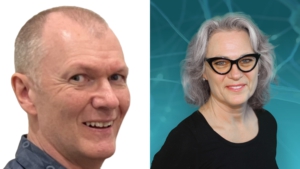
Mr.Mark McAuley (left), CEO of Astronomy Australia Limited, and Dr. Susan Boehnke (right), Associate Professor, Dept. of Biomedical and Molecular Sciences & Centre for Neuroscience Studies, Queen’s University, Kingston, Canada
#63: Mark McAuley & Susan Boehnke – Patient-led Research, Patient-Centered Care and Neuroscience Education
In this episode, we have the pleasure of hosting Mark McAuley, a deep brain stimulation (DBS) patient and the CEO of Astronomy Australia Limited, and Dr. Susan Boehnke, an Associate Professor at Queen’s University in Canada and director of the Neurotech Microcredential Program and the Neurotech Discovery Lab. Together, they’ve been part of remarkable efforts that not only focus on the practical and ethical aspects of neurotechnology but also engage students in real-time research.
Mark brings over thirty years of experience in research and development, with a remarkable track record of securing $300 million in Australian Government grants for major research infrastructure projects. Holding degrees in astrophysics, ancient history, and an MBA—where he was awarded the Vice-Chancellor’s medal as the university’s highest-achieving postgraduate student—Mark was diagnosed with Parkinson’s disease in 2010 and received a DBS implant in 2020. Post-surgery, he’s been a passionate advocate for better patient care and improved DBS programming to enhance clinical outcomes.
Dr. Susan Boehnke completed her PhD in Neuroscience at Dalhousie University and has an extensive background in auditory neuroscience and primate neurophysiology. She led the creation of one of the first non-human primate models of Alzheimer’s disease and established Canada’s first non-human primate biobank. In response to the explosion of interest in neurotechnology, she’s now pioneering a micro-credential program in neurotech and exploring the ethical issues surrounding it. She’s also leading the Training Committee for Connected Minds, a significant research initiative between York and Queen’s Universities.
At the recent Neuromodec conference in New York, Mark and Susan presented their work, which emphasizes patient inclusion in research—a theme Dr. Boehnke passionately advocates for—and provides transformative learning experiences for students. Today, we’ll dive into their journeys, the science behind their projects, and explore potential insights into the future of patient-led research and education in neurotechnology.
Mark McAuley & Susan Boehnke 00:00It's quite interesting to change your EBS settings and just again, to change your personality and motor ability. This could be something, one way that patients could get more input into the research directions. I guess I want to just learn more and also try to help others. They're getting an incredible educational experience because they're getting the neuroscience aspect from me, but they're getting this incredible mentorship from an industry leader from Mark. Welcome to Stimulating Brains. Hello and welcome to another episode of Stimulating Brains. 01:06Today I have the pleasure of hosting Mark McAuley, a deep brain stimulation patient and the CEO of Astronomy Australia Limited,
Andreas Horn and Dr. Susan Boehnke, a researcher and educator at Queen's University in Canada. Together they've been part of a remarkable study that not only focused on the effects of DBS on Parkinson's symptoms, but also on the effects of DBS on Parkinson's symptoms. They've also engaged undergraduate students in real-time research. At this year's NeuroModec conference in New York, I had the opportunity to see Mark and Susan present their work, which involved a highly innovative project. Using cutting edge tools like VIA3D MoCap for gait analysis, FNIRS for neuroimaging, and KINARM assessments for motor cognitive function, they explored how adjusting Mark's DBS parameters affected his gait, speech, and sensory motor performance. But the key point to highlight here is that this study was conducted in a very innovative way. The study was initiated, planned, and executed by Mark as both the patient and lead investigator, 02:02together with the group of undergraduate students that took the course at Queen's University. Their study is a brilliant example of patient inclusion in research, a theme Dr. Boehnke passionately advocates for, and it provided a transformative learning experience for the students involved. So today we'll dive into Mark's journey living with Parkinson's disease, undergoing DBS, and his experience behind the project and the potential insights into the future of patient-led research in neurotechnology. Thank you so much for tuning in, Stimulating Brains. Great. So Susan and Mark, thank you so much for joining us here today at Stimulating Brains. And I will have introduced you by now already, so we can dive in. So we can jump right into the questions. And as you know, I often start with asking with an icebreaker question about hobbies. 03:02So we can maybe start with Mark. As CEO of Astronomy Australia Limited, you have a unique insight into the acquisition of large and complex science equipments. What does your company do? And then if you want to also talk about your free time, feel free to do that. Thank you, Andreas. The company, well, I guess the model is that the universities in Australia, they really have to collaborate to be involved in big science projects. So large physics experiments, or indeed astronomy, we need access to large facilities, billion dollar telescopes. Well, it's really from maybe some institutions, maybe in the US, can't afford to do that just by themselves. But most institutions around the world, certainly in Australia, we really need to collaborate.
Mark McAuley & Susan Boehnke So it's a case of going to the Australian government in terms of fun, most for big science projects. And certainly we've got 10 universities involved. 04:02It's a 10 year project. And we're going to be a partner in a billion dollar facility. You don't make the numbers work. Or if it's Melbourne University, they want to buy themselves a billion dollar telescope.
Andreas Horn Well, who's going to fund it?
Mark McAuley & Susan Boehnke So it really gives you a way of those universities collaborating, working together. And then we would also do the representation on international boards and committees and that sort of thing. So you unionize the universities to buy fancy equipment, like very expensive big telescopes.
Andreas Horn Yeah.
Mark McAuley & Susan Boehnke Actually, it's not just the fancy equipment, though. It's also just sometimes you get niche equipment that can be complex or difficult to use. And some of the other things we do is fund computing expertise, for example. So we have national access to software, and we have teams of software engineers. So if you're an astronomer, you want to have you optimize your code for simulating some galactic dynamics issue on the latest HPC cluster. 05:02But you actually might not be an expert in computing and you need someone to help parallelize the code, that sort of thing. So it's not just big equipment. It can be niche skills. You can build bigger teams if we're all collaborating together. Whereas each researcher is trying to get their own postdoc to do it. It doesn't quite work as well. Sounds great. And you founded this company. That's really cool. Have been the CEO for a while.
Andreas Horn And then hobby-wise, do you want to share anything that you do in your free time?
Mark McAuley & Susan Boehnke Oh, yeah. Look, I mean, I do like astronomy. I've always been passionate about astronomy. So I'm actually taking the odd astro image myself of some night object in the night sky as fun. But really, it's just spending time with family. I love spending time with my wife and my kids and my family. And I love that. My kids and my kids are getting a bit older. And one's almost 18. The other is 14. So they don't quite want that around as much. We still have lots of family holidays together and just getting a bit of time at the weekend. 06:01I still have my wife and play a couple of board games. Just have a chat. That's probably the main thing I try to do. Great.
Andreas Horn And Susan, what about you? What do you do when not leading teaching projects, research projects? What do you do then?
Mark McAuley & Susan Boehnke Oh, well, yeah. Well, my husband and I are both in astronomy. Well, my husband and I are both neuroscientists. So talking about the brain never really ends in our household, much to the chagrin of our children. But yeah. And with that, along as with what Mark said, most of my spare time is spent with my family, my husband and my two twin boys, my amazing twin boys who are turning 18 years old tomorrow. Wow. So for many years, we were a sailing family. We had a 46-foot Beneteau down in the Bahamas. And so we spent a lot of our family holidays doing adventure sailing down there. And that was a lot of fun for a while until COVID hit. And then that became quite unruly. So we packed that in. And now we purchased a beautiful cottage just north of Kingston, Ontario, which is a beautiful part of Canada. 07:07And so we spend a lot of our time, at least this past summer, on the dock or hiking in the woods behind our place.
Andreas Horn Oh, fantastic.
Mark McAuley & Susan Boehnke So you traded. You traded Canada lake house with the Bahamas. I don't know if that's a good idea because you live in Canada already, but it sounds fun. Both sound amazing. Much more practical. I'm sure. All right. So this is a very special and unique episode, as you know, and I'm super excited to get to talk to you. We can maybe start a bit with Mark and his DBS journey.
Andreas Horn So, Mark, could you? And I'm asking this as openly because I know you're open about these things, of course. Could you tell us a bit about your experience living with Parkinson's disease and then also the decision to undergo DBS surgery? What were maybe key factors that, you know, to make that choice? 08:01How difficult was it? Anything you want to share? Yeah, like I'm happy, happy to be open.
Mark McAuley & Susan Boehnke I think it's important to share these things. Parkinson's is not a well understood disease in the community and people often don't talk about these things enough. So I do think discussing them helps people understand it a little better and maybe be more accepting. But yes, I was diagnosed with Parkinson's when I was 40. My daughter was two months old. My son was three years old. And that was not great timing. You know, it was a real shock. Excellent. And my wife's a medical doctor. I can remember when she was being diagnosed. She could tell what the thing is. She sort of clicked watching the neurologist do the different tests.
Andreas Horn And of course, she was sitting there quite upset that I didn't know what was going on.
Mark McAuley & Susan Boehnke I knew that she realized what the neurologist was saying about it was. 09:02And it was Parkinson's disease. So I can remember going home, having a good cry that night, actually. And getting up the next morning and thinking, OK, so I'm going to make my wife and I'm going to make my two children very proud of how I cope with the situation. And I couldn't really think of anything else better to do. So obviously, it's not a nice hand to be dealt. But the best you can do is play that hand as best you can. So this is the start. And really for the subsequent many years, I saw that, you know, I've been neurologist. I'd see him every few months, every four months. He would assess how I was going. And every now and then, tweak my medication. And that was fine. Things kept going fine. But the first five, six years, really, the medication kept things very well under control. And then after about six, seven, eight years, we started to, you know, the medications weren't quite as good. 10:02Still, I mean, the medication, if you're getting the right medications, the right doses, the right combination, the right medication, the right medication. They're very, very impressive. But then afterwards, you know, eight years, you're getting the medication-induced dyskinesias. And that can be quite uncomfortable. And by about nine years, it was really getting to the stage where I just wasn't getting enough support from the medication. And I was literally getting quite close to thinking I'd have to give up work. I was getting ready to retire because of ill health. And I never really did. I didn't. I didn't do practical things like going out for dinner with my wife. We could not. We still looked at restaurants. We couldn't do that because if you were on medication, you were not supposed to, you know, eat for an hour before or an hour after, you were taking those medications every two hours, that means there was no time to eat.
Andreas Horn And you were doing it at a restaurant, like, can you deliver the meals at ten past five?
Mark McAuley & Susan Boehnke 11:04You just practically couldn't do it. So you just stopped going out together for meals sort of thing. meals and this sort of thing. And it might sound trivial, but it was actually just the lifestyle stuff. And you couldn't reliably speak at times. I couldn't get up and give a presentation at work because maybe I'd be a bit off at that time. So it's just really getting to this stage was really impacted on life. And so in a sense, the choice to have DBS wasn't that difficult because, you know,
Andreas Horn what else was I going to do?
Mark McAuley & Susan Boehnke And although I wasn't, I was obviously not looking to volunteer for brain surgery. It's not, you know, it's not a pleasant thing to have to think about. But when I looked at my life, I thought, no, if I want to, you know, my kids were at, my kids were about 10 or 14 by that stage. I'm thinking that I've got to, I've got to do something.
Andreas Horn And so, yeah, having DBS turned out to be
Mark McAuley & Susan Boehnke not a difficult choice, not a pleasant choice. The one thing is though, I'd say, 12:00it was actually general happened at the DBS process, at the start of COVID. So it was, I had my DBS May 2020, and of course late February, March 2020, when COVID hit. So I was all lined up to go. I had a very good medical team in Melbourne looking after me, very good doctors. And, but it was about March and they said, look, I'm sorry, but all elective surgery's been called off. And so, you know, we'll have to just try to revisit in some other time. And I'd been booked in, I was booked in for the 14th of May, I think it was, something like that. And so I was a bit disappointed, and obviously with COVID, and then a week before my surgery duty, and I get a call from my neurologist. And I was just in a short break at a work meeting, and takes the call and he says, look, we're back home, we can do some, some patients.
Andreas Horn And are you interested and available?
Mark McAuley & Susan Boehnke I said, yes. And this was, okay, we'll do the operation, like, I don't know, six days time. And so that was, that was all a bit much. 13:01And, you know, I had probably one bed prepared for it, and I had to quickly, I dialed back into the board meeting I was in, said to the board, look, sorry, I'm back on for brain surgery. I have to take off, this'll be my last day of work.
Andreas Horn And they're like, what?
Mark McAuley & Susan Boehnke And you know, cause I've been the CEO of the company, sometimes things to work at home. So it was all a bit of a rush, and it was hard at that time to go into hospital, not be allowed visitors and stuff like this. So it was quite a, I guess quite a stressful experience from that. But, but the actual, that was the right, the decision, and it wasn't that hard to make in the end.
Andreas Horn Can I ask, was it a wake or a sleep?
Mark McAuley & Susan Boehnke Oh, it's a wake.
Andreas Horn Yeah, pretty wake, actually.
Mark McAuley & Susan Boehnke I must admit, to hear the, to hear the drill that they were about to take to your skull, you didn't even hear the drill. And that's where, there's no actual pain by that point, and because they put in the local anesthetic, but it's still, you're lying there, 14:01with your head clamped in position, getting a drill taken to your skull. It's all a bit, oh, hang on,
Andreas Horn but of course there's good reasons why they do it awake,
Mark McAuley & Susan Boehnke as you know. And I think it's probably more normal now to still do the procedure asleep. But this was about four, four and a half years ago. I mean, it's still mostly done awake, I think. But, and the amazing thing is, I can remember when they put the, the first, like it's just the first test, like through the test wire, and that because you're quite de-used, you know, with all the local anesthetics, you know, reasons why they do it that way, because, you know. And I think it's been more normal now to do the procedure asleep. But this was about four, four and a half years ago, but it's still mostly done awake, I think. But the amazing thing is I can remember when they put the first, like it's just the first test electrode in, the test wire. And that's because you're quite sedated, I thought the local anesthetic, they've literally got you quite de-used. And next thing, when I felt this, something, I didn't feel it, but I just saw something switched on, and that's when they got the wire down to the STN, really, it just kicked in, and I was alert. I went from being so, so de-used, to being completely alert, completely awake. And I'm looking around me, wow, and I wanted to talk to people, because I was lying there, a bit bored. And I can remember, and I'd agreed to do, 15:02they were taking some recordings, because it was part of, they also had agreed to be part of a research project, and they needed about 10 minutes to do some recordings. And so I called, I said to this neurosurgeon, I said, because he wasn't actually doing anything at that point of course, while they're taking recordings, and so I started chatting away to him. And for some reason, I think it was our kids were both at the same age in high school, or something like that, and I was saying,
Andreas Horn oh yeah, my son, he said,
Mark McAuley & Susan Boehnke he was doing his maths class, and they had derived the, derived the equation, for the surface area of a 50 cent coin, like a do decadent, a 12-sided shape. And so I barely, I don't quite remember this, apparently I then derived out verbally the equation for a 12-sided shape, for the surface area of a 12-sided shape, while just, tell me, sitting there and going, while he was lying there during the operation. And he said to me, he said to my wife afterwards, when I had the phone by myself,
Andreas Horn oh yeah, Marshall, well, and the surgery is all over.
Mark McAuley & Susan Boehnke 16:00And he said, and I've never had anyone like derive the, the equation for the surface area for a 12-sided shape. I don't know. I don't think he's not gonna cry for life.
Andreas Horn I was just gonna say, what?
Mark McAuley & Susan Boehnke Maybe it wasn't.
Andreas Horn Yeah.
Mark McAuley & Susan Boehnke But something's weird, Nicky, there's something switched on. He was like, I was, like, obviously I don't really know, because this is all my memory of how I was feeling halfway through the year. But his comments to my wife, I think sort of, give me some sense that what I'm saying is true, but it felt, I was, you know when you get a bit younger, if you go to Bath, like you guys, you get older, the, the, the metal arithmetic doesn't quite work anymore. When you're 18, you can still do it really sharp. Like I just switched to, I felt, it felt, I wouldn't say it was, but it felt like really sharp and that sort of math, clear thinking logic. But I mean, that's how it felt. So I don't actually have bad memories of the operation, but it is a bit, a bit, a bit weird to think about.
Andreas Horn Yeah, interesting.
Mark McAuley & Susan Boehnke I mean, you, you are a physicist, but, and, and so I, so I assume you, you, you, you can derive these equations, 17:02but, but. You know, maybe they were at a site where, that we would use for cognitive enhancement in that moment.
Andreas Horn No, but I'm, I mean, joking aside, very interesting.
Mark McAuley & Susan Boehnke I mean, I, I do believe I've, you both know Ben Stecher. I had him on the show as well. He sometimes described the effects of DBS also as liberating,
Andreas Horn not just in a motor domain, right?
Mark McAuley & Susan Boehnke Where you feel maybe like in a core set, sometimes not being able to move, but sometimes also on a more cognitive domain, liberating. So, so maybe something in that direction fits that description.
Andreas Horn Yeah, look, I mean, I wouldn't, I wouldn't,
Mark McAuley & Susan Boehnke I'm not claiming it's long lasting or anything like that, but I just had a, I mean, I guess, but after the operation, yes, there's, there's, it's not just hard impact on your movements, which is what people look at and measure and see. It's hard impact on your mood as well. I'm very conscious of different DBS settings, kind of all different emotional reactions. 18:02So one needs to, I guess, like any medication, I try, I think about like medication, different, different DBS dose, like trying a different medication. And one needs to be very, very careful. And one often needs to just watch,
Andreas Horn yeah, one shouldn't self-medicate in that sense.
Mark McAuley & Susan Boehnke So even though I'm a big advocate for thinking about how patients can get involved in research, you do it in conjunction with your doctor, not, not opposed to the doctor. I think it's very, very important to be very wary. But you know, it does affect, though, how you think about it. You think about things on your look, a thing. It's a bit of something.
Andreas Horn Interesting. Yeah. And we'll get to that in a bit anyways,
Mark McAuley & Susan Boehnke but maybe as a last one or two questions, now that you have done DBS surgery,
Andreas Horn first of all, would you do it again?
Mark McAuley & Susan Boehnke And then second, how do you see yourself now with, you know, electrodes in your head, living with that on a daily basis, and then maybe also your, you know, 19:00your family or friends,
Andreas Horn do they play a role at all in your day to day or not really?
Mark McAuley & Susan Boehnke Look, it's, they're all good questions. So I guess, well, look, yes, it does play a role, obviously, in many ways. So just my estimate, now that we've got the programs, the DBS settings configured in a way that works quite well for me, that obviously is my health point of view, and I'm still working, for example, I was four or five years ago, I was getting ready to quit. So I think that's, from a health point of view,
Andreas Horn you said, would I do it again?
Mark McAuley & Susan Boehnke Definitely. I mean, it's sort of, it's definitely, I don't know, I'm not going to say there's risk with any operation, but the risk is relatively small, I think, with DBS operations. And whereas the return for me has been huge, huge return.
Andreas Horn Does the role play that?
Mark McAuley & Susan Boehnke I guess, like, I mean, it's sort of,
Andreas Horn it can be a bit interesting when you're trying to walk, I mean, it's sort of, it can be a bit interesting when you're trying to walk, 20:00I mean, it's sort of, it can be a bit interesting when you're trying to walk,
Mark McAuley & Susan Boehnke through a security setting at an airport. My son and I, we like going to the Soccer World Cup, and going to the last World Cup on guitar, and there's very strict security to go in, and you're explaining, no, you can't go through the metal detector. And I can remember they asked why, and I showed them, well, this DVA, I've got a deep brain stimulator. And they looked at it, and they looked, they could see the bumps on my head where the electrodes was at. And you'd see that look of slight shock, and that, quite sure, how to react. So, I mean, that's a simple little example. But I do think it's, the fact that I've got Parkinson's, and I've gone five years to go ready to quit one, to today, being able to function very well, is, it's something I think is important, and has changed my focus and what I want to do. So I'm quite happy to spend more time actually advocating for patients, but also, 21:00not even advocating for patients, just trying to share the story, because I do think it's important to share these medical, I guess, as a medical success in some ways. And obviously Parkinson's, it's keep progressing, but it gives me a new lease of life. And I do think I'm trying to use that to do something good, because, you know, it's giving me a second chance, but it really does, you know, your body deteriorates, and then you get a real burst, and you can keep going for another few years, well. So it's important to try to do something. So it has changed how I think about things, I guess. And it's also changed with the DBS setting changes.
Andreas Horn I mean, it's quite interesting,
Mark McAuley & Susan Boehnke that you can change your DBS settings, and just like you can completely change both personality and motor ability.
Andreas Horn And therefore, the one that stops, and you've seen this this week as well, but you really do think, wow, what does it all mean?
Mark McAuley & Susan Boehnke And you look at all the people and judge people based on who they are, and you think,
Andreas Horn oh, is that just me? 22:00Is that just a couple of neurons inside the brain wired slightly differently?
Mark McAuley & Susan Boehnke You know, it just makes me think about them, what it's like to be a, what personality means, for example, but how we judge each other. And sometimes you judge me like this, and I'll just tweak my settings, it'll be slightly different or slightly easier to move. Or how people judge is, you know, people, you walk into a pub and you're staggering a bit, and your speech is a bit slurred. Oh, you must be drunk. No, well, he's not drunk, but he's just got Parkinson's. And he's sort of, so how people from a social point of view react. So yes, I think it definitely, it definitely changes how I think about things.
Andreas Horn Yeah, it makes sense.
Mark McAuley & Susan Boehnke It was a profound conversation we had when he talked about how on this one setting, he didn't know, you know, he was so calm and he felt sort of slightly less emotionally reactive. They're different from, he's an Irishman.
Andreas Horn So, I mean, he can be mercurial, but, 23:00and you felt that that was, you know, calm. And you actually question like, is this me? Is this the real me? Or is this the DBS me on this setting? And it really raises that neuroethical issue of identity. And what does it mean to have these implants, to have them become part of who you are?
Mark McAuley & Susan Boehnke Absolutely agree. And we had the conversation together with your students recently. And I think that's something similar also, that sometimes under some settings,
Andreas Horn you're a bit more irritable as well, right?
Mark McAuley & Susan Boehnke So there, it's not just more calm. Sometimes there are also, let's say adverse or like,
Andreas Horn I mean, yeah, probably adverse effects is the right word here, right?
Mark McAuley & Susan Boehnke But under some settings- Or a little manic.
Andreas Horn Yep, oh yeah, that, yeah.
Mark McAuley & Susan Boehnke There's one set we explored where I was definitely manic.
Andreas Horn And I am, yeah, but then you sort of think, hang on, which is me? Is the slightly irritable actually the real me?
Mark McAuley & Susan Boehnke And the slightly, you know, 24:00I'm probably too calm. So I don't just assume that the one that gives me the best result is actually, you know, playing to who I am.
Andreas Horn But yeah, what's the million?
Mark McAuley & Susan Boehnke I like all the marks.
Andreas Horn Yeah.
Mark McAuley & Susan Boehnke So far, me too.
Andreas Horn I, yeah, absolutely. So this is, thank you so much for being so open about this.
Mark McAuley & Susan Boehnke I totally agree.
Andreas Horn More advocacy is fantastic,
Mark McAuley & Susan Boehnke especially from patients like you, because I can only imagine if I were a patient, that's the primary source, I would want to hear it from, not from the doctors, certainly not from the companies, but from fellow patients. So, you know, thank you for, you know, using your time, a part of your time to do that.
Andreas Horn It's really fantastic.
Mark McAuley & Susan Boehnke But you do so much more, Mark. And I think in comes Susan's role, and maybe we can turn to you a bit, Susan. You, so we met at Neuromodic in New York, and I learned, like you both had talks there. I kind of learned this fascinating project that you're on together. 25:00And Susan, I think it started with you designing this project. Or sorry, you setting up a Neurotech microcredential course at Queen's University.
Andreas Horn Can you maybe tell us about that course to begin with, what that is? Yeah, sure. Thanks so much for giving me the opportunity to share about it
Mark McAuley & Susan Boehnke and for having us on the podcast. So the Neurotech microcredential program, it really stemmed out of my burgeoning interest in teaching about Neurotech. I came to Queens as a podcast, and then I got a job at the New York Times. So I had a really good time there. So I started at DB Queens as a postdoc about 20 years ago doing monkey neurophysiology and eye tracking and a whole lot of Neurotech devices. And then I started noticing that they were being used in areas like neuromarketing. And then consumer Neurotech started coming out with these EEG devices. And I thought, wow, this is like really intersecting with society in ways I never imagined it would when I was a trainee. And so I started teaching about things like that, in courses I was teaching, upper level neuroscience courses. And I thought it was 26:05fascinating. And I think students thought it was as well. And it really started making me think about transdisciplinary teaching. The fact that to understand something like, let's take the example of neuromarketing, you've got to understand the business side of things. So I partnered to teach that lecture with a guy from the business school, who is a marketing professor, and started to bring together and bring, he would bring some business students over to the lecture, for instance, and they would be interacting with neuroscience students. So I started thinking about these things about 15 years ago. And, and, you know, with the increasing advent of BCIs and DBS, and, and everything, it just seemed, I think, thought that students really, there was, there was lots of learners that were interested, but they all had gaps in their knowledge. So you might have engineering students, which obviously, we know, are very important in the field of neurotech. You know, Elon Musk's family, as he said, he'll only hire engineers, and neuroscientists, 27:02he probably doesn't need. But, you know, the engineers lack the neuroscience knowledge. And that the realistic, you know, biological basis of the brain, that it isn't like a perfect
Andreas Horn system that always operates exactly the same in different individuals. And, you know, there was
Mark McAuley & Susan Boehnke life science students, or health science students, or like pre-med type students who had, you know, were, hopefully unprepared with the technical skills. But they might have been really interested in neuroscience in the brain. And of course, you had then business students who were interested in the entrepreneurial aspects of this, because they could see it was an emerging industry. But they didn't maybe have the technical or neuroscience understanding. And then not none of them really had any opportunity to learn about the neuroethical issues, even though that field was also emerging alongside all of this. And I thought, how do we like create a program that sort of fits
Andreas Horn all of these? And I thought, how do we create a program that sort of fits all of these? And I all of these things. And, you know, I didn't really know quite how to approach it. But I got a SSHRC grant, which is a Social Sciences and Humanities grant, to host a conference where I thought I could bring together people from professors from the different departments, industry leaders, policy people. And we called it the Neurotech Future: Ethical, Legal, and Policy Issues. And we were going to have this in person. And I got this grant back in 2019, and then of course the pandemic hit and we ended up having it on Zoom,
Mark McAuley & Susan Boehnke 28:26which was great. And just remember back then when Zoom webinars were like a brand new thing. And that was great because we actually had more reach. And we had, as part of the goals, the overarching goals of that grant was to ideate what a program might look like. And so I pulled together in a workshop lots of people from different departments and we thought, oh, maybe we could take a course from electrical engineering and a course from neuroscience, and it turned out it just wasn't going to work. They weren't designed to work together in any way. They didn't have 29:02prerequisites. It was going to be extremely complicated. So I left that quite dismayed that it wasn't going to be easy. And then all of a sudden, I don't know if you know, Graham Moffitt, he used to be the CTO for Interaxon Muse, you know, the Muse headband. He's a Canadian. And he was a key industry advisor I had on this, on this brand, actually, initially. And, and he said, Hey, there's this funding opportunity from the province of Ontario, they're looking to create new micro credential programs for emerging industries. And he said, that's what you need to make. And then anyone can take it from anywhere. And I thought, Oh,
Andreas Horn well, that's interesting. Okay, so I applied for the grant, and we got it.
Mark McAuley & Susan Boehnke So they, and this required that we have some kind of an industry or nonprofit partner. And I partnered with NeurotechX, which, of course, was out of Montreal, so a Canadian nonprofit that had been growing like crazy at that time with chapters popping up all over the world for neurotech enthusiasts to sort of innovate together. And they have student 30:07clubs, and I had been working with a NeurotechX student club here at Queen's University.
Andreas Horn And that was really my inspiration as well. These were a lot of engineering students. And they'd said, I said, Oh, hey, like, you guys actually need some neuroscience lectures? They said, yeah, that'd be great. Like, we can't access your neuroscience courses.
Mark McAuley & Susan Boehnke So I started giving sort of neuro 101 to engineers. And that was really how it began. So we started, got this funding, I suddenly had to bring together really top postdocs who had the expertise in these different, different aspects, technical aspects, neuroimaging, neuroelectronic recording and processing. And we had zoom meeting after zooming all through the pandemic, starting to create this, these online courses. And I partnered with our office of professional, educational scholarship and professional development, 31:01OpDes, one or the other. And they had been making online courses at Queen's University, which actually has the first all online pre-med sort of Bachelor of Health Science program. And we've been working on that the last 10 years. So we had really gained a lot of expertise of making high quality online courses. So we created a course called Neuro-Nur-Op, which is a course that's really about learning how to do things in a way that's not just a physical thing, but it's a very personal experience. And I was able to do that with a lot of people. And I was able to do that with a lot of people. And I was able to do that with a lot of people. And I was able to do that with a lot of people. And I was able to do that with a lot of people. And I was able to do that with a lot of people. And we have now three courses that have been running for a year. The first is the neuroscience and neuro-tech primer, and the second is neuro-electronic recording and processing, which was developed by Gerard Leary, who had done a PhD in neuro-engineering at U of T, University of Toronto, and now has his own neuro-tech company, and, and a couple of other postdocs who were from Western University in London, Ontario, who helped create the neuroimaging course. So we launched those three courses, launched the program because the grant had quite 32:00a timeline. But the jewel of the program was really to create neurotech teaching labs where students could come on campus after they had taken some of these online courses and then really get their hands dirty with the equipment itself and actually learn what the limitations of it were, how you actually get good clean data, all the noise issues, they could actually put what they'd learned into practice and do that in a project basis. So we called this a capstone project course. And so we hosted our very first one this past May. And it was an experiment in teaching, to say the least. And we had people come from all over the world, Australia, because Mark was there, of course, Israel, Roy, we came from Israel, Anastasia from London, England, and a variety of people, students. And we had students from our local area. And it was an amazing experience. It was. I mean, I have to say, it was not just the capstone, the whole micro-credentials course. 33:00I've taken the first three units, and it's a proper high-quality university-level course. Sometimes I find when one looks at online courses from universities, they don't quite always capture that standard you expect. This one does.
Andreas Horn And then the capstone project itself was fantastic. I learned lots. But it wasn't just the quality
Mark McAuley & Susan Boehnke of the actual course. It was the environment. It was a very welcoming, warm, nurturing environment. You felt like, I think we all felt very, very warm and happy and settled here for the two weeks we're here. And also, as a patient, I mean, I rocked up with Parkinson's. Like, you know, I had never felt so welcome and so comfortable as being. It just wasn't an issue. It was good. It was amazing how when you throw a bunch of strangers together in a room and you say, OK, you're going to be here like 12 hours a day. We're going to have like you're going to be living in residence together. You're going to be working in the lab, eating meals together. 34:05People bond very tightly. It was like summer camp.
Andreas Horn And people were crying the last day when we left. And it's two weeks, Susan? Yes.
Mark McAuley & Susan Boehnke Two weeks. OK. So people take. An online course that's a bit longer and then they they meet together.
Andreas Horn And I mean, what impressed me is the equipment you bought for this, right?
Mark McAuley & Susan Boehnke So so you have top level equipment. Was that all part of this grant or can you talk a bit about.
Andreas Horn Yeah.
Mark McAuley & Susan Boehnke So the devices you bought. You know, in a way it was a teaching grant that I kind of was able to transform the budget to make it a bit of an equipment grant.
Andreas Horn So we were able to bring in, yeah, like a Nirex,
Mark McAuley & Susan Boehnke a Nirex system. We also have a variety of EEG tech. G-Tech has been a supporter of the program and we got an education box from them so we could have multiple students using different EEG devices. Of course, Muse devices, the Muse sleep device and different things like that we have as well. 35:05But of course, we have already some core equipment that we use in this as well. One of the there's two companies here in Kingston. That's at Thaya Markerless, which is really top notch. Markerless motion capture for biomechanics and gait. And we have at Thaya Lab that's affiliated right here in the space where the students do their work. Of course, they use that to measure marks gait. And and also Queens is the home of the Kinarm robotic labs. So the Kinarm robots, a very mature technology for neurological assessment. I don't know if you've seen one. But this is a robotic exoskeleton. That's at Thaya Lab. That's at Thaya Lab. That's at Thaya Lab. where you has precise measurement and control of your arm movements as you do sensory motor cognitive tasks in a virtual reality space. And so the kin arm is sort of the gold standard for stroke clinical trials for clinical research, where you want to actually have something more 36:04precise than, you know, just touching your nose as a measure of motor function. And so, so, of course, Steve Scott, who founded kin arm, as a professor, he was actually our vice dean of research, he was very supportive of this program. And we have access to a kin arm that's in the same building here as our neurotech discovery lab. And of course, we have a 3T Prisma Siemens MRI that is for research purposes only. And we can access that as well. So yes, it was a way of how do we though get to use all of this amazing equipment we have here at Queen's University as a a ! To enhance our teaching offerings. Yeah. And, and so, so how many people I so so to be clear, just to emphasize that I could apply, I could I couldn't enroll in this in theory, you certainly anybody can. And then, and then,
Andreas Horn how many people are students from Queen's and how many are external for this program, roughly?
Mark McAuley & Susan Boehnke 37:03Right. So this was a surprise. So most of most people that have signed up, I've just taken the the first course, the neuroscience and neurotechnology primer. And this is a great course, we go through four modules. The first one is sort of an introduction to neuroscience. The second one, we talked about neuroprosthetics, you know, cochlear implants, retinal implants, BCIs. And then we moved to neuroimaging. And we do an overview of that. And then we end with neuro stimulation, of course, talking about invasive types like DBS and spinal stem, and then then the non invasive array, increasing array that keeps happening. I felt like as I was making that module, new things were being released. all the time. So that course, we've had about 75 students, I think, enroll in that. And it is rigorously assessed. There are assignments within the learning management system that are affiliated with the course that they do, and they have to report on these and quizzes. They are marked by a TA. And then we have most of the grade is in the performance on an oral exam that's done over Zoom. And this is so that we can see people's 38:11ID, make sure it's the same person who signed up for the course before we issue the micro credential, which is effectively a badge that they can display on their LinkedIn. So of those people that have joined, I would say what surprised us was that probably more than half were from outside of Canada. And this was, you know, it was, I was making this program for the province of Ontario. And yes, only about half of our enrollment was from Ontario.
Andreas Horn So otherwise, very interesting.
Mark McAuley & Susan Boehnke We've done some of the demographics now because we needed to report on that for the grant. And it's, you know, a fairly good representation of women, which made me very happy. There was also probably about 40% women, I think. 39:01And then, you know, for backgrounds. It was a lot of people from sort of engineering, a very mixed bag, actually, of backgrounds. What surprised me the most is I thought it would be mostly undergraduate students. And in the end, I would say about half were from not enrolled, like they weren't current students. They were either in industry and they were looking to maybe laterally move into the neurotech industry, or they were recent graduates and they were trying to decide whether they wanted to maybe go to grad school or whether they wanted to get into industry. Or sometimes it was people that were in industry that were thinking about going back to grad school. But they were they've been out of undergrad for some time and they were nervous about whether they could go into a neuroscience grad program. And it also for someone like that, this program can also then provide them with access to an academic reference, which can be a bit of a sticking point with getting into grad school. 40:02Sure.
Andreas Horn And even a couple of patients as well. And the biggest surprise, of course. Was having patients like Mark, who was one of the earliest students that enrolled. Mike, how did you hear about the program and what made you enroll? What compelled you?
Mark McAuley & Susan Boehnke I think it was some webinar. It was on from, it was about neuroethics or something like that. I remember it was a Canadian based webinar that I signed up for and joined in for once. And this is about two years ago. And I mentioned. I mentioned the micro-credentials, this micro-credentials course.
Andreas Horn And I thought, well, it sounds interesting.
Mark McAuley & Susan Boehnke And I looked it up and I think it was just the first, just the primer that had been released to launch the course. And because I'd wanted to, I guess it actually turned out to be a match for what I wanted to learn about. I mean, after DBS, I wanted to learn more about, we should talk about that in a moment, but I wanted to learn more about DBS. 41:06And, but it's not easy. If you're. Just, you know, okay.
Andreas Horn Yeah.
Mark McAuley & Susan Boehnke You can buy a couple of textbooks, but just sitting, reading a textbook by oneself in one's living room is not the easiest way to learn. And so when I saw this course, this is, that's a good introduction. And I was, so it really, it just, I was lucky to just find it online, but like I said, attending this webinar once, but, but it really just hit the nail on the head for taking me through it. Actually explaining a nice, nice, clear, I wouldn't say simple term. But nice, clear terms. I'm about the, about the topic I wanted to learn about. And, but I have to say in terms of the rigorous examination, they certainly are. I mean, for each, for each course at the end of the course, it's an hour, hour and a half cuisine by two or three professors. I see one of the courses, the new room. 42:01It's you. I didn't have enough time to finish it. I thought, I'm glad I passed. I thought it was good. Well, it was pretty dodgy. It worked. I got about three quarters of the way through the course in the last quarter. I just whizzed through and I said, I feel that, but that's a bit of me. That's usually the standard where you have to put in, if you're not going to make the effort, you know, it's not some sort of, you just take a box, do a couple of multiple choice quizzes and that's it. You have to learn. It's an actually, an actual course.
Andreas Horn Yeah.
Mark McAuley & Susan Boehnke Got it.
Andreas Horn Okay. Yeah.
Mark McAuley & Susan Boehnke And this is where I thought I wanted to differentiate the program because there was a lot of things popping up where you could watch some YouTube videos and whatnot, but there was. No assessment.
Andreas Horn Yeah. And so I knew that industry wouldn't really trust it. Like how could students put that on their CV?
Mark McAuley & Susan Boehnke Sure.
Andreas Horn Yeah.
Mark McAuley & Susan Boehnke I once did the, one of the most original courses from Coursera, which was on AI, I think by Andrew Ng. One of the, it's a famous course, I think, and there were also assessments. And I remember that was really also quite tough. So some modules were quite tough. 43:02They had this.
Andreas Horn And what was also super cool is to see how, like in the board. Yeah.
Mark McAuley & Susan Boehnke Where you could discuss with fellow students who else applied and was lots of people from Africa and from all over the world. So I think you're building something really valuable there, right. That could go a long way and already went a long way. I think one thing that is makes a difference is that capstone project. So people have to fly in or can they choose to only do the online.
Andreas Horn Yeah.
Mark McAuley & Susan Boehnke So yes, the whole vision for that was that. Was it would be in person. And, and we did actually debate a lot about that because this of course was being ideated during COVID and we had learned that it was actually possible to do. Uh, some things remotely. And of course I've participated in some of these hackathons nowadays, and those are often online. You've got sort of some people on your zoom screen, but there is a kind of magic that happens when everyone's in per person. 44:02And one of the. So I interviewed a lot of people from industry.
Andreas Horn Yeah.
Mark McAuley & Susan Boehnke But. I think it's really important to think about what they would want in grads or what, what students were missing that, that would help them, you know, help me train up good employees for them.
Andreas Horn And. You know, one of the things that made me laugh was one person said, can you teach them how to hustle?
Mark McAuley & Susan Boehnke I'm like, Oh, I don't know. Well, I can try. And, and then, but then we realized what they really. The, the team-based project-based learning. Opportunity. To teach about project management, team building, uh, all within the context of having to work together. And this, uh, was something we decided to focus on. So for the first week of the capstone project course, we actually had a little workshops on topics related to this. And, uh, we did, uh, a lot of the team building exercises, uh, and then, you know, these ideation brainstorming sessions, and this, I, I think was what made. 45:05People bond. Together. And, uh, and it felt so intense because it happened also fast. I mean, in the end, the data that we collected from Mark, we, I mean, we, I, you know, the Monday, Tuesday, Wednesday, everybody was just getting to know each other. And then it was sort of ideated. Well, a lot of it in Mark's defense was he had proposed this to me, unlike any of the other students, like about four months before the course he had sent me a draft one of, uh, of his, uh, his research proposal for the capstone.
Andreas Horn Yeah.
Mark McAuley & Susan Boehnke Let's dive in. I think we got. To draft six before he arrived. Let's dive into that. Mark, you took the course enrolled and then thought I could do experiments on my own brain with my own DBS system and made that proposal.
Andreas Horn Um, how did you come up with that? Why were you interested in it? Yeah.
Mark McAuley & Susan Boehnke Look, um, so I gave off, I mean, yes, I mean, again, it's, um, just to take a step back, one of the things that has, I guess, caused me a little. 46:06The concern is the whole DBS programming. And it's something people tell you, people focus on DBS, the surgery, you have the surgery, it takes a day or two. It takes multiple weeks to recover from, but then you maybe live with DBS the next 20 or 30 years. And that's where the focus should be. And I also think with the, um, uh, with the choosing the settings, the right setting for individual and individualizing the settings is non-trivial. And I do. I think we really don't put enough effort into that. And so I, um, and that's not, I must pretend to be critical of anyone or any system, but, but rather if you take Parkinson's, which is very much a disease, many, many manifests many different ways with different people. And you take modern DBS systems and you have a few, a few hundred thousand possible combinations of settings to try to tune the setting for that each individual. 47:03It's we haven't really cracked that. And I do. I do think that that's a, that is a concern and that I know people around the world. I have had DBS and here I've got real difficulties and you can just, I just think, oh, I wonder if it's just the programming. They haven't got DBS systems. Well implanted.
Andreas Horn It's a good, it's a good technology, but have we actually individualized that for that person?
Mark McAuley & Susan Boehnke And I think sometimes we haven't, that's why perhaps they've got issues. And that was me at the start when they first started, my doctors try to configure the DBS system. It really. Just didn't work for me if I can call it the, I'm gonna say they do. When you try the standard settings and not really as very much standard set, even if the one 30 Hertz, 60 microsecond pulse width, and then you do some sort of monopolar review. That didn't quite work. And so I ended up not being able to speak clearly. I don't just mean the Irish accent. I mean, I would just not be able to even finish a sentence. 48:02Um, I go, I go to the park and try to get some exercise. Maybe. fall over 10 times in a half an hour. This is in the weeks following the DBS, so it's just not working at all. And so I started reading up and just trying to read, read the medical literature and think, okay, that sounds like that's a paper or that's advice for the symptoms I have, and then make a suggestion to my doctors. And I don't, by the way, I don't make the easiest of patients, as you probably imagine. But that's working with my doctor, with being proactive, doing experiments at home to time myself you know actually how different settings could be tweaked and maybe the current strength could be tweaked they just get it right for me so i could see it was a lot of effort to do that and i guess i wanted to just learn more and also try to help others maybe perhaps not directly but just by pushing forward in terms of in terms of the programming so so that was the motivation and yes i so i saw the capstone project as an example of 49:04as an opportunity to you know involve some really good program with access to excellent equipment and being taught how to use that equipment and yes that's that's was the flavor of the drivers and i thought okay let's how can we do this but again i didn't self-medicate so i i proposed about a four different base program configurations for the project and then went to my neurologist who then looked at them and checked them from a safety point of view and made a couple of tweaks there's a couple where i had the current the option for the increased and the current a bit too high and he said no and and so we made a bit of compromise and then he said to my patient programmer so i could control them those four options so we very much got buy-in from that from my neurologist and then here i was proposing to test myself but what really interested me was i didn't know if the other students would be interested so i got up with one of 15 students on day one i think it was day one to say okay this is what i'd like to do thinking i 50:03wonder i wonder if i could do this i think i could do this i think i could do this i think i could do this i think i could do this i think i could do this i think i could do this i think i could do this i think i was like how do i do it how do i do it how do i do it how do i do it how do i do it how do i do it how do i do it how do i do it how do i do it how do i do it how do i do it how do i do it how do i do it how do i do it how do i do it how do i do it how do i do it how do i do it how do i do it how do i do it how do i do it how do i do it how do i do it how do i do it how do i do it how do i do it how do i do it how do i do it how do i do it how do i do it how do i do it how do i do it how do i do it how do i do it how sub teams of students who would specialize on one measurement so we had a gate sub team who became masters of the thea marculus system uh for mocap and then another another group that really focused on and worked with nirex uh especially andrew andrew from nirex was an angel in this he came he came and gave them all like a coaching session and we got that up and running uh and so they were the master of that alona and maddie yep and uh and then another 51:01ones that were sort of focused on kin arm and they became the masters of the kin arm so they so they each had their own uh project goals these small teams of students two or three and then but they were all building to this bigger project the we can't totally write the project the lead dbs yes oh my god yes we also had a few people working on the lead dbs but as you know um anastasia and so as you know andres from actually trying to um uh work with me on my scans there's a bit of unusual artifacts in there and so we've had some difficulty reading the dbs and and so that bit of the project i guess didn't get completed so and there's also um the ethics assessment of the of the idea of doing this as they um that's true so we had some students that dove into the the neuroethics literature and they presented a little bit at the end and that was actually what the end once we'd gone through the process of doing this and we were able to do it and we were able to sort of sort 52:04sort of sort sort of sort sort of sort
Andreas Horn This is really such a fantastic project from so many angles.
Mark McAuley & Susan Boehnke And, you know, it was initiated by you, Mike. You are the lead investigator together with Susan as maybe the supervisor. And it was your brainchild, but then you presented it and many students wanted to work. Obviously, you know, that's such a cool opportunity for the students as well.
Andreas Horn You know, working with patients and patient data is always considered a fantastic privilege in neuroscience.
Mark McAuley & Susan Boehnke And so you gave them that privilege, but also could, you know, pursue your own goals. So I think that's really fantastic. 53:00We should also talk about, you know, bringing in more like patients into research more in a second. I want to just highlight one more time what you just said. You know, this was like this was first of all, IRB approved. We can maybe also briefly talk about that. But then also you did have your neurologist give you four programs that you could adjust. So this was not, as you said, not, you know, not self-medication. You didn't hack the system or anything. It was like all medically approved.
Andreas Horn But nonetheless, this is a fantastic project where you, you know, took the initiative, flew over from Australia and then met the students.
Mark McAuley & Susan Boehnke When I saw you both speak in New York, I... This... Some of the students were there too. I saw in the end they hacked you as well. So I think you also bonded there in that research team.
Andreas Horn And I saw your research poster, which looks fantastic.
Mark McAuley & Susan Boehnke So maybe we should unpack this briefly. 54:00If you want, Susan, talking about the IRB around this, because it's an unusual idea to, you know, study one's own brain. And then if you want to talk about the science as well. What you actually did.
Andreas Horn Yeah.
Mark McAuley & Susan Boehnke Sure.
Andreas Horn Yeah. It was an interesting thing to navigate with the, with the IRB, with our research ethics board.
Mark McAuley & Susan Boehnke So it was, I think, a really great example of collaboration with the REB.
Andreas Horn So I worked with... I knew this was going to be a challenge early on before we hosted the capstone project course, because how are we going to get ethical approval for the students to come up, come up with their own projects and then actually execute them? Yeah.
Mark McAuley & Susan Boehnke In two weeks. If we had to, in the middle, somehow go through an IRB process.
Andreas Horn So that was going to be basically impossible. So I worked with them and said, how can we do this?
Mark McAuley & Susan Boehnke So what we did was develop an umbrella ethics framework for the NeuroTech Discovery Lab for teaching purposes. 55:02So they, this umbrella ethics covered all of the equipment we had procured for the lab, and it could be used in any combination. So you could use FNIRS with Kinarm or you could use, you know, with, or with FNIRS with Thea, and you could do it in the context of a sort of sensory motor and cognitive tasks, as long as they didn't have these different things involved. So there were sort of some guardrails around what could be done and the students, what, so that they still got to experience the process of, and the importance of, of getting ethical approval for a study, which I thought was a really important skill. That they needed to be aware of, and they needed to be part of. So they have to, first of all, before they arrived, they all had to complete our Canadian Tri-Council online course on ethical conduct for research involving humans. This is our TCPS2 course. And they all had to submit before they arrived that they had their, their, their certification of completion. 56:06And so that, that was a requirement. And then when they got here and they had ideated their project. They had to write. An amendment that described who was going to be involved in the project, what, what the project was, what equipment it was going to use, and, you know, who was going to be involved. And they had to then submit that as an amendment to our, our umbrella protocol. And the review of that amendment is then delegated to the REB staff, the ethics board staff, and they would then review and approve it. And then they knew they were coming. And we gave them heads up in the allocated staff time to say, okay, we're going to go through all these on the, the, the Wednesday and we'll have them approved by the, you know, end of day Thursday kind of thing. So that was the only way it was going to work. But I think it reached the goals of making sure that we were doing ethically responsible research and, and also that, that the students got the experience of actually applying for a simplified version of an ethics.
Andreas Horn 57:10Very nice. And then what did you do like scientifically?
Mark McAuley & Susan Boehnke I think we didn't talk about this yet. You had these four programs and then you tested them in various ways. Talk about it. I like to say that, I mean, it really was Mark's project. Then I was the facilitator. And so I'll let you describe that and maybe we can both talk about what we thought we found. Yep.
Andreas Horn Okay.
Mark McAuley & Susan Boehnke Well, I guess the first, the starting point was really to think through like this with DBS programming perspective. And like I said, I think the for my experience and observations in DBS clinic that there are things like the, the frequency or DBS pulses per second. And also, and often the, the pulse width as well of each pulse are not really considered much. 58:01I mean, they're really, sometimes they are, but it's mostly just which electrode contacts and which strength and you set 130 Hertz and 60 macro seconds. And I don't think that's for everyone, but they are not exploring. Certainly the DBS frequency parameter. We don't seem to understand well how that works in my opinion.
Andreas Horn Yeah.
Mark McAuley & Susan Boehnke You can think of the pulse width and the current strength and the likely charge delivered. So we get that bit, but the downstream effects of changing the DBS frequency, I don't think we all understand yet. Of course that doesn't mean it's not important. It just means we don't understand it. And in my case, I mean, where I got to was I want a dual frequency setting. So my, my, the configuration, my DBS frequency. DBS leads 179 Hertz starting the most ventral segments on SSSTN DBS and with the mid tier and tier mid tier 60 Hertz. And which I think is an unusual combination itself of that dual frequency setting. So I wanted to explore the impact of in particular DBS for changing the DBS frequency parameter on gate because that seems to be something that is notoriously difficult to get gate while supportive. 59:09And I think changing the frequency parameter can have. A significant impact.
Andreas Horn So that's why I wanted to test. How do you go, how do you go about testing that?
Mark McAuley & Susan Boehnke Of course. And well, the Markless motion capture system, I think was very, very good for letting you accurately see what, what is happening from a gate and a movement point of view. So that's what we wanted to use that. But the other core, and this is what you, I think, suggest it was using the functional infrared spectroscopy device. So look at the what's happening in the cortex when you change your DBS settings. And of course you realize. You're looking down into one of the DBS electrodes are cortex, but, but the, but the element of saying, okay, let's look and see in different DBS settings. We could measure using the Markless motion capture, which DBS settings support gate and which don't. And then we can say, well, what's happening in the, in the cortex during that time. 01:00:04And so that was what we ended up looking at, not knowing what we're going to get, but just say, well, there must be some, maybe there's going to be some difference that shows up. I think.
Andreas Horn That was the interesting thing that looked like maybe, and I swear we're back this week to have a look further.
Mark McAuley & Susan Boehnke The look at that there's perhaps some signal that you can detect because when you had that functional connectivity. Between the peripheral cortex and the motor cortex that seemed to relate to DBS settings that didn't support walking.
Andreas Horn And it makes sense if you have the way I look at it from a lay person, if you're having to think about walking and when sometimes I want DBS settings where they're not really helping.
Mark McAuley & Susan Boehnke I have. To really concentrate, starting up myself moving. You don't just stand up and walk is really, really quick. A focused effort to do that. Then it's very, perhaps you'd see that connectivity. It was, it was quite curious. Like, so for the settings that impaired motor function, he appeared to have greater functional connectivity between the prefrontal cortex and motor cortex. 01:01:02And, uh, and, and it's, it's sort of seemed to jive with his experience of what this sort of feeling like there was greater cognitive load. I, I'm not.
Andreas Horn Going to pretend we totally understand why this would be, uh, but we first want to see if we can replicate it. And that's part of why, uh, why Mark is here this week backing. Yeah.
Mark McAuley & Susan Boehnke So for a reunion of our, of our capstone group.
Andreas Horn Yeah.
Mark McAuley & Susan Boehnke Really nice.
Andreas Horn And I mean, seeing, seeing the picture on the poster, it also involved a treadmill, right?
Mark McAuley & Susan Boehnke So, so the, the gate was assessed on treadmill. You had the F nearest cap on while you were on the treadmill.
Andreas Horn Yeah.
Mark McAuley & Susan Boehnke You then, I think had a very busy schedule every day. Um, testing different sequences. You always, I think took measurements at rest and then on the treadmill.
Andreas Horn So this was really a, like a bigger endeavor, right?
Mark McAuley & Susan Boehnke N equals one patient, right. But a lot of data points. And, um, then I'm sure a lot of data to analyze for the students and for you and so on.
Andreas Horn 01:02:00So really fantastic.
Mark McAuley & Susan Boehnke Um, and, and, and remind me you are together now. I know this is this another capstone project now, or is it, uh, well, it's almost like, I get the other. Cause. People from the, who were in the capstone project have all come to visit.
Andreas Horn Yeah.
Mark McAuley & Susan Boehnke Most of them.
Andreas Horn So we've got lots of people just dropping past and, uh, but yeah, no, it's, I guess
Mark McAuley & Susan Boehnke there's a few students that did do a few undergraduate students from Queens who, uh, were involved in the capstone plus a couple of new student positions. I'm over trying to, it's part of their family, your project, I believe. I'm over trying to do is just explore this a bit more because it is, of course, I think one that not only that, you know, we didn't, um, I. Guess we could be a bit more rigorous in the, the, the design of the F nearest experiment. And so we're trying to do this time. Um, and also just having looked at a few different setting configurations as well. Um, because I mean, it's a, it's been, and then perhaps if it does look promising, the idea is that 01:03:00going to get some more recruits, more patients.
Andreas Horn Yeah.
Mark McAuley & Susan Boehnke So, yeah. So during the school year, so the capstone happens in may after the undergraduate students have left for the year, but we have this beautiful lab and, and so. Um, and so for during the school year, um, along with a couple of other, uh, young faculty, uh, we were trying to come up with a new model to teach our undergraduate health sciences, uh, research methods and give them a research experience. And, uh, as our enrollment has grown, we need to really think outside of the box. So I said, you know, this team-based, uh, uh, research that we did in the capstone was really effective. How about we create a program where we have. Team-based. Research where students come together in say teams of four or five, and they're together for eight months from September till April. And their end product is, uh, is one. Big project and all along the way, and a little more slowly than the capstone project course, but they learn the skills of team building, uh, project management, uh, of doing, you know, getting IRB approval, all these steps. 01:04:06And then they also go through that process of having to learn how to operate and, uh, analyze. Data from this equipment, uh, in the context of their study. So we had, uh, a few of the students who had been part of the capstone. Uh, were like very enthusiastic and joining that course so that they could carry on the mark project, uh, in a more fulsome way.
Andreas Horn Is it officially called the mark project in your day to day?
Mark McAuley & Susan Boehnke Well, we probably should fund, I guess the DBS settings project.
Andreas Horn Yeah. Fantastic.
Mark McAuley & Susan Boehnke No, just. Just, I mean, I happen to be, I mean, Melbourne to Melbourne, Australia to Queens is that you need is, is a bit of a distance, but I happen to be, I had to work, I had to work in, um, last week in California. And the project day job, a project involved in, I think they're going about three quarters of the way there. So I thought we just LA to Toronto, about five, four hour flights, something like that. 01:05:04So I just jumped on that and took the week off work to come over. So, but it is, um, well, it's nice feedback. It's nice to work. I look, it's nice to work with the students and actually, um, you know, see people learn and, and such as doing the research, having an influence on the, the educational aspect. And well, hopefully I'm not having a positive influence. Oh, and listen, you're not sure.
Andreas Horn Yeah.
Mark McAuley & Susan Boehnke I mean, he's been on zoom calls with these, these five students that are part of the, the school year team and that we call it the discovery labs. And, uh, they're just, uh, you know, he's almost a co-supervisor to this team. It's been really wonderful. It's been scary.
Andreas Horn I, but, um, but yeah, so it's nice to, it's nice to be here and work with them.
Mark McAuley & Susan Boehnke And I guess you do the skills of the softer skills that, that Susan's discussing the team building and, and, uh, project management as well. I guess.
Andreas Horn Yeah, it is interesting to see the undergrads.
Mark McAuley & Susan Boehnke They haven't really had much exposure to this. 01:06:01Sure. And we ran through a few management things this morning with them actually, but I was grading them, how they were going with different elements. And, you know, there was some, some. Things you gotta learn, but you learn by doing, and I think it's really in terms of them getting ready for finishing grad finishing their degrees and going to work is, um, it's really great experience. No, it's so true. I mean, he, you know, it's navigating that these educational aims that we have to, obviously we're training these students. They're very inexperienced, uh, but they're learning rapidly along the way. And Mark has been, you know, it's patient and very much as acting as a mentor to them. And of course it's coming. It's coming from like, you know, he's a CEO. So, uh, you know, he, they listened to him when he talks to them about, you know, how they should be working on a team and what they should be doing. And, and, uh, I think they're getting the, an incredible educational experience because they're getting sort of the neuroscience aspect from me, but they're, they're getting this incredible mentorship from an industry leader from Mark. 01:07:02Super cool. And I, and he's a patient too.
Andreas Horn Yeah. Yeah.
Mark McAuley & Susan Boehnke We we we've met on one occasion where I also got to talk to them a bit. And I felt like. They were already super mature, asked really good questions and, and led the discussion and so on. So, so, um, you, you already did a fantastic job, um, and they're great students, I, I think. So, um, you, you mentioned in New York that, uh, Susan, you also maybe based on this experience identified that it's key as a teaching opportunity or learning opportunity for students to also get involved in contact with patients and you had other patients. Come speak in the course. That's right. So, so I know Ben Stecher was there that, but maybe you can talk a bit about that experience also, or why, uh, how you motivated that and how that worked.
Andreas Horn Yeah.
Mark McAuley & Susan Boehnke So I was, I was always, uh, I've always tried to incorporate, uh, guest lectures, uh, in the past in my, in my regular school year courses. 01:08:00Uh, so I think I'm trying to figure out when I first met Ben Stecher. It's been, it feels like it's been a long time, but I think it's only been about a year and. And a half at most. Um, but. Uh. Hi. Hi. Hi. I don't know if I met him at a conference, but at any rate, we ended up chatting a lot. And I had been teaching about DBS. I teach a course on the neurobiology of learning and memory, which I integrate a lot of neurotech into. Students can learn about that. And I actually had him come in and give a lecture to my fourth year class to provide students with this patient perspective of what it's like to be living with the implantable neurotech. And it's an incredible experience for the students. I mean, a lot of them want to go to med school and to be able to actually talk with a Parkinson's patient who has DBS, who can talk about that experience and tell his life story, I think was profoundly moving for a lot of them. I don't think they get enough exposure to that. And yes, a lot of them will volunteer in the hospital and in different ways. 01:09:03But having it integrated into your teaching, I think, is really... really amazing.
Andreas Horn And yeah, so Ben actually was here on Monday.
Mark McAuley & Susan Boehnke He came to see Mark and he wanted to observe. And I think you made a nice post on LinkedIn yesterday. And also we had Kevin... Kevin... Kretchy. Kretchy. Thank you. I wanted to pronounce that right. Kevin Kretchy, who is actually an executive at Fujitsu, who, like Mark, has Parkinson's disease. And he is... he... he... I wasn't really aware that this was the thing, but he identifies as a quantitative sulfur.
Andreas Horn Yeah, something.
Mark McAuley & Susan Boehnke Quantitative sulfur. So these are patients and people who actually want to... are using all sorts of these wearable neurotech devices. Well, neurotech, we can call it the broader spectrum of neurotech, but, you know, wearable devices that are monitoring heart rate variability and whatnot. And they're tracking all sorts of data on their symptoms. 01:10:03So I guess as we have more and more patients that are getting Parkinson's young that have... have, you know, families and careers, and they... they really want to live their best lives with this disease and continue to work. And that is the power of DBS, as I've come to see it. That's been my experience. I mean, I was never an expert on DBS before. Of course, I've taught about it. I integrated in the neurotech program. But I mean, you know, I... I remember, you know, 15, 20 years ago, actually being a little skeptical about DBS.
Andreas Horn When I was a postdoc, you know, is this just placebo effect? How is this working?
Mark McAuley & Susan Boehnke We didn't really have a mechanism. And, you know, so seeing it and seeing what a profound difference it makes in your quality of life is an experience that I'll never forget. And I know it's been profound for the students as well.
Andreas Horn But yeah, Kevin was here because he wanted to baseline himself.
Mark McAuley & Susan Boehnke 01:11:01And we were able to get an amendment in to get approval for that, that he could baseline himself. So we're hoping that he could do that himself before he gets his DBS implanted next month.
Andreas Horn Oh, interesting.
Mark McAuley & Susan Boehnke Oh, wow.
Andreas Horn Okay.
Mark McAuley & Susan Boehnke And then he can hopefully come back in a few months after that. And he can do another DBS settings sort of exploration like we did with Mark.
Andreas Horn Fantastic.
Mark McAuley & Susan Boehnke And I did see one post of Ben that showed you, Mark, kicking a football back in the day very well.
Andreas Horn Like you balanced with, how do you call that in English? So you balanced the football in the air. Yeah, keep yourself, yeah. So how do you know Ben? And, you know, you used to play a lot of football back in the day or still do?
Mark McAuley & Susan Boehnke Oh, so I'm not much of a sports person, actually. So I love a kick at a soccer ball. But actually, we joined in a game here during the week. 01:12:02And it was lunchtime to the park. And these guys playing a match. And then we were just joining. And then, but that was a bit of fun. But, but no, I mean, look, it's, I know Ben from, I think, again. Oh, yeah. I think it was just online. We met online through LinkedIn. You see someone's post, whatever, and connect that way. Sure.
Andreas Horn And then I actually got the same person at Baidu, was it already?
Mark McAuley & Susan Boehnke Just over a year ago in Barcelona at the World Parkinson's Congress there. I got to say hello to him.
Andreas Horn But, and then, yeah, we just kept in touch since.
Mark McAuley & Susan Boehnke The power of LinkedIn. The power of LinkedIn.
Andreas Horn And then, yeah, we just kept in touch since. And then, yeah, we just kept in touch since. And then, yeah, we just kept in touch since. And then, yeah, we just kept in touch since. And then, yeah, we just kept in touch since. And then, yeah, we just kept in touch since.
Mark McAuley & Susan Boehnke And that's because he, again, another patient with DBS who's quite interested, not just being a sitting backpack. He wanted to be more active and involved and thinking about the information and sharing the story. And same as myself.
Andreas Horn So I guess that's why we connected. But, yeah, he took a picture of a video of me with a juggling a soccer ball
Mark McAuley & Susan Boehnke 01:13:00there a few days ago.
Andreas Horn So that was now?
Mark McAuley & Susan Boehnke That was Monday. I did. I did. I did. I did think that was an old video. Wow. You are skilled. I didn't realize that. Wow.
Andreas Horn Fantastic.
Mark McAuley & Susan Boehnke That's the power of DBS.
Andreas Horn Yeah.
Mark McAuley & Susan Boehnke On the right settings. All just.
Andreas Horn Yeah.
Mark McAuley & Susan Boehnke And I'll put on a great shoot. When we met, it was back in New York at the conference a few months ago. And I was walking. My walking collapsed. And it was really bad. And I'd been good most of the year. And I do. If I want to go to. I was at a conference with neurologists. Of course, one this all of a sudden has credit. I don't know if it's just being conscious of it and thinking. I don't know. Maybe it was New York. Maybe it was. Maybe it's just. I don't know. You're flat on the other side of the world. You get off a plane. You're jet lagged. And then it's a busy city to have to walk around. But no, I mean, pretty good. Is she. Most of it. Most of the year. I've been pretty good. Well, you've seen me back in May and then in New York and then this week. 01:14:01And, you know, I'm walking pretty good apart from it. And that week in New York. Basically, you're so much better than you were in New York. It's amazing.
Andreas Horn Yeah.
Mark McAuley & Susan Boehnke But. You do sometimes. I'm not saying it's a bulletproof. Get the right settings in Europe. You're fine. You get in the plane, fly for many hours and then get off the different times. And it may take you a week or two to get better and get the job. But.
Andreas Horn But yeah, but pretty much.
Mark McAuley & Susan Boehnke I have to say that most time. Most of this year. Pretty good. And so. So. Similar to, you know, the requirement for the necessity that students should have patient contact. I think we also and you guys talked about this in New York, too. We also all agree that. If there's interest, patients should also be involved in research and not just maybe as participants, but but also as stakeholders and as, you know, even directing research like you or being involved, getting their voices heard. 01:15:00You talked about this, Susan, quite a bit that you also thought about this. And maybe you want to start sharing your thoughts about it. And then, of course, we want to hear Mark's thoughts on on that as well.
Andreas Horn Yeah.
Mark McAuley & Susan Boehnke So, you know, this isn't something that I had done. I mean, if I look back, I had, you know, my research experience was that was most clinically relevant was, you know, developing a monkey model of Alzheimer's disease. And of course, I never I've never interacted with any Alzheimer's patients to think about whether this was going to be a meaningful model or anything. And I think that. You know, it's probably a mistake, but I think that's very typical of basic bench scientists. You don't get those experiences. But I think I can also talk about. But, you know, but it's different for PD. I mean, these are patients that are often extremely intelligent and articulate and are still young. And they actually are the only ones that particularly those ones that have DBS that have really an insider insight into their condition.
Andreas Horn 01:16:01Yeah. And so they should be. Why wouldn't we want? I spend more time asking them what what what are the important research questions that they think will really drive patient care?
Mark McAuley & Susan Boehnke And that seems it's not going to work for every kind of disorder. But certainly, I think for Parkinson's disease, we should be spending way more time talking to patients like this.
Andreas Horn And and I know that Ben Stecker has with all of his interviews with scientists all over the world. He's been railing about this for years that, you know, why are we studying certain things that are a don't even. And, you know, sometimes scientists can get stuck in their theories and, you know, it becomes a paper mill of like trying to identify mechanisms and whatnot. But in the end, is that going to help with patients and their families?
Mark McAuley & Susan Boehnke And sometimes when you ground yourself that way, it changes your perspective. I can give my personal experience with inclusion in research as the parent of a child with autism and intellectual disability. 01:17:04So one of my twins. Has, you know, has has autism, you know, fairly severe diagnosed as an infant. And it's, you know, but his twin brother does not. So I felt as a scientist that I had a profound responsibility to take twins because they're such an important genetic.
Andreas Horn Yeah.
Mark McAuley & Susan Boehnke You know, experiment themselves to put us through all of the the autism genetic studies that were going on. And we were in the Simon Simplex study. We were in the studies at youth university. Toronto. And and there were other ones as well. And I, you know, I it was very time consuming. And I, you know, and in the end, I mean, you don't really get compensated for it. Sometimes they don't even cover your travel. You know, we were in clinical trials.
Andreas Horn And it's, you know, at some point, you know, I just got participant fatigue.
Mark McAuley & Susan Boehnke And I think that as scientists, people should really be thinking about this all the time.
Andreas Horn 01:18:03How do how do we better support?
Mark McAuley & Susan Boehnke Patient, you know, family inclusion in this research process.
Andreas Horn So that's just at the participatory level. I mean, no one was even really asking us whether we even cared about having genetic therapy for our child, if it ever could become available. And of course, in the end, it was I don't think it'll ever really be a solution for autism. And yet billions of dollars were spent on figuring out, you know, a couple of hundreds of genes that are seem to be involved. But is it going to be an actual? Therapeutic strategy anytime in the near future?
Mark McAuley & Susan Boehnke Probably not. At least that's the way I feel.
Andreas Horn And and then there's the other question of actually, would parents want to have a genetic fix for their children as if they were broken?
Mark McAuley & Susan Boehnke There are ethical questions here about how we talk about people who have conditions like this. And, you know, autism self advocates are quite furious at the research directions that have been taken. 01:19:01And there's been a lot of challenges between them. I'm. You know, and, you know, billions were spent on all this, you know, nothing very little relatively was spent on practical therapies, improvements to the education system. I don't know.
Andreas Horn Yeah.
Mark McAuley & Susan Boehnke So so at that point, if there had been more discussion with families about what they really wanted, it might not have been like a genetic cure. And yet that's where all the money was funneled.
Andreas Horn So, yeah, I sometimes feel before we switch to your Mike's opinion, I sometimes feel a bit like that.
Mark McAuley & Susan Boehnke Two. And P.D. Research where everybody's about a cure. Right. There's so much money being put into that, which typically means mouse research, you know, wet science research, genetics and so on. All this stuff. But but we have little wins from history where we came up with real therapy piece from because the brain is simply complex. Right. Where I mean, that that doesn't mean we shouldn't do this, but but the balance is very much or the focus is very much. 01:20:04On that and not so much maybe on, let's say, DBS research or anything that would actually improve the lives of patients in our lifetime.
Andreas Horn So it seems a bit similar, right? Where I feel like if we'd ask patients more, including people like Ben Stacher or Mark, it would probably lead to a point to such an answer. Mike, what are you?
Mark McAuley & Susan Boehnke You are the expert. And we, you know, the two of us spoke first.
Andreas Horn Sorry about that. But what do you think on this whole topic?
Mark McAuley & Susan Boehnke I think I mean, I think. I mean, I think as a general point, yes, getting patients involved in whatever the condition and in the research is important in listening and just getting them involved, that's just how it will go into. Okay, please follow these instructions with who actually writes the instructions.
Andreas Horn What are you measuring? What are you trying to solve? What's the issue you're trying to solve?
Mark McAuley & Susan Boehnke So getting people involved from a patient perspective is very important. 01:21:01I'm sure I'm not saying most patients would want to be involved. But for those who are, we should facilitate. But I do think with Parkinson's and DBS, but there's almost we discourage people from wanting to know. I mean, I can remember when I first asked what my DBS setting, what my DBS setting was configured up, I was told that I shouldn't want to know. I was saying, well, that's all it is. That's quite literally. I was told that you shouldn't want to know. And so. So just to clarify. That was something you said in New York, too. You compared when you take medication, they tell you what dose they give you. But if they program your DBS device, they don't tell you that you're now on 3.5 milliamps. Right. So that is, I think, the comparison you took there. And that's a really good point. Right. To me, that was eye opening. I totally agree. If I were a patient, I would want to know, even though maybe these numbers don't mean much to me. It's the same with milligrams. 01:22:00Right. So just to clarify that for the listeners. Well, one more time. Oh, yes. I like I said, it wasn't that I'm trying to be critical of an individual. It was actually a representative from the company. It wasn't my doctors. But I also know that it's not even designed so it's easy to get the information. I mean, if I look at my patient programmer, it gives me very limited information about my settings are. So you can't, from the limited information on the patient programmer, figure out what your settings actually are. You can only do that on the neurologist laptop. So you have to ask. And every time I've had programming changes, I ask for a copy of their screenshot or a report from the neurologist laptop. So it's not even easy to find out. You have to correctly ask. And I've had many examples where people have said DBS patients have said they asked their doctor and the doctor's been hesitant to share the information. So I don't know. I don't know why. But that's that is well, that's also what I've seen myself personally. 01:23:02So. So I do think it's important. We stop trying to hide the information. It doesn't mean it's a physics degree. Must read through and understand.
Andreas Horn But just like medication, if I'm given tablets, the doctor doesn't say to take these two red tablets for a second warning. And if one says, what are they?
Mark McAuley & Susan Boehnke They say, well, you shouldn't know. Of course, that's the default. Not that you would ever do anything better for me. But the default is, you know. And so then I think it's that's one point. But I do think with DBS, because of a lot of. Of trial and error, we don't really understand. And you understand some bits of ideas, which I think I think it's fair to say that we're yet to really fully understand the DBS mechanism as a play and how they interact with the human brain. I it's not a it's not an easy thing to figure out. It's a surprise. We don't understand. And in a clinical environment, there's lots of trial and error.
Andreas Horn Yeah, it's going to be personalized. 01:24:00Obviously, it's going to never be in exactly the same.
Mark McAuley & Susan Boehnke Position in each patient because they all have a neuro anatomy. And so and so it's always going to be a personalized thing. So I think it makes sense that you would work with your doctor and understand what your settings were, understand what happens when they move. It is, after all, your brain. And I do. But I do then think that so if you're looking to individualize the DBS settings, then really getting in doing that, taking that very much a one on one approach to that. Not to give all the answers, but for some pilot activities. Doing it out of one on one. And it goes one research here, I think is a sensible thing to do. But then I do. But I do think there's a general shift that perhaps required and how you approach DBS programming. Because, you know, it's not like in the end of the model of how you see your doctor of 20 or 30 minutes in the room with the doctor door closed. They listen to how you're going and and and then prescribe a dose of DBS. 01:25:02And then the doctor prescribes medication. It doesn't seem to work in a setting where you've got so many options to choose from. And the disease of configures in so many different ways with the system. We don't really understand how it works. And so I do think that that that model of health care perhaps is a bit is not really taken advantage of the possibilities of DBS. And therefore, I do think perhaps a changed approach where you are looking at more of a, you know, more of a collective data set on DBS settings of working different patients or whatever, and letting a bit of machine learning type systems work through that to make recommendation and not just rely on the expert doctors. No, that's important. The expert clinician is an important element.
Andreas Horn But the rely on that as much as we do it for DBS doesn't seem to work. And not every patient has access to a Fasano like Ben Stecker has, right?
Mark McAuley & Susan Boehnke Where they have this personal relationship where they're tuning regularly. Every day. 01:26:00Every two weeks. I mean, that's just not typical. And so, I mean, I'd be wonderful if it was the same for everybody. But I don't think I mean, I've learned from Mark Lee that that's not typically what happens.
Andreas Horn Yeah, I mean, I 100% agree with everything you both just said.
Mark McAuley & Susan Boehnke To play the devil's advocate and maybe also to bring up, you know, from my limited experience, I'm not seeing patients currently, but I did do like three years of where I also program DBS cases and so patients. It is all true, but I think it can get problematic as soon as things like potentially hypomanic symptoms come in right where these might feel good. For example, you've experienced that a little bit where they're, you know, because one option could also be a theoretical option to just, you know, patients program themselves. They have a tool and, you know, a visuals and they optimize it themselves. If it were just about motor, that would work perfectly right. If it's really just about, you know, tremor and maybe speaking and so on. 01:27:02But as soon as these more effective components may come in, it's good to have a third party to evaluate things too.
Andreas Horn And that's why, you know, that's that territory where it gets so ethically interesting as well and complicated as well.
Mark McAuley & Susan Boehnke Right. Where, you know, again, it's not really about not giving the patient autonomy about everything. It would be the same. Mark, if you would. You know where to program your, let's say, spouse, you would also feel like, oh, that is a bit too much. Right. At some point it would be. So that is one point. And then I think the other point is given that there are so many parameters. Right. So as you've explained, I think what doctors sometimes want to avoid is to get into loops where, let's say, the patient would knock on their door every week. Right. And say, it's not good enough. We can still optimize it further. Right. And so that's something where, as I've heard from, you know, colleagues, is something one wants to avoid because you also want not, you know, not just to save time, but also you want to have the patient enjoy their life and not obsessed so much about optimizing the therapies all the time. 01:28:15Right. So, so I think these are maybe two points where maybe this is coming from. Right. Originally. I'm sure. But I still very much agree with you that, you know, more, you know, more transparency, more. More transparency, more autonomy is, is, is still a very good thing and should be needed.
Andreas Horn Yeah.
Mark McAuley & Susan Boehnke But you kind of just, I'm not at all advocating for self medication. So I think, you know, I mean, it should be done in consultation with your doctor. Unless you said it's a, it'd be like, I would literally, I mean, various drugs that can change people's mood and anti-depressants and anxiety medication. I mean, you don't want to just go to your pharmacist and say, well, I'll feel like trying this medication today. Of course not. And it's the same with DVS. It should be done in consultation. But, and I do also take the point of saying, but you also want to, you know, it's not an, it's a healthcare system. 01:29:03So it has to optimize how doctors are treating a population and one must design the program for that.
Andreas Horn So again, in that argument for what exactly you want to, to share with the patient, because it's not even just to get people's hopes up.
Mark McAuley & Susan Boehnke But, but, you know, I would say that that's fine. So I agree with that point, but only to an extent. I mean, really, but it gets to the point that, oh no, we better not then tell them what DVS settings they're on. No, you're right.
Andreas Horn Absolutely.
Mark McAuley & Susan Boehnke So it goes, it's one extreme to the other, I guess. But I'm not advocating self-medication and it's gotta be a system, a process for a population, not for an individual. But I still think there's a lot of, there's a lot of things we could move forward on. A lot of things we could make better to get more value out of the technologies. Wonderful technology.
Andreas Horn Yeah.
Mark McAuley & Susan Boehnke Perhaps there's more sort of a issue. I think it's a bigger healthcare system issue.
Andreas Horn 01:30:00How do we track, how can we have more telemedicine?
Mark McAuley & Susan Boehnke You know, maybe this is where like wearable technologies and systems like RuneLabs has might come into play. And, you know, maybe that could be tracked by another, you know, sub-technical profession who has expertise in this as, as DVS becomes more ubiquitous.
Andreas Horn Yeah.
Mark McAuley & Susan Boehnke Totally agree. Or, or even some, you know, more or less closed loop programming where you would be in a box that monitors your, you know, big, big box of course, but you know, that monitors the symptoms, tests different algorithms. So, so I think there's a lot to be done also with sensing coming. So I think there is a lot in the future where we would, we would need more patient engagement, but we would want to of course have that. But then also where maybe.
Andreas Horn Things could become a bit more transparent, a bit more visualized, a bit more, you know, like, yeah, not as, not as black boxed as, as they seem in some clinics today.
Mark McAuley & Susan Boehnke 01:31:06Right. So I, I'm putting you on the spot here, Mark, because this is not a question I had prepared, but in New York, there was another talk by a patient that I'm going to interview next week, Jim, Jim McNaspy. And. He had a wishlist for DBS.
Andreas Horn So would you, would you have a wishlist? Would you have spontaneous things of what we would need to improve?
Mark McAuley & Susan Boehnke I think from a wishlist point of view, it would really be to spend more time programming. When I look at the effort and energy and the focus that goes into the surgery. And then obviously the surgery is important. If you don't get the surgery, right. Then you kind of 2.10.
Andreas Horn Yeah.
Mark McAuley & Susan Boehnke You know, you're not going to get the surgery. You're going to have to spend more time programming. But the effort and energy and focus on that, the effort that's been expended in developing this technology that you're talking about delivery, you know, with sub millimeter precision, electrical pulses into the center of the brain with a single milliamp, again, accuracy precision level. 01:32:11I mean, you're talking about a very, very impressive technology. It's taken many years to get this far. You were through the operation. And then so on. I've spoken to some individuals where it's a case that they just you can just see they have a few hours of programming and off you go. And a year later, they can't speak at all. And you have to talk to their wife or husband to be able to communicate with them. And I'm thinking after all that, you know, all the effort and energy to get this wonderful technology, develop the technology, get in place in someone's brain. And then for the sake of an extra maybe 10 or 15 hours of a skilled effort in terms of programming. And it's not trivialized. That's a significant effort. But wow, it's only maybe an extra one or 2% of the total effort being gone through to get the benefits. 01:33:00And I think that's what I would like that to happen. But I've seen the part of it with myself. I'll get it setting. Once you get a configuration that works, I can walk, I can talk, I can keep my job. Life changing. And with people who just don't get the effort on the configuration of the settings, they don't get that sometimes. And I think that would be my wish.
Andreas Horn Fantastic.
Mark McAuley & Susan Boehnke Thank you.
Andreas Horn What advice would you give to other Parkinson's patients who are considering DBS?
Mark McAuley & Susan Boehnke I think there's a couple of things. I think, as you said, I would say every time you get your DBS settings adjusted, make sure your neurologist gives you a copy of your settings just on principle. You should know what you've had to try. But I've been Parkinson's. Support groups and activities I sometimes go to. People share their information about their medication and people are talking about what they tried or have tried. And they're actually almost educating each other by sometimes very informative discussion with taking medication times and combinations. 01:34:05Oh, you suffer from this. I've tried that. But they can't do it with DBS. We don't know what you've tried.
Andreas Horn So I do think patients having this information, they can almost share with each other is a good thing. So I would do that. But if you're thinking about getting a high DBS surgery, yes, pay a little bit of attention and thought to the surgery. But it's got to be the focus has got to be on living with the DBS device. So if you're going for a great deal, a well-respected surgeon, surgical team to do the procedure, great. But then who's going to be with you for the next 10, 20, 30 years of living with the device?
Mark McAuley & Susan Boehnke And I think that's your priority. And I think that you get more focus as well.
Andreas Horn So focus on the neurologist, not just the neurosurgeon, essentially. And almost the neurologist, but also the process. So what do you mean?
Mark McAuley & Susan Boehnke It depends.
Andreas Horn Again, if someone's living in a remote community, are they going to have a system that can be easily changed?
Mark McAuley & Susan Boehnke 01:35:04I think the Abbott system now, where you can get the system easily settings changed remotely, for example. Just what's going to work for you. And I think people don't say much. Right. They're not going to think about the living with it. They think about it through the surgery, but not necessarily the focus. I say, I've always said to people when I'm in DBS support groups and people are thinking about DBS, don't just focus on the surgery. After you've had the surgery, it's done. It's once off. Hopefully it's in the past. And then you live with it for the next 20 years. That's the question to ask your neurologist about. And I think that raises good points about this whole keeping patients at the forefront. Or including their voices in the research and medical delivery process. I mean, thinking about these people that are in rural communities and such. Coming in for DBS programming sessions is a problem. These are people that might not be able to drive. I mean, these are very challenging. 01:36:01It's just like the same issues I talked about with including your family in clinical research. Thinking outside of the box of new ways where we could have remote services. Remote programming. Things like this. Like I think about another idea I had was about like RTMS for depression.
Andreas Horn So the way that's delivered, because I have someone close to me that's gone through that, is literally going in every day for a 10-minute treatment. And going back. And these are people that can't usually get out of bed. And they're being required to drive somewhere. You know? And unless you live down the street from a hospital. Or from a psychiatric hospital. Or wherever this is being delivered. I mean, how is this a patient-friendly approach? Yeah.
Mark McAuley & Susan Boehnke That's a good point.
Andreas Horn Did anyone co-create this with patients to see whether this is something that's actually sustainable?
Mark McAuley & Susan Boehnke I mean, this is where the SANE protocol, doing it intensely for five days, makes, you know, maybe actually is a little more patient-friendly.
Andreas Horn 01:37:04Yeah. Yeah.
Mark McAuley & Susan Boehnke I was about to say, I think at least there's a lot of development in the community to improve that.
Andreas Horn Right?
Mark McAuley & Susan Boehnke So, you know, if you do a five-day protocol, you do five days in a row. There's even protocols just for a single day now. And there are also startup companies that, you know, think a bit more about portable devices and all that. So, this might have still historical roots where that was the best thing we came up so far. But I think that these points are known to the community. So, I still very much agree. This is, you know, the closer you live to a hospital like, you know, ours here or yours over there. Right. It's easy. And the two of you live in countries, Canada and Australia, that are quite distributed. So, in these, you're totally right. Remote programming is much more important. There's one company focusing on that.
Andreas Horn Right?
Mark McAuley & Susan Boehnke I think that will come with all three companies sooner or later. I think China as well, companies are doing remote programming. 01:38:03It's a very obvious thing, right, to develop. But also, you know, there's then concern of, they call it brain damage. They call it brain jacking, right, of people hacking into the systems and so on. So, we talked about that in our primary course.
Andreas Horn Yeah. Yeah. Yeah.
Mark McAuley & Susan Boehnke So, you know, sometimes it is amazing also to me how slow the progress is. You know, 12 years into DBS research and some things have changed, but not too much.
Andreas Horn And even my own stuff takes ages to maybe see patients at some point. Right?
Mark McAuley & Susan Boehnke So, that is a big problem in medical research. On the other hand, it's also, there's a reason for it, right, that things take long because they have to be safe. They have to be, you know, approved. But there's also the investment the company has. They don't want to change a product that's proved and working as well. That is true. So, then there's instantly then a sort of a stalling. 01:39:00So, that's a challenge. There are many related issues to that problem. Also, too small.
Andreas Horn Yeah.
Mark McAuley & Susan Boehnke Sure. Sure. Sure. Sure. Sure. Sure. Sure. Sure. Sure. Sure. Sure. Sure. Sure. Sure. Sure. Sure. Sure. Sure. Sure. Sure. Sure. Sure. Sure. Sure. Sure. Sure. Sure. Sure. right what about even rarer disorders right so so i think there's you're totally right there are
Andreas Horn lots of issues that need to be addressed in exactly what you've just said um so yeah um
Mark McAuley & Susan Boehnke i don't want to defend the field i i think there's a lot of work going on but on the other hand i also see see a lot of challenges yeah well i think there's this new movement towards like 01:40:02doing more co-creation with the community of users with products as a way this is something that's sort of at the heart of a new initiative i'm part of called connected minds neural and machine systems for a healthy just society this is a big federally funded uh research program between new york university and queens university and we've actually implemented co-creation into the whole uh uh noi process so this could be something one way that patients could get more input into uh into the research directions is if granting agencies simply forced researchers to do something like that and then they could do something like that and then they could do something like that and then they could do something like that and then they could do something like that
Andreas Horn to have normalized co-creation uh ideation very interesting with users very interesting i i also while we chatted you know i thought about you know we we highlighted
Mark McAuley & Susan Boehnke very much so now that input from patients would be helpful right there and i think that applies to medical like clinician scientists and they have access to patients they can just ask their 01:41:03patients right but it also applies to phdpis and phd researchers that are in neuro engineering are far off from the clinic so so there might even be a you know business model here or a use case to network um you know making patient voices accessible to researchers that don't have access to them right so so potentially somebody's listening that that wants to set up a network where you know patients can even earn some some money by this but but also research have like have facilitated access to patient interviews let's say or so right so because it might be might be even they might not even know where to begin right to find patients to talk to um absolutely true yeah very very very good points mike i want to extend the last question a little bit if you had to steel man the case against dbs for fellow patients what would you say so so anything that you know you did not like 01:42:03about the process or anything where you would feel like in generally i would you know i would i would recommend it but these points are not great about it look i mean i do think it's um trying to argue against dbs i mean look it's first of all it's not for everyone i mean don't you know it's not it's not going to be suitable even from the symptoms it tackles in parkinson's or other i mean it's certainly used for other uh elements as well and our people trying to find whether there's other uh conditions that can help with so i think it's a good question i think it's a good question i think there are some experimental uh uses and proposed uses but i think the key thing is it's not for everyone and so don't uh don't have got parkinson's actually look at dbs i think that's the first thing but also the other there are small risks and also from an edge point of view but obviously someone maybe younger with uh with more potential years in front of them it's worth taking 01:43:01the risk but i would also say the main medication modern medications for parkinson from many reasons 01:42:46for everyone and sort of don't uh don't have got parkinson's actually look at dbs i think that's the first thing but also the other there are small risks and also from an edge point of view but also the other there are small risks and also from an edge point of view but obviously someone maybe younger with uh with more potential years in front of them it's worth taking 01:43:01the risk but i would also say the medication modern medications for parkinson for many years can be very very impressive if you're on the right mix of medication right doses and you pay attention to the advice and from the timing of the medication and stuff you can get many many years out of it so if you're in your 70s you've been diagnosed with parkinson's i mean you know start with the meds um and um and also perhaps i do think that's where some wearable devices to help optimize and measure what you're doing can be useful i came from a medication point of view and i say with my fitbit i've done that for years many years i've had data collected and you can literally see just i would try to walk 10 000 steps a day when you look at the number of days i've managed to achieve that as opposed to what i don't and use as a tracker for a long-term tracker for how i'm going in different slides doses of medication i found that using that for example increasing my cifro at one point my doctor 01:44:02increased that but it wasn't really working and you could see it in the data yeah so how to optimize your medication is not just how you feel you have some time to measure it so you'll focus on the medication it's not dbs is up for everyone and the modern meds for parkinson's are very impressive i wouldn't hesitate if it is required it is going to make a difference for the meds longer working then you do not hesitate but it's not that's not well it's not a cure and it's not a solution for you yeah okay thank you thank you very much susan what advice would you offer to educators or researchers that look to integrate patients into their academic programs or studies well i think if you want to meaningfully include patients and their families and their research i mean you have to be committed to developing a personal relationship with them that'll help you to do that and i think that's a really important point i think that's a really important i mean i'm not saying you have to become friends like i sort of like to think mark and i have become 01:45:04over this uh but it's important to make sure that you're always conscious of their needs this is one of the things i was trying to you know to talk to the students about it's like okay like who's going to get lunch for mark we got to take care of her like you know he's contributing his time for you yeah so always being conscious of uh you know making sure you're taking care of I think that's really important. I think we can do a lot more with also finding ways to better have funding to find it. You know, I know it's complicated ethically, but to compensate, compensate them better. You know, it also might need strategies and other things like where you go to them instead of making them come to your lab.
Andreas Horn So how can we do a better job as researchers of actually not forcing people to come in?
Mark McAuley & Susan Boehnke Because that actually ends up getting a poor sample. 01:46:02Our sample characteristics get, you know, they'll often be of a certain, you know, we're going to miss out on the diversity in our populations. You know, this is something we've been thinking about in that imagining having a mobile lab where we could take this stuff out to communities as opposed to making them come into the lab. How we can. Have more ideas about that. But also this idea, I think, of patients being part of co-creation. This is a real way, I think, that you can meaningfully include patients' voices.
Andreas Horn And this, you know, as I said, sometimes you're best to ask the end users, you know, what the solution, what kind of research do they actually want done? What are their actual pain points?
Mark McAuley & Susan Boehnke I mean, this is where we're going to actually make the biggest impact. Moving forward.
Andreas Horn So, yeah, you know, I have a good example of that.
Mark McAuley & Susan Boehnke I was in a co-creation process for a grant that was looking at, you know, using neurotech for healthy aging in the community or something like this. 01:47:05And they actually had a bunch of elderly people, people in their 90s, 80s, that were from different nursing homes and also staff from those nursing homes that were part of this co-creation effort. And it was fascinating, their contributions and how strong their opinions were. And they were like, oh, no, that'll never work. I've never used that. No one would.
Andreas Horn You know, that's really valuable feedback to get out of the grant development stage, right? Very interesting. It's so obvious because like in the startup world, everybody always does that, right?
Mark McAuley & Susan Boehnke And if it's about creating good products, people do that. But in research, you're totally right. We don't do it a lot. So we can do a better job of that. I mean, it marks kind of a unique case, actually, including allowing, you know. someone to be the lead researcher in your lab that's also a patient. I mean, this is kind of an unusual experiment. 01:48:00I think it's been wonderful. It's been a wonderful collaboration. It's been so amazing for him to be present and help educate our students. And I'm very grateful for that. But it can't be a model for every interaction. I totally agree. Not everybody would want to do that, of course, as a patient. No, of course. I don't think everybody's interested in studying their own disease.
Andreas Horn But if they are, I mean, universities are places of learning, right?
Mark McAuley & Susan Boehnke We're supposed to open them up for society. And we're taxpayer funded after all, at least in Canada. I don't know about all over the US.
Andreas Horn Absolutely. Yeah. No, it makes sense.
Mark McAuley & Susan Boehnke If there's one thing the two of you would hope for people to take away from this episode,
Andreas Horn what would it be as a last question?
Mark McAuley & Susan Boehnke Look, I guess it would be probably directed at the medical doctors. I think medical doctors should listen to their patients. And when I say listen, I mean seek to understand. 01:49:02And you try to engage. And when that doesn't work, then try a little harder. Because without really deeply engaging with the patient, it's hard of that impact. And I say that with my wife. I think Harley is a medical doctor. My wife's a medical doctor. She's an endocrinologist. And I see what she goes through. Trying to learn. Deliver health care. And trying to do the right thing by patients. It's not easy. And us patients can be really hard to work with sometimes. But don't give up. Keep working. Keep trying to engage with us. And really, I think you as a doctor will obviously get rewarded for doing that. But us patients really need you to just tolerate us, work with us, and keep trying to understand. Great.
Andreas Horn Susan?
Mark McAuley & Susan Boehnke I guess, you know, in line with what Mark said, researchers should also be listening to patients and thinking about patients' needs when they're thinking about what research questions they're going to solve. And it's not going to obviously be relevant in all cases. 01:50:01Sometimes we're looking for a molecular mechanism, and patients are not always going to have the relevant input. But particularly when we're doing research on things that involve patients, I don't think there's, I think that mantra of nothing about us without us
Andreas Horn is something that we should at least be mindful of at some level.
Mark McAuley & Susan Boehnke But also, I think I want to talk about, you know, neurotech education,
Andreas Horn and especially like trying to get more young minds into this field. And a lot of people will think, how can undergrads do anything meaningful in research?
Mark McAuley & Susan Boehnke These students did amazing things with Mark.
Andreas Horn Yeah, I agree.
Mark McAuley & Susan Boehnke And they learned so much along the way. And, you know, they're also very quick learners at that age. And they pivot. They figure things out. They move it forward. And, you know, I think that's a really important thing.
Andreas Horn Yeah.
Mark McAuley & Susan Boehnke ! I'm really a proponent of getting more undergraduates involved in the research process because I think they're just a great way to make amazing future doctors, scientists, and industry leaders potentially.
Andreas Horn 01:51:03Yeah.
Mark McAuley & Susan Boehnke Couldn't agree more. Thank you.
Andreas Horn Thank you so much, both of you, for this.
Mark McAuley & Susan Boehnke This was almost two hours. I know you are on a busy schedule together every day, you know, replicating the science.
Andreas Horn Is that right? So are you, do you still have something planned for today? Or is this end of the day?
Mark McAuley & Susan Boehnke I think I think I might have taken my last measurements for today before we started. Hopefully. Because having this, having this F in the years kept stuck to my head for two hours today. And my little dent. So your little dents, your dents are out now. Okay, good.
Andreas Horn But, but Andreas, can I just say, I'm so delighted to be chatting to you for this podcast.
Mark McAuley & Susan Boehnke I've been a big fan of yours for years. But when I saw the lead with LeadDVS and, and the, the, the impact you've had on the field, I think it's been phenomenal. So it's really, really special to sit here and chat to you. So thank you very much. Thanks for saying that.
Andreas Horn Yeah.
Mark McAuley & Susan Boehnke I mean, I'm delighted. I mean, I've never was a, you know, if it wasn't for Mark, I would probably never have 01:52:02ventured into Parkinson's and DBS research. And it's amazing this, this partnership.
Andreas Horn Yeah. Yeah.
Mark McAuley & Susan Boehnke You, the two of you have created something wonderful. And, and it was so, it was a great privilege to cover that in, in, in podcast form. And I think we'll, we'll start. Stay in touch for potentially, you know future collaboration. So thank you also for, for that opportunity. And yeah. Thanks again. We'll see you tomorrow, actually. Oh, we will.
Andreas Horn Yeah.
Mark McAuley & Susan Boehnke We'll see you tomorrow. And thank you again for supporting the students with the education and listening to them.
Andreas Horn And yeah, that's quite the experience for them to get a Harvard scientist, sort of zoomed
Mark McAuley & Susan Boehnke in to support them.
Andreas Horn Yeah.
Mark McAuley & Susan Boehnke Thank you, sir. Thanks. Thank you. Thank you.
Click any highlighted text passage to jump the Spotify player to that point. The transcript text is present directly in the page HTML for search engines and accessibility.
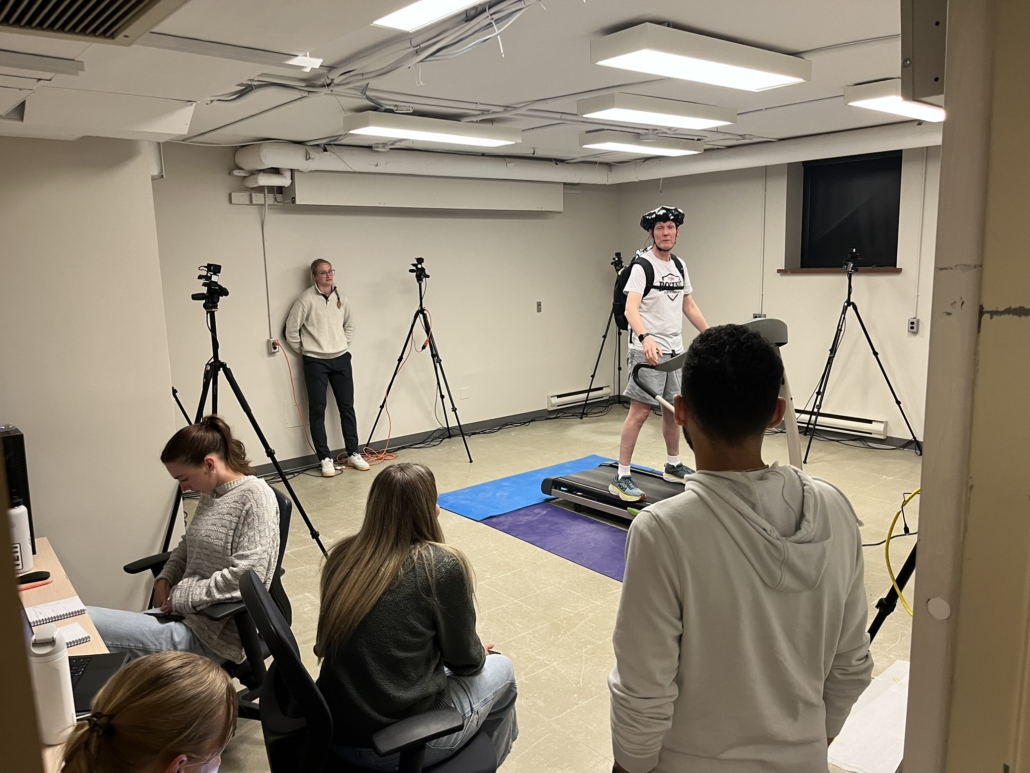
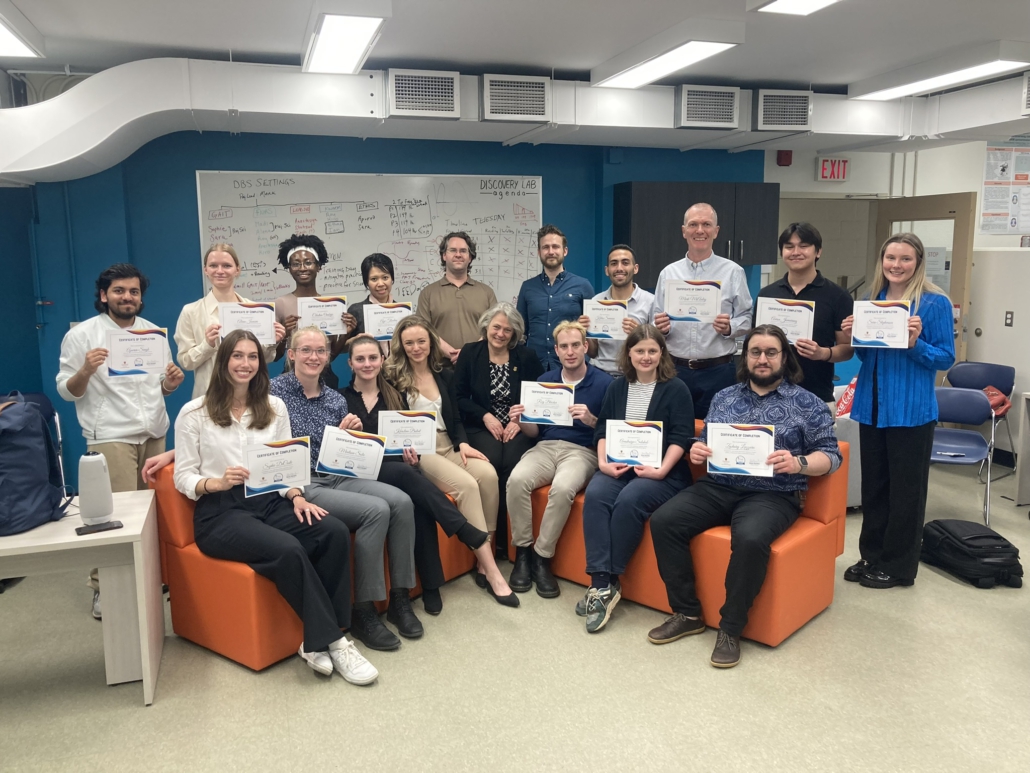
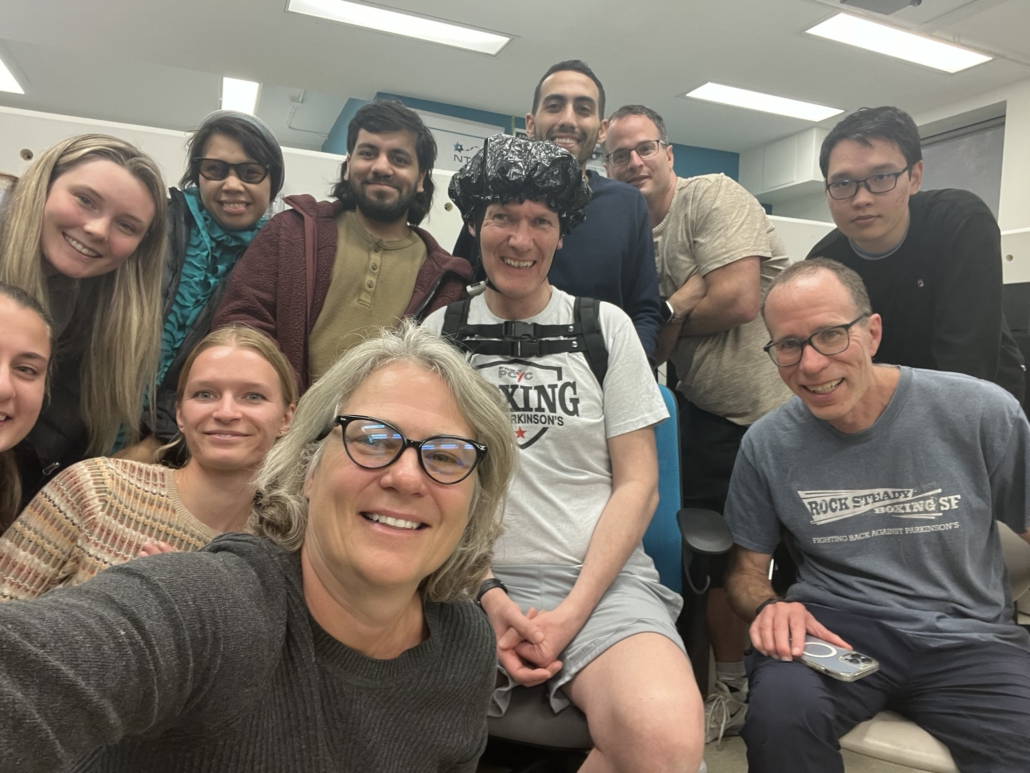
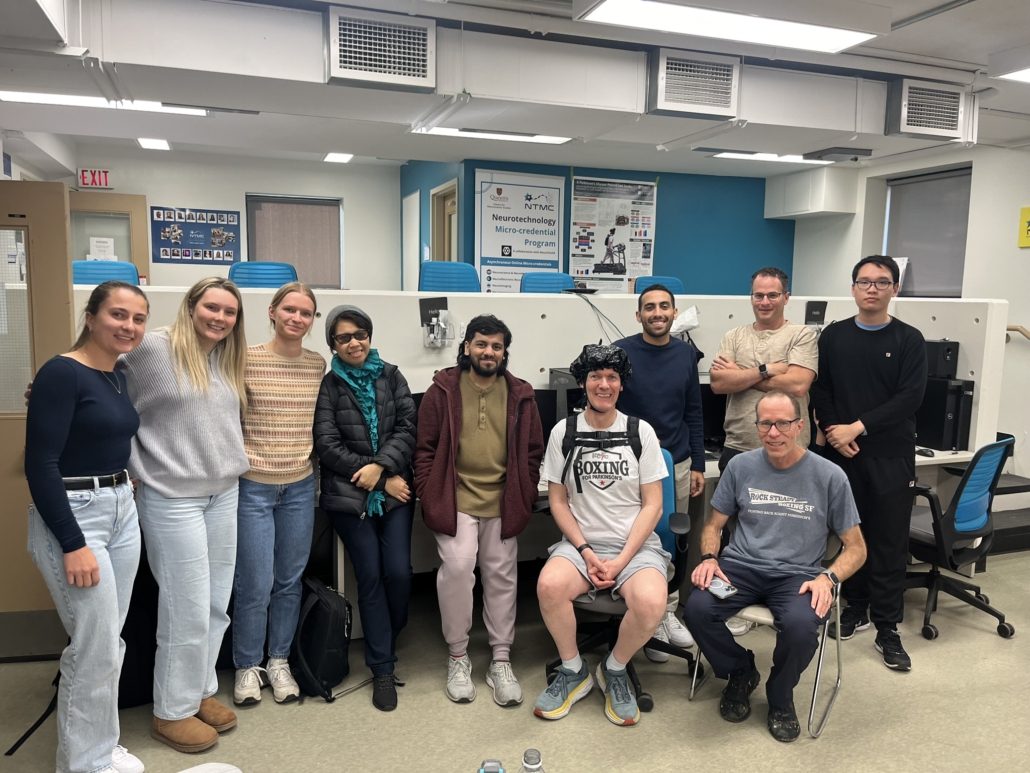
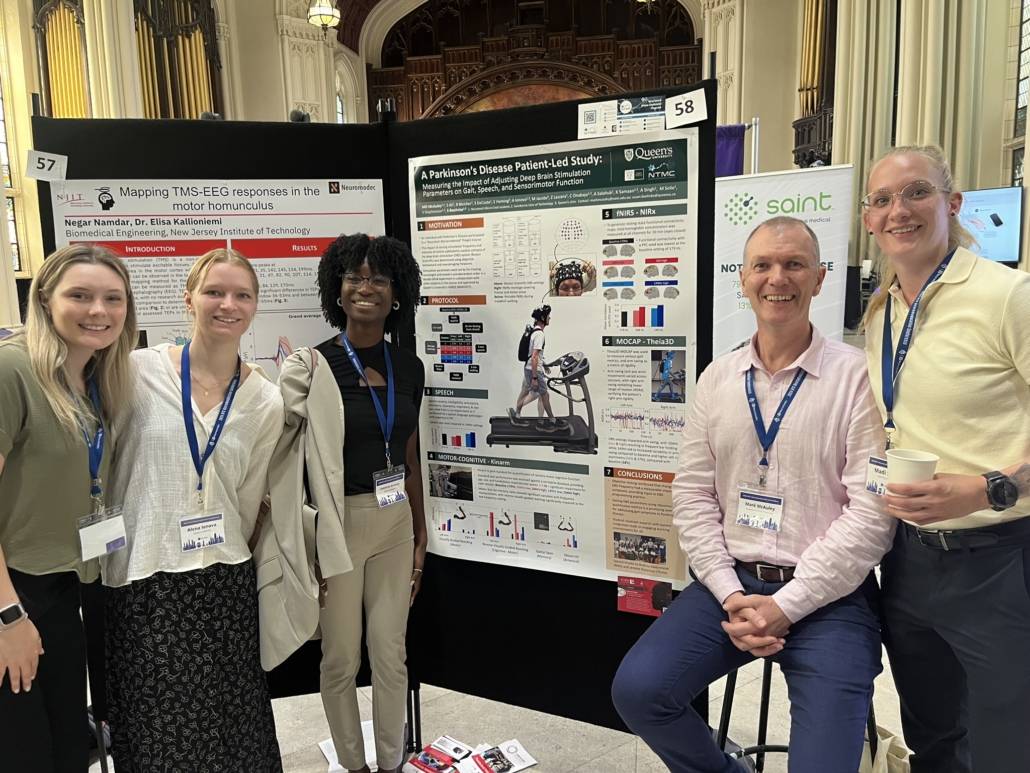
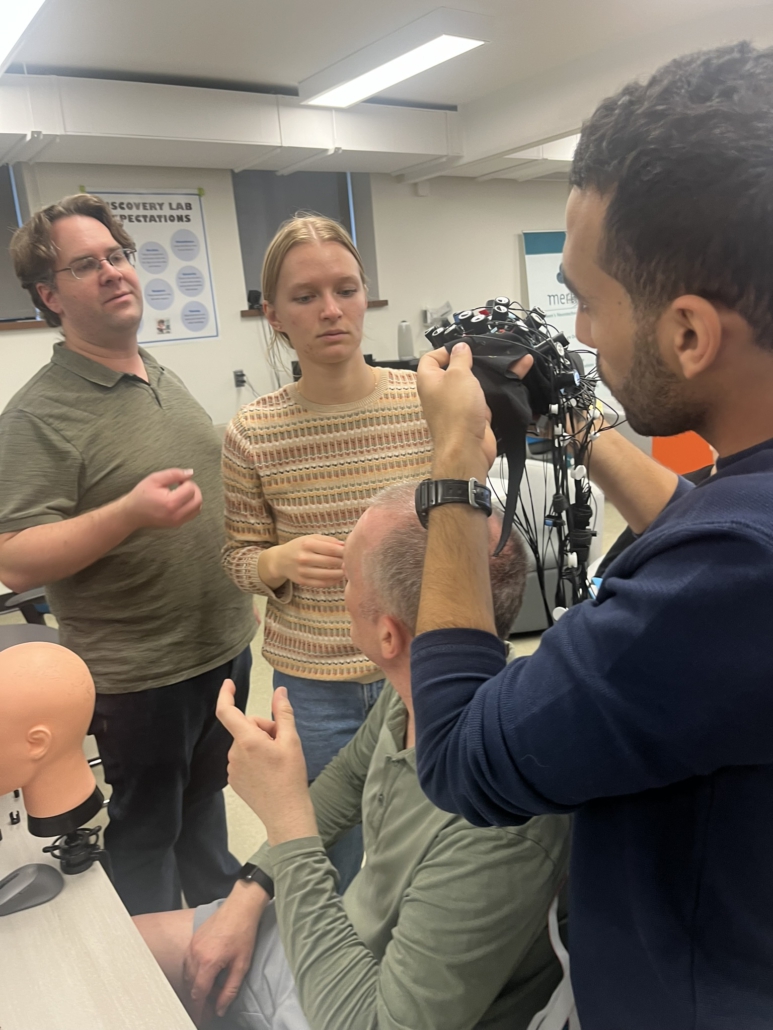
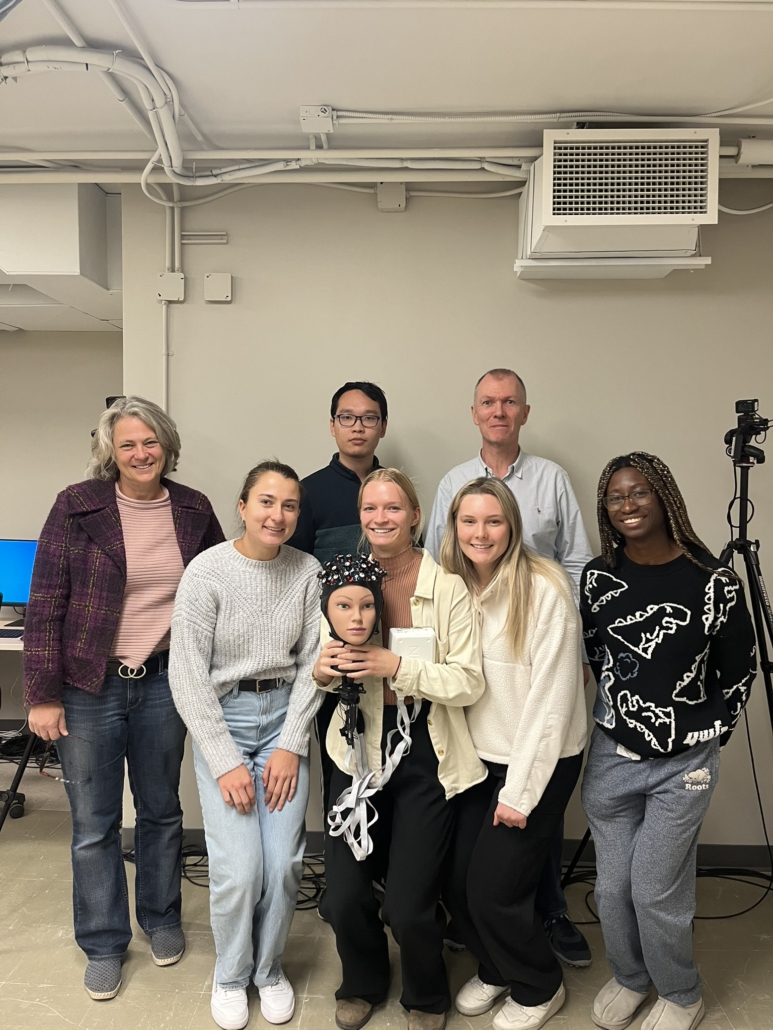
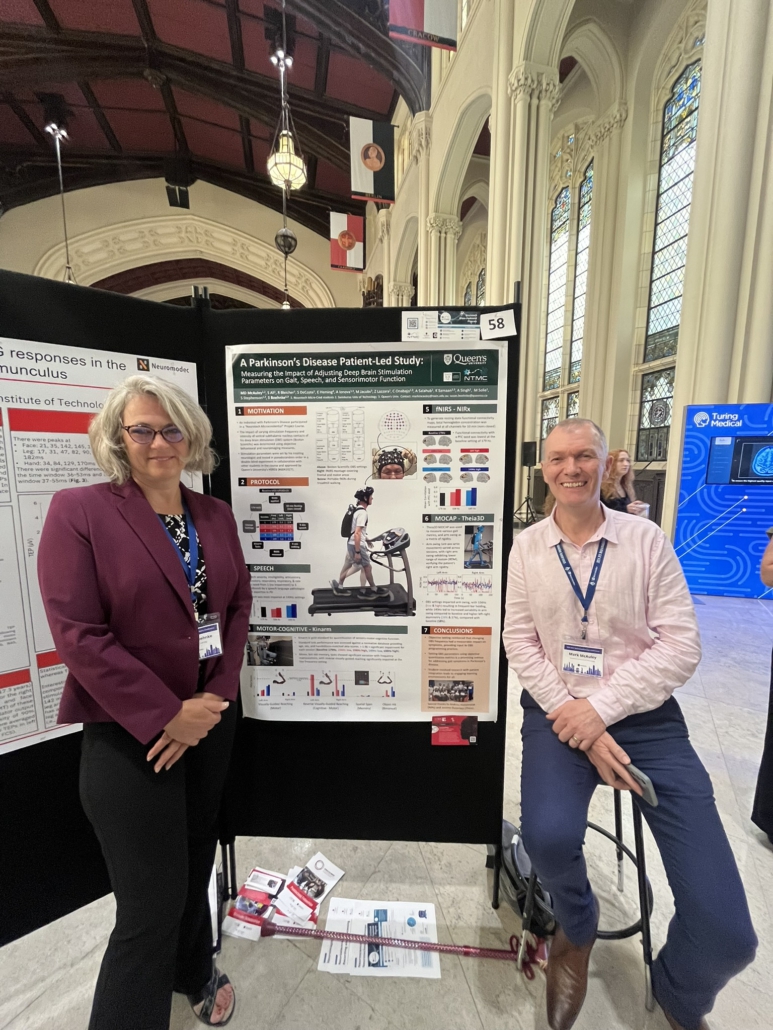
Pictures from Mark’s & Susan’s research project





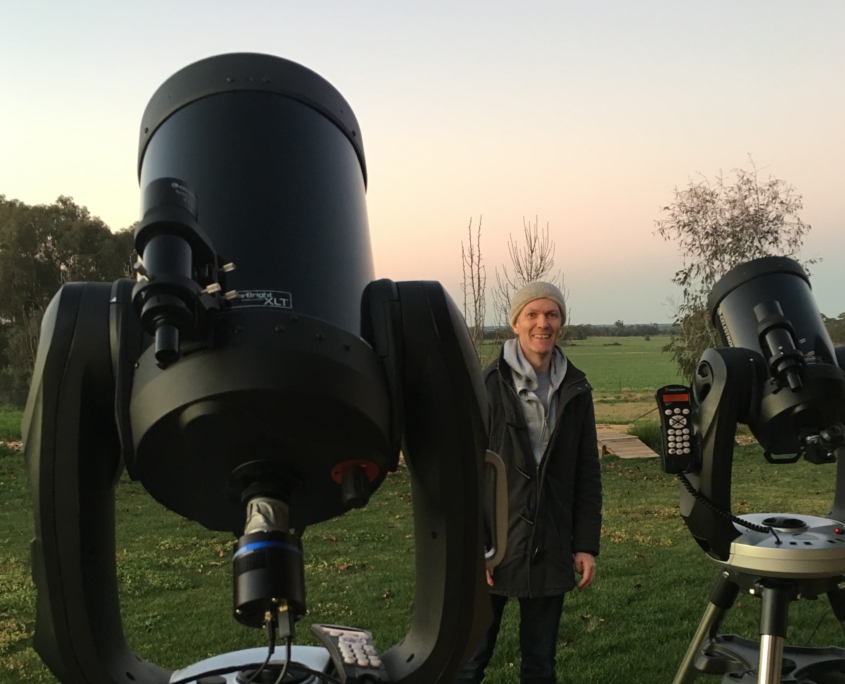
Some of Mark’s astronomy pictures
Click here to add your own text