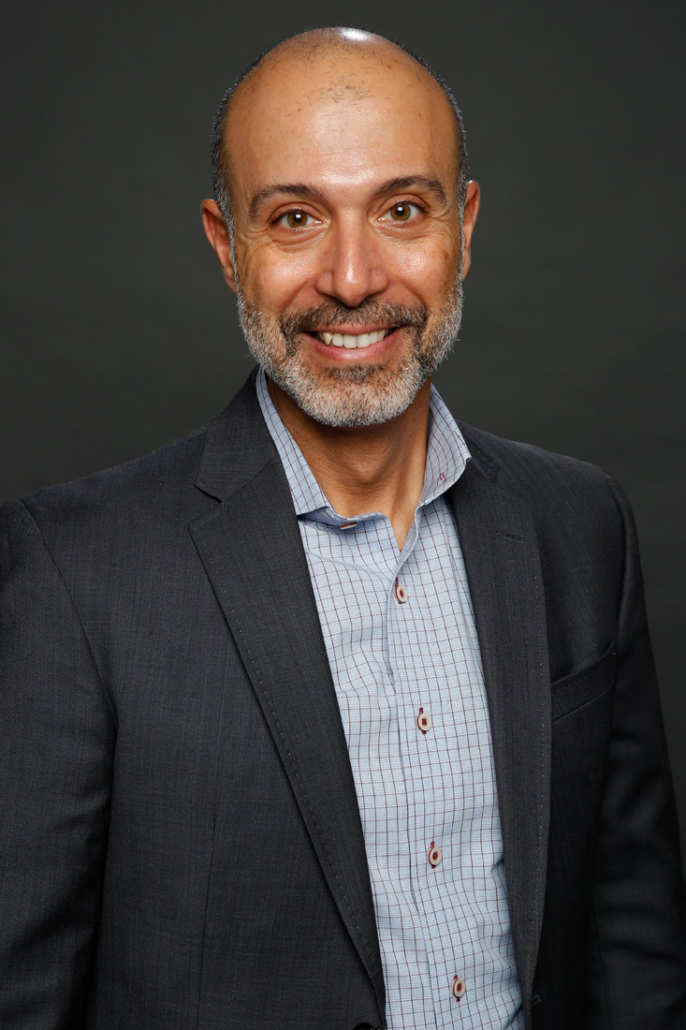
Milad Girgis is the VP and General Manager of the Brain franchise at Boston Scientific
#59: Milad Girgis – 25 Years of Progress: Evolution and Innovation in Neuromodulation Devices
As a fourth installment of this podcast into key industry leaders in neuromodulation, this is our conversation with Milad Girgis, who is the VP and General Manager of the Brain franchise at Boston Scientific.
Milad has dedicated over 25 years to the Medical Device Industry, with two decades at Boston Scientific. Before diving into his impressive tenure at Boston Scientific, we explore the earlier phases of his career and identify key turning points that shaped his professional journey. Milad provides insights into what his typical day at Boston Scientific looks like.
We also discuss the competitive DBS landscape and how they create unique selling points for their program. Milad shares exciting developments and future plans that are on the roadmap, giving us a glimpse into the innovations driving the industry forward.
Finally, we illuminate Boston Scientific’s approach to DBS with their unique strategy and focus on image guidance – among other concepts. Our conversation also addresses the academic community’s curiosity about transitioning to industry roles, with our guest presenting a compelling case for why a career in the medical device industry can be rewarding.
Join us as we explore and map some new potential horizons for neuromodulation.
Milad Girgis 00:00You know, I would say, you know, if you're interested in it, you know, be open to a variety of things. You know, we have folks who have come from biomedical engineering backgrounds, who are part of our sales team, who are part of our clinical service teams. So, you know, there's a lot of just beautiful careers, I would say, that are possible. Where we took a complete redesign of the user interface, made it a lot easier then with screens, a dashboard. And then a core piece of it, for sure, is then having that imaging all integrated. Again, it's very easy to use. So front end for the clinician. When I was in manufacturing, I mean, I would sit with my kids and look at their Legos and look at how, you know, toys were made and take, you know, interesting nuggets from them. How I saw those plastics. And I would, like, use that to go back, you know, into those, you know, diabetes cartridges 01:02to say, oh, well, you know, this is the way it works. So, you know, be curious. And also, don't say no to opportunities that might come your way.
Andreas Horn Welcome to Stimulating Brains. Signal Signal Signal Signal As a fourth installment of this podcast into key industry leaders in neuromodulation, below is our conversation with Milad Girgis, who is the VP and General Manager of the Brain Franchise at Boston Scientific. In this episode, Milad walks us through a typical day at Boston SCI, how their neuromodulation business is structured, some of the upsides and downsides 02:02of working in industry, and a lot more. Join us as we explore and map some new potential horizons for neuromodulation. I hope that you enjoy this episode as much as I did, and thank you for tuning in to Stimulating Brains. So, Milad, thank you so much for taking the time in your very busy schedule to meet and discuss a bit on this podcast show. The first question is always about hobbies. So, what do you do in your free time just to break the ice? Yeah, no, good to see you, Andy. And it's great. It's just a privilege to be on this podcast. Yeah, I mean, I was thinking about that. There's probably a lot too much. But, you know, I love a variety of things. I mean, I think a lot of things, you know, sports. So, cycling, running. My wife and I got into skiing several years ago. 03:03So, that's been a fun thing. You know, in the wintertime, you know, this time of year here in Southern California and travel, you know, time to go swimming and the beach and such. So, yeah, no, I love the outdoors. And we laugh that, you know, we work out so we can eat because we love food also. That's great. Yeah. Where did you get to ski since you got into that a few years back? Yeah. I live in Southern California. And, you know, there's actually surprisingly there's some mountains locally here. But we have Mammoth Ski Resort. It's about four and a half hours outside of Los Angeles. And so, that's some amazing local skiing. But I've gone out to
Milad Girgis Salt Lake City. I've been out to Colorado. Great. So, yeah. Yeah. You know, those are about a couple hour flights away from us. 04:00That's really nice. I used to ski quite a lot in Germany and here in the States. I only did it once. And I think that was even the day before our first son was born. And surprisingly, you know, before the due date. So, I'm happy I didn't go a day later. And so, that was the last time so far. But I, you know, miss it and I'm looking forward to getting back. So, I'm glad you can enjoy that.
Andreas Horn Yeah.
Milad Girgis And then… The dream is still to ski one day in Switzerland. So, that hasn't happened yet. But…
Andreas Horn Yeah.
Milad Girgis …we'll have to make that happen. Sounds great. I can recommend it. It's beautiful. But I'm sure that, you know, there's a lot of cool stuff on the, you know, especially west coast of the country as well. Great skiing opportunities.
Andreas Horn So, moving to work, the, you know, more boring side of life, maybe not, but, you know, potentially, who have been key mentors in your career? Yeah. And turning points to get where you are now?
Milad Girgis Yeah. Yeah. No, it's, you know, I think my career has been, you know, it's fascinating when you reflect on it. 05:07I would almost start at almost the very beginning. I mean, I had a couple of college professors. So, I went to, you know, a local state university and, you know, I always had the dream. Actually, I wanted to build cars and rockets. Great. And I stumbled into this…
Andreas Horn Yeah.
Milad Girgis …suit. …into this lab. And there was an engine sitting in there. And I got to know the one professor. His name was Stuart Prince. And, you know, he let me work with him that summer. He had a research project, him and another professor named Shalane DiGiulio. And that summer, somehow, so somehow I got a job. I think they had this research project. And actually, that was my first as an undergrad. Got involved in research and actually was able to help them write a paper. And actually present that paper in a conference. And, you know, I think they gave me a little bit of that confidence to move forward. 06:03Then, through the years, I mean, it just lots of individuals. I remember my first boss, you know, my first job was in medical device. So, the dream didn't happen, you know, with cars. You know, I built some cars in university, but I got a job at a small medical device company doing diagnostics. Great. Thank you. was just one gentleman who was a mechanical engineer, just me and him. And we were the only mechanical engineers. Everybody else were these super smart MIT imaging and they did imaging and they did computer science and just amazing work.
Andreas Horn But he just let me run and he gave me tools and he trusted me and he's like, yeah, you
Milad Girgis can do it. And then you fast forward my time, you sure we could talk about it, at Medtronic and other, when I was in diabetes, it was a company called Minimed, just mentors there who were tough 07:05in operations and in manufacturing, who were tough leaders. They had military backgrounds, so a lot of people didn't like them. But I think also that's where I learned discipline and I learned just like you have to get things done. And then we fast forward now, I think some names that, I don't know if you've had on your podcast, but someone like Michael Onischek, he was the president of neuromodulation here.
Andreas Horn And he's the one that actually got me into DBS about 12 years ago. So 12 years ago, okay, fantastic. So as a mechanical engineer in the first job, did you build hardware? Did you device? Yeah.
Milad Girgis or was yeah was that the yes so that first that first job out of school it was a company doing you're in the analysis of all things so and then they 08:03were working on a machine to do white blood cell differentiation so it's
Andreas Horn interesting to my world goes to imaging from like way back then yeah yeah I was
Milad Girgis I was designing the mechanics of this machine so the they had to analytics and then they had the yeah hardware and such and then did you ever did you ever you know since you know we've got it get of course into the electronic and Boston scientific world soon but since you mentioned cars and rockets and they were your passion do you sometimes regret that career choice or do you sometimes even wonder should I go back to doing that or do you build cars in your free time or something like that is is is that dream is it okay that dream is over yeah yeah that's a great question you know I think initially I remember like when when I first because I was selected for this job through university it was an internship I began as an internship and at first I'm like 09:00oh no this is like this is horrible like what is happening but actually ironically my mom and my mom and dad used to run a lab and she's a physician and so you know she's a you know she's a you know came to this country she became a lab tech but in a way is like you know it's kind of stepping into my mom's you know footsteps in a little bit I'm like okay and then I think when I met then that first that first mentor I'm like okay you know I can have the hobby but I can really do some things in this medical device world that are pretty amazing so yeah today you know still tinker with some things I still have you know but you know an old truck that's old is it now about 23 24 years old and my oldest son has taken the hobby to an extreme he's got some incredible vehicles that he's been working on so he's also an engineer but he's he's taken it so yeah yeah we have vicariously through him yeah I mean I I made the I made the experience that 10:04as long as you find something that's kind of you know okay the more you learn
Andreas Horn about it it will get very interesting no matter what it is right so I'm sure you
Milad Girgis now by now have a big passion of about the medical device world and you know I'm you know, stumbled on this company called Minimed. And Minimed was an independent company
Andreas Horn that was doing insulin pumps. And yeah, so that transition was, so I was a design engineer at my
Milad Girgis 11:00first job. And then this was actually a manufacturing engineering role. And at first, it's kind of similar thought, you know, I'm like, oh, wow, manufacturing, that's not very glamorous. But, you know, kind of transition on the whole car thing, I, you know, jumped in an incredible mentor and incredible team there, and fell in love with machinery and learned that there's a lot of science and technology using again, the engineering skills to build the products and to build it extremely reliably at a very fast pace. I mean, Minimed at the time, this was in 98. And then 99 2000 was growing incredibly. I mean, the company was just grow, grow, grow, grow. Because we were selling more and more devices. And so our factory was running around the clock 24 seven. And so we were learned about plastics, learned about machinery, got to travel to Switzerland and work with a company out there
Andreas Horn that was doing some high speed machinery. And so, yeah, and then Medtronic acquired that in 2001. 12:05So that's, yeah, so that's when we then became Medtronic.
Milad Girgis I see it because I think I didn't even realize that on your from your from your, from your presentation, since you were sort of sort of sort um mini med and then he ended up um at advanced biotics and then we had lunch we stayed in touch had lunch and uh you know he said um hey uh you know we're getting into this thing called neuromodulation and my first response was well what is that and uh you know he had worked in 13:03the early years of pacemakers and he had worked in the early years of uh you know there and he said you know he told me he's like this uh this new technology that we're coming out with um is going to do to the nervous systems what pacemakers did to their cardiology back in the 60s and 70s and he's like you need to be part of this and uh yeah yeah so 20 years ago that was 20 so so okay so you started at boston that was directly the neuromod division yeah boston acquired advanced bionics right around that same time um and yeah so i think i started i think it was about two
Andreas Horn weeks after they closed the uh the acquisition interesting interesting okay and so you know i shouldn't say congratulations yet because it's tomorrow but fantastic 20 years
Milad Girgis do you get some like medal or something or you know something for the desk is there something i think uh i got a i got a little uh plaque thing and i think i'll get an email that'll allow me to 14:00to choose uh to choose something that's uh you know momentum love it yeah i got a watch i think at 10 or 15 years though i still wear it yeah that's great that's great so so okay so um 20 years at boston scientific um and then currently you are the vp and general manager of the brain franchise if that is um correct at boston scientific how can can you maybe draw a picture how your typical day looks like what what i know you you must be involved in so many things but is there probably there's no typical day but can you maybe talk a bit about what what your job is about and and all that yeah yeah um i mean i get the pleasure of leading the you know the dbs slash brain business um here at boston and we're part of the neuromodulation uh division so you know the company has different uh different sectors and such um but so i'm you know our headquarters is in valencia california um and so i live out of uh outside of los angeles and so 15:03our you know our r d our some of our marketing team our headquarters are here but our team really spread throughout the world so um you know i oversee our our u.s sales team and our marketing team our marketing team and then we have been team members spread around the world uh europe you know is a big a big area for us but we have team members in in asia and latin america so um you know a typical day um you know half of my time actually involves uh you know seeing seeing you and others as we travel as i travel around the world um conferences internal team meetings uh various customer visits um you know we have a lot of people that are involved in the business and we have a lot of people that are involved in the business and we have a lot of people that are involved in the business and we have a lot of people that are involved in the business you know so that's you know there's a there's a lot of time at a at an airport at an airplane uh you know traveling to meet and listen um to uh to our team members and customers and then the other part is uh you know here in the office um uh working with our uh our r d teams our marketing teams our regulatory 16:03and quality teams you know just thinking and working towards the the next steps uh for for the therapy you know existing products product launches uh marketing and marketing and you know and also involves a partnership with Brain Lab on the imaging side and that solution. And so that's the brain side. So neuromodulation also has – so brain is the smaller of the pieces in neuromodulation. 17:01The larger piece is what we call pain, and that's our spinal cord stimulation business. We also have radiofrequency ablation for chronic pain. And then two recent products, one a vertebral decompression product called VertiFlex. And actually we just recently acquired a technology that's called Intercept. It's called the Intercept procedure, which is also a radiofrequency ablation of the basal vertebral nerve. So some fascinating technology there on that side. Also, I guess it's all the nervous system. So yeah.
Andreas Horn Yeah, sounds good. And is the R&D department similarly structured into these brain and pain divisions, or is that more – yeah, I assume.
Milad Girgis A little bit of both. Some then overlap. So I have a colleague. You might know him. I think he might be on the podcast. Hopefully one day Rafael Carbonaro leads our R&D. 18:02And so some of it is structured around, let's say, discipline. So soft. Software. Hardware. Firmware. Leads design, for example. There are specialties, mechanicals. But then within those, and what we've done is on our – within some of the teams, then team members work on specific projects, pain or brain, or SCS or DBS. So what we look to do is really keep the products and the therapy expertise pretty –
Andreas Horn Yeah.
Milad Girgis Pretty close. And so there's someone who understands the customer and working then from the patient backwards, both on our marketing product development side and marketing, and then also taking that to – on the R&D side. And then we have some – we have a group that we call neuromodulation and advanced concepts. 19:00And so these are some of our more senior scientists who, in a way, become some systems engineers and system architects as they're working on – some of them have specialization.
Andreas Horn Yeah. Yeah, exactly. Yeah, exactly.
Milad Girgis around particular therapy.
Andreas Horn Fantastic. And so how much would you say do you interact with R&D? And how does the information flow back to them?
Milad Girgis Because I guess you guys are more, and of course the sales and the marketing people, more in contact maybe with the end product users.
Andreas Horn So the needs from that, how does that flow back to R&D? And how does that work?
Milad Girgis Oh, very, very frequently. And whether it's myself directly or also my team members, I have a whole group that we call upstream marketing. It's really our product development user needs group. Their job, they're pretty much every day part of our core team 20:00that's working with R&D colleagues on that existing product, products that are in the pipeline. And they're working on the requirements. But they're also seeing the prototypes. They're working on all the various phases. As products are finished, they're doing the testing on that product and working with clinicians.
Andreas Horn So that, yeah, I mean, I guess a typical week,
Milad Girgis at least I couldn't tell you the number,
Andreas Horn but several interactions, yeah, with the product. Yeah, yeah. Fantastic.
Milad Girgis And then zooming out even more beyond neuromodulation, the other divisions of Boston Scientific,
Andreas Horn I'm sure there's cardio, but are there others? And then how much interaction is between divisions and maybe with the mothership, if we can call it that way? Can you talk a bit about the global structure of the company? Yeah, absolutely.
Milad Girgis I'd be happy to. So the overall company, so we have like five, call them like five really big business units. 21:00And within those, there's two, even on a bigger scale, like two segments to what we call medical surgery and then cardiology. So neuromodulation is part of what we call like med surge. So within med surge, there's neuromodulation, there's endoscopy and urology. So there's some fascinating technology that's happening there. And actually one of the things in the news in urology is an acquisition of another neurostimulation product that's called Axonics for sacral neurostim. That hasn't closed yet, so it's not official official, but we announced that in January. So, and then they have also a prosthetic urology device. So some fascinating work there. And then the larger, then is for sure cardiology. And within cardiology, there's everything from cardiac rhythm to then interventional cardiology, stents, balloons. And then there's electrophysiology, which is, I think that's been in the news recently. 22:01That's been one of the reasons of the tremendous growth this year, Boston Scientific. And then peripheral, a division that's been doing amazing called peripheral interventions. And that's to then open up again, the arteries and veins in the, for example, in the legs. They also have a product for oncology. So yeah, it's, I think it's one of the exciting things when, you know, we get emails and calls from colleagues that might have an ailment
Andreas Horn or a family member that has, he's like, you know, Hey, how can you connect me with a specialist here or there?
Milad Girgis And it's like, you know, everyone jumps in and, and you know, Hey, connect with this position, connect with that position. That's actually one of the, pieces of my role that I love, you know, to be able to help colleagues and friends that way. Would you say there's sometimes, probably not, but is there sometimes some, some crosstalk between let's say cardio and neuromod because the, the pacemaker looks similar, you know, 23:00maybe the casing or, you know, some, some technologies there,
Andreas Horn does that happen or? Absolutely. Absolutely. So yeah,
Milad Girgis kind of a fun fact. I mean, we're probably closest to our cardiac rhythm. Cause our, the neuromodulation products are made in the factories that are, that produce also the rhythm devices. And then, so we have technical councils on the, on the R and D side, on the process development side. And so those, those teams are frequently in communication. And then through the factories, we have actually a lot of R and D that happens, whether it's in Puerto Rico or Ireland, also in Minneapolis, so as we've grown, you know, by early days we had everything here in Valencia, we had manufacturing here and we were like all, all right here in Valencia, California. And it's actually been allowed us to grow more and to, to you know, be able to deliver more to,
Andreas Horn 24:01to the customers by exactly collaborating.
Milad Girgis And it's, I think that's, that's been a, you know, I can't speak to other companies, but it's, it's actually been a, a, a great way. I think that, you know, the culture of Boston Scientific is, is very much that, you know, that sharing and, and coordinating. I mean, a lot of times different engineers from other business units will reach out and, and connect. And then our, our broader leadership will, will see things and say, Hey, you should connect with these people about this program or this idea.
Andreas Horn Yeah. Fantastic. Can, can you talk a bit more since you mentioned the early days, can you talk, can you talk a bit more about that?
Milad Girgis Because I, there's two memories I have. One is when I was a postdoc in Berlin with Andrea Kuhn's group. And I think that was around the time when Boston Scientific really entered the market. And I remember the first product demo. So we certainly not the first, but you know, it must've been first years or so. 25:00And the reps told us that the company comes from cochlear implants,
Andreas Horn and that's maybe why the strength of the MIG technology originated and made it
Milad Girgis into, into DBS, which, which sort of copied sort of like pictures where it was really the sitting down together with you know in a small team with the physicians and kind of making things work and so i think it was probably an exciting time of the company and would love to hear your thoughts or anecdotes about that time if you want to share yeah yeah um i so that was probably your when you were the post doctor was it around 2012 or before
Andreas Horn 26:052012. yeah yeah so that was around around that time yeah i mean i you know it's interesting kind
Milad Girgis of the history and ironically i mean i listened to um todd langervin's talk and it's you know ironically when he was at metronic you know i was at metronic and and at the time diabetes was part of neuromodulation because they didn't know what to do with neuromodulation when they acquired diabetes so uh you know some of the names that he mentions then you know i was peripherally
Andreas Horn aware of uh so got an interesting background there yeah um but uh you know it started the
Milad Girgis story goes um it was a it began with a um a visit by uh professor benabed um francois alesh and nick patel uh to valencia um and they were joined by a couple of colleagues a gentleman 27:01named khalid the shock who um who's since left us and vincent sardine you might know vincent um and i think this was around 2007 um and so they saw uh the cochlear technology and the whole and you mentioned it uh micc you know it's something that was still a foundation for us today so this multi-independent current control and so they saw that technology they approached the team at advanced bionics and slash boston scientific then and they really had conversations with them at the time and they were really interested in the technology and they were like how do we sort of to the brain. Ironically, also, I learned that even before, you know, Boston Scientific slash Advanced Bionics released the first spinal cord stimulation system in 2004. So that's another almost 20 year anniversary. There were prototypes for a DBS system even before that. So there was always this dream to get into, you know, DBS. And so I got my first phone call to look at a program 28:08in, I think it was 2007, someone named Todd Whitehurst, who's also since left us, who's a physician who was in charge of emerging indications. And I remember that, I still remember that call. He said, hey, you know, that spinal cord stem lead, can you make us some prototypes, but make
Andreas Horn it a little bit more complex? And I said, yeah, sure. And he said, yeah, sure. And I said, yeah, sure. And he said, yeah, sure. And I said, yeah, sure. And he said, yeah, sure. And I said, yeah,
Milad Girgis a little thinner, make the distal contacts, you know, again, tighter. And, you know, just get us some prototypes. And I remember saying, you know, Todd, what are you doing? He's like, oh, don't worry about it. We're going to try, you know, some animal experiments. And, you know, that don't worry about it then turned into a European clinical study called Vantage. And that was, you know, I got involved before then. I got involved to help out with some, some technical aspects as they were in the middle of that study. And actually, I saw my very first 29:04DBS procedure up with Phil Starr. I don't think, I don't know if he remembers or not, but had a colleague, you know, so I got involved. I was asked to step in and help the team on some aspects on the technical as they were working through the development. And, you know, I was like, well, you know, I got to see a procedure.
Andreas Horn So, yeah, that was my first time, you know, being in the, seeing a DBS procedure, hearing the
Milad Girgis recordings, seeing all the testing of the patients. And, you know, that was fascinating. And then
Andreas Horn what other, I guess, what other anecdotes? Yeah, I mentioned that you mentioned the time of Malik,
Milad Girgis who was, you know, another, you know, mentor and kind of just always, you know, innovating and pushing. So, yeah, a meeting, I think it was in Australia with, with Jens Volk. And a few others just, you know, talking about that first system, you know, that our eight level 30:01leads and our pulse generators. And I think initially when we started in Europe, you know, I remember visiting, you know, the surgeons there and neurologists, they would all say,
Andreas Horn one contact's enough. You know, why, why are you guys overdoing it? What are you doing? This is, this is too complicated. DBS works. You know, why do we need more than, you know, we get the lead in
Milad Girgis the right place. That's all we need. And, you know, I think that's, I think that's, I think that's all we need. And again, it was fascinating. I think, you know, many early pioneers then, you know, I think saw the capability and started doing some of the then early clinical work and then the whole
Andreas Horn directionality story and the imaging story. Yeah, of course. I still like that, you know,
Milad Girgis eight contact leads. So the first one you guys introduced, because it just spans a longer, you know, just to mention one. One more scientific example, I think in Berlin, Roxanne Lofridi and Andrea Kuhn did a study where
Andreas Horn 31:03they could record in the striatum because it was there, right? And you could, of course, also,
Milad Girgis you know, think about thalamic plus STN and so on. So it has a lot of potential. But of course, then, you know, the segmental leads have kind of taken over and are now more hot and hip. But so really cool to hear about the, you know, the, you know, the, you know, the, you know, the, you know, sort of spent a lot of time with with him and then francois lesh and and yeah yeah and so the the key selling point to enter the market was i think both micc that you can you know move the bta i remember 32:05the first uh you know the first first program visualizations you had were really you know break uh groundbreaking at the time and then also the um i think constant current uh stimulation right
Andreas Horn that was the other kind of um change you made um from the established market exactly exactly at the
Milad Girgis time you know everything was constant voltage and so some devices you can switch back and forth but this idea of constant current um this idea of like i remember that you know our first talks our tech talks were about you know impedance changes in the brain and yeah that stability and then yeah this this this capability to fractionalize the current i'd say the other uh the other aspect which to this day you know we um have a pretty solid foundation i think that the leaders there on the whole um rechargeability and easy to use rechargeability and i think that was a an early differentiator i mean we were always i think everyone always thought of us as the 33:04rechargeable company because that's all we had uh in those early years i think our first um primary cell uh came in actually i think it was 2015. uh interesting we finally we're back in the early days um because one of um you know one of the mantras in the early days
Andreas Horn um of our founder you know alfred mann was like you know why would anyone ever need a non you know put set it for life you know design it for life uh and why would anyone ever need to have another
Milad Girgis you know device again and so yeah yeah okay so um thanks for sharing all these insights so boston centrifuge is one of the big um three dbs companies at least in the western world sure the market is competitive um i guess probably one part of your job is also to differentiate or
Andreas Horn to find you know exactly these usps unique unique selling points of what differentiates um boston
Milad Girgis 34:00scientific products from the ones from medtronic and abbott for example and um it i i it currently i think it's very dynamic right over the years we've seen lots of changes you know focus on mr compatibility and all these things are you know current steering and i think currently it seems a bit like the um you know from my naive perspective that that boston really went all in to imaging and image guidance which you know if you you guys have really the absolutely uh you know best product i think that that's fair to say and then um metronic more in the sensing currently domain and then maybe abbott more in the remote programming domain is that correct like do you have to kind of pick your horse and then run with it because you can't do everything or how does that work yeah you've had um you know i think you you've assessed that fairly well i i would say definitely i mean part of um you know what we do is um you know prioritization is always you know a key one and and um but for us i would say you know a lot of what we do and you know really 35:06starts from the patient backwards you know patient and then clinician and i would say also our you know our approach has been a few things um you know one is just fundamental outcome um and so one of the things that that we always strive for you know in in those conversations with r d with rafael and others i mean you know i you know i love you know his passion you know he and i've known him you know these these 20 plus years um you know it's always you know what problem are we looking to solve and you know we always want to make sure that that we're getting you know true outcomes for the patients and yeah i would say then you know this this imaging journey really began that way um sort of 36:08sort of sort Everybody who was the who's who was somehow involved. You know, Cameron McIntyre and I think a few others get the name behind it. But there were so many that were involved. You know, but even after that, I think we realized, it was one of the things when I came in also, you know, I think it was a great first step of a product. But we also realized, well, you know, we're not soft. We know software for implantable devices and maybe some user interfaces. But we don't look at imaging all day. We don't look at MRI imaging. We don't, you know, algorithms for anatomical segmentation, all of this. And that's how the Brain Lab, you know, partnership then came about. And we had talked to them, I think, for several years. 37:03And it was like not, you know, things didn't work out. So I think like a lot of things in life and, you know, it's timing and people. And so around 2014, it was the right people at the right time that connected actually in San Francisco. And it was like, you know, conference, I think it was ASSFN.
Andreas Horn Interesting. Yeah.
Milad Girgis And through that and several then back and forth, you know, meetings in Munich and Valencia and different conferences. It was like, hey, let's, we're all doing like great things independently.
Andreas Horn You know, can we come together?
Milad Girgis And, you know, further this.
Andreas Horn Yeah.
Milad Girgis And, you know, that partnership is something now that's been going on for, you know, eight, eight plus years. Oh, actually almost ten years now.
Andreas Horn Yeah. Yeah.
Milad Girgis About ten years now. It's a very unique and, you know, commendable way. 38:00It seems from the outside, I'm sure there must be friction every now and then. You know, it has to happen in big companies.
Andreas Horn But from the outside, it looks really harmonious and just works, right? Yeah. It seems you guys create fantastic products together, essentially. And that's not maybe, I don't know enough about companies, but that doesn't happen too often, does it?
Milad Girgis It doesn't. It doesn't. And I would say, you know, on both sides, it takes a lot at the various levels, I would say, you know, Reiner, who's the CTO of BrainLive, he and I, you know, are always, you know, talking prior to him. It was a gentleman named Stefan Hohl who, you know, again, he and I have been talking for a long time. He and I would communicate. Malik and Stefan, the founder.
Andreas Horn So, but that's one thing, right?
Milad Girgis A lot of times you get the leaders that get along, but then the team members are, you know, are fighting and not getting along. So, I mean, I remember those first early years. You know, of course, it's difficult. It was difficult when our engineers, when I told our engineers, 39:02hey, you know, we're going to take this work that you all are doing and we're going to have this other company work on it. But you're going to still be involved in other things. But this other company is going to do this, this, and that. And that was challenging. You know, I think many of them will say, you know, they were disappointed in some of that. But again, I would say commendable of our team and step-by-step over time that they realized that together they can do so much more. And so definitely, you know, there's from the day-to-day, you know, engineers, scientists, project manager, quality, regulatory, because you can imagine.
Andreas Horn Yeah.
Milad Girgis Also, you know, you have a, you know, this 510K product on one side, a PMA product on another, a German company, an American company.
Andreas Horn Yeah.
Milad Girgis So, but yeah.
Andreas Horn Very interesting.
Milad Girgis And so I remember, again, early memory from my postdoctoral time, first demonstration of the guide platform. That was, I think, the more or less direct intellect medical tool. 40:05I think still had linear registrations and, you know, was, you know,
Andreas Horn a prototype maybe, right?
Milad Girgis It wasn't maybe yet fully functional. Then GuideXT came along, which was really the breakthrough.
Andreas Horn And that was already together with BrainLab, correct?
Milad Girgis And so, yeah, that really, I think, was the key, you know,
Andreas Horn really fantastic software that you created.
Milad Girgis Easy to use. You know, right now the modern version works on the surface, works on the workstation. And, you know, obviously I have, I have a similar background, so I know. And it's really great, great, great work. It works. It, you know, it's fast, it's easy to use and all that. So I think you really nailed it there.
Andreas Horn And that's fantastic.
Milad Girgis So. Thank you.
Andreas Horn Yeah. Our teams did a fantastic job and it's something very much that,
Milad Girgis that product actually just won a, you know, award within Boston Scientific 41:04for innovation and, you know, just great, great to see that, you know, for, for our teams who, who work through, who work through and develop that product.
Andreas Horn Yeah.
Milad Girgis And then since, since we are talking about the image guidance, you, you, you, I think you have two new things that work. One is the Illumina 3D algorithm where you can use a sweet spot or a let's say STN ROI and then say, what's the best setting to maximize impact on that. And then the other thing that I only saw so far, I think on social media is just a new programmer where you also have,
Andreas Horn okay.
Milad Girgis That's quick. That's quick.
Andreas Horn the patient anatomy in it. Do you want to talk about these two advances a bit?
Milad Girgis Absolutely, absolutely. So maybe the second one you mentioned I'll talk about first, it's called VN5. It's our latest software. So that was that just maybe what you just recently saw on social 42:01media, we just got that approved in Europe. So that just received CE mark in Europe. It's been approved actually in the US since last year. And so that's the latest and greatest generation of our programming software for neurologists. So it works on that surface tablet. And we did, you know, again, the, you know, the team, you know, launched the first one, the very first version, again, in the early days was complicated. And I think it was a prototype back in 2012. I think those first versions that you saw in Berlin. And then we continued to list in advance. And so this was the fifth generation of that software, where we took a complete redesign of the user interface, made it a lot easier than with screens, a dashboard. And then a core piece of it for sure is then having that imaging all integrated, again, very easy to use. So front end for the clinician. And then the background, we have actually brain 43:04lab elements that's working. And in particular, we have a lot of the brain lab elements that are working on the back end of the system. And then the back end of the system is a little bit more complex. And so we have a lot of the brain lab elements that are working on the back end of the system. And then the back end of the system is a little bit more complex. And so we have a lot of an ideal workflow, you know, a surgeon would do all the planning, programming, post-op scan, and then via, you know, cloud solution, they can then send that and then download directly then to that programmer. So, you know, really excited about that next step. And then with that comes what the first one you mentioned, which is called Illumina 3D. And that is, you know, a program that is our, so that's still in the first phases. It has, you know, approval as a, you know, for the first step. So that does allow us to do the, what do we call it, kind of like a target volume and an avoidance volume. And then the software will then set a, it'll get a VTA, a stimulation field 44:00that fills the area that the clinician wants to target. So it is a fascinating world. I think we're moving from the world of monopolar review and single segments to truly volumes and combinations
Andreas Horn of anodes and cathodes and stimulation fields. Yeah, absolutely. Yeah. Yeah. No, really cool.
Milad Girgis I think, you know, looking back for the 10 years I've seen, there have been multiple attempts to put out image software, you know, sometimes by smaller companies like Cranial Cloud and Cranial Vault. Then there was, I think, Optivise, which, which came, I think, also from Pierre Dehaize in Medtronic and then SureTune, which was the Sapiens acquisition. And then, of course, your guide and then now GuideXT. And I had the feeling from the outside that it was sometimes hard to penetrate the market because, for example, one big barrier might even just be that how do clinicians get the DICOMs off their scanner, off their PAC system into the device. And I, my, my understanding is that your partnership with 45:06BrainLab,
Andreas Horn that's used for surgery, the surgeons have to have that process in place, right? They have to get the
Milad Girgis images somewhere into their software. So that really seems to solve that bottleneck. And now you have, you know, especially if it's, you know, being used from pre to post, all the way through with the BrainLab and Boston Centrifugue software, that seems to solve that issue. Is that because it feels like GuideXT is the first one that people actually use on a more broader scale of these products and the others, I wouldn't say they failed, but they, they didn't seem to, you know,
Andreas Horn really make, make impact onto the market. Do I see that right? Or...
Milad Girgis I, I think I would say you exactly got it right. Yeah, it's, that was one of the key ones, you know, because the imaging piece is vital. And then there's the segmentation. I think some of those early questions, I would say one of the innovations that came along is, 46:00you know, some of the DICOM standardization that, that really helped. But then also having, you know, a validated tool that, you know, BrainLab was able to develop, that again, was able to do the segmentations. Now, I think in those, in the early days of adoption, and even today, some are like, well, you know, I want to use this scanner or that scanner, I use this planning system. But we're still able to, you know, translate that as long as we have, you know, the imaging and the scans.
Andreas Horn Yeah, sounds great.
Milad Girgis And so since we talked about, you know, the USPs and, you know, the how, how to position yourself, you know, compared to maybe other companies, are there any plans on the roadmap that you can already
Andreas Horn share or talk about? Maybe something that's already released, but really new, or maybe even something that, you know, you think about these days?
Milad Girgis Yeah, yeah, no, happy to. It's one of the ones actually, I think you mentioned, 47:02you know, in the early days. So, you know, one of the things that we're excited about, is, so you mentioned, you know, how you like that, that one by eight lead, you know, the longer span, you know, lead. And I remember, you know, the conversations when we launched the lead. But when we launched that, you know, again, a lot of the clinicians were like, oh, wow, okay, now, but now my, you know, my span has decreased. We've gone from, you know, 11 and a half millimeters back down to seven and a half and the directional level is only three millimeters.
Andreas Horn So, you know, what's going on? And, you know, we listened to that at the time and the team
Milad Girgis immediately then started working on a longer span directional lead. And so that lead has been in 48:05process for some time. It's taken us a lot longer than we wanted, you know, because again, like you mentioned sapiens, I mean, sapiens was, I think, an attempt at, you know, at that. So that lead's called Cartesia X and HX. And actually the, through the pandemic and through that time, the, the European study was complete. It was called the Xtend3D study. I think we've been talking about it for some time, but it's, but we're, we're excited that it seems like the, the window's drawing a lot tighter and closer to, you know, hopefully having that approved. And then with that though, you know, you can imagine, you know, that's, that's 16 individual contacts, it's five levels of directionality. So then the imaging has to go along with it so that we don't
Andreas Horn complicate, you know, so that's why also we're,
Milad Girgis we're advancing on the imaging side so that as we have, again, more span and we can look at multiple 49:02targets. So then that lead goes into a 32 channel pulse generator. And that actually is approved. Ironically, it's just the way these things seem to happen. The pulse generators are approved both in the U.S. and in Europe. And so that also then opens up the door for, for, you know, I would say research both with, you know, along the targets and, and the fiber tracks and, and larger brain anatomies. But there's also some
Andreas Horn interesting work that we're hearing about potential multi-target, even maybe four lead type
Milad Girgis and coordinated stimulation. There was a paper I just saw that came out, I think this earlier this week around dystonia and multiple targets for dystonia and some kind of paper reviews and some surveys. I may have missed that, but, but I think there was one, there was a press release from Samir Sheth where he used the, the Y extension cable to have the 32 50:01channel approved pulse generator, but typical eight contact leads and then four of them. And I know a few studies on the way that, that want to use that technology. So that's super cool too. Yeah. So with one stimulator, you can have four full DBS leads planted. Right. So I think there's still, you know, there's so much more, you know, happening along, you know, there, you know, that trajectory. And then we're, we're continuing to, to work on, you know, through, through Berlin, actually there was the work that happened with the, what we call the Clover algorithm, which is the whether you use a wearable or even just physician inputs or, or patient input. So it's almost like this, this seeking finding you know, algorithm to fine tune and the you know, the, the settings. And so that, you know, that work will, will continue on.
Andreas Horn Yeah.
Milad Girgis But sometimes certain things advance, you know, at R and D faster than others. Of course. Yeah. And so with Clover, the way I understood it, and I think that has been shown at meetings 51:05quite a bit. So we probably can talk a little bit about it. It's, it's a finger tapping you know, it's being, being seen and then the, the algorithm will collect data of how well each setting does and gives the clinician a new idea and then the clinician programs it in. And then it, so, so currently that's the way it, it, it's,
Andreas Horn it's being done, right? So it tries to probably optimize by collecting data from, from the
Milad Girgis monopolar or not monopolar review, but a review of settings and it will try to optimize the settings.
Andreas Horn Is that the way? Right. The first, yeah, the first embodiment was for basically ring contacts and it was just,
Milad Girgis you know, a levels and that was, you know, maybe a little easier, I think from an algorithm perspective. And then, yeah, the latest one that was, I think has been discussed in a few meetings is then getting the directional side of it. And, and the team always tells me how challenging that is to also look at 52:01now the three dimensions. But actually interesting note, I think all the, all the work so far, yes, has been done with, you know, accelerometer on the, on the finger type, but it actually can take any input. So it actually, you know, so for example, a clinician could look at rigidity and have their own like one to five assessment of rigidity and then pop that into the algorithm. And so there's definitely work, you know, happening there, whether it be on, you know, sensor side or even just those, you know, those inputs. Really cool. And so you mentioned the 30, sorry, the 16 contact leads. So the Cartesia HX and X, they're two different versions. One is a bit longer, I think, one, the other one has the typically four levels, but with no 53:07That's probably wiser. But it has been done in humans, but only in a correct context. Correct. Yeah. Yeah. So it's and there's leads that have been in humans now. I want to say that study. I want to say almost three years That's okay. That's okay. That's okay. know is when we first uh you know started you know and but it was i think it was right around when you know when when 2020 and covid and everything was you know going on um but uh yeah those those are still there and actually clinicians uh you know are still asking for them so um yeah you know so things got uh you know there was a whole eumdr and that whole new regulation and yeah so lots of uh you know our our quality and clinical teams have been working having overtime you know
Andreas Horn on a lot of that yes to me they they seem like really fantastic solutions because because they
Milad Girgis um both of them are really helpful to have so so i think great choices there um they they of course 54:03also even more will bring the need of image guidance because there's you know it's just hard to do 16 contact monopolar reviews or even not possible anymore so um i guess you're right on spot with um and uh yeah with the segmentation detection i assume that is the similar system probably with the same marker you have and then um yeah actually the um the the new release i think are going to have some uh they've made some enhancements to the marker so you know stay tuned for that but i think it's going to be a little easier and uh yeah that sounds good and next question might be a bit you know sensitive totally free to just you know we could skip it but um we've had a representative from abbott on the show with which is uh beneath jiren and then one from metronic amazer reitmeyer and if i understand it correctly they may even roughly qualify as your counterparts in the two companies 55:01give or take um and then among these three companies is there sometimes even minimal degree of collaboration or exchange or some sort of partnerships um if you meet at conferences that would be insightful to hear you know how much do you exchange there yeah um not not a ton but i would say um you know there's i think the clinicians do a great job of i think pulling us together you know at uh you know some some panels for example you know i've had the pleasure of um you know it was it was wssfn in korea a couple years ago where there was like an industry panel and you know the three of us are on it or technology panel um and so you know for sure like you know like sort of like 56:14sort of like sort there that connect more in the US from AVIMED, which is the industry groups that get together to help with policy and help with broader. I would say a lot of that helps not just neuromodulation, but a broader level. Back in the day when there used to be an R&D tax, an R&D device tax that was actually hurting a lot of innovation around 2008, 2009, 2010. It was a challenging time. And actually, through a lot of the collaboration broadly, that was repealed. And that really helps the industry then.
Andreas Horn 57:00But yeah, besides that, there's the. Yeah. Yeah, yeah. Makes sense.
Milad Girgis And then obviously, the podcast is a bit more academia-focused so far. But more and more people have approached me also at conferences from the industry that listen to it. And that kind of in me put the light bulb on to bring also some people from industry on the show. And I think that's been very insightful and very
Andreas Horn interesting, maybe even more interesting than just
Milad Girgis researchers all the time. And then I think a lot of our trainees always wonder,
Andreas Horn is there a future in industry for me? Can you maybe steel man the case a bit and say, why should they move to industry and maybe also why not?
Milad Girgis Right. Yeah, and I think it takes a, you know, industry has a bit of perspective. And maybe we have to come into it, I think, eyes wide open on the expectation of industry or what life is going to be like in industry where there's going 58:04to be certain programs and projects. You maybe lose a little bit of a sense of what's going on.
Andreas Horn Yeah.
Milad Girgis And you have autonomy in creating your own like wish list, you know, if you will. But I suspect in academia also it's, you know, it all depends on where the funding is and you got to work on, you know, work on that. Sure. But I'd say we have some great examples of folks who have come from academia into industry. I mean, one more recent is Masha who, you know, is actually a native Paradeans lab at UCLA. And, you know, she has tremendous, you know, just capability. as far as the imaging and research. And she's joined our team and I think is thriving.
Andreas Horn She's presented at Think Tank and doing some fantastic work.
Milad Girgis You know, we have someone who's, you know, actually used to be at Cameron's lab and joined us in Europe and then actually went into a little bit more of like marketing and training. 59:02And so, you know, I would say, you know, if you're interested in it, you know, be open to a variety of things. You know, we have folks who have come from biomedical engineering backgrounds who are part of our sales team, who are part of our clinical service teams. So, you know, there's a lot of just beautiful careers, I would say, that are possible. And, you know, be open to roles that are not just your standard, you know, research and development or research type roles.
Andreas Horn Yeah. And. Any tips how people could approach this? Is it LinkedIn? Is it at conferences to talk to you guys? You know, how does it work? What would you recommend if somebody had the plan to?
Milad Girgis I would say there's nothing like that face-to-face, you know, connection at conferences.
Andreas Horn For sure, you know, LinkedIn is a fantastic tool.
Milad Girgis You know, I get, you know, folks who connect with me or others through LinkedIn. 01:00:03But I would say there's nothing like that, you know, face-to-face. Or I would say also. I mean, a lot comes through, you know, clinicians and researchers like yourself, you know, where you have, you know, younger, more, you know, up and coming, you know, folks who you all recommend to us.
Andreas Horn And so that's been a fantastic, you know, again, there's nothing like, you know,
Milad Girgis that personal, hey, you know, I've worked with this person in the lab. I've seen their day-to-day.
Andreas Horn They're fantastic.
Milad Girgis They're bright. You know, you all should talk to them. And so that's also where, you know, I would say, you know, a lot of our references come from.
Andreas Horn Yeah, sounds great.
Milad Girgis That makes a lot of sense, of course.
Andreas Horn Yeah.
Milad Girgis Any typical downsides if you had to, you know, criticize working for industry,
Andreas Horn just to draw a more wholesome picture? Yeah.
Milad Girgis I mean, I would say, like I mentioned a little bit, there is that, I mean, there's the reality of funding. 01:01:00I mean, I think funding is everywhere, right? I mean, all of us deal with funding at different levels. You know, but I would say, you know, across the three companies you mentioned, all of us are public companies that are accountable quarterly to shareholders and, you know, our corporate, you know, connections. And so there is that reality of, you know, also getting products out. And so, you know, having, you know, probably more the accountability of products and product developments. And I think some maybe think that, you know, the device world is like the farmer world.
Andreas Horn Yeah.
Milad Girgis financial requirement. But I know from spending a lot of time with you all, you have your grants 01:02:04and there's always that anxiety about, am I going to get the next grant and I got to finish this and
Andreas Horn I have these milestones. So money does play a role. Yeah, absolutely. At the last DBS Think Tank,
Milad Girgis Cameron McIntyre made the point that we are currently at a fork at the road. I think he even had a picture of the fork to make that point. Since I think some of the promises for investors in the neuromodulation field may not have turned out as positive. I think the field is doing well, but maybe not as positive as hoped. And growth has been slower than hoped. And I think he made the point that we are right now really at the point where we kind of have to deliver. If not, things will go slow and maybe funding may dry out.
Andreas Horn A bit more in the next decade or so. And so do you have thoughts on that? Are we currently in 01:03:00more bullish or bearish times? Do we, you know, would love to hear your thoughts on that if you can talk about it. Yeah, yeah. No, I mean, I heard that talk and yeah, definitely there's this,
Milad Girgis you know, this idea that, you know, we have to, you know, advance the therapies, advance the science. I mean, I think the reality is we are every day trying to, you know, we're trying to convince a patient to go in for an elective brain procedure. And it's a very serious decision. And it's a very, it's a very scary decision also for many patients as we talk to them. You know, that's their biggest fear is, you know, brain surgery. And, you know, it's also where we hear a lot of, you know, what's happening and less invasive type or what's perceived to be less invasive, I'll say it that way. So that, that is why, you know, I would say a lot of our work is trying to simplify, take kind of the, the stigma out of, you know, brain surgery. I mean, 01:04:03I've given some talks, you know, I mentioned, you know, if you, so many people I'm sure talk about getting a knee replacement, you know, you're skiing and you can't ski anymore. It's like, hey, I'm going to get a knee replacement. But if, you know, nobody talks about the invasiveness of a knee replacement, the complications, the recovery, right. Or shoulder surgery, hip surgery. You know, these orthopedic type procedures, which are amazing, right. That helps people recover. But as soon as we talk about the brain, everybody's like no way. Right. Yeah. And so, yeah, I think, I think, you know, industry clinicians. I think we, you know, I think we need to almost shift our, the way we're talking about brain surgery. And so, you know, I think, you know, I think we need to almost about you know also with patients I mean we have to be I mean it has to be safe it has to be precise it has to be accurate the outcomes have to be there 01:05:03and the outcomes are amazing but but then we need to also then work I mean we're spending and investing on you know in fellowships and you know some I've recommended to us you know even on the resist residency programs because there are shortages of movement disorder specialists and there are shortages again because I think you know folks who are going to medical school they're pursuing other avenues but to really you know spread the word that that this is an incredible therapy and you know to get it into more of that that mainstream so I think it you know it's a combination it's a combination yeah I think Cameron was probably and think many of us you know I think there was a lot of hopes for some new indications whether it's depression you know if we do if we do if we do if we do if we do if we do if we do if we do or Alzheimer's or you know other indications that that we're gonna grow grow grow grow grow but you know some of that has and then there's a lot of investments I think in BCI but I think that was maybe you know chasing you know 01:06:05some other things but again I mean the brain is still you know an incredibly under understood you know area of the human body and you know I think it's still a very important area for us to be able to do that and I think it's still left to us to look to figure that out yeah I mean what one thing so I think the field as a whole has discussed this a lot with this underutilization of the therapy I think there's good numbers about you know how many Parkinsonian patients could improve you know could profit from DBS but don't even know about it and I think it's it's a huge number so information seems key to without you know even going to other indications just getting the word out and I'm sometimes very surprised in my okay okay okay okay okay okay
Andreas Horn near field that people have just never heard about DBS, right?
Milad Girgis They sometimes hear about it from me, but you know that. And then, you know, even I think if you'd ask typical MD graduates,
Andreas Horn 01:07:02have you heard about deep brain stimulation?
Milad Girgis Not everybody will say yes. Right. So there might be this, even though it's been around 20 years, might be this really this, this lack of information. I sometimes wondered again, being very naive here.
Andreas Horn Um, why not, you know, with these dramatic effects of tremor, um, on off
Milad Girgis and so on, have more actual TV commercials about it, right. To just to get the word out because that could lead to a big, um, you know, uh,
Andreas Horn awakening of, of patients that, that see, wow, you know, this is exactly what I have.
Milad Girgis They push a button and it stops. You know, I want to now, now go ahead and dear thoughts on that. Is it just not worth it on, you know, to, to run such ads because pharma seems to do it and then, um, w w w we're going to focus ultrasound.
Andreas Horn Yeah.
Milad Girgis In the second two.
Andreas Horn So, so, you know, do they do it differently? You know, do you have thoughts on that of like just advertising? Yeah.
Milad Girgis Well, it's, what's, what's fascinating is actually there, there have been some 01:08:02over the years, um, that I think some, some of the others have, have done. Um, there was, uh, ironically, my, uh, during the pandemic, my, my daughter got into watching, um, you know, she was binge watching like all of us, many TV shows and she was watching, uh, you know, Grey's anatomy and, and, uh, she was like, Hey dad, is this what you.
Andreas Horn Work on?
Milad Girgis And there was a, you know, and one of those, uh, you know, a DBS procedure. Um, you know, I think, you know, there's a lot on YouTube and other places. Um, you know, there's, it's been on different news programs.
Andreas Horn Um, yeah, but it just, it seems like it's, it's not, yeah, it still hasn't gone to
Milad Girgis the, you know, cross the chasm, if you will, you know, which is kind of one of the, the, the terms, um, you know, we've, we've thought about it in Boston scientific has done some. Um, like that with a product called Watchman actually that, uh, uh, Jim Cassidy or president was, was with us. And then he went to go, uh, run the Watchman business and then came back. 01:09:00Um, and, but what we've heard is that there's still even, let's say we, you know, we did a national TV campaign and it was on every, you know, every afternoon, um, the neurologist can't, can't take care of the patients. Oh, wow.
Andreas Horn Okay.
Milad Girgis It's what we've heard. Um, that the waiting lists are, are long the, um, so there's, there's a combination. And so what we're trying to do, I mean, we have our, um, you know, we, we put on webinars, um, and we've been working on some, I mean, through definitely our websites, uh, but, uh, like Facebook ads and then patient societies. And, um, you know, we're, we, we spend a lot of time working that way. What's, what's been good to see also, again, since the pandemic is a lot of the in-person activities have come back with a lot of the patient support groups. Um, but, uh, but yeah, I mean, I think I've seen a statistic that, uh, uh, 80% of 01:10:00Parkinson's patients are, are still with the general practitioners.
Andreas Horn Yeah. Yeah.
Milad Girgis Right. And so, um, I mean, so for example, I mean, we go to, um, you know, the American Academy of neurology conference and we have a, you know, a small, you know, our humble booth there is like overshadowed by, you know, the pharmaceutical booth. Um, but we, you know, we were there and we looked to, you know, there's people that
Andreas Horn come by the booth and they're like, what, you know, what, what is that? Interesting. Yeah.
Milad Girgis But, but that's, you know, I would say that's also a commitment to getting, you know, the, the word out again to those, um, you know, early career, you know, clinicians who are looking to, to get into the space.
Andreas Horn Yeah. Yeah. Yeah.
Milad Girgis I mean, because you, you, you, you had, um, we had talked about also the early days in Medtronic. And, and, and, and, and what I heard there was that, that, you know, it was so easy to sell internally. You just showed the tremor video, you know, everybody's seen these videos and
Andreas Horn everybody's convinced this is a breakthrough thing, right?
Milad Girgis 01:11:02So, so it was apparently not hard to find investors for this. And, and so, so you, you hope or think that the same could happen just by showing it to the people actually being affected by this. But, um, of course you're totally right. Brain surgery is a big deal. I wouldn't, you know, sometimes.
Andreas Horn Do.
Milad Girgis I mean, I think that's, that's calculation in my mind.
Andreas Horn What, what would I do if I had the diagnosis and all that?
Milad Girgis And, um, uh, it's not a, it's not an easy decision. So, so I, you know, I, I think the strategy you're taking with making it more simple, um, more robust, more, you know, with the imaging assisting the entire process from, from surgery to, uh, to post-op is really key to maybe also make it, you know, more translatable to community hospitals one day. Right. Make it just more broadly available, more robust. And, you know, I think your software should even tell the, tell the, tell the docs, if, if the MRI images are not good enough and say, you know, please install this, this 01:12:01sequence because you know, your imaging is not good enough or something like that. Right. It can, can really assist hospitals by, uh, software to, to improve the whole procedure. And I think you're really, um, dead on there. So, um, we'll see. Um, right. Moving on.
Andreas Horn Could the next breakthrough of DBS be just around the corner? And if so, what would it be? Yeah.
Milad Girgis I mean, I guess it's, you know, how we define breakthrough. I mean, I think we're, I think we are at that cusp of, um, you know, a lot, a lot of times, you know, innovations or even. Acceptability are, you know, it's like the convergence of a variety of, you know, factors. Right. I mean, I, I think, you know, I want to. I want to hope that the breakthrough now is this, this idea of like patient awareness, acceptance, um, you know, even, you know, you think about, um, the, the, the frames used in DBS surgery are the same ones that have been used for years. 01:13:05Right.
Andreas Horn Um, and some are, you know, pros and cons of robotics or, or not, for example, on the surgery side, um, the, you know, do you record, do you not record? What is it? What are those recordings look like?
Milad Girgis Um, at least, you know, some standard standardizations there. Um, I, I think, you know, a lot of it is, is hopefully then this acceptance of the therapy, um, and then moving forward, um, to again, make it easy. Um, there's definitely some, some hopefully exciting things around indications. Um, it's hard to tell which ones, I mean, I think several of us have, have made different bets, you know, there. There's certainly some, some, some, um, you know, we've been watching, um, you know, it's hard to tell which one of those, but, you know, I think many of us are, are, are watching and waiting and, and cheering from the background, you know, in just different regards. 01:14:00Um, but there again, I mean, you think about it, you know, let's say we had a new indication tomorrow. Um, we need to teach, you know, another set of referring clinicians how to handle the programming, what to program the patients, assessing the patients. Um, you know, again, it's like a step by step. Um, of course.
Andreas Horn Yeah.
Milad Girgis That's a big, big, big, um, challenge to, yeah.
Andreas Horn Send a lot of reps out there and, you know, I, I can only imagine this is also a huge investment, right?
Milad Girgis So the, I mean, that's what leads to this one dilemma that has been debated a bit or discussed a bit in the field for the smaller, smaller indications that there, there might be, you know, the, there's just not as much, much interest for, let's say OCD or dystonia. So, um, that really is, is one of the big downsides. Of that, that, um, you know, it's very understandable that companies cannot just invest as much resources into a very small market.
Andreas Horn So, um, yeah, but, uh, let's see.
Milad Girgis 01:15:02And, uh, I, you know, I'm also very curious what, what the next indication will be. And, um, you know, I think there are a few things in the works, uh, around the world and we'll see.
Andreas Horn Yeah.
Milad Girgis And so, so, so we talk about focused ultrasound just briefly. Um. And I've asked this question to all three of, you know, the, um, company leaders, um, uh, what they think about FAS and what you think about FAS and maybe from a business perspective first, and then later, maybe for more from the treatment perspective. I've heard from multiple centers now, for example, Toronto and, um, also others that, that once they started FAS, the DBS cases increased rather than declined just because it brought in more people. Some came in. Some said they wanted FAS.
Andreas Horn And then there was a, you know, they could offer both. And then, you know, for some, it would was, was rather DBS. Do you, do you see that the same way? So, um, you know, not being threatened actually currently by FAS, but rather the opposite that it adds wind to the neuromodelship or from a business perspective, how do you, how do you see things there?
Milad Girgis 01:16:11It, it does seem to hold true.
Andreas Horn I mean, what's interesting is for sure.
Milad Girgis Um, you know, the same, the same customer is the same.
Andreas Horn Yeah.
Milad Girgis Um, clinicians are doing FAS and they're doing DBS. And so they're probably the ones, you know, listening, you know, to, to the podcast also. And so it does seem to, to hold that way. Um, there does seem to be a dynamic where maybe, you know, if there's a, if there's a new installation, um, you know, it's the new thing. And I think there's then like, Hey, we have to use the new thing for what we got the new thing for. So it was maybe that, uh, a slowdown in DBS initially. But then as the, the awareness. It's out, then, you know, more patients come in, you know, surgeons that I've talked to, you know, they, they do, they definitely say it brings them more patients and even direct referrals that come straight asking for it. 01:17:02Um, in a way it's maybe, um, helps to go, go around a little bit of the bottleneck that could be there in neurology.
Andreas Horn And then as they discuss the pros and cons, they do say that, yeah, a lot of the patients, um, you know, opt in for then, uh, you know, DBS.
Milad Girgis Um, so it, it does seem to, and it, what it does from the patient perspective, um, it opens, I would say their eye to an intervention that, that they would otherwise not have. Um, on the flip side of it, I think, I think it would be good. This is my own perspective. Um, you know, the idea of incisionless surgery, um, I, I think is pushing it a little bit, I, I would say. I agree. Um, you know, and, uh, you know, because it's, it's not, it's still surgery. Um, and it's still a very, um, you know, serious thing to, to contemplate. And again, I think the clinicians describe that, you know, once the patients come in, right?
Andreas Horn 01:18:05Yeah.
Milad Girgis But I think the, the term incisionless, you know, captures, um, you know, captures. The attention. And, and I think also, you know, they, they benefit from, you know, ultrasounds seem soft, right? I mean, all of, many of us, you know, uh, have ultrasound, you know, you have an ultrasound, you see your baby. We had to do an ultrasound on our dog, you know, last month.
Andreas Horn Yeah, yeah.
Milad Girgis It cost me way too much because, because, because the dog ate something she wasn't supposed to eat. Um, so, um.
Andreas Horn So interesting what these things make with us, right?
Milad Girgis It's like psychology of these terms. You're totally right. Probably gamma. Knife with radiation is a much, much less attractive term.
Andreas Horn Although you could argue it's more or less very similar, right?
Milad Girgis I think there, you know, um, both technologies and one has been around since a long time. I think you can't do test simulations in gamma knife and it takes a bit longer, but in general you would still think it's, you know, it's comparable, but I could imagine a patient thinking of ultrasound sounds like, yeah, as you say, soft and safe and all that. 01:19:07Incisionless is the new term. I think they even started with non-invasive back in the day.
Andreas Horn And then I've recently heard that from a prominent figure in the field in a talk to call it non-invasive. And I really think that's not at all true, right?
Milad Girgis You burn a hole in the brain and, um, that is, uh, that should be communicated that way. Right. Um, right. On the other hand, I think we had in the same think tank, we had the discussion the other way around, you know, maybe there's a, there should be a rebranding of DBS as well. Um, and that, you know, I, I don't remember what they came up with to me. It didn't make such a big difference. I don't even think the deep end. I think the deep is so bad. I felt that always more as a cool high-tech, you know, um, part of it, but, um, and stimulation is generally a positive word, I think. Right.
Andreas Horn But, um, yeah. Any thoughts on that? Should we rebrand DBS?
Milad Girgis I, it would be great to, I mean, when I first got into this, I remember our CEO is like, you guys need to change the name of this thing.
Andreas Horn 01:20:05Okay.
Milad Girgis Um, but you know, I think we, we tried with some things. I think, uh, you know, Metronix. Also.
Andreas Horn Yeah.
Milad Girgis I was using the, the word like brain modulation. Um, yeah. You know, I, I, it would take all of us, right. Cause, uh, as you know, you walk into an office, it's like the DBS, you know, I think job postings are DBS programming nurse.
Andreas Horn Yeah, yeah, of course.
Milad Girgis Of course. DBS fellowship. Um, I think it would take all of us. Um, but I think there is something there. I think, you know, language, um, you know, there is important.
Andreas Horn I mean, when, like, you know, if I'm at a, you know, social get together or someone asks, you know, what do you do or what, what are you involved in?
Milad Girgis You know, I just. Describe it as a, like a brain pacemaker. Um, and, um, you know, I think that's a pretty relatable, uh, because again, you know, so many people get a heart pacemaker and nobody thinks about how one is actually, you know, installed.
Andreas Horn Yeah, that's true.
Milad Girgis But you just do it. Um, so there's, there's definitely, you know, maybe something there.
Andreas Horn 01:21:02Um, yeah, it's, it's, um, yeah.
Milad Girgis And then fast from a treatment treatment perspective. Um, pros.
Andreas Horn And cons. How do you see the technology?
Milad Girgis Comparison.
Andreas Horn Yeah.
Milad Girgis I mean, I would say I'm not the, you know, expert expert, but, you know, I'm listening, listening to the same talks, you know, that you have. And, um, you know, I would say, you know, for unilateral tremor, you know, you maybe, but, um, I think, you know, one gets concerned about, I think, what was the paper that just came out around, uh, you know, having the real, I think it came out of the Spanish group. Right. Um, around. So the STN. Um. DBS, I think was really not as, as promising, even DPI DBS. It didn't feel like that comparable. Sorry, not DPI DBS. I mean, of course, pallidotomy and then subthalamic nucleotomy is, I think, is what we should say.
Andreas Horn Um, yeah, that makes sense. 01:22:00Yeah.
Milad Girgis I mean, I think what's the, some of the work that's happening with, you know, blood brain barrier, some of the, you know, those, you know, aspects and, you know, I would say that's incredible.
Andreas Horn Yeah.
Milad Girgis I mean, I think that's incredibly fascinating and, you know, potentially very transformative. Um.
Andreas Horn Yeah.
Milad Girgis You know, you know, as they get into also, you know, tumor and others, but, um, you know, it's, there's some, you know, incredible just human needs, you know, as you get into the brain oncology side of things.
Andreas Horn But, but yeah, personally, you know, you know, you start to get a little more concerned, but, you know, like, like we were saying, I mean, um, you know, you have someone who's older, who's maybe not as good.
Milad Girgis Service.
Andreas Horn Um, you know, you have a surgical candidate, um, you know, otherwise with anesthesia and, you know, and everything a little bit more frail, uh, blood thinners, you know, other, um, so yeah, I mean, having these alternatives, it's better than not having an alternative.
Milad Girgis I also, yeah. You have been wildly successful in life.
Andreas Horn And, um, if I had, like, if I had the omniscient power to force you to move to the next step and have to leave Boston scientific, what would you do? 01:23:09Yeah. Yeah. Yeah.
Milad Girgis Cars and rockets or, you know, Oh, thank you. Thank you. Um, you know, it's a, it's a, it's a question that there's a lot to, I guess that question, you know, it's probably a few things. I mean, it's, um, I still have many more years to, to keep working, but, you know, we'll wind on my whole side, you know, it's not a hobby, but it's, uh, I would say, you know, faith and service. And so, you know, I'd probably do something there, you know, around, um, you know, working in the church or a nonprofit.
Andreas Horn Yeah.
Milad Girgis down to Mexico and build homes. And so, you know, there's there's something there that I would do for sure. You know, I haven't been able to convince my wife yet, but talked about like, you know, starting a little business where, you know, you just help, you know, manufacturing something to just help people and employ them and get them training. And she's not ready to 01:24:02jump into that quite yet. But I do, you know, I enjoyed my early years, you know, running a factory and when we had a factory here in Valencia, you know, just being able to go down and see people and see their stories and, you know, having them come to you and like, hey,
Andreas Horn you know, thank you so much for this. I've been able to send, you know, my my son, daughter to
Milad Girgis college and we've been able to buy a home. And, you know, so it'd be really cool to be able to
Andreas Horn have something that, you know, in a way, yeah, you're making you're building and making something
Milad Girgis that's that's beneficial for society, but also being able to help others. And, you know, get on their feet and learn a skill and such. Yeah. Really cool. To wrap up some rapid fire questions, feel free to answer as brief or long as you want. But what were some maybe eureka moments that you had in your career where you thought, wow, now I understand this, or this was a true success, or this was really fun,
Andreas Horn 01:25:01positive moments? I would say one of the first I was seeing my first
Milad Girgis star and then going to Europe and seeing some of these cases and the device turned on. And and because honestly, at the beginning, I wasn't you know, I wasn't a big believer of BBS. OK. Yeah. Yeah. But seeing those eureka moments of like, OK, this is actually making a difference for people. Yeah. I would say it was a eureka moment. I'd say the other eureka moment was a conversation I had with an internal team around directional leads. Yeah. Because as you recall, at the time, there was a few different possibilities. You know,
Andreas Horn do you make it? Do you buy it? Can we actually make this happen? And I still remember a conversation
Milad Girgis with one of our R&D directors and she said, trust us, we can we can make this happen. And it was like, all right, you are you all better. But we got to figure it out. I trust you. Let's 01:26:02let's let's do it. And they delivered and they made it happen. So, yeah.
Andreas Horn Yeah. So do you think this was a big waste of my time or not? Not the success you would have thought of?
Milad Girgis I can't say so. I mean, for sure. I mean, during the time, I mean, in March of 2020, April 2020,
Andreas Horn where everything like just stopped. Right. And you're like, wow, what's this ever going to come back? Elective procedures. And then, you know, you get into like different competitive dynamics and delays of trying to get into the U.S. market and others. And it's like, wow, what's going on? Yeah.
Milad Girgis We have to go pursue more of this for more patients. 01:27:01So, yeah. Sounds great. And then advice for young researchers entering, you know, the industry field, maybe we talked about the transition from academia to industry, but but maybe more for general advice for starters in the industry field. I would say, you know, be open to other disciplines and be also curious about other disciplines. I mean, I'm a mechanical engineer. You know, I actually studied control systems in grad school. Right. And so, you know, take learnings, you know, make friends with people outside of also your particular field. And, you know, the big thing, you know, these days is A.I., for example, and software and but I remember in the when when I was in manufacturing, I mean, I would sit with my kids and look at their Legos and look at how, you know, toys were made.
Andreas Horn And so I would take, you know, interesting nuggets
Milad Girgis 01:28:00from how I saw those plastics and I would like use that to go back, you know, into those, you know, diabetes cartridges to say, Oh, this is the way it works. So, you know, be curious and also don't say no to opportunities that might come your way. Even if they're like a lateral move. You know, I look at, you know, again, when when a mentor asked me I mean, I was having a fine career in operations and, you know, my initial thought was no way. But the no way turned to OK. And then the OK turned into, wow, this is pretty fascinating. So, you know, also, you know, be open, be open to those things that come across your way. Sounds great.
Andreas Horn And then what do you think the future of the field will look like? And I devise to you how far in the future you want to project in 100 years, 20 years, five years. 01:29:01How will neuromodulation look like in the future?
Milad Girgis I really do hope, and you can see this across different aspects, where, you know, it's going to be much more accepted. Just the general field of neuromodulation that we can put in, you know, electrodes into different aspects of the human body. To modulate the nervous system. I think it's an exciting, incredibly exciting time. I commend, you know, for sure, you know, on the spinal cord stimulation side, there is a lot of science yet to be developed there, you know, for pain. You look at, you know, overactive bladder and fecal incontinence and what's happening, you know, in that world. You look at, you know, the folks working on obstructive sleep apnea. And again, that's a neuromodulation therapy. That's, you know, adjacent. And then definitely, you know, we look at, you know, DBS. And I would say one of the, also the beauties of DBS and Parkinson's and movement disorders, it's very accepted also internationally and around the world. 01:30:09And there's so many other also places where I would say the training and the growth and the ability to bring patients in, to have the quality, you know, that we have. And I would say, you know, what I hope is over the next five, 10, 15 years that truly these become standard of care, easy to use, high clinical outcome therapies that more and more patients are benefiting from and seeking. Great.
Andreas Horn And then any missed opportunities or things we should be doing as a field, but are not enough or not investing enough?
Milad Girgis Or. As a field. I, you know, I can't say, you know, this whole conversation around, you know, naming, you know, naming the device that goes too far. 01:31:04I would say one of the things as a field, you know, there's an interesting balance in this field between research and day-to-day clinical, which I think is unique in medicine because there is this high hunger, high desire for research. And then there's this. The day-to-day, you know, clinical use. And I think it's, you know, there's that balance, right. Of, you know, I think sometimes maybe there's a. You know, are we going too far on just research and getting like minutia, minutia, minutia, minutia, minutia to publish more papers, more papers, more papers. But then translating those papers, you know, thinking about it like, well, is the goal the next paper or is the goal also. Translating into the human beings who are going to benefit. And I know like at the highest level, that's the desire of everyone to discover the new mechanism, to discover the new modality, to discover the new indication that is going to translate. 01:32:10So again, you know, I keep that also front of mind is like the goal is, you know, that that translational medicine, translational technology. So essentially you're saying, you know, a little bit more focused could be put on. On just making what's available more impactful, more used, more.
Andreas Horn So instead of, you know, always going for the latest and greatest for the papers to, you know, have more field studies of, for example, you know, how does image guidance work with the approved products we have or. Is that is that the direction? Yeah, it makes a lot of sense.
Milad Girgis Yeah, I think it's in that domain is really starting. I've heard, you know, many people that that, you know, evaluate. A guide XT, for example, now in studies, which is great and also apply it more and so on. But but you're right that that is, you know, of course, a natural bias of academia to always push the frontier. 01:33:05And that's also in a way our job. Right. But I guess the balance could still be be shifted to some degree to include more.
Andreas Horn How can we actually help people?
Milad Girgis Studies. Yeah.
Andreas Horn Yeah, because that's what I also think about, you know, different countries around the world.
Milad Girgis Health. Care costs, you know, insurance costs, you know, the rise, you know, aging populations and just the increasing prevalence of, you know, unfortunate prevalence of these diseases. You know, having the the data to also show the benefit of, you know, the procedure, the the benefit of having the selective brain surgery is going to be vital.
Andreas Horn Yeah, absolutely.
Milad Girgis Any topic I know we covered. A lot. But any topic that I missed that you would have liked to talk about a question I should have asked before we stop. 01:34:00You are pretty thorough. No, no, no. I know it was a lot of time.
Andreas Horn So thank you one more time to yeah, to take so much time for this.
Milad Girgis And it was a big honor to talk to you, Milad. And yeah. Thanks again. Great talking with you. And, you know, I really, really enjoyed this.
Andreas Horn And congratulations on this podcast.
Milad Girgis It's it's really taken off. So congratulations. Thank you. Thanks a lot. Thank you.
Click any highlighted text passage to jump the Spotify player to that point. The transcript text is present directly in the page HTML for search engines and accessibility.