#80: Michael Okun — The Parkinson’s Plan, prevention, care, and the future of Parkinson’s disease
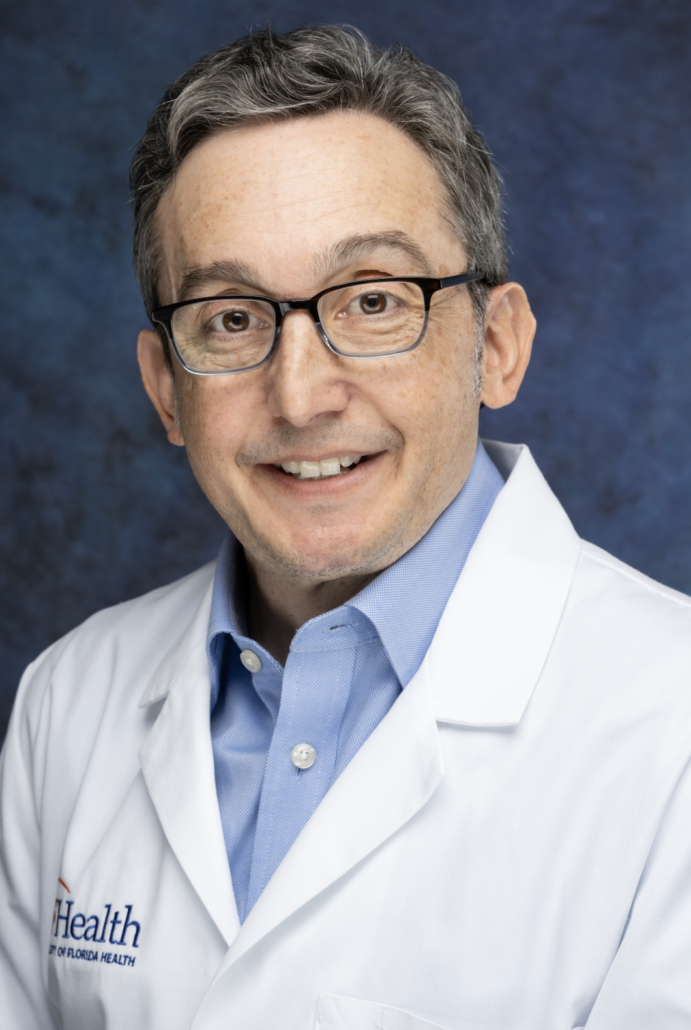
Michael S. Okun, MD, is Adelaide Lackner Distinguished Professor of Neurology at the University of Florida, Director of the Norman Fixel Institute for Neurological Diseases, and National Medical Advisor of the Parkinson’s Foundation.
#80: Michael Okun — The Parkinson's Plan, prevention, care, and the future of Parkinson's disease
In this episode of Stimulating Brains, I am delighted to welcome back Michael Okun, neurologist, movement-disorders specialist, Adelaide Lackner Distinguished Professor of Neurology at the University of Florida, Director of the Norman Fixel Institute for Neurological Diseases, and National Medical Advisor of the Parkinson's Foundation.
Mike was previously on the podcast in episode 25 together with Kelly Foote. This time, we focus on his new book with Ray Dorsey, The Parkinson's Plan: A New Path to Prevention and Treatment.
The book argues that Parkinson's disease should not only be treated after diagnosis, but also understood as a public-health challenge that demands prevention, better care models, patient advocacy, and policy. We talk about the PLAN framework: Prevent the disease, Learn why it begins, Amplify the voices of people affected, and Navigate the frontiers of treatment.
We discuss environmental risk factors such as pesticides, solvents, dry-cleaning chemicals, air pollution, and paraquat; the idea that "prevention is not a pill, it is policy"; the Parkinson's 25 and the 0-10-100 by 2035 goal.
We also talk about what a real care plan should look like for people living with Parkinson's today, including movement-disorder care, rehabilitation, mental health, caregiver support, exercise, speech and swallow therapy, sensors, and access to multidisciplinary teams.
Since this is Stimulating Brains, we also return to deep brain stimulation and neuromodulation: where DBS fits into the broader Parkinson's Plan, what circuit-based therapies may still teach us, and how future treatments might connect prevention, biology, devices, genetics, and care.
Michael Okun 00:00that it's really not a book. It is a book, but philosophically, it's not really about a book. It's about creating a movement. You're going to have a certain amount of information that science brings to you, and the scientists are going to have to say, enough is enough, we can't do a randomized study. Are we going to take the risk long-term to say we have enough information to bring these things out of the environment, like what Europe's doing, and then just measure and see what happens. But we have all the chess pieces, Andy. We have all the pieces to make a great care model for these people. They just have to be rotated. It's like a good team. They have to be rotated in and out at exactly the right time. Welcome to Stimulating Brains. 01:00Hello and welcome to Stimulating Brains.
Andreas Horn Today I'm very happy to welcome back Michael Okun, neurologist, movement disorder specialist, Adelaide Lackner Distinguished Professor of Neurology at the University of Florida, Director of the Norman Fixel Institute for Neurological Diseases, and National Medical Advisor of the Parkinson's Foundation. Mike has been on the podcast before, in episode number 25, published on July 15, 2022. Together with Kelly Foote, we talked about DBS Think Tank, connectedness in the field, the Tourette DBS Registry, closed-loop stimulation, tic detectors, mentorship, and the unique Gainesville neurology neurosurgery culture. This time the main anchor is his new book with Ray Dorsey, The Parkinson's Plan, A New Path to Prevention and Treatment. 02:00The book argues that Parkinson's is not only a disease to treat after diagnosis, but a public health challenge we should try to prevent, understand, and organize around. The book is structured around the acronym PLAN. Prevent the disease, learn why it begins, amplify the voices of people affected, and navigate the frontiers of treatment. So today I would like to ask Mike what has changed since our last conversation, what this new book adds to ending Parkinson's disease, how strongly we can see the impact of the disease, and how we can improve the health of our patients. Tip Tip Tip Tip Tip Tip Tip Tip Tip Tip Tip Tip Tip Tip Tip Tip Tip Tip Tip Tip Tip Tip Tip Tip Tip Tip Tip Tip this is fantastic. Last time you were here on the show with Kelly Foote in episode 25, 03:05what has changed most in your life and work since that conversation? That was July 2022. Yeah, well, you know, first of all, thanks, Andy, for having me on again. I'm a big fan of the podcast, of the work, and of course, the dialogue is so important in science and that we're all talking to each other. And so I can't believe it's been since 2022. I mean, just the time flies. And I mean, I think, you know, a lot has changed. And, you know, I think for people listening, you know, I think that one of the fundamental exciting, you know, shifts has been that, you know, the Parkinson community has really, you know, amplified their voices,
Michael Okun you know, stepped up, started to, think about, you know, like what we can do to really, you know, move the needle. And, you know, 04:01between 2022 and 2025, you know, I feel like we were all trying really hard and advocating and, and, you know, really trying to get our voices to resonate together. But I feel really good. And I've been in the field a long time. And I feel really good about the fact that that folks are starting to come together. And I think that the key is, is that people are telling their stories. And really, you and I and all the scientists and clinicians, we can talk all we want. We're like little bobbleheads. And, you know, and we can just keep going. But until all the people with, you know, any of these diseases, not just Parkinson, but other neurodegenerative movement, neuropsychiatric disorders, when they tell their stories, it's really powerful. And it's powerful across continents, it's powerful across regions of the world. And I just feel like, you know, I'm not going to be able to do it all at once. But I think we're starting to tell our stories better, and, and come together. And we 05:00saw that in polio and HIV and several cancers. And so I'm excited. I think since 2022, I think people are telling their stories. So I think it's, it's just wonderful.
Andreas Horn Fantastic. And then I usually start with hobbies in the podcast as a first icebreaker question.
Michael Okun I did not do so I think in the first episode. So I asked you before we go into Parkinson's,
Andreas Horn what do you do when not working? Yeah, so I have two kids.
Michael Okun You know, one of my kids is going into public policy. And, and then my daughter, my younger daughter is getting ready to be a senior in high school. And, and I'm a huge baseball fan. So like, for those people that that, that, you know, that know me, I mean, I just absolutely followed the statistics and the cards and memorize the numbers when I was a kid. And, and, and so my latest adventure is, my daughter and I are trying to go to a all the major like baseball stadiums. And, and so we've, we've been to 14 of 30, you know, 06:02together. And, and, you know, we may or may not, there's a rumor with the World Parkinson's Congress coming up in Arizona, there's a rumor she might be with me, and there might be a side trip, you know, going there. And, but we take every opportunity to do that. And we have a, a little ritual where it doesn't count unless we go together. And we have to buy the home team's cap and we have to root for the home team, even if we don't like the home team. So that's our ritual. That's great. I'm sure there is also just the going to on a trip to a different city with your daughter, Joy involved in that, that that sounds lovely. And I see three bats in your background, three baseball bats all signed, it seems from people.
Andreas Horn Yeah, yeah. So I live this great life of, you know, like, I've really gotten to meet some pretty interesting people along in my world.
Michael Okun 07:01The bat on my right was when I was a kid. That's a broken bat from the two-time MVP, Dale Murphy, that we used to follow around. He was an Atlanta Brave. And we trained where the Braves and the Expos trained where I lived. And so we would go there every day. My best friend, Chris Meyer, we would go there every single day and follow the players and everything. And so I have a signed bat from Dale Murphy. He was really, when we were kids, he was afraid that when I was holding the bat, all the kids were around him. He's like, let me sign that kid's bat so nobody gets hit in the head with the bat. I mean, he was just a great person. And then on the wall behind me, there's a couple other bats. Kirk Gibson, who's a friend and has the Kirk Gibson Center in Michigan, has done amazing work and really opened something really quite transformational. for that community. And so that's a back about taking out Parkinson from Kirk, which I appreciate. And the other one is Albert Pugel, who hit a 700th home run and recently retired.
Andreas Horn 08:06So yeah, I love this stuff.
Michael Okun The ball is from a patient. I was standing in the waiting room and a random patient handed me a ball that said, from Joe Torre, who's a very famous manager and player from the Yankees. And, you know, just people are so...
Andreas Horn So kind, you know, to me, I've gotten all sorts of interesting things where people just know I'm interested.
Michael Okun It's a wonderful, it's wonderful. And it just tells you the goodness of people in general. And then there is a tricot of Pele, signed tricot of Pele as well.
Andreas Horn Yeah. So, yeah, there is a signed Pele behind me and a shirt.
Michael Okun And I actually, no disrespect, there's also a Messi behind me as well. But I do think... I think Pele was the most fun player, you know, to watch. He brought a certain joy. Messi brings a lot of joy too. 09:00But there was certain joy in the way that he played the game. And I think that was really, really something special. And above Pele is the miracle on ice signed by all of those kids. Those were college kids that beat the USSR in the 1980 hockey US versus USSR, which was a big thing when I was growing up, you know, between the two. But they're signed by all those kids. And those college kids... Those college kids beat the professional level Russians. It just shows you what a team can do. And yeah, so I think there's a lot of great, great lessons in these moments. It's the first episode where I think we should have the video online too, but we typically don't.
Andreas Horn But yeah, so now people can imagine where you sit.
Michael Okun Thank you. Now let's go back to Parkinson's and your work. I think this episode we wanted to discuss your new book, You and Ray. Dorsey had previously co-authored Ending Parkinson's Disease.
Andreas Horn What made you feel that the new book, The Parkinson's Plan, was needed now? 10:02How are they different? What is the new book about? Yeah.
Michael Okun So way back in 2012, 2013, I had written sort of one of the first patient or person facing books called 10 Secrets to a Happier Life. And in the prologue to that book, I had perhaps irresponsibly used a phrase. You know, sometimes you get, you're in the prologue, you're in the introduction, you maybe give yourself a little bit of latitude. And I had used the term called the Parkinson pandemic. And it actually set off a lot of people like, you know, negative, positive, you know, in different ways. And this is maybe before we had as many counts of where Parkinson was headed in terms of its growth. And it just seemed that.
Andreas Horn Yeah.
Michael Okun You know, from the time that I started several decades ago to now, there were all these cases and even young cases. And, you know, there were a lot of explanations. 11:00People would say, well, maybe they're we're not counting them right. Maybe, you know, it's diagnosis, maybe it's all these things. But the number of total cases globally seem to be going up. And then Bill and Melinda Gates formed this foundation called the Gates Foundation, and they started to put money into measuring these things. And so one of the most important studies of our time is the Global Burden of Disease Study. And it revealed before we wrote the book, Ending Parkinson Disease in 2020, that those rates were going to skyrocket to 12 million by 2035, if you do the math. And so Ray Dorsey, who's a coauthor and of our current book and coauthor of that book as well, he's he's amazing. He actually did some he was a consultant for McKenzie as well before being a neurologist. And so he has a lot of really cool skills. And so so we, you know, bantered and argued and looked at the data.
Andreas Horn Yeah.
Michael Okun at it and turned it upside down. So by 2020, we were pretty convinced that the cases were rising. And so then people went from alarm, you know, you're creating alarms on the pandemic in 2012, 12:022013 to we have some data by 2020. And now by 2025, people, you know, most people are like, okay, there's a problem here, you know, whether we, you know, like whether we argue about what's got us to this point, but there's a growing challenge, let's say, instead of problem. And the challenge is that the new cut of data shows that we're at between 11 and 12 million, where we should be at 2035 already now. And so that growth is really tremendous. And, you know, however you want to explain it, it's time to have the dialogue. And so what drives the plan is, I think that we really need a plan to deal with this. And so that was really the burden. of the second book. And I should say the first book was written by three good friends of mine, Bostrom Bloom in the Netherlands, who's just an awesome force for good in the world and in 13:03Parkinson disease. And Todd Scherer, who at the time was the CEO of Michael J. Fox Foundation, and Ray Dorsey, who at the time was a professor at the University of Rochester in New York, and now he runs a nonprofit. You know, piece of atria health, you know, for a preventative medicine center. And so there's, there's have been really great, great people to work with.
Andreas Horn Fantastic. I heard you say that with the new book, and maybe before that already,
Michael Okun you're trying to create a movement or endorse a movement or, you know, put more effort into a
Andreas Horn movement. What was missing? Maybe in the Parkinson's field that made such a movement
Michael Okun necessary, you talked about raising the voices and talking and being able to do that. And I think that that's a big thing that we are seeing happening in the world that are happening in the world that are happening in the world that are happening in the world that are happening in the world that are happening in the world that are happening in the world that are happening 14:03in the world that are happening in the world that are happening in the world that are happening in the world that are happening in the world that are happening in the world that are happening in the world that are happening in the world that are happening in the world that are happening in You know, where I became convinced, at least between those three books, you know, from 10 Secrets to a Happier Life to Ending Parkinson to The Parkinson's Plan, where I became convinced that our shortcoming is that we haven't created a movement like other diseases. And so we were able to dig into HIV and polio and breast cancer and really study those, you know, diseases and see how they made their advances and really moved. And in the case of polio, moved toward a cure.
Andreas Horn Interesting sidebar was when we put out the 2020 Ending Parkinson Disease book, the book was supposed to be titled The Parkinson Pandemic.
Michael Okun 15:00And this was before COVID, right before COVID. And the publisher, everybody who's published a book knows the publisher wants to change the title 100 million times. And the publisher thought it was, it was a huge, like, back and forth argument. And the publisher thought that the pandemic was too alarmist, you know, and not a good thing. And then it turned out the book came on the market in the same month that COVID, it was like March of, you know, 2019, came right at the same moment. And then the publisher was like, oh, crap, like, that wasn't going to be the perfect. You know, title for the book. But, but, you know, when you dig in and you look, I think the lessons of all of these other diseases we have to follow. And, you know, you and I and others have been in the field a long time and we've been, you know, like pounding and pounding and pounding. But we haven't gotten there. We haven't hit that inflection point where enough people were involved and telling their stories and, and really moving. 16:03And I think that's the, the needle in a way that was going to create change across regions and across the world.
Andreas Horn And I feel like we're beginning, you know, we're at the beginning of, of a movement. And so I always tell people, you know, first of all, all the proceeds from the books that I've written and Ray and others, we give it right back to the cause, you know, into different causes and charities and things. And so it's not about, you know, like that for us, you know, like what it's about for us is, you know, can we create a movement?
Michael Okun And if I sign your book, you will often see I'll put three words in it. And if I get time, I like to write a lot because I'm kind of a verbose guy. But I'll put tell your story in it because I think that's the message. Like we can keep talking over and over, you know, and rolling through all the issues and everything. But I think that's the fundamental. So I think if we create a movement like polio, like HIV, like breast cancer, we can change and create a lot of impact.
Andreas Horn 17:04Fantastic. And then the book is organized around plan, the acronym plan, P-L-A-N, prevent, learn, amplify, and navigate. How did that structure emerge? Yeah. So, you know, one of the interesting things about writing with people, it's, you know, it's fun, right, when you have a group of people.
Michael Okun And so Ray and I in particular over the years, we banter, argue, you know, go back and forth. I mean, he'll like read something that I write. And he'll say, this just doesn't resonate. And then I'll rip it completely up and then talk to him a week later. And he'll be like, oh, my gosh, I didn't mean for you to get rid of the whole thing. And I'm like, well, you know, like if that didn't resonate, then I started over, you know, because I really want this to resonate. I want it to, you know, like folks to, you know, like really think about it.
Andreas Horn And, you know, one of part of our journey has been resonance, right? 18:02And. And understanding the core concepts that changed, you know, other diseases and try to apply them to our disease. And and also as researchers and clinicians, we tend to be poor communicators. And sorry to pick on anybody who's listening, but we tend to not communicate well to the masses. And sometimes we communicate to each other really well. And so that was a challenge. And then thinking about how do we take?
Michael Okun You know, what message we want and package it.
Andreas Horn And so in the book in 2020, the book ending Parkinson's disease, you know, it's it was, you know, as we're writing it, it started more like a chapter book, you know, like a bunch of chapters, you know, and everything. And I said, you know what?
Michael Okun Let's rip this up. This is a chapter book. Like we've all written chapter books before.
Andreas Horn What is the concept? And so then we got into this whole idea of what's the philosophy? 19:00What's the concept?
Michael Okun And it took several years to write. Each of these books. And in that case, the concept that we came up with, the framework was the pact. And of course, I kind of this is kind of like I like to riff on these things probably more than the other guys do. Like, like, just keep keep riffing it over.
Andreas Horn And it was like, what is it that changed these other diseases? So in that case, it was prevent, advocate, care, develop new treatments. But a pact is not a plan. So so then you say, well, why?
Michael Okun You know, we didn't get as much resonance and you could blame it on covid. You could blame it on other things. We got some resonance, but we didn't get the resonance that we really wanted to get. And and it sort of reminded me of this story that I tell over and over. And I'll ask you to forgive me because I'm going to tell it one more time here for your listeners. But I have a son who's headed to college this year. But when he was in second grade, third grade, somewhere around that age, he was very young and he became a very good chess player. 20:00And when we were playing chess one night, he. He beat me before bed and then we played again. And I'm not a bad chess player, by the way. And then he beat me a second time. And I was like, OK, this is it. So we set up. And as he was beating me the third time, he stops. And this is like a six, seven year old kid. He stops and he says, you know, dad, you know what your problem is.
Andreas Horn And I said, no, Jack, what's my problem?
Michael Okun And he said, your problem is you don't have a plan. Every time I sit down, I have a plan. It's from like a six, seven year old kid, you know, and you're thinking this is actually, you know, fairly profound. And, you know, when you think about, you know, like so we wrote this book ending Parkinson's disease. It really wasn't a plan. It was a pact. Right. Like even like that. But, you know, and it was powerful, I think, as a starting block. But we really need to get a plan. And Ray and I aren't saying that our plan that we laid out is the plan. In fact, we got it from talking to dozens of people all over the world.
Andreas Horn 21:02Which was, you know, probably the most fun part about the book was interviewing as many people as we could. But it's more about starting the dialogue and starting the movement. And so people begin to think, what are the fundamental pieces and things that we need to put into place to create a movement that could actually change the disease?
Michael Okun So that people like you and others who are listening to the podcast who are working on such great science can have the hope that we're going to translate this with this short film. And so I think it's really important to create a short of a latent period. I'm going to talk like a scientist. As short of a latent period as possible to create a massive change in a disease we all care about. I love it.
Andreas Horn I mean, it is just so actionable, right?
Michael Okun It has. It's not just about, you know, topics. It's not a classic clinician written Parkinson's book. It is really a plan for action. The book seems hopeful to me, but not soft.
Andreas Horn How did you find the tone between urgency, advocacy and hope? 22:02Yeah.
Michael Okun So, I mean, I do think that it's really important that we're kind. We're empathetic. We reach the level of compassion, which is, you know, one level beyond empathy. And I think that all those things are important. However, I think that we have to be thick skinned. I think we have to be tough. I think we have to ask ourselves tough questions. And even the folks that are, you know, out on the front lines. With these diseases and the family members, you know, we have to have a. There's a certain amount of just plain honesty and truth. And that we have to, you know, recognize. And if we keep, you know, sort of, you know, kind of walking lightly through all of these, you know, things. Oh, we're doing fine. You know, oh, you know, like this is. Oh, don't worry. You know, no. I mean, you know, fundamentally, you know, I want every person that I treat. 23:02I'm a doctor first. Always was a pure clinician, not a researcher. And as a doctor first who then found research later, I always think of it from the compassionate side. I want my folks that I take care of to have hope. But I also think it's important that we recognize this is a neurodegenerative disease. And it's going to be up to us. And that Hippocrates told us, he taught us diseases have causes. We need to understand the root causes.
Andreas Horn Why does it start? Why does it spread? You know, why does it progress?
Michael Okun If we can understand the root cause, then we can get to really meaningful treatments. And maybe in some cases, depending on subtypes, even, you know, and I use this, you know, lightly, you know, like even something very powerful approaching, you know, a cure for some of the subtypes of what we see. So, you know, I think we have to punch hard. You have to be kind, but we got to punch hard.
Andreas Horn 24:01Yeah.
Michael Okun And punching hard. Punching hard means we've got to take a closer look at ourselves. And I think we're in some respects, we're not. And and then the stories, you know, the book is a book of stories, really. And the stories, you know, help us to understand the real people and the real people. They're not like, you know, naive, like they know, you know, like what's going on and they still have hope. And they inspire us, but they're not naive and they don't want us. You know, not punching hard. They want us to punch hard. And so finding that balance, I think, is is really important. The book argues that Parkinson's is one of the fastest growing neurological diseases.
Andreas Horn You mentioned the global burden of diseases study from the Gates Foundation. What do you think most physicians, neuroscientists, policymakers, maybe even patients still underestimate about that rise? Yeah.
Michael Okun So, you know, actually, the first global burden of disease study. 25:02It was the fastest growing neurological disease. I mean, even faster than, you know, strokes, anything that you could think of, epilepsy, any anything in the neuro. And that was, you know, that that's kind of mind blowing, faster growing than Alzheimer's disease. When the second cut of data came out, they included more diseases like Zika virus and things like that and some of those infectious diseases. So it dropped, but it remains the fastest growing neurodegenerative disease. The pattern of growth is faster than Alzheimer's disease.
Andreas Horn And I always say that should just give us some pause here. You know, will it catch up to Alzheimer's disease?
Michael Okun Probably not, because there's you know, there's five to one or more difference in that. But, you know, it should like wake us up to say, whoa, you know, for all the people out there that say Parkinson's is just a disease of aging. I'll just remind them of the expanding number. I call it the drip, drip, drip in the literature of young onset cases. 26:01And also. Remind them that the majority of the young onset cases, only about 20 percent are associated with the gene. And we were taught the gods of Parkinson's disease. Andy taught us that, oh, if you have Parkinson's under 50, it's probably a single gene. It might be multiple genes and probably things we don't understand yet. But but, you know, it's about 15 out of every hundred with a single gene. And it's and when you have young onset Parkinson's below 50, it's about 20, you know, out of 100. So, I mean, you know, there's like huge amounts of data that show. You know, these relationships. And so so I think that we have to be careful when we generalize that this is just a disease of aging. We have to ask ourselves the philosophical question, like a lot of people walk around saying, if you live long enough, you're going to get, you know, Parkinson's. And then the thing that I regret the most about my own career is early in my career, people would come to me and lots of people actually would come and they would say, you know, I have Parkinson's. 27:01I have Parkinson's. I have Parkinson's. I have Parkinson's. I have Parkinson's. And the guy over here has it. And the woman over here has it. And there's a whole bunch of my neighborhood. And this just seems a little too much. And a bunch of these people are young. And I would say, oh, that's just a coincidence. That's how I would like to say it. I would say, you know, 20 years ago. And then one paper comes out and two papers and three papers and 12 papers and 25 papers. And so, you know, I think we have to pay attention to that. I do believe that a lot of the criticism. Criticisms of the growth are legitimate.
Andreas Horn Are we diagnosing more cases? Are we seeing areas of the world where we're declining in numbers?
Michael Okun All of those things are true as well. But we just have to kind of come to terms with, you know, the global changes. And then I will just mention, because I'm in the United States now, you're in Germany, that Germany, the Netherlands, and the U.K. have all come out recently with numbers. 28:01And we're seeing a number of numbers showing leveling of the incidence of Parkinson's. And it's absolutely awesome and very inspiring to us to watch that. You know, it's the first few papers that are coming out showing this. But remember, it's been decades ago that you all, you know, took the courageous step to ban, you know, certain pesticides and chemicals. And in Germany, it's illegal to have a grocery store next to a dry cleaner. You know, like you've thought about all these things. And so. So, you know, and so what we're not saying is, is Ray Dorsey and I want to be right. We care about being right or wrong. What we care about is let's look at the data. Let's let's be courageous. Let's make some decisions and let's see where it brings us.
Andreas Horn And can we get to a better a better world?
Michael Okun Maybe we can start with the letter P prevention. The boldest claim likely arguably is in the book is that many cases of Parkinson's may be preventable. 29:00And you spend a great deal going into that. I think, you know, all of this is very clear to you as an expert.
Andreas Horn But many people listening to this, including even people from the DBS field that are younger, might be shocked to hear about all these, you know, pesticides and so on and have not even made that connection. So could you give us a, you know, high level overview of that feel of the causes that we're suspecting to play a role and maybe the ones? Yeah. Yeah.
Michael Okun So so the P is for prevention, as you mentioned. And and I'll just say, like, off the top, you know, let's not be left behind by heart disease and diabetes and all of these other disorders that, you know, that that we're thinking about primarily preventing a disease from occurring. And it's almost like we gave up. Like we never tried. Like we thought, oh, neurology. 30:00Well, that's a good point. Well, neurology, that's a good point. You know, neurology, that's a good point. And even those of us that went into neurology, you know, the beginnings of our career, there were very few fellowships and things. And then it sort of has blossomed into a specialty where we're understanding a lot more about the different diseases, you know, and so evolutionarily we're changing like internists changed into cardiologists and they changed into nephrologists and they became primary prevention of heart disease. And it's almost like we gave up or we didn't, you know, really give that effort.
Andreas Horn Yeah.
Michael Okun I would say to all the young people is don't give up. I mean, seriously, you know, like,
Andreas Horn like, why should we not think about primary prevention and, and, and preventing a disease for this generation and, and for the next? The second thing I would say is sometimes,
Michael Okun you know, things hit us in the back of the head and not in the front of the head. And I think this story kind of hit everybody in the back of the head. And then when they went
Andreas Horn back and started to look at all the papers, they were like, oh, of course it's obvious, right?
Michael Okun So, you know, for those people that are listening, there are all sorts of statistics, 31:03like odds ratios and things. And if you go to Las Vegas and you, you know, you place a bet and nobody wins, they call it a push. And then if there's a higher chance of something happening, you have a higher, you know, odds of that. Right. And so in our statistical terms, those are usually above one. And then below the number one is, you know, things that are preventative and we're learning on both sides, but, you know, you think about this drip, drip, from different countries, different groups, different ethnicities of data that's coming out. And, and then at some point you just have to look
Andreas Horn at all the data and say, what is it telling us? And some of these numbers are huge. So
Michael Okun chemicals like trichloroethylene, the odds ratios are astronomical, like, you know, for being exposed to that, both for Parkinson's disease and for cancer. Right. And so all these dry cleaning chemicals, all these, you know, in the next military bases, you know, getting into water supplies. Dr. Andy Roark 32:09like Paraquat and others that we suspect, you know, and of course there's very little research, you know, on a lot of the biology, but we suspect that they, you know, they hit really important systems like the muscle systems in each one of your cells called the mitochondria. And, you know, we're just, we're, we just keep accumulating this data. So then we write this book and people are like, oh my gosh, like, like Ray Dorsey and Michael Okun have gone off the edge of the, they finally, you know, like you hit that point in your career where everybody says you're crazy,
Andreas Horn right? Has he hit it? Like, maybe it's time, like, you know, like he, Ray and he, like they've gone
Michael Okun over. And so I think for some scientists that were in the field, the first reaction was that. And then the second reaction was read the book. The third reaction was go look at the data yourself 33:00because that's all we, I don't like, I don't want to make anybody believe anything that they don't believe. Sure. And Ray and I have all these arguments, like, so he had to convince me. And then when we were on NPR, you know, Todd's white, he, he was talking about how important it is to be skeptical in science and how he loved the fact that Ray and I were this like back and forth. And I was very skeptical of all the prevention arguments. And then we kept pulling the data and looking at it. He's like, Ray's like, I have to convince Michael Okun. If I can convince Michael Okun, then maybe this is a, you know, like, so we go back and forth for years, like going through all the data. And, and then people start to, you know, they start to, you know, they start to, you know, they start to, you know,
Andreas Horn they start to look at it and then they say, wait a minute, why didn't I know this? And some people
Michael Okun say, I actually kind of knew this, but wasn't paying attention to it. And, and so, you know, and then the, to get to causation, you know, is really hard, right. You know, for an individual person and you can't randomize half of the room. So when I've done book events, I always say, you know, would this half of the room like to get paraquat and this half of the room not, 34:03and then we'll see what happens. You know, you can't, do that. Right. And, and so it's not ethical. It's not right. And so at some point, and, and I think this is, you know, like one of the things that makes people uncomfortable when they read the book and that's kind of what we want to do. Sorry about that for everybody that's reading. We want to make you feel a little uncomfortable at some point with any disease, you're going to have a certain amount of information that science brings to you. And the scientists are going to have to say, you know, enough is enough. We can't do a random study. Are we going to take the risk long-term to say we have enough information to bring these things out of the environment, like what Europe's doing and then just measure and see what happens. Maybe Ray Dorsey and Michael Okun are wrong. Maybe we're right. Maybe it's somewhere in the middle, but at some point we're going to have to have the courage because you're not going to get that randomized golden study, but you do have the potential to join cardiology and join, you know, 35:02diabetes and join these other diseases and start talking about this generation. The next generation for diseases, because I do think it would be a wonderful moment, you know, decreasing the incidence of Parkinson's. And it's one of the three things that we call for in the book by 2035, we really want to level the incidence of Parkinson's and we think it's
Andreas Horn possible. Fantastic. You did mention Europe a few times and I did see you on social media posting about vineyards in France though, right? That also have problems. Can you summarize that?
Michael Okun Yeah. So, well, first of all, my apologies. All of my friends who are wine drinkers and particularly European wine drinkers from France, but there have been studies of both in vineyards and then also of wine, you know, for people associated with degenerative diseases, they've even lined up the bottles of wine and tested them for, for pesticides. And I think either almost every bottle, you know, had pesticides in it. 36:02And, and so you have to, I think now, begin to appreciate it. And I'm not saying right or wrong, just appreciate the fact that,
Andreas Horn that a pesticide, what is it? Well, the Latin word side means killer, right? And the idea isn't to
Michael Okun like kill you. The idea is to put this, you know, chemical, you know, or toxin, toxicant onto a, you know, a fruit or a vegetable, like a grape and keep the pests off of it. Whether it's an
Andreas Horn insect, insecticide, right? Killer, kill the insect.
Michael Okun Right. Fungicide, kill the fungi. Right. So you, you begin herbicide or you begin to think,
Andreas Horn okay, what are these things designed for? But they can end up in the food chain. You know,
Michael Okun they can end up down that food chain. And so, so you see it in vineyard owners. We tell the story of a vineyard owner that, that actually went to, you know, got arrested and, and into a lot of trouble, but eventually vindicated, became a hero of the movement for refusing to put pesticides. 37:03And the government was saying, you have to put pesticides. There are countries in Europe, like Italy, that, that banned the use of pesticides on their wines. I think that's, you know, a good thing. That's that, you know, for you wine drinkers, that's the, the rectangular label on the top of the Italian wine. And, and so, you know, thinking about these things, I think is important. And we're not saying right or wrong. I'm just saying they're there and, and, and we just don't think about it. And so I think part of the anger that we are seeing are people are saying that, are we, are we, are we, are we, are we, are we, are we, are we, are we, are we, are we, are we, are we, are we, are we, are we, are we, are we, are we, are we, are we, are we, are we, are we, are we, are we, are we, are we, are we, are we, are we, are we, are we, are we, are we, are we, are we, are we, are we, are we, are we, are we, are we, are we, are we, are we, are we, are we, are we, are we, are we, are we, are we, are we, are we, are we, are we, are we, are we, are we, are we, are we, are we, are we, are we, are we, are we, are we, are we, are we, are
Andreas Horn 38:06these things. Yeah, no, totally. I mean, what I find so powerful about the book is that it is,
Michael Okun it does not treat Parkinson's just as a disorder to, you know, once you have the diagnosis,
Andreas Horn what do you do, right? Which is also part of the book, and we'll get to that later. But also what should society do to prevent it, right? And to treat the causes. And there's, as you say,
Michael Okun growing evidence from multiple sources. And again, as you say, it's not experimental evidence,
Andreas Horn right? There's no gold standard and randomized controls and all that. But it's,
Michael Okun it's a growing body of work. If we want to shift the prevention now to an egoistic person that
Andreas Horn doesn't want to get Parkinson's, what would be clear tips? Move away, move away from a golf course, don't drink French wine, but Italian wine. Other tips? Or yeah, can, would that work even?
Michael Okun To think? Yeah, so I think it's important. We provide a, you know, something we call the 39:01Parkinson's 25, whether you have Parkinson's or not. And remember, like, if you're a smoker,
Andreas Horn and you get lung, which I hope you're not a smoker, and I hope you don't get lung cancer. But if you do, the first thing the doctor tells you is stop smoking, right? So if you are exposing yourself
Michael Okun to things that could, you know, you know, cause or worsen disease symptoms, you should probably think about, you know, taking yourself out of that environment. So it applies to people with
Andreas Horn or without disease. Okay. So we have a Parkinson's 25 in the book, and it's 25 things that you can do to kind of be practical. What are my favorites? Like, you know, like, you know, in terms of,
Michael Okun like, if I said to you, Andy, I know you can't hold 25 things in your brain, I can't hold 25 things
Andreas Horn in my brain, what are the what are the, you know, three, four or five things to think about? Number
Michael Okun one, put a carbon water filter on your drinking water at home, particularly if you can't test your drinking water. And if you get well water, and by the way, we've known for decades, decades and decades and decades, very early on, Parkinson's and well water, it's been on every exam that people
Andreas Horn 40:00take, you know, for things. So why is that? What's the well, what's in the well water, right? So,
Michael Okun so, thinking about that is important, a carbon water filter, most refrigerators actually have a carbon water filter, you need to change it every once in a while. And, and you're drinking water on your sink, you know, really important. So, so that would be number one, water. Okay, number two, air, air, not just for Parkinson's, but also, especially for Alzheimer's, Lewy body, other, you know, neurodegeneration, you know, the nose is the gateway to the brain, right through the olfactory lobes. And so, so air is number two, getting an air purifier, particularly if you live in an area where there's, there's a lot of pollution, but also smoke and other things, you know, in the air, like here, the air quality in my house on my air purifier is a zero, you know, with the windows closed and everything, but we do get an occasional wildfire that we have, you know, here along, we don't have a lot of industry, which is, you know,
Andreas Horn another reason why people might start moving out, you know, as they learn this data, people are
Michael Okun 41:00going to choose, we tell some of those stories to live in different places. So, so air, okay, and then food, remember those sides that they're the killers, they're on the food to kill the pests, not to kill you. You don't want to put them into yourself, washing your fruit, you know, copiously with water or getting a vegetable wash from, you know, any of a number of different supermarkets or things is, you know, can be really powerful to, to getting the pests. I eat organic. If you can, it's more expensive. You also don't know the food chain. So sometimes it says it's organic, natural. I don't want to shock anybody. It might not be, but, but certainly, it's definitely safer to go in that direction. Exercise, you know, super important. We know from data, 7,000 steps a day makes a difference. You don't need a statistician, Andy, to tell you that it's Google data. There's so much data. It just says there's something between that sweet
Andreas Horn spot between 7,000 and 10,000 steps. Where does that translate to? It's about four 20 minute walks
Michael Okun a day, you know, if you can. And then if you can't do that, then recumbent biking, you know, 42:03biking with a back on your chair or, or, uh, you know, a cycler that's, that's set in front of you, make sure you don't trip, you know, the equivalent, you know, working on an equivalent with your, with your team, really powerful. Okay. Both for prevention of disease, we think, and also for treatment symptomatically. And then I would say my fifth favorite one is probably sleep.
Andreas Horn And, uh, and when I ask people, you know, how do you sleep? And then I ask them the second question, how do you know you're sleeping? Well, you know, they don't,
Michael Okun really know. And now we have so much power. I mean, I got a, I got a watch that can tell me I got a ring, I got a phone, I got all of these, you know, like items. And so, you know, Parkinson's is going to have fragmented sleep. Right. And so we know that. And so don't, you know, like focus so much on the fact it's going to be fragmented, but the total number of hours of sleep, getting that to six to seven hours is really powerful, both symptomatically. And then also there's this system. It's still a little bit debatable about 43:02how it works in science, but it's a really cool system called the glymphatic system. When you and I were residents, it didn't exist. You know, it tells you how new it is. And it's, it's like, when you have a party in your house, Andy, and like everybody comes over and you're all, you know, it's Oktoberfest and, you know, and they, and then they leave all their stuff all over your house, the beer bottles, the things, and you and your wife are left to clean it up. Okay. At the end of the night, that's what your brain looks like, you know, at the end of each night, whether you have Parkinson's or not, and it's even messier. If you have Parkinson's. And so that sleep, we believe, you know, the, you know, the, the majority of the data is showing us that, that, that sleep is helping those systems called the glymphatic systems to clear out, you know, that mess that's in your brain each night. And we think that's important. It's also important symptomatically. So, so, you know, we think about water, we think about air, we think about food. Okay. As the three exercise and sleep. So if I was going to do five, those would be the five things I would pay attention to. 44:01Is there one, action of the 25 that really rather requires policy change rather than individual behavior
Andreas Horn that comes to mind? Yeah. So there's more than one action in the 25. And, and, and let me just say,
Michael Okun we wrote an editorial recently about this and the title of the editorial was, you know, that, you know, prevention is a policy. It's not a pill. Yeah. Prevention is a policy. It's not a pill. Right. And, and so, we have to begin to think in that way of, of changing what we're doing. And also, you know, this might shock people that are listening, but not just in the United States, but all around the entire world, we spend two to four pennies on every dollar, if it was a US dollar, which is still, I think the standard in most places, but not all, but two to four pennies out of every dollar are spent. So two to 4%, you know, is spent on prevention and prevention 45:00research. Is it any,
Andreas Horn like wonder, should you like think to yourself, Oh, well, why don't we have any prevention? Well,
Michael Okun you're not spending anything or thinking about anything. And we also don't invest in long-term and you can ask any researcher, particularly clinical researchers, anywhere on the globe, does your country, does your, you know, your funding agencies, will they invest in longitudinal
Andreas Horn research? They'll say, no, they can't afford it. You know, like, so, so, you know, it's mostly
Michael Okun cross-sectional. So for people who are, you know, who are, who are, who are, who are, who are, who are, So for people that are listening, those are short term things. So getting past one year and two year outcomes, you get to two years or three years, like, wow, you publish a study and you're like, I have five year outcomes. It's like, oh, five years like this is me because these things aren't funded. Right. Sure. But to get to prevention, we're going to have to have decades of, you know, investment in at least data monitoring and bringing it back to the public to see what happens so we can have that dialogue.
Andreas Horn Makes sense. Yeah. And I love the quote, prevention is not a pill, it's a policy. What would pesticide free schools and playgrounds, for example, look like in practice?
Michael Okun 46:10Yeah. So most of the kids, your kids, my kids, they don't care that there are weeds on the playground, you know, and you'll see like in very expensive neighborhoods all over the world, you know, and there was one in Palm Beach that Ray went to talk to the group of women that were concerned that all the songbirds were disappearing. Right. And you see these well manicured lawns, tons of pesticides, tons of chemicals that are to make these things look amazing. And everybody says, oh, great. Look at the Super Bowl. Look at everything. Everything looks perfect. OK.
Andreas Horn But, you know, think about our kids like I just just pause and think about it for a second. Do you want your kid exposed to these things, you know, like continuously over time on these playgrounds?
Michael Okun You don't, you know, like, you know, you just don't. I mean, nobody does. The answer is always the same. And so, you know, Ray and I both feel very strongly that that part of this should start, you know, there, you know, like because when we talk about exposure and environment, people should understand that this is a long term thing. 47:13Very hard to measure, but it doesn't mean that we should look away because it's a hard, challenging problem. Something called the exposome is this word people keep throwing around. It's like the new like catch word.
Andreas Horn But, you know, essentially for people listening, all that. What it means is what are you exposed to over a lifetime? So why are we putting our kids in harm's way?
Michael Okun And by the way, head trauma to another Parkinson's 25 avoiding head trauma. Right. So head trauma also puts you at risk for degenerative and other diseases and conditions. And so so there is every reason for us to to shift that focus. And we tell the story about a woman in California and and her son being or her child being dropped off, you know, at at school. And being sprayed accidentally with the pesticide and saying, I'm never going to let that happen again. 48:02And that led to policy change in California and led to the banning because, you know, one person said, we're not going to have this. People used to be able to drive around drunk. OK, before, you know, you know, mad and drunk driving and and people got killed. And then the movement happened and people stood up. They told their stories and they said, we're not going to do this. So at least for the kids, like, I think we should agree. Let's create some pesticide free zones for the kids.
Andreas Horn Like, why would we not do that?
Michael Okun You know, and and so, of course, I'm biased and, you know, but I would say let's have the dialogue. One thing that struck me when I when living in the US, we had small kids there, you know, and looked at daycares and some of them prided themselves with extreme hygiene. Right. They even said we wash everything with bleach twice a day, which, of course, in a way may sound great. Right. But I also felt, OK, but my kids would be chewing the bleach all the time. 49:01Right. So and bleach might not be the main problem here.
Andreas Horn But is that something like where there's a balance maybe between things being over tidy for kids and not being exposed to some dirt and, you know, nature and these things?
Michael Okun Or because I would say that was this different here in Europe, we found also different schools in the US. I think it varies a lot, but where you could maybe from an American perspective think it's. A bit messier in Europe, more maybe more natural, but also less, you know, hygiene in a way.
Andreas Horn Right. So do you have any words on that?
Michael Okun Yeah. I mean, we we sometimes deceive ourselves. Right. And I think, you know, like so, hey, like here it is right here on my desk. Right. So you hit that and then and then I'm rushing, you know, at lunchtime and I'm grabbing my burger, you know, hopefully not a burger. But but, you know, like my my healthy sandwich, right. Vegetarian sandwich, of course. Especially if my wife's listening, something very healthy every day for lunch for me. 50:00Right. And and I put that on my hands and then I and then I pick up my sandwich. Right. And, you know, like we're, you know, like and and then we deceive ourselves, I think, sometimes because it feels good, especially during COVID. It felt really good. Like having this bottle here during COVID on my desk, it's still here. Like it felt good. It feels good to like go, you know, you know, if you're going and you're on a ship or you're on whatever and they say, clean your hands. It feels good to us if we go to daycare, you know, put bleach all over the awesome you're putting bleach over.
Andreas Horn But but there's a price for everything. And so I do think that you got to just sort of take that finger and dig one or two layers deeper and ask yourself, you know, like, what is it that you're doing? You know, what is the benefit? What is the risk associated with it?
Michael Okun And and, you know, and and I think certain things, probably the risk is is worth it. But we really haven't had that. We've had as the reactionary, you know, we've seen pandemics of infections, which are horrible. 51:03So let's let's keep clean, you know, everything. But we really need to have the discussion about how we're doing that. Perhaps clean water is better. Perhaps water that's not in a plastic bottle doesn't accumulate in the tissues of our body or even in our brain. But, you know, like, you know, how many fitness nuts would tell you, you know, they have to have, you know, like they're drinking all the time out of all these bottles. And then you think, oh, my gosh, wait a minute. So there's like we are humans. We are interacting with our environment. We are interacting with our planet. We just need to create the education. And I'm not telling anybody. I will not tell anybody ever what to do. I always say I'm like a cabinet adviser. I'm here to give some advice, you know, but but, you know, make up your own mind, read your own studies. But I think when it comes to these things, you make a great point.
Andreas Horn I would say try to go one level deeper and ask yourself, you know, like what you know, what are these things? You know, what are these things? You know, what are these things? You know, what are these things? You know, what are these things?
Michael Okun And you know, when it comes to bleach and other things with your kids in the in a day care, like ask the question when you're going to your dry cleaner. 52:05Like my dry cleaner doesn't use, you know, a you know, a chemical that I'm worried about. A lot of them have become organic and more green. Ask the question. I mean, that's that's that's what we want to do. We just want to get people information so they can live healthier. And then policies, you know, can be enacted to try to, you know, solidify what we know. and to protect the most, you know, people that we can, but we don't want to tell anybody what to do. We just want to make sure we're, we're, we're bringing forward this information. And then what happens is as you get a book like The Parkinson's Plan where everybody goes, they freak out and they get angry. And they're like, you know, that was the first thing when we did our first book event at a, at a well-known bookstore, when we launched The Parkinson's Plan, we hit the New York times list, like a few minutes before we went out to politics and pros. And, and we, we like, we go out and we're like thinking, Oh my gosh, 53:01like people are reading this. People were angry in the audience. Like they were angry and it stayed every time we do a book event or we talk to a group of people, people are like angry. They read the Parkinson, but they're not angry at us. They're just angry that they didn't know about some of these things. I think that's awesome. I'm sorry to make everybody angry, but I think that's like invoking that emotion, you know,
Andreas Horn so that like now you're thinking to yourself, okay, I read the book. What about my kid's daycare?
Michael Okun That's what I want. I want people to just, just think about it. That's all. Just, just think about it. You know, I think it's important. The book uses a zero, 10, a hundred by 2035 frame.
Andreas Horn Could you explain that goal in your own words?
Michael Okun Yeah. So, you know, one of the things that we didn't want to do was, you know, write another book, both with ending Parkinson and The Parkinson's Plan where we, you know, you write the whole thing and you're like, okay, like, what do I, you know, you're like, how do you like,
Andreas Horn what are the couple of things I need to do for prevention? What are the things?
Michael Okun And so we really wanted to say, okay, let's force ourselves into actionable goals, things that we can, 54:02that we believe that we can achieve. So the framework that we came up with driven, you know, mostly by Ray Dorsey and his, and his background with McKenzie and thinking about these things in a different way. So the framework, as we went back and forth that we agreed was we should go for a zero percent rise in Parkinson by 2035. So that was the zero. And at least 10 times, increase in research, funding with a proportionate amount to prevention. So you get past the 2 cents out of every dollar.
Andreas Horn Okay.
Michael Okun We need a proportional investment, but we also knew from studying HIV polio and different cancers. We knew in our, in our last several projects that the amount of funding is 10 or 15 times less than what we need to move other diseases. So we just can't, we can't have our scientists fighting for scraps. Like we've got to have, we've got to have enough out there because it's going to take a lot of failures to get to a lot of successes. Okay. 55:02And so that becomes the 10 and then the 100 is something that's very personal to me. I just can't imagine that we have HIV drugs for everybody, these expensive cocktails all over the world. Yet we have this, you know, pennies on the dollar, you know, a miracle treatment that makes a difference for people for Parkinson. Yet the majority of people don't have access. And that you can be in a country where they say, Oh, well, it's so cheap. Well, for some people around the world, it's a, that would still be the difference, you know, for a generic form of this between their salary going a hundred percent or more to just getting that treatment or to feeding themselves and feeding their family. And so a hundred is we've got to get access for dopamine for people all over the world. So it's your percent rise by 2035 increased funding by at least 10 times. And then the 100 is 100%. So we're going to have to get 100% access to this drug that we know can change 56:00lives.
Andreas Horn Fantastic.
Michael Okun The prevention message is powerful,
Andreas Horn but there are millions of people living with Parkinson's today. What should an individual Parkinson's plan include after diagnosis?
Michael Okun We did have the five already,
Andreas Horn so it's a bit redundant question, but any other thoughts on what an individual patient should do?
Michael Okun That's already diagnosed.
Andreas Horn Yeah.
Michael Okun So, and you know, and I will say the, the plan, you know, has something for everyone. And then, uh, that sounds a little, you know, a little pop star ish, but, but it, and the, a, the amplification of voices is about the fact that we have a care model that doesn't work. I live in the United States. Doesn't work in the United States. The European care model doesn't work. They, you know, like they, it, we, our care model for chronic diseases is not working, but we have all the chess pieces, Andy, like we have all the pieces like, like we, to make a great care model for these people. We just, they just have to be rotated. It's like a good team. They have to be rotated in and out.
Andreas Horn They're not at exactly the right time.
Michael Okun You know, people need to have access to these things. And so we talk a lot about creating a new care model. 57:04And so we call it the Parkinson universe model. And, um, and so, you know, where it's, you know, people that know me, I'm like a broken record. So when we started the, the fix cell and the center for movement disorders at UF in 2002, you know, we, we would always say, and even up to this day, even before this meeting, you know, I always say, start with the person with disease, the patient, the person with disease, is the sun, everything rotates around them. And then, and then the world will, will, will, will follow and everything will follow,
Andreas Horn right?
Michael Okun The healthcare systems need to figure this out for chronic diseases. And so we have a model. Mercury is the closest planet to the sun. Mercury is the caregiver. It gets hot being the closest planet to the sun, but also communication to the other planets, which are all those multidisciplinary teams that need to come in and out. When you need them, you need mental health access to mental health access to, we know exercise, and, and all of the rehabilitation strategies are just as powerful as the 58:00medications, putting those in and in place in the right way and monitored in the right way. Pluto is the almost planet. That's the stigma. That's kind of always out there orbiting 25 to 50% of people are hiding their diagnosis of Parkinson, by the way, Eastern versus Western medicine, culture, you know, ethnicity, everything that, that plays a role in how people view diseases, but we shouldn't be viewing this as a, you know, like, you know, people have Parkinson and they're, and they're different and they're outside. They should be part, completely part of society. And then we have all these satellites, all these sensors, we have stars, we have support groups. We have lots of things that we can do to help folks. And then perhaps most pertinent for your question is that asteroid field. And we tell the story from Star Wars of Chewbacca and Han Solo, who, by the way, Han Solo has a, has a TV show now that's Harrison Ford,
Andreas Horn right?
Michael Okun Shrinking, you know, where he is. Oh, he's a person with Parkinson, but we tell the story in the book is before shrinking came out about this. 59:02Han Solo and Chewbacca are flying this clunky, gigantic ship through an asteroid field. And they're asking themselves the question, what's the chances I'm going to survive this asteroid. It's like one, and it's an astronomical, you know, part of the derivation,
Andreas Horn right?
Michael Okun Of the word is an astronomical chance. You're going to get through. That's what we're putting folks through with Parkinson now. So what, what I would say is we need a, a good, you know, model. We need to take care of all those asteroids, you know, not just parking, not just being able to see one person, being able to move those chess pieces when they need to be moved and making sure the payers, whether they're insurance or, or, you know, the different ways that we garner the resources for people to get a healthcare across the world that has to be taken care of. And a, in a much better way. And then we talk about scale. So we studied a whole bunch of different models. There's Bas Bloem's model. Who's next door to you in the Netherlands. And just the North there. 01:00:00And you look at these models, net PD, look at the fix cell model, the surface and science hub model.
Andreas Horn There's a whole bunch of different things and thinking about what can we learn from these?
Michael Okun And also that there's a shortage of people. We don't train that many people in the U S there's a huge crisis for training people that are neurologists that will work in Parkinson disease and geriatricians, even worse psychiatrists. And we need to put, folks on the ground to be able to do these things.
Andreas Horn And so we actually call for a geographical approach to this because we've solved this problem before Andy, right?
Michael Okun It's a funnel problem,
Andreas Horn right?
Michael Okun So you put centers of excellence, you know, enough of them geographically dispersed that people have access to experts and then also, you know, bolster your local care, move those chess pieces a little differently. And so we call for a doubling of the centers of excellence within the United States, but also, um, in other regions where there are no centers of excellence are going to have to put some up. So we need, we need to create the expert centers, the expertise, but also the downstream with, 01:01:00you know, what we call primary care here. These would be like internal medicine, doctors, geriatricians, family practice doctors, and get that training up. And so I think there's a lot to be hopeful for, but if you are out there and you are suffering with a disease or fighting or battling with Parkinson, the system is not designed for you. Like, it's not like, it's not, it's not like they're like, you know, like you ready to, to work for, you, we've got to have a system that's, that's going to help to work for you.
Andreas Horn Fantastic.
Michael Okun You did mention shrinking the show TV show with, uh, Harrison Ford. And I, I don't, you probably know in season two, there's a cameo or multiple cameos of Michael J. Fox, um, sitting next to him in, in the doctor's office left that scene. I'm sure you did too. Um,
Andreas Horn how important is it to have such champions like Michael J. Fox in the field to raise money and awareness?
Michael Okun Um, maybe also, so G brain with Bayshore, I think funding a lot of the Michael J. Fox foundation, 01:02:00these things, um,
Andreas Horn can you speak a bit about that?
Michael Okun You know how,
Andreas Horn yeah. How do we talk a lot? Yeah.
Michael Okun We talk a lot about secret sauce, you know, like, you know,
Andreas Horn like what's the secret sauce that makes this business work?
Michael Okun What's the secret sauce that makes Andy horns lab, you know, work and you know, what's, what's the secret sauce behind these things. And, um, and so part of that is digging back in history. And so as we, Doug back through other diseases, one powerful example is in polio where Franklin Delano Roosevelt and a very famous, you know, personality on the radio, Eddie Cantor had a radio show. And then that's where the March of dimes came from. And people would mail dimes to the United States White House, which is now illegal because we tried that. And we found out it's now illegal Irving, the guy who was the mail room guy got overwhelmed with all the, you know, people sending in tender, but having Franklin Delano Roosevelt and having famous, um, famous celebrities get, you know, behind this and raise the awareness helps people to start telling the story. 01:03:01So again, it gets back to those three words, tell your story. So we saw that in polio, we've seen that in cancer, we've seen that in HIV and other diseases. And so having champions like Michael J. Fox is, is awesome. A show like shrinking, like where he comes on to shrinking, but also he's done other roles where he just is showing you in, in very, you know, real, in real sense what it's like to have Parkinson. You see his dyskinesia, you see the movements, you can see the struggle, you see the mass face, and he has the courage to get out there and do that. And by the way, there, he was criticized, you know, for those of us have been in the field a while, you know, criticized by personalities, you know, before the podcast era, there was the TV era and he was criticized where people were saying he was faking dyskinesia because people didn't know what Parkinson dyskinesia was. And so he went through that whole, you know, experience, but he came out and showed us with the power of showing us what it's like. 01:04:00Muhammad Ali came out, showed us the power, you know, that. So, so there is power to that. However, the secret sauce is not just Michael J. Fox. The secret sauce is everybody's got to tell their own story. And part of that is the stigma, you know, two that's associated, you know, with it, people's jobs, people's lives, people. And I, I was in Houston recently at the Houston area, you know, support group, one of the, I think greatest, you know, like groups it's been together for decades and decades and decades, you know, providing support for people in that area and community. And a woman in the very back at the very end stood up and said something very profound, you know, about, you know, they're in a Jewish community center and half the people that come there are not Jewish by the way. So it's, it's a really, it's a community that's coming together and she stands up and she says, you know, every time I say I have part, and I'm just paraphrasing,
Andreas Horn this is probably exactly what she said,
Michael Okun but the, the, the spirit of it was every time I share with somebody, I have Parkinson, they say, Oh, 01:05:00you know, like they have that look on their face where they deflate too bad for you. And I look at them and I'm like, you know, you, you want to shake them and say, no, no, no. Like I'm good. I'm here at this exercise class. I am things I want to be part of this. And so people tend to, to drop into the background when they get diseases because of the way that society views them. And then they're afraid to share, afraid, to move it together. But now imagine if everybody in that exercise group with and without Parkinson's disease was like,
Andreas Horn yeah,
Michael Okun let's go look at you. Let's let's do something about this. And so, so instead of fading into the background. And so the discussion we had at the end of that book signing was about leaning in rather than leaning out. And it's really hard when you have a disease, Andy, to like lean in, like, like, you know, somebody looks at you and says, you know, like, Oh, Andy, I'm really sorry. You know, like, then you're going to lean in, you know, and you're going to teach them, you're going to try to bring them in, but telling the story, leaning in, in these other diseases, 01:06:01you know, in addition to, you know, some of these celebrity endorsements, but, but you can get a million celebrity endorsements, but what you need is tens of millions of people to come together and tell their stories. And so, so it's part of, I think the secret sauce, that's going to change things. And that's part of the idea of a movement. And at least from what we understand historically, Andy, from trying to figure out how other diseases, how other diseases have done it, we've trying to understand what it's going to take. And so we're excited. You said, what's changed between 2022 and now that there are more people getting on board, the PD Avengers and others formed around the ending Parkinson group. There's over 10,000 of them. And I tell them, that's awesome. You crested 10,000 now get to a hundred, you know, like they're like, what we just got to 10,000. I'm like, no, go, go, go, go. We need, we need more. I've seen every now and then I think on, on social media over the years that you've also, you know, informed the government or where expert council, 01:07:00I think if I remember correctly for, for the government, which is of course a big honor I'm sure you know, being the expert that, that people rely on in politics, can you share a bit how these things work and you know, maybe how it felt to, I don't even know,
Andreas Horn did you speak in front of Senate or these things? Were there things like that that would be interesting to hear? Yeah.
Michael Okun So, um, what I will say is, you know, like there, you know, like the, you know, there's a calling, you know, like people talk about medicine being a calling, right. And we all do it and we take care of people because we're called to do it. And, and, and, uh, and you have to be willing, if you're going to be part of a calling, you have to be willing to be punched. You have to be willing to, you know, to carry the flag, take the hard questions, you know, face up, down the hard issues, but, and to try not to be, you know, like partisan and get on one side or the other. 01:08:01And so I, I think, you know, so I've had the honor of being at the White House, you know, I've had the honor now of being on the national advisory committee and, um, and helping various people, you know, in my own state and authorities and things in different organizations. And so, you know, it's not that I think any of us relish the idea of, of getting in the middle of policy or politics because fundamentally, like,
Andreas Horn that's not why we went into medicine.
Michael Okun We went into medicine to take care of people, to take care of diseases. And then as we grew up, as we evolved as people, we realized, you know, policy, it's going to take policy to get to prevention,
Andreas Horn right?
Michael Okun It's going to take policy to get to better treatment. It's going to get, and then you said you slowly get moved into that world. As part of the calling. And so I think the challenge is, you know, first of all, you don't want to alienate anybody. 01:09:00Like people are allowed to have points of view on everything. And I think starting to understand that is really important. And so, you know, like when you appear or become part of these things, you can't become so biased that you stopped listening to people. And no matter if you think, you know, like, God,
Andreas Horn how did they get there?
Michael Okun Ask them,
Andreas Horn how'd you get there?
Michael Okun Like,
Andreas Horn why are you like, why, why, why do you, you believe this permanently? Why?
Michael Okun And then I think those things can be really useful. And so I try to remind myself, you know, like that it's up to us to create that dialogue in a way that we can, you know, bring things forward and, and put people together in the United States. We wrote the book ending Parkinson disease, that bill that was passed the ending Parkinson disease bill that was passed by Gus Bilirakis and Jennifer Wexton passed in the house 407 to nine. That's the house of representatives. For those of people, who aren't, you know, like aware of us politics, that's like impossible. There are people, there's like buttons that you vote with Andy, 01:10:01like in the U S and it's like a green button and a red button that, you know, whatever, you know, no, some people never hit the green button,
Andreas Horn right?
Michael Okun You know, like, you know, like, you know, this right. Four or seven to nine is pretty amazing.
Andreas Horn Yeah.
Michael Okun It goes to the Senate unanimous. I don't just remember they signed by the president and enacted, and that's the, the, the group that's going to be a, a, a group of people that from various organizations, you know, both inside the government, outside the government, people like me, that, that are doctors, people that are young onset Parkinson, people that, you know, have Parkinson, you know, people that are in mental health. So, so trying to come up with, you know, ways that we can do something. And I think the real challenge here is not just talking about it. When we get our chances and we get to that level, it's,
Andreas Horn can we actually, can we actually do something that's going to trigger a change in immediate change? Can we do something to train more specialists?
Michael Okun 01:11:00That's going to like be poppable. Can we do something to increase the, the number of that we're putting into prevention that we're putting into research in a responsible way and show people improve to the taxpayers of our nation. And then other people that are doing it in other areas. And it isn't just the U S there's great initiatives going on in Europe and, and Australia.
Andreas Horn Yeah.
Michael Okun I mean, it's been great to be just interacting and I get a chance to interact with a bunch of these people who are always reaching out. It's very inspiring. I spend their whole days like on this and, but just as a practicing doc who does some research and does some writing to be part of it, I think it's, it's, it's an opportunity for us to drive some policy that could make a difference for this generation and for the next.
Andreas Horn And how exciting is it going to be to get those numbers to start to, level, you know, across the world. How exciting is that going to be? How many lives are going to be impacted by that? And so it isn't that any of us kind of desire to be in the middle of it,
Michael Okun 01:12:04but I also remind myself because there are, you know, I don't want to shock you, Andy, but there are a lot of people who have strong opinions, you know, about things. And so I think if we can just dialogue, talk to each other, understand each other, allow people to have strong opinions, you know, whichever way, but also say, I think in the end, we can agree on a lot of things. I think we can agree that leveling the number of cases of Parkinson's is in everybody's best interest and in other diseases, similar diseases. I think we can agree we're going to have to invest more in, but that we should do it deliberately with a plan, like my son Jack says. And I think we can agree that people should get treatments like HIV cocktails. We should be getting treatments we have even easier to get people. So I think there are things we should be able to come together and agree on. And, you know, most of us, the last thing I'll say is most of us are reluctant to get involved with these things. 01:13:05You know, I'm reluctant. I'm just going to admit to you, like here on your podcast publicly, I'm reluctant to get involved with all of this because it's like, I just want to practice medicine. I want to help people. I want to impact and, you know, and do I really want to be in
Andreas Horn something where people are?
Michael Okun Stopping you at restaurants and angry about this or that or, you know, whatever. I don't aspire to run for any office ever. I don't, I don't, I mean, I have a life that I like taking care of people and doing research and writing and things, but I do think that there's a way for all of us, including me who are reluctant to get involved in some positive way to create dialogue, get people talking and agreeing on things and that we can make a choice. Look, I'm telling you, Andy, if the house of representatives can go 407 to nine and unanimous and signed by the president, anything's possible. You know, like that should like, I mean, 01:14:01that should really, you know, like people should pay attention.
Andreas Horn Was that bill more or less a direct consequence of your book? And then you mentioned the PD Avengers. What are they?
Michael Okun Yeah. So the, the bill is not a direct consequence of our book. It shares a name like common words in the name. And we're part of,
Andreas Horn a movement, right? So, and, and let me tell you, like, there's a lot of people who have spent
Michael Okun a lot more hours than Ray Dorsey and I, you know, and Bas Bloem and Todd Scherer and a lot of organizations, Michael J. Fox Foundation, Parkinson foundation, APDA, Brian Grant, Parkinson, Europe, Parkinson, UK, Parkinson, Africa, Parkinson, Australia, Parkinson, Brazil, on and on. So I don't want to, you know, if I didn't name you, please know that I love you. Okay. I just, we just don't have enough time. So, so the, you know, it's, it, it again is a, a buildup to an inflection point. And perhaps in some small way we add to that, you know, like buildup and, and, and help. So, so I think we 01:15:05play a small part in that. I think on the side of the PD Avengers, it's a really interesting story. So, so there's this guy, he's from Ohio named Larry Gifford. He lives in Vancouver. People don't know that. So sorry to out you, Larry, but he was born in the United States. And, and he lives in Vancouver, has Parkinson, recently had DBS. And then there's a, a general practice, um, family practice doc. Who's amazing in Toronto named Sonia Mathur, who, um, has Parkinson and has been an amazing advocate. And then Tim Hague, who, uh, won the amazing race has Parkinson business guy, you know, like, so these three Canadians, it's really two Canadians and one American pretending to be a Canadian, but anyway, that's a different story. So anyway, there are three of them kind of, after we, I write this book, you know, the, the, um, ending Parkinson book in 2020, they get really inspired by this idea of the pact, prevent advocate care and treat and the, a, the a 01:16:04of advocate. And so they, you know, start to bring together one person, two person, eight persons, and they, and they say we should ban Paraquat. And we did this White House campaign, um, during that book. Um, I actually thought we sent 20,000, um, cards to the White House, but I, I was asking Ray and others to verify it actually maybe over 50,000. I can't verify that. I don't know if we'll ever know exact numbers, but we sent these red cards, you know, calling for, you know, like a number of different, you know, like things like three things we want to ban Paraquat. Like it was like, you know,
Andreas Horn like you were asking me, what can we do? Ban Paraquat, right. Telemedicine after COVID
Michael Okun make sure that we have access to telemedicine and, or it's going to disappear because the insurance
Andreas Horn is going to disappear. And that's exactly what we're doing. So we sent these red cards to the
Michael Okun White House, but they didn't say, well, they're going to get the insurance. So they're going to get the insurance. So they're going to get the insurance. So they're going to get the insurance. It's disappearing, right. Cause it gets, you know, like things. So, so, you know, it falls off the radar after, you know, the original issue. And then the third increased funding by 10 times,
Andreas Horn 01:17:01sound familiar, right? So, so the advocacy effort, and they really jumped on the Paraquat. They
Michael Okun really jumped on the pact, prevent, advocate, care, and treat. And then they just started getting members. And then after the Parkinson's plan came out, you know, they, they, we, at our book events and signings, we always say, sign up for the PD Avengers. tell your story, you know, like it's really important part of the message. And that was the grassroots group of people. And, and Ray and I will tell you, boss will tell you the same thing. I think Todd Scherer will tell you the same thing. If you ask him, you know, it's going to be those people, those people that change it. You know, we'll play a small part, you know, maybe we're agitating and citing and everything, but it's going to be those people. So we're incredibly proud of them. I, I challenged them, you know, Hey, yes, you crested 10,000 and they're like, Oh, let's celebrate. Nope. Don't celebrate. Now I want a hundred thousand, you know, like you, you're going to need, you need more. So. Fantastic. And I, I, I think everybody could read between the lines that you're very humble and say you play a very small part. I think it's 01:18:04really amazing what you've done. And I hope you continue with this route. Maybe a brief section on, since this is stimulating brains, many listeners will be from the DBS field, either industry or, you know, academia or medicine.
Andreas Horn Where does DBS fit into the Parkinson's plan? I know it's more about prevention, but yeah,
Michael Okun maybe you could. Yeah, no, I think it's great. And, and I think it's it's great that that it took us an hour to get here on our, on our, on our chat, you know, but, and, and, you know, your podcast stimulating brains, but you know, those, those people that know me, you know, I've been involved in the aeromod field my whole career. And and so I'm biased. So let me just start there and just say, I'm biased, you know, I'm biased. I'm biased. I'm biased. I'm biased. And you know, I think it's incredible Andy to think about, I don't think there's any Nobel laureate that could have predicted that you put, you know, this tiny amount of electricity. It's like, if people could see my fingers, like in between my two fingers, like you put this tiny 01:19:02amount of electricity into a circuit and it drives this whole circuit, you know, and it's really, you know, amazing bordering on miraculous, you know, like, you know, like that we're able to do these things. going from lesions to stimulation and to be able to do this. And, and when I started my career, one of the stories was my, my boss was like, Hey, you're a nice kid. You're a polite kid. You open doors, you write thank you notes for everybody. And, and, you know, this is just who you are, but you're talking about putting these probes in people's brains. So just do me a favor. This is going to come and go, don't embarrass us, you know, but you know, like just, you know, be, be careful with this. So, you know, a lot of these things start as kind of crazy conceptions. And then they, you know, like they, they, you know, marinate and, and then, you know, explode. And now I think even the idea of circuit based understanding of the brain of disease and 01:20:02then circuits for symptoms and understanding symptoms is really driving our thought. And I would just remind people of a couple of things. One CT scans started in the 1970s, MRI scans, like in the 1980s, we're sitting at 2026. I know you think that's a long period of time. I have a degree on my wall in history. That's not a long period of time. Like we've come a long way in a short period of time. So like what is possible with understanding these circuits and what we can do is only going to explode. And sometimes it doesn't seem for those of us that are in the field, it doesn't seem like it's moved that much, but it really has. And, and even when I attend on the wards and teach neurology residents and everything, even like the imaging, you know, it changes, you don't notice it because you're living it, but you know, the changes are really happening. And so, so I think a couple of fundamental things for people to keep an eye on one, the, the mapping and understanding of the brain circuitry and how it derives to symptoms 01:21:06and disease is really important. Even if the final common pathway is not, you know, sticking a straw on the brain and pushing electricity through it, it understanding that
Andreas Horn it, it, again, it's like understanding Parkinson disease. Why does it start? Why does it spread? Why does it progress? Getting to the basic biology is really important and then it drives other things.
Michael Okun And so there have been papers in nature and other great journals and science and things about inspired, you know, blank inspired, you know, DBS optogenetically inspired DBS, you know, as one example. And so, but that's because, you know, Carl Dieselroth and other people are helping us to understand the circuits and be able to, to change the circuits.
Andreas Horn And then they can't get it into humans, but then we can get it into humans with something else. And so you, you kind of meet in the middle and you can inspire the new therapies and new approaches, but understanding like Hippocrates says, what are the underlying causes of disease?
Michael Okun 01:22:01And then also, I think we're so early in our, in our understanding and, you know, evolutionarily, I think it's really important for us to put that in perspective and to separate in our minds that we, we, we, we, we, we, We understand a lot of biology. And what I mean by that is, is you and my friend Mike Fox at Harvard and, you know, Mark Richardson, who's at Harvard and John Wilson, all of your colleagues there and the folks in Phil Starr and Andres Lozano and Aline Benebit. I think we all have this incredible like database between us of all these things that we've seen and done. But we understand a lot more about the biology, like stick something in the brain, put some electricity in. These things happen. These chemicals change. These cells fire in a different way. These cells get blocked. These cells get stimulated. These pipes, you know, go, you know, there's a, you know, a neural stem cell response, 01:23:06you know, locally for some of these things. There's changes upstream in circuitry and in blood vessels. So we understand it. There's an immense amount about biology. But let nobody cast the stone and say they understand the mechanism of how all this is working and how we're controlling these circuits. And so the chasm, the gap between biology and mechanism still exists, no matter what anybody writes or anybody, it'd be hard for me to, but that won't always exist. You know, that chasm is going to get smaller and smaller. So I think people reading the Parkinson's. Plan and we talk about neuromod and we talk about all the different things that are going, whether it's adaptive, being able to see signals and respond to them, being able to sculpt, you know, like a, like a, make a nice sculpture and sculpt out the symptoms that you want with different things. I think all those things are coming, but I think the closing of that chasm between biology 01:24:05and understanding gets you closer to Hippocrates closer to cause, and it's going to drive therapies. And I'm not married. And people might say, oh, Michael, he's like done so much work over his career in neuromod. I listen, I am not married to, uh, to having a neuromod solution for every symptom or every disease. You know, when I am, when I am like excited about is understanding the diseases and then using the tools. And then the last thing I'll say is Ed Boyden was interviewed for the book. We did dozens of interviews with people with disease and also scientists. And, and Ed, I think makes a really, really, really, really, really, really, really, really, really great point. He's at the Massachusetts Institute of Technology or MIT. And his story, by the way, is really fascinating story to read about him personally. But you know, even more than that, I think this idea of we haven't developed the tools 01:25:00necessary to, to move to the next level is re it's a really important concept. And I think people misunderstand that you can just throw money, throw things at it, but it has to be deliberate. And the story of a lot of Nobel laureates has been, uh, um, we tell one in the book has been the idea of down the stream, you know, like where you're standing down the stream and all these animals are dead at the end of the stream. And then you look at the animals and you say, oh my gosh, Andy, all these animals, they hit their heads on these rocks. They're all dead.
Andreas Horn No, you got to walk up the stream, right?
Michael Okun This parable, this thing, this has been told for centuries. So you got to walk up the stream and see what happened, but somehow we get so caught in the minutiae.
Andreas Horn Yeah.
Michael Okun We are today. And then we get frustrated because we look up the stream and we don't have the tools to walk up the stream. So in Parkinson's disease, this is a really important concept that we have to communicate with our colleagues to make sure we're developing the right tools to help us to get up the stream.
Andreas Horn 01:26:02So we can see where does it start? Where does it spread? Where does it progress?
Michael Okun And we probably don't possess the tools yet to do that, but we're starting to take steps in that direction.
Andreas Horn Could we more deliberately? Yeah.
Michael Okun We're going to decide we're going to take a vacation. We're going to go up there and see what's up that stream and start to make more deliberate investments in the tools necessary. So I think in the neuronaut space, these are tools that are helping us to get up the stream. And then also a lot of the things, not just physiology, not just sculpting of currents and things is understanding how we can keep walking up that stream so we can get to the primary causes and get to mechanisms.
Andreas Horn Fantastic.
Michael Okun Last question. Before we maybe wrap up with some questions. I want to wrap up with some rapid fire questions. You're careful with the word cure, but you do talk a bit about treatment horizons of potential things that could alter disease progression.
Andreas Horn Can you give a brief overview and then maybe pick one of your most likely candidates that 01:27:04will change treatment in that direction in the future?
Michael Okun I am very careful with the word cure. And then of course, I'll remind people historically that when we even look at the treatment, we're not going to be able to change the treatment in that direction. And so, you know, even when we talk about cures and cancer, there's often a price that comes with this, the most powerful drugs, the most powerful treatments also usually come with more side effects and more downstream, you know, like when you're living as a human, you know, downstream consequences of things. And by the way, that's going to be a challenge for medicine in general, not just in cancer, but in degenerative diseases is traditionally the therapies that work the best often have a bite, you know, to them, you know, and so one of our challenges for the next generation, one of my hopes for my kids and for my kids, kids and, and, and next generation is, is that as we develop these therapies that we have to begin to think about, can we develop
Andreas Horn things that are going to be very effective with less side effect?
Michael Okun They can still have the punch, but they can be more selective on their punch, you know, 01:28:02and not, you know, trigger something downstream of cancer or a degenerative or an autoimmune disease or things like that. Having said that the way that Ray and I kind of approached that chapter. There is, you know, and it's actually two chapters in the book. It became too much for a singular chapter is what's in the short term.
Andreas Horn What's the short term horizon. What are we going to be looking at in the next five years? What are we going to be looking at kind of in the next six to 10 and where are we going, you know, after that?
Michael Okun And we thought a lot about the, what we call the Rs and we interviewed at the beginning of the chapter, Chuck Adler had just retired his good friend in Arizona at the Mayo clinic. And you know, and Chuck talks about how the gods of Parkinson, when he was training told him, you know, we're going to, we're going to cure Parkinson. We're going to create neuroprotectives. And here he is taking his last lap around the track as we're writing the book and we didn't get there.
Andreas Horn And so really talking to him about why that is, you know, and his story about his grandpa and his high school essay and his like, you know, desire to spend his whole career doing 01:29:02this and why haven't we gotten there?
Michael Okun So looking straight in the eye, and we talked a little bit about this at our failures and embracing our failures is going to be really important. We present a lot of art. Tip Tip Tip Tip Tip Tip Tip Tip Tip Tip Tip Tip Tip Tip Tip Tip Tip Tip Tip Tip Tip Tip Tip Tip Tip Tip Tip Tip Tip you know, therapies, then in the medium term, we're going to have to think about the things that we are having trouble touching, you know, like cognition and thinking and walking and balance. And so we've got, we're getting good and almost getting better and better at the things that are less important now to the people when we listen to when we interview the folks. And then on 01:30:01that longer term horizon, are there things like, you know, inflammasomes and inflammation and those on-offs, which is like the alarm in your brain that tells you about inflammation. Nanomedicine
Andreas Horn is pretty interesting. Where will gene editing fall and will it fall, you know, or will it rise and where? And it might be very specific and it might be helpful to us understanding the mechanism
Michael Okun and the tools, and it might not end up being the final common pathway, but I think it's pretty
Andreas Horn interesting and insightful, you know, to think about that.
Michael Okun And combination therapies. So I think, you know, we've been really good with combination therapies and chemotherapy and cancer and in heart and HART for HIV, not heart disease. And so thinking about that and preventative, you know, how we're managing with general docs as well. So I'm very encouraged with where we're going, but I do think we need deliberate investments. And then I think 01:31:05the investment in preventative therapies is, is too low at this point, but I'm bullish on a lot of things, but I do think we have to rethink how we're going to rethink regeneration. So for example, in the stem cell field, we're getting better and better at the motor circuitry. We're already pretty good at the motor circuitry with meds and with DBS and pumps and things like that. And so there's a, you know, like, I think there's going to be a peak of inflated expectations, you know, like where everybody thinks, oh, this is going to cure, you know, like, you know, because it's been out there. Like if you take any disease historically, Andy, and you think, you know, you're going to get a lot of people who are going to like, what is it going to, you know, like anybody that has a disease, of course, they're going to put something on the pedestal. And so for the last 30 years, stem cells has been on that pedestal, you know, and maybe someone neuroimmunology is starting to come and vaccines are coming, but it's on that pedestal. So finally, you're going to see some things come out with some approvals. There's been an approval in Japan. And then when something new comes out, you know, 01:32:00cause you've been into the DBS think tank, it, you know, the Gartner curve, peak of inflated expectations. Then there's going to be a trough of
Andreas Horn measurement. Oh my gosh, stem cells doesn't cure Parkinson. What does it do? And then it hits the,
Michael Okun the, the, the, the, the plateau of enlightened and enlightenment. It'll find its place. But, you know, we interviewed Roger Barker, who's one of the premier people in stem cells work with Andre, Andres Bjorklund and, and, you know, and just looking at some of their papers, they had a nice viewpoint and brain looking at, you know, there are areas that we could be targeting and rethinking. Could we, could we, could we, could we, could we, could we, could we,
Andreas Horn could we, could we, could we, could we, could we, could we, could we, could we, could we, could we, regenerate cognitive circuits? And there are several places, you know, like in the brain
Michael Okun that that could be done. And so I think we need to think broadly, but also, you know, as we talked about before, be humble, be compassionate to people, but also not, not get too far along in hype versus hope. Super. I want to be mindful of your time. Just a few rapid fire questions. 01:33:00That's typically how we wrap up. What is one thing you changed in your own life after writing
Andreas Horn this book? Is there one thing? Yeah.
Michael Okun So we now have a really expensive air purifier, although I'll tell you, you don't have to have an expensive air purifier and your house and we tested our water. And and so, so we definitely
Andreas Horn changed that, you know, from my own family. What is one Parkinson's myth you would like to retire?
Michael Okun Parkinson isn't just a disease of the brain and the nervous system. And it isn't just a disease of dopamine. It's a whole body disease. Yup. Yup.
Andreas Horn What was a recent eureka moment you may have had? Yeah, I mean, I would say, you know, like the eureka for me was that what we needed in the Parkinson field was for people to actually get a little bit angry. 01:34:00And I didn't fully appreciate how important it is for people to get irritated and say, why didn't I know dry cleaning causes this? Why didn't I know that? And that that that sort of learning where they hit an aha moment.
Michael Okun So my eureka moment was we kept going as scientists and everything. But then I realized, oh, they hadn't hit an aha moment like I should care about this. That was a eureka for me watching the people that we we've interacted with have their own aha moments. Yeah. And then maybe it's also sometimes good to talk about. The negative side a bit for the listeners, because it's not everything's always positive.
Andreas Horn Maybe what was a recent disappointment that taught you something?
Michael Okun Yeah, I think the recently one of the main manufacturers of Paraquat announced they were going to, you know, limit and stop distribution. And I think a lot of people thought in general, I wrote about this on Substack, you know, a lot of people thought in general, this is the you know, like this is the moment. 01:35:06And I think it's an important. Some people say bellwether. I think it's an important moment. But all these generic manufacturers feed right in and it doesn't, you know, nothing necessarily changes. And so it gets back to the policy prevention in a battle. You think you win. And it's also the idea that you can't you can't expect to just show up and lobby for something. And when you show up, you give your point of view. Then the person that another point of view, it's a it's a process. And so it's not so much disappointment as maybe my own enlightenment. To understand that, you know, even when something is big and I think it's big, big manufacturer gets out, you know, that that's not even the beginning of the end. Maybe it is the beginning of the end, but it's the beginning of a larger journey in battle.
Andreas Horn Yeah. What advice would you give for young neurologists, neurosurgeons, neuroscientists or engineers entering the Parkinson's field?
Michael Okun 01:36:00Passion. Just find find passion. Find something, you know, that you're passionate about. And stick with it. And remember, you know, that there is a difference between and I learned this from Tim Tebow. Actually, there's a difference between, you know, caring and calling. Caring is you care about something. But when Tim Tebow says, but when you get punched in the nose, you you kind of walk away and you're and you don't you don't necessarily stick with it. Calling means you're going to stay in the fight. You're going to carry that flag all the way through, even in those times. Where people are are, you know, against you, you know, that you're going to say, no, we're going to do something about this disease. We're going to we can prevent we can do these things and just stay in the fight and realize it's a long journey.
Andreas Horn And that's part of the calling. So you can care. But if you're going to care about Parkinson's, can you make it a calling for your life?
Michael Okun Love it.
Andreas Horn What is one underused therapy every Parkinson's clinic should offer earlier? 01:37:05Yeah.
Michael Okun So, I mean, the. The number one thing that we need to teach folks is is is rehab works earlier in the in the disease. And people think about it, even when we wrote a review article for Gemma a number of years ago and kind of put together the picture and put rehab as an early thing. So I'm talking not just physical therapy. I'm talking about physical occupational speech and swallow therapy and in some cases, psychology and psychiatry. But in particular, physical occupational speech and swallow. For anybody that is not a believer, those things are super powerful and they actually work early and early on in the evolution of the fix. So I was worried that we were over prescribing them early in the disease and actually find out that that you actually get more bang for your buck the earlier you start those. And so physical occupational speech and swallow, all three of those therapies are really powerful. 01:38:03Get people started on them early. Checking in with a therapist once a year. Very powerful.
Andreas Horn Fantastic. And then I know I asked tons of questions already and took much of your time. But is there anything you hoped I would have asked, but I missed?
Michael Okun Well, you know, I, I think that we covered a lot of ground, you know, across. But but I, you know, I would say that, you know, for folks that are listening, I, you know, like I, I just want to make sure that people understand that.
Andreas Horn Yeah.
Michael Okun I think that, you know, the dialogue, us talking to each other and not at each other talking with each other is really an important piece of the path and not telling each other what to think.
Andreas Horn And I'll just maybe end with one story. And that's that a lot of people tell me that I do social media wrong, which is actually I find that actually kind of interesting. Like, why do you think I do social media wrong?
Michael Okun 01:39:01And they're like, well, you're supposed to like, you know, post a. You know, a certain number of characters, a short message, a short blip, you know, because people are, you know, scrolling by and that this is how social media works. I said, well, one, you know, like I'm not posting the social media just, you know, for a blip, you know, like it's not like this. Like my goal isn't to try to get followers or anything. My goal is that this is a very powerful platform for us to be able to exchange information and create dialogue. And so it's very deliberate that my posts are too long. So people say your posts are too long. You know, you've got to shorten that shit up, you know, like you've got to like this is this is too much. Right. So, you know, it's deliberate. You want to tell people here is the the topic. And then you want to give people the primary source. And so I've got a degree in history. 01:40:00The primary source is like what we're talking about. You know, because there's no people. turn on the TV, you know, and who knows, like everybody's talking about all these things and everything. At least when we're like, we've been talking about a topic, let's just narrow it down. I'm talking about this paper. This is the link to that paper. Okay. This is kind of some general thoughts about what the authors thought about this. Here's some key points directly from the paper. And here's what I think. What do you think? And here's the paper, you know, like, like, I don't, you know, like, and think whatever you want, you know, like, I don't like, and I want to know like what you think. And so the one thing that I would say when we talk about podcasting, we talk about social media and everything is I think that it can be a powerful vehicle for good. And, and it's not about your number of followers. It's not about influencers. It's about dialogue. It's about movement and letting people express what they want to express, but also about the value of the information that they're sharing. And so I think that's a really important thing to think about. And I think that's a really important thing to think about. And 01:41:00also, you know, like setting a little bit of deliberate like boundary. I don't want to know what you think about this. And we can have productive discussions, you know, like I think on individual things, even if we disagree. And so many times I'll like, just look through and I like purposely don't respond to a lot. So I don't want to be in like fights, but I'll not respond because I just want to see like what people are saying, what people are talking about, what people think, you know, may or may not be important. And, you know, or that people don't care about this. I'm like, wow, like nobody really like, you know, like, you know, like I thought that was like super important. And people think, you know, that was yesterday's, you know, thing, we should be thinking about this. And so I think we can use our communication and people talk about social media for bad, like in a lot of ways, I think we can create pathways to use these types of tools to create dialogue and to create movements in a positive way where, you know, we're not doing it in a positive way. We're not doing it in a positive way. We're not doing it in a positive way. We're not doing it in a positive way. We're not doing it in a positive way. We're not doing politics. We're not taking sides. We're not, we're just having a dialogue about something. 01:42:05And so that would kind of be the one message I would send back to like the people that are, there is a way we can create dialogue, even with social media, and it's not all bad. And I think we can use it for, for good. And, and I also find it funny that people think I do it wrong. And I'm like, I didn't know there was a right or wrong way to do it, but, uh, I would say you're, you're,
Andreas Horn you're fantastic. I love your social media. Um,
Michael Okun content it's, it's, you know, it's, it's refreshingly a bit more in depth, but it also shows, you know, especially that you put your, your takes on the papers, you know, it's not just posting for effect that you actually thought about it and you have something to say there. Right. So it's, it's really, um, nice. And, uh, I, I agree with you, I guess maybe, you know, your, your, your goal was never to become an influencer and that's not what you were there
Andreas Horn for. And that's why maybe you're not following the influencer cookbook of just effect and, uh,
Michael Okun you know, quick,
Andreas Horn but, um, I love it. It's fantastic. Thank you for doing that.
Michael Okun 01:43:03Thank you for having me on your show. I love your podcast. I think it's great. And, uh, you know, I think that we so much we can do to impact people. So thank you for having me on.
Andreas Horn Thanks. Thanks so much. One more time for taking so much time out of your busy day. Um, yeah, thank you. Yeah, my pleasure.
Michael Okun Bye bye. Thank you.
Click any highlighted text passage to jump the Spotify player to that point. The transcript text is present directly in the page HTML for search engines and accessibility.