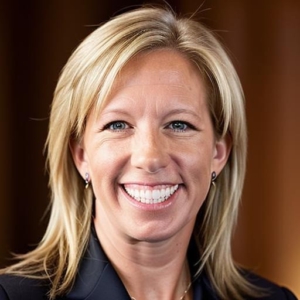
Amaza Reitmeier is the Vice President & General Manager of Brain Modulation at Medtronic.
#52: Amaza Reitmeier – Changing lives at scale with Deep Brain Stimulation
In our ongoing exploration of the DBS ecosystem through the lens of key industry leaders, below is our conversaion with Amaza Reitmeier who is the Vice President and General Manager of Brain Modulation at Medtronic. We learn differences between life in academia and industry, with a key potential of industry work to get the ability to make change at scale.
In this episode, we discuss what the future of brain modulation may offer, with some aspirational commentary on several potential opportunities for DBS and related therapies. Some of the opportunities we discuss are currently under development by Medtronic or others, while other opportunities may still be in a nascent state without a concrete roadmap for incorporation into a particular product or therapy.
Amaza Reitmeier 00:00And my very first job after graduating, people say like, what on earth do you do with a French degree? Well, I sold wine. I was a wine wholesaler. Each of the companies is trying to identify the area that they think is going to make the biggest difference. And for us, that's clearly sensing. You know, again, we've been working at this for, again, the better part of 20 years. And now we're at a point, which is really amazing, that there are 30,000 people with some version of a Percept device. Either the PC or the newly approved RC. Patients will benefit from everything that we've learned about brain savings. Think about that. Welcome to Stimulating Brains. Stimulating Brains
Andreas Horn 01:25Stimulating Brains takes us through what the future may offer, with some aspirational commentary on several potential opportunities for DBS and related therapies. It's important to note that some of the opportunities we discuss here are currently under development by Medtronic or others. And also that it may still be in early stages without a concrete plan or roadmap. For incorporation into a particular product or therapy offered by Medtronic or others. 02:01Thank you so much for tuning into Stimulating Brains. So, Amiza, thank you so much for joining this podcast as one of the first industry leaders that I get to interview. It's a big honor to be able to talk to you. Thank you. from your very busy schedule. So thanks a lot for joining us. And then- Well, it's a huge honor to be asked, honestly. When you reached out, I was beyond honored. You know, this is phenomenal. So thank you. Great. That's great to hear. So as you know, to break the ice, before we get into your work and industry, I always ask about your free time and hobbies just to get some sort of idea behind the person. What do you do when not involved at Medtronic and working in the industry? Any hobbies? 03:00So I have two teenage sons. I've got a 17-year-old and a 19-year-old. And so part of what we do is just watch whatever it is that they're involved in. So they're both involved in sports and activities. So we sort of chase them around. My younger son is playing ultimate frisbee, volleyball, and basketball right now. So we watch him do that. And then my older son is a freshman in college and he's heavily involved in triathlons and disciplines. So we go watch him compete when we get a chance. And then my husband and I try to stay active. It gets harder as you approach 50 to stay fit, but we do try. So in the summer, we like to spend time. We have the fortune to live on a lake. So I learned how to wake surf, which is really fun. If you've never tried it, I highly recommend it. Oh, yeah. Yeah, you got to give that a try. So wake surf, is that wakeboarding with a boat?
Amaza Reitmeier Well, so it's basically you take a boat and you fill it with water. So you take a boat and you fill it with water so that it sinks down low into the water and it creates a huge wave behind the boat. And then you can actually use a specially designed board 04:03to surf that wave behind the boat. So you don't have a rope. You're just surfing along behind the boat. It is really, really fun. You don't have a rope. I have not heard about that.
Andreas Horn Fantastic.
Amaza Reitmeier You'll have to Google it. Look it up. It's really fun. Okay, great. Or I can send you a video.
Andreas Horn Yeah, I'd love that.
Amaza Reitmeier Of course.
Andreas Horn Yeah, great.
Amaza Reitmeier And we play pickleball. We've gotten into the pickleball craze, which, by the way, is big in the Parkinson's community, too. There's a big pickleball for Parkinson's. Great. Because people of any age can do it. Really nice. Really nice. Okay, so, yeah.
Andreas Horn And you live in Minnesota, right?
Amaza Reitmeier I do.
Andreas Horn Yeah. Are you from that region originally? Yeah.
Amaza Reitmeier I am born, raised, will probably die here. You know, I love Minnesota. It's hard to get people to move here, but it's hard to get people to move away from here because it's a wonderful place to live.
Andreas Horn Yeah.
Amaza Reitmeier 05:11Wow. We'll certainly do that. So maybe as a very small tangent, I did a high school exchange as a student with Minnesota. So I spent, I think, three or four weeks in Northfield.
Andreas Horn Really?
Amaza Reitmeier Oh, wow. My mom was a local school teacher in the other school, and they had an exchange for years with Watertown in Minnesota, also a small town there. No way! Oh, that's so cool. Yeah, she was there every year, I think.
Andreas Horn That's fantastic.
Amaza Reitmeier So I have Minnesota in my heart, too. Oh, I love it. That's excellent. Good.
Andreas Horn Great. Okay, so going more into your fantastic career and very impressive career, who have been your key mentors and maybe also the key turning points that really led you to where you are now? Yeah, there are too many to mention, but two that were important on my DBS journey.
Amaza Reitmeier 06:01One was Dr. Steve Osterle. So I got to know Dr. Osterle when he was our chief medical officer and chief technology officer for Medtronic. And he... We had gotten to know each other through strategic planning work that I was involved in. And he had been chartered to lead a project looking at brain-targeted drug delivery. So we were interested to know if we could use our stereotactic positioning capability to, rather than deliver a lead, to deliver a catheter that could potentially bring agents that don't cross the blood-brain barrier to targets in the brain and hopefully cure things that are currently incurable, like hunting tumors. And so I was involved. I led that project for two years, exploring different ways that we might be able to do that. That's also how I got connected to LOTAR. So Lotar Krinka was head of R&D at that time. 07:00He was super involved in business development. And then he was asked to lead the DBS business. And I had gotten to know him through this project around brain-targeted drug delivery. When he became general manager of the business, I basically... I was the head of the DBS business. And I had gotten to know him through this project around brain-targeted drug delivery. When he became general manager of the business, I basically... I basically asked him if he would let me run marketing for DBS. And he said yes. And that's how I landed in DBS. But Lotar was an amazing mentor for me. He's brilliant, obviously, as a scientist, but also as a business person. And he taught me everything about the business and about DBS. And he was amazing.
Andreas Horn Fantastic. Okay. Yeah.
Amaza Reitmeier Great.
Andreas Horn So any key turning points beyond that? And maybe even how did you decide to work for Medtronic?
Amaza Reitmeier Or how did you... So I've always described myself as Medtronic's least likely employee. Because I have a liberal arts degree with a French major.
Andreas Horn And my very first job after graduating, people say like, what on earth do you do with a French degree?
Amaza Reitmeier Well, I sold wine. 08:00I was a wine wholesaler. I've seen that on LinkedIn.
Andreas Horn Yeah. Fantastic. Okay.
Amaza Reitmeier My very first business trip was to Burgundy in Bordeaux to meet with our producers. And that was... That was really quite mind-blowing for me. But I learned business-to-business sales because I was calling on... I was a wholesaler. I was calling on restaurants and retail chains. And so I learned the business of sales. Coming into Medtronic was very much dumb luck. A colleague of mine who I'd graduated college with, we ran into each other one day randomly and started training for marathons together.
Andreas Horn And one day on a training run, he said, hey, have you ever thought about Medtronic?
Amaza Reitmeier And I... And I said, no. And he said, well, it's a great company. You should come work here. And I took... I literally took a job that nobody wanted. It was contracts negotiation for pacemakers and defibrillators. And they were having a really hard time filling the job. So I came in and I just worked my way up through, 09:00you know, really through finding great people to work for who were willing to teach me what I didn't know. One of the things I'm proud about Medtronic is I think we're one of the best companies in the world at teaching people how to do business. I've taught people about medical devices. And so they taught me everything I know about medical devices I learned here.
Andreas Horn Fantastic. Yeah. And you have joined Medtronic 22 years ago, right?
Amaza Reitmeier So that's a long stretch. That's hard to believe, but yes. Well, yeah. And then have impressively worked yourself up continuously. You know, reading your CV is essentially a, you know,
Andreas Horn a success story that never stops, right?
Amaza Reitmeier Thank you. Throughout the years. Thank you.
Andreas Horn So what did... So... So... Maybe to... Can you outline these stages briefly and then also talk about what you're currently doing? Absolutely.
Amaza Reitmeier So in a nutshell, my first five years were in CRM, you know, learning the business of... Learning the business of Medtronic.
Andreas Horn 10:00I'm sorry, what is CRM?
Amaza Reitmeier Oh, cardiac rhythm management. Sorry, I was in pacemakers and defibrillators. And I was responsible for contracting during the years when we were introducing heart failure. So that's how I got into this field. So that's how I got into this field. So if your audience members know this cardiovascular space, they'll know the introduction of the third lead and kind of heart failure as a therapy. So five years in CRM. And then five years in our corporate strategy group. So doing... So I worked for the CEO basically doing corporate Medtronic corporate strategy. And then that business development role I mentioned earlier where we were looking at targeted drug delivery. Then five years in neuromodulation and then finally... And then finally... And then finally... the neurosciences. So three years leading DBS, marketing, two years leading training and education across our neurosciences portfolio, then back to corporate for a couple of years to do commercial strategy. And my last four years before joining DBS were in the cardiac diagnostic space, where I learned a ton that we can talk about if you like. But I will tell you ever since I left 11:04DBS, it literally has been my dream to come back. I have been working towards and begging for the job I currently have for 10 years. So it was always my dream to come lead DBS. And so when I
Andreas Horn got the opportunity, it's a fantastic field. Yeah, yeah, yeah. This is this, this is my dream job.
Amaza Reitmeier And can you can you clarify, I think your official title is the VP and general manager, so vice president and general manager, brain modulation at Medtronic.
Andreas Horn Yes. Can you maybe state what you do, what your typical day looks like? And not much. Yeah, no, I'm just kidding.
Amaza Reitmeier So I have responsibility for two businesses. I've got the DBS business. And then I've got the business as well. So the comprehensive brain modulation portfolio. And there's kind of two different flavors of a day for me. If I'm in the office, I am coaching and mentoring my 12:04team. And then I'm in the office, I'm coaching and mentoring my team. And then I'm in the office, I'm coaching and mentoring my team. I have cross functional responsibilities. So all the everything that it takes to bring our product to market and make sure it's available. So I meet with my staff, my teams and make sure that we're all moving the same direction. But the days that I love the best are when I get to be out with our, with our customers and our partners. So whether that's at a medical meeting, or, you know, get to I get the chance to visit with our customers in their operating rooms and in their clinics to understand what it is that we need to do differently. And I'm a professional, I'm a professional, I'm a professional, I'm a professional, I'm a professional, I'm a professional, I'm a professional, I'm a professional, I'm a professional,
Andreas Horn so those are the best days. Okay, great. How often do you get to travel and visit? I don't know, Yale or whatever.
Amaza Reitmeier Not often enough. No, I try. I mean, I try to get out. It's not quite once a week. But I am out a lot. Because, you know, that's where the ideas are happening. And that's where the
Andreas Horn work is happening. Sure, sure. Yeah, it probably is important to just stay close to the, you know,
Amaza Reitmeier end product in a way in the customers. But I'm sure other people of your team, maybe Robert, 13:04reich we could mention um yeah get to travel more still is that is that is that the case or um yeah it's pretty balanced i mean you know one of the things i truly believe is our scientists our engineers our clinical researchers need to be connected they need to be out in the field meeting with customers meeting with patients and so they try to get out as much as possible and you know it's nice now that the medical meetings are back you get the opportunity for scientific exchange at these meetings the covid years were pretty dark of course you know virtual is fine but it's not the same yeah i totally agree yeah on the other hand a lot of traveling is exhausting as i'm sure you know and with kids and everything um yeah yeah okay so so so um maybe just to also further get a get an overview how much maybe in percent roughly would you say you interact with r&d or the medical professionals that you just mentioned or 14:01the business side of things or maybe sales there are probably other other domains that i don't even you know have on my radar but can you maybe break it down in a in a way that we better know what you
Andreas Horn what it is yeah what exactly would you say you do around here right no i mean you you lead the
Amaza Reitmeier entire thing right and that that is clear but still it's you know i think for people like like me or also you know probably other scientists it's probably not even so easy to picture your typical day so so
Andreas Horn that is very exciting and interesting to you yeah well i mean again so for example the last two days
Amaza Reitmeier i was in full day sessions reviewing our plans for this coming year and so we spent literally all day you know looking at spreadsheets looking at powerpoints talking to each other about priorities and and everybody you know all the senior staff was around the table making sure that we're all aligned on what it is that we need to focus on for the next years you know but that's so that's two full days in a conference room but the week prior to that 15:01i was you know in two different hospitals on two different days and visiting you know with our field and so it can vary a ton varies a lot yeah sure yeah and again you know my responsibility is to make sure every aspect of the business is working well so sometimes it's quality sometimes it's operations sometimes it's finance sometimes it's a customer issue that we have to deal with you know or that we get to do sometimes i guess yeah yeah but it's you know the variety is part of what makes it really fun i'm sure i love my job yeah of course yeah yeah um i think yeah makes sense okay so um and then can you maybe paint a big the picture of how metronic is generally structured um maybe especially within neuromodulation but you've also talked about corporate um again i think many of us don't even know how these companies are made up and you know who are the key players and what do
Andreas Horn they do oh i don't even know if this is going to be interesting to your audience but i'll give
Amaza Reitmeier 16:01it a go so um we've got four portfolios within metronic the cardiovascular portfolio so that's everything related to the heart and its function the diabetes portfolio so you know essentially working towards the holy grail of the closed loop system the perfect closed loop system for insulin delivery and glucose management um the medical surgical portfolio so tools and instruments that make surgery easier and there's a heavy focus in that portfolio on robotics and improving the and the ease and the precision of the procedures and then the neuroscience portfolio so in our portfolio it's everything related to neurostimulation so pain stimulation pelvic stimulation and then the the and obviously deep brain stimulation and then the tools that go around it again to make the procedure perfect so what we call our enabling technologies which would be the stealth planning station the o-arm imaging system bringing all that together into a 17:01perfect surgical plan so you can then do better surgery more efficiently and how strictly is it is it maybe divided in that part into hardware and software development or hardware and uh r&d is that very connected or how does that so the businesses are separate but the strategies are
Andreas Horn connected if that makes sense so my counterpart who leads that business linea berman she and i
Amaza Reitmeier are in regular communication about priorities initiatives making sure that what she's doing is perfectly aligned with what i'm doing you know and that we're advancing the surgical procedure got it yeah do you get to interact with r&d yourself a lot all the time yes okay all the time i love it how that's how i can i picture that as you going to the labs and you know checking what they are doing or how is that how can we imagine that mostly when i go to the labs i'm a distraction to be perfectly honest because they have to stop what they're doing and 18:01explain it to me not being an engineer or a scientist um but my favorite opportunity to interact with r&d is when we host tech suites at medical meetings so we bring scientists or engineers and give clinicians a peek behind the curtain at what's coming i get to listen to those conversations and hear you know what customers like about what we're developing what they think could be better and i get to hear how our scientists and engineers are thinking about solving the problems so that's that's my best and least disruptive way to interact with them mostly i try to stay out of the way so i don't break something if i go into their lab got it and and then for for corporate um uh that's the right word i think in my notes i still called it the mothership in quotes but we called that okay how how often do you interact with with um corporate or metronic i don't know um yeah uh and and do you for example 19:01for budgeting reasons or if you plan a bigger project you probably have to pitch it to or your
Andreas Horn team has to pitch it to corporate yeah exactly yeah so our our senior president brett wall
Amaza Reitmeier he's the president of the portfolio the neuroscience portfolio so we work with and through him brett is a phenomenal advocate for the dvs business he's championed a ton of investment in our space and so we work with him and and we go pitch our ceo jeff martha who's also a champion for dvs to try to get the fair share of investment but you know maybe i'll say very respectfully that i try to interact with corporate as little as possible as much as necessary but as
Andreas Horn little as possible that makes sense yeah got it because you know our energy is best spent with
Amaza Reitmeier the people doing the procedures of course yeah yeah no i'm sure i'm sure yeah and so so um obviously metronic is one of the three big dvs companies in the western world and um probably 20:00the largest company in the world and um and i'm sure i'm sure i'm sure i'm sure i'm sure i'm sure or at least um the most you know established um i'm sure the market is competitive and you know maybe also in in the more recent history that there had been maybe a bit of a challenging times
Andreas Horn or at least you know not as fantastic times um with with others joining the market that's at
Amaza Reitmeier least how i see it from the outside yeah um probably one of your part of your job is to find
Andreas Horn exactly the strategies of usps you know the strategies of usps you know the strategies of usps
Amaza Reitmeier you know the strategies of usps you know the strategies of usps you know the strategies of usps selling point of how can you create something that the other companies don't have yet or so
Andreas Horn right and how do you um maybe disrupt the market that way um first of all is that true and then
Amaza Reitmeier then do you do you can you share about developments that are maybe already public that you're most excited about these days that are coming already yeah happening well so you're absolutely right each of the companies is trying to identify the area that they think is going to be the most 21:01important and the biggest difference and for us that's clearly sensing and the path towards the closed loop so this is a journey you know that we've been on for the better part of two decades this is you know it's going to feel new to the market but this is work that's been ongoing for decades you know first when i first joined dbs in 2012 we were doing we had 20 investigator initiated research studies all around the world trying to answer the question a can we identify a brain signal and b does it matter if we can yeah like so what if you can detect it if it doesn't make a difference and there have been dozens of researchers involved in this work from you know all over the world you know some of the the legends like helen bronte stewart phil star mike logan peter brown andrea coon you know just people who were really early champions and pioneers you were probably yeah i i did like i was in andrea coon's lab and i i 22:01remember um you know reading out the pc plus s signals from the very first devices i think we even published the first pc plus s paper from berlin if i remember correctly exactly i'm a co-author on it but but um there was julian neumann congratulations sorry no no no no but this i i remember also that the reps told us at the time this is a major initiative um um for metronic now and they you know they put a lot of investment into this and i mean it has been a success story now with percept really changing the way we think about it and i think it's a really good thing to be able to do that and i think it's a really good thing to be able to do that and i think
Andreas Horn that but you should talk about that yeah but that's exactly that's exactly it so you know
Amaza Reitmeier again we've been working at this for again the better part of 20 years and now we're at a point which is really amazing and that we're going to make it clinically meaningful for patients around the world there are 30 000 people with some version of a percept device either the pc or the newly approved rc patients will benefit from everything that we've learned about brain signals think about that
Andreas Horn 23:01yeah no it's fantastic i agree yeah you know and so so for us you know the the brain pacemaking
Amaza Reitmeier space is getting to a place where cardiac pacing has been for decades rate responsive physiologically adaptive you know stimulation and so making that real is going to revolutionize the the brain modulation space like i i think 10 years from now we won't be able to believe that we didn't do essentially rate responsive brain pacemaking or physiologically responsive brain pacemaking it's standard of care and cardiac pacing and it will become standard of care and brain modulation there's still obviously a ton to learn and you know we've just got now our first closed loop algorithm getting ready for submission to fda and approval you know so that it's super exciting but that that's where our strategic bet is and i think it's going to make a difference not just for movement disorders but potentially for psychiatric disorders and other spaces and so on and so forth so i think it's going 24:01to be sort of like ideas have been around for so long and then i think there was was it i think two years ago at the think tank in um mike oaken's dbs think tank we had discussions about closed loop and i really felt like everybody knows and and and seems you know no this is a great idea but then looking at the details it seems like it is challenging and it's super challenging you you could i think you have a really cool success story now i've seen also the pilot data i think was a poster at
Andreas Horn yeah movement disorder so so um yeah copenhagen yeah that that that looks fantastic but you know
Amaza Reitmeier 25:02if you if you were to just to show the challenge if you were to show it from the other angle you could also say this is the simplest possible thing now right and that's probably also a theme in industry where you guys have to make tools that work and that means usually you know the scientists already dream about you know maybe much more complicated things but then these don't work yet right
Andreas Horn yeah exactly now we've got to take things that are really complex and make them simple enough
Amaza Reitmeier that they benefit anybody who wants to use it without having to you know download files and dissect little squiggles on a page you know we got to make it super obvious now but you know that that's the next this next year there'll be a couple of enhancements that we launch that that dramatically simplify the value of brain sense signals for clinicians and then of course behind the scenes there's still all the detail for the people who are going to be using it and then there's still a lot of detail for the people who want to continue to do research on it you know now with the ubiquitously available platform right yeah i mean the percept has been 26:04at least as big for research than for um clinical practice i totally agree it's it's been a bit like even you know there had been pre-percept there had been these labs like that you mentioned you know um peter brown and dreg coon but then phil star of course you know people that had the externalization set up and had to figure it out and then i think percept has been a big part of it so i think that's a big part of it and i think that's a big part of it and i think that's a big part of it so i think that's a big part of it and i think that's a big part of it and i think that's a big part of it so many people jumped on the closed loop wagon which also shows how you know big of a role you can have as industry to enable research and empower just more brains on the same topic
Andreas Horn exactly well and that gets you know to the idea that the next thing we have to apply to it is
Amaza Reitmeier data machine learning and potentially ai to be able to interpret the signals at scale yeah right because you can only do so much with human beings but if we can get this to a place where we can scale the learning that's great you know and the rc system gives you an important advantage which is if you choose to stream that signal 27:04you know for 15 years continuously you don't have to worry about killing the battery so totally yeah that yeah so like for epilepsy or for whatever yeah absolutely was even a potential ethical constraint right to not stream too much with with the um pc so that that makes a lot of sense yeah i never thought about it as an ethical constraint but that's a very good point you don't want to force people into having a surgery that you know only if you would drain completely drain it right that that then that needs yeah additional surgery and also cost of
Andreas Horn course um yeah of course yeah that makes sense absolutely okay cool so um are there any plans
Amaza Reitmeier on on the roadmap that you can already talk about i know this is highly restricted only of course yeah whatever yeah i mean so so obviously continuing the path towards getting adaptive dbs approved for commercial use and you know around the world for any place that has percept we want 28:00adapt um but there's more to it than that so another area where we're putting a lot of energy and attention is on what we call insights driven care so taking the data that the device is giving us about what's happening with the patient when they're not in the clinic turning that into reports charts graphs that give the clinicians insights into what's happened with the patient since they saw them last so how much time they have to spend on the patient and how much time did they spend in a particular group setting um does it appear that they're having fluctuations that might be circadian in nature or can you tell that the medication scheme may not be appropriate based on their brain signal so so taking everything that the device can tell you and turning it into insights that can drive the care for the patients in an improved way so that's a big area of interest for us and we're working we've now got beta portals being deployed that we hope to bring to market at scale within the next couple of years so for us that's very portals 29:00meaning uh beta sorry not beta signal yeah yeah yeah sorry for the confusion where some clinicians
Andreas Horn can already test it okay fantastic yeah and get feedback on making it simple and easy to use and
Amaza Reitmeier useful is is that the the same like story that the collaboration with rune labs as well ties into that i assume right with um apple watches and yeah very similar yeah so we continue to explore whether a wearables partner could be something that would be useful you know whether that wearable signal
Andreas Horn is complementary to the brain sense signal yeah yeah yeah so it's a generally a fantastic idea
Amaza Reitmeier you know the clinician always has the problem that they see their patient only once it's a snapshot in in a month or you know and then you know they they see them 15 minutes or half an hour so not a you know big period of their day and then to condense some sort of more of their day and and weeks into metrics makes a lot of sense to me right yeah well on the cardiac diagnostic side so i spent 30:01four years in cardiac diagnostics and when a person with a cardiac diagnostic device goes into the clinic well first of all that data has been continuously uploaded to their clinician you know since they've been seen if a if the device detects a problem the clinician is alerted and they can proactively contact the patient and then when the patient comes in they see this elegant beautiful report of how they've done i'm inspired by that to bring that level of insight over to the neuromodulation space where it just hasn't been available and then you think you know one step forward to getting towards alert-based care so that the clinician actually gets a signal when the patient's conditioning is worsening when the condition is worsening and then they can proactively call them in so then instead of you know every three months you're coming in whether i need you or not if you're doing fine i don't see you if i see a problem i'll be like okay i'll be I need you or not. If you're doing fine, I don't see you. If I see a problem, I bring you in. And then maybe it's, you know, it's as often as needed, but not more than necessary. 31:02Love it. Love it. So, so for example, if beta, you know, bursts get longer or whatever, or the beta power in general. So, so you would see that all the fluctuations get worse.
Andreas Horn Yes.
Amaza Reitmeier There's maybe a, yeah.
Andreas Horn Okay.
Amaza Reitmeier Got it.
Andreas Horn Yeah.
Amaza Reitmeier Here's a signal that something has changed with this, with my patient. Come on in. Tell me what's going on. Let's, let's get this first. Or, you know, you could also imagine a future where there's fall detection. And if you see two or three falls in a 24 hour period, you say, okay, you know, something's not right. Bring the patient in. Right. Love it. That, that's, that changes the game. That's very cool. And you mentioned before in the intro that, that you learned a lot in the cardiac field and could talk about that too. You already mentioned it briefly.
Andreas Horn Is that exactly what you mean? Or were there other things? That's exactly what I mean. Yeah. Yeah.
Amaza Reitmeier Again. So this idea of alert. Based care, care on demand, um, insights, driven care, taking the insights from the device and presenting it to the clinician in a way that's useful over time for the life of the patient. All of that is standard of care in cardiac and needs to become standard of care in neuromodulation.
Andreas Horn 32:05So it's, it's fantastic. Yeah. Yeah.
Amaza Reitmeier It's cool to have such a clear, you know, role model where it worked already.
Andreas Horn And then, um, I'm sure that makes, yeah, a lot of sense.
Amaza Reitmeier My team, my team launched the very first AI based algorithm. So we do AI based algorithms on a cardiac implantable device while I was in cardiac. And so that just gets me excited to think about what might we be able to do with all this brain data that we have. Like we do AI for the brain in a not creepy way.
Andreas Horn Yeah. Yeah.
Amaza Reitmeier And I think, I think maybe my, my two cents there, I think it has to go to long-term, you know, to not just switching on and off the same contact, but also even switching networks around. Right. So I've been talking about that even here on the podcast quite a bit with, with, you know, with people now.
Andreas Horn So probably the listeners, um, all the connectomics and, you know, basically how do we better understand what exactly it is that we're doing or stimulating or sending a signal? Are we stimulating? Are we suppressing? 33:01Yeah.
Amaza Reitmeier I mean, if, if, if, if it detects tremor, it should stimulate the tremor network. Right. Right. And if it detects bradykinesia, then it should, you know, and it might, you know, if the patient is talking and can detect that in the future, then we should avoid the speech disturbance side effect network. Right. So I think there's a. Well, think if you could use like the accelerometer in the device to detect when a person is standing or initiating movement and then you change the stimulation.
Andreas Horn Yeah. Yeah.
Amaza Reitmeier But not just on and off. Right. But to actually switch between programs and maybe even different, different contacts.
Andreas Horn So yeah, I really see a fantastic avenue towards fusing these fields of maybe imaging and connectomics
Amaza Reitmeier and the sensing and adapting between networks. So, well, and that's a huge part of the partnership that we have. And I think it's a big part of the conversation we have with our enabling technologies group. Yes, I'm sure. They have the DTI. They have the imaging.
Andreas Horn They have some of the most fantastic technology in the world for visualizing our leads.
Amaza Reitmeier 34:02Now we just have to pull that over to the programming side.
Andreas Horn Yeah. Yeah.
Amaza Reitmeier Sounds great.
Andreas Horn Fantastic.
Amaza Reitmeier So great roadmap. And then maybe.
Andreas Horn Yeah.
Amaza Reitmeier On the podcast, I mainly speak with scientists and clinicians and sometimes even have the honor to talk to patients too. But we haven't had many representatives from the industry yet. And you've mentioned before we started recording that you listened to the conversation with Todd Langevin. He was the first, really.
Andreas Horn And I have a few more scheduled and interviewed. So we both know that many academics continuously wonder whether a life in industry could be more rewarding or more interesting for them. Do you want to steel man the case of working for industry?
Amaza Reitmeier I think you have not worked much in academia, but I'm sure you know and talk to people.
Andreas Horn What is fantastic about industry?
Amaza Reitmeier Well, here's a point of view I'd offer you. 35:01If you're involved in academic research, you have the opportunity to influence and to shape the standard of practice across an industry, which is phenomenal. If you're involved in daily clinical practice, you get the opportunity to influence and shape the standard of practice across an industry, which is phenomenal. You get the opportunity to improve lives one at a time, which is really an amazing thing to do. When you come over to industry, you get to fuse those things together and get involved in work that might impact thousands or hundreds of thousands of people by pairing the knowledge and insights that you have from your clinical practice or your academic practice and translating that into therapies that have the opportunity to reach, again, up to hundreds of thousands of people.
Andreas Horn Yeah.
Amaza Reitmeier I think that's a great point.
Andreas Horn 36:16Yeah. Yeah.
Amaza Reitmeier And I mean, sometimes bigger universities can feel like as rigid as corporations to some degree as well. But I mean, I'm sure the smaller labs, of course, are much more flexible in what they want to do and so on. Well, you know, Todd talked about the difference between startups and big companies. And that's definitely a thing. You know, the difference between small practices and academic institutions. You know, within Medtronic, one of the things I love is we've got these little microcultures like DBS. So brain modulation has a microculture. We feel like this little scrappy company within the big mothership, as you refer to it.
Andreas Horn Yeah.
Amaza Reitmeier But we have the opportunity to tap into the resources of the big company to make our little dream come true. 37:00You know, so that's kind of the best of both worlds.
Andreas Horn Yeah, I know. Fantastic. And I mean, I have yet to meet the person that switched to industry and regretted it. But you never know if that was a selection bias, right?
Amaza Reitmeier If only people go there that are of that type, then they don't regret it. So it's... It's hard to know, you know, but...
Andreas Horn But yeah, it's always... One person that would be interesting for you to talk to is someone who went the other direction, which is Tim Dennison. Yes.
Amaza Reitmeier I... Todd said the same. And I would love to talk to Tim. I actually had reached out to him a few times. And now he even responded and said yes. But he seems busy. So we'll see if it actually happens. But I would love to talk to him.
Andreas Horn Yeah.
Amaza Reitmeier I think he would be fantastic on the podcast, too.
Andreas Horn Yeah.
Amaza Reitmeier Well, and again, he was there for the origin story of sensing. It's, you know, it's amazing.
Andreas Horn Yeah, yeah.
Amaza Reitmeier He's still an advisor for me, by the way. You know, I stay regularly connected with him because he's doing such important work at Oxford. Great.
Andreas Horn How did you overlap at Medtronic? Were you colleagues or closely? 38:00Yeah, we were colleagues.
Amaza Reitmeier He was in R&D when I was in marketing the first time I was in DBS.
Andreas Horn Okay.
Amaza Reitmeier So all that work we were doing on the brain initiative, you know, that was Tim. He was the... He described to me brain sensing. And the way that made the most sense, which is it's like trying to hear a whisper over the roar of a jet engine. Mm-hmm.
Andreas Horn Yeah.
Amaza Reitmeier And that's always stuck with me. That describes how hard it is to do what we're trying to do.
Andreas Horn Yeah. And I mean, especially if you use the same contacts or close to where you stimulate, right?
Amaza Reitmeier I think if you have a paddle to sense on the cortex, for example, then it might be, you know, a bit easier.
Andreas Horn But do you have any opinion on that? Yeah.
Amaza Reitmeier 39:03.
Andreas Horn 38:50Yeah. 39:04in two different places?
Amaza Reitmeier Or is it reliable enough to just, if you know what's going on in one part of the circuit, you understand what's going on in another. You know, the fewer things you have to try to get to coordinate, the easier it is. You want as little complexity as necessary.
Andreas Horn Yeah, yeah, that makes sense. So what is your feeling towards the general state of investments in the field of DBS and neuromodulation? Do we live in bullish or bearish times?
Amaza Reitmeier I think maybe just as context why I come up with this is so at the last DBS think tank, Cameron McIntyre, who has a lot of, much more insight into industry than most of us,
Andreas Horn essentially pitched a talk, which I found very interesting,
Amaza Reitmeier that we might be at the fork of the road, where if we don't deliver more and show more growth, then investments might decline in the future in the field.
Andreas Horn Could you maybe share your thoughts on general, 40:02how is the current? State of affairs there? Yeah, it's a really good question.
Amaza Reitmeier So I have a couple of different thoughts in my head. One is I would not be doing it justice if I didn't acknowledge with tremendous appreciation, the big investment that Jeff Martha and Brett Wall made in the DBS business to bring the Percept platform to market. So again, they saw the need to invest in a commercial grade platform for this and made a pitch to the board and a huge investment. So now we're capitalizing on that investment in. Medtronic DBS space. You know, we have to earn the next tranche of investment, and we'll do that through delivering innovation that really moves the needle, either because more people benefit and therefore a lot more people choose to get DBS or we open, you know, new patient groups that might benefit. So I think we're in a little bit of a prove it phase where we've got to deliver and then we earn the right for the next set of investment.
Andreas Horn 41:00But there's also an interesting and I'm not sure yet if it's helpful or not,
Amaza Reitmeier but there's a. Ton of fascination around brain computer interface, these little chips and, you know, like what Neuralink is doing, which that's a whole. Set of conversation you could have, but there's a lot of fascination with brain computer interface.
Andreas Horn So what I would argue is Percept is actually a functional brain computer interface device, so it's the computer that's implanted, right?
Amaza Reitmeier So we've got a little implanted computer. We interface directly with the brain. We send signals and adapt, but there's a. Ton of potential. Discovery therapeutic benefit in the brain computer interface space.
Andreas Horn Yeah.
Amaza Reitmeier I worry that the hype is going to suck the investment dollars in that direction. When it could go towards things like, you know, for example, DBS for depression that could have a nearer term benefit.
Andreas Horn Yeah. And such a huge population as well. Do you want, since you mentioned you could talk about Neuralink, do you want to talk 42:01about it a bit or not?
Amaza Reitmeier Not a lot.
Andreas Horn Um, yeah, I don't want to get into hot water.
Amaza Reitmeier I think.
Andreas Horn Yeah, no, it makes it makes a lot of sense.
Amaza Reitmeier It's controversial. Um, but there's excellent companies like Synchron doing work in this space.
Andreas Horn Yeah. Yeah.
Amaza Reitmeier Sounds great.
Andreas Horn And then, um, do you think in next breakthrough in DBS is around the corner? If so, what would it be?
Amaza Reitmeier You mentioned depression. Is that your hot guess or.
Andreas Horn Yeah.
Amaza Reitmeier Well, I, again, I'll, my goal is going to be to make. Sure. Sure. Sure. Sure. Sure. Sure. correlation between a signal we can sense and the presence or absence of depression symptoms, that gives me great hope that we can finally crack the code on depression. You know, 43:03that's been also a multi-decades journey with a lot of works in the road. But if we could find a really reliable signal that correlated with symptoms, that could be the game changer.
Andreas Horn Of course. Yeah, that makes sense. Yeah. And just indication-wise, maybe you as a private person,
Amaza Reitmeier anything that you would, you know, not even think you'd go into, but that you would find
Andreas Horn interesting to work with or where you would see a potential that could be a new novel indication that could be helpful? Well, I don't know how much of this I can actually talk about,
Amaza Reitmeier but Dr. Machado at the Cleveland Clinic has some incredibly promising pilot data around stroke rehabilitation, post-stroke rehabilitation. And his early results are amongst the most dramatic 44:03I've seen for any application, you know, in my time with DBS. So if that could work, you really could offer something very unique to people who don't have another option for treatment. So anything around kind of neuro-rehabilitation, plasticity, neuronal regrowth, that could be, if that worked, it would be amazing.
Andreas Horn And it's a huge field, right? Stroke is a big field. Yeah.
Amaza Reitmeier The other area I think is underdeveloped and undertapped is epilepsy. And, you know, again, I was inspired in our cardiac diagnostic space to say, okay, if we can detect cardiac arrhythmias,
Andreas Horn could we detect brain arrhythmias? Could we, you know, come up with a really reliable implantable seizure monitor that then also happens to be a really reliable implantable seizure monitor?
Amaza Reitmeier And then we can then connect to a stimulator that could detect it. There's, you know, it's sort of like the next generation of RNS and DBS combined, but less invasive and more elegant. Yeah. Sounds great. Sounds great. I very much agree. And this might be another topic that
Andreas Horn 45:05might not be as easy to talk about, but what do you think about focused ultrasound surgery?
Amaza Reitmeier And maybe from a business perspective first, because I heard from multiple centers that started FAST that it even...
Andreas Horn Drove the numbers of DBS up, where you might think it could threaten DBS, right? But I've heard
Amaza Reitmeier from many centers, actually, including our own, but also Andres Lozano mentioned that, that it drives in more patients. And then, you know, some that come in for FAST would get good
Andreas Horn counseling and rather go for DBS. Do you have any, you know, ideas on that or opinions on that?
Amaza Reitmeier Yeah. So what I've observed is, one, it's been a net benefit because it gets people who were otherwise unwilling to consider a procedure to consider being treated. You know, people with essential tremor, their biggest treatment is just coping. They don't, you know, and so when you get 46:03the idea that a procedure might be, you know, less invasive or described as less invasive, which we can talk about, all of a sudden they're presenting for care. They're saying, look, here's might be an option. And when those people present to a really good neurosurgical center that has DBS and focused ultrasound, they get the therapy that's right for them. So I don't care what they get, as long as they get treated and get the maximum benefit. Now, I also think that, you know, I'm going to channel a phrase that I heard at a recent conference, you know, focused ultrasound is just a new tool for an 80 year old procedure. It's lesioning. Yeah. And so when lesioning is the right treatment, focused ultrasound, it seems like a great choice, but it's also permanent, it's irreversible and it's brain damage. And so for certain, for, for patients, for many patients, DBS is a better choice because it's tailorable, adjustable, reversible, if you don't get a benefit. And so, you know, I think for me, 47:06as long as people are getting an appropriate consultation and the treatment option, that's best for them. As long as more people are getting treated, I'm happy. Sounds great. Yeah. But it's not a silver. It's not a silver bullet. And I, you know, I get frustrated if people think it's, it's non-invasive.
Andreas Horn Yes.
Amaza Reitmeier It's permanent brain damage. It is. Yeah. No, I totally agree. I think, yeah, incisionless is the better word, but even that,
Andreas Horn you know, there is an incision deep down in a way, right? Exactly.
Amaza Reitmeier So I get the point. I mean, I think most, at least the colleagues I talk to, they would counsel
Andreas Horn their patients well and tell them this is not non-invasive, right? So, so they might be drawn in,
Amaza Reitmeier you know, with that idea. And then again, you know, personally, I always wondered if, you know,
Andreas Horn if I would get a disorder at a specific age, what would I choose? And it's really not an easy,
Amaza Reitmeier 48:01sometimes easy, easy decision to make, but there are conditions, you know, being already 80 and
Andreas Horn having unilateral tremor, essential tremor, it might be the right thing, right? And you go home
Amaza Reitmeier same day. So it, so it could be. Yes. And then of course, in the more, longer term disorders, I think a huge value is not just that it's reversible, but that it's
Andreas Horn adjustable also with disease progression, right? So you have new symptoms coming in.
Amaza Reitmeier And that is, that is then always hard with, with any type of lesioning in a way, even if, you know, because we could always make the argument, maybe we're just not ready of finding the exact right site to lesion yet. But if we had that, then, you know, but, but then the adjustment is still not possible anymore and you cannot, yeah. Well, these are dynamic diseases. Parkinson's is a, is a dynamic brain disease. Yeah. And yeah. And you know, again, the perfect world is that you, if you have something that can be treated simply with a simple lesion,
Andreas Horn 49:02focus ultrasound is a perfectly good choice and it should be available, but it's, yeah, again, it's not a cure-all, it's just a tool. It's just a tool to do a job. So, yeah, it makes sense.
Amaza Reitmeier But on balance, I think it's good because it's gotten more, people to consider treatment. I do agree. Yeah. I think another tool in the bank cannot hurt in a way. Yeah. I totally agree. Yeah. So you've been wildly successful in life. If you had to leave Medtronic,
Andreas Horn and I'm sure you don't want to, but I, if, you know, Andy Horn made you leave, what would the next step look like?
Amaza Reitmeier Yeah. So I'll give you the, I'll give you a little advice. Yeah. Sorry. Yes. So my... My goal is to lead the DBS business for the next eight and a quarter years until I turn 55. And then I want to retire from Medtronic. And when I do that, what I'd love to do 50:01is to do one of two things, or maybe both at the same time. One is to work with med tech companies who could benefit from the advice of someone who's been in industry and help them grow their ideas into products that reach the market. So work with small companies, venture companies, maybe even Angel Stage, and just help them get their ideas to market. And then the other thing I would love to do is teach. So I would love to be a professor of something if I have any skills that people would learn from, but I would love to teach. Or I'd just go back to school. I also have this little fantasy to get a degree from Harvard at some point in time.
Andreas Horn Oh, wow. Fantastic.
Amaza Reitmeier You can help me. That would be great.
Andreas Horn Oh, I probably, I probably can't, but yeah, maybe by then I'm,
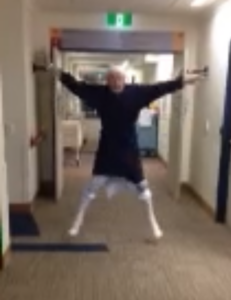
Amaza Reitmeier I'll have more influence but I think it's yeah it's usually you could be my my strategy my PhD advisor sure very much welcome to the lab of course if that is ever real yeah and then and 51:00then you know hopefully by that point too I'll have some grandbabies and I'll just spend time like cuddling my grandbabies or yeah what's since you talked about small small companies and Todd that we talked about did something similar I think in a way do you what what is fascinating about the small companies well you get really close to the people with the ideas yeah and you know because again there's that you can count the employees typically you know on two to four hands yeah but you're right there in the middle of helping solve the problems find a path get things done and so working with the people with the ideas is the most exciting part you you don't have the bureaucracy of a big company you just work with the people who get to make decisions yeah and that's fun really cool um maybe to wrap up also in the interest of your 52:00time um some rapid fire questions um did you have any eureka moments in your career oh yeah I mean one of the the most a story that I tell a lot was my very first DBS procedure so in 2012 I got the opportunity to go to Brisbane with Professor Silbern and and Dr. Coyne and they invited me in to see my first case and so this was a gentleman who came into the hospital in a wheelchair and he had that moment during the procedure where they you know they turned the stimulator on and he was holding a cup of water and his hand stopped shaking and he looked at his hand and tears start streaming down his face because here's this simple act that he was able to do and the next day Professor Silbern sent me a video of this patient doing what he called star jumps so jumping jacks in the hallway again from a wheelchair to jumping jacks within a 24-hour period and I thought well this is what I want to do with the rest of my life is make this possible for more people and then he sent a note that this 53:04patient's wife had written a few weeks later saying thank you for giving me my husband back and my children their father back it's like well there's nothing else I could do with my career that would be more satisfying than this yeah love it I yeah I think many of us even here also the clinicians or the researchers have such a moment somehow right and and yeah I've also interviewed Patricia Limousin and oh she's amazing and she she switched on did you know that she switched on the first bilateral STN case ever just so phenomenal and it's such a fantastic story I think also I listened to that same that was so great same story and I think both both kind of say the same thing and it must have been they they really did not believe what they saw I think you know Pollack said well but he's on on medication and she said no no levodopa and he was walking and 54:00you know this was um it looks like a miracle literally looks like a miracle you don't even believe your eyes yeah yeah yeah um I think you were at the 30 so I got the opportunity to be at like the 20 and the 30 year celebrations in Grenoble talking you know the kind of the celebrations of DBS and just seeing both how far it's come but also how far there is to go and I I loved the 30-year celebration because it really was you know the entire team from
Andreas Horn Grenoble there to talk about those it was so amazing it was fantastic yeah I know I totally
Amaza Reitmeier I was too young for the 20 I guess but I was just starting off then but but I it was of course very um great for me to even gotten to talk about it like I was like I was like I was like I was like But it was, of course, very great for me to even got to talk to Professor Benebit briefly. Me too.
Andreas Horn Yeah, seeing them all and just celebrating that success. And it was fantastic for me to talk to Todd to see the industry side of that, right?
Amaza Reitmeier Because that's a tale not told much.
Andreas Horn And I really mean what I said in the introduction, that we owe it as much to Medtronic in a way to make this a thing. 55:05And could have been, well, I mean, probably some industry would have taken it up at some point, right?
Amaza Reitmeier But making it maybe earlier or putting it out there.
Andreas Horn And yeah, that was really fun for me to hear those stories, too.
Amaza Reitmeier And again, some of the people that were most influential in my learning and understanding, you know, Franz Gehling, you mentioned Franz Gehling. Franz was there.
Andreas Horn I mean, we would not have advanced the field the way that we did without his meticulous understanding of what was necessary for us.
Amaza Reitmeier And, you know, Steve Goetz and Rob Rake, as you mentioned before, Paul Stepakowski, Scott Stanislavski, John Giftakis. Like, these are all people who, you know, have just been involved for decades trying to make this therapy possible. Really a phenomenal, phenomenal group of people. Lisa Schaefer, she was one of my early collaborators on the drug delivery piece. So just it is you feel like you're standing on the shoulders of giants being in this space. 56:05One thing to talk about, you know, we didn't I feel bad because I wanted to make sure I mentioned this. My time in DBS was my first time in DBS was marked by the early STEM study. So I got the opportunity to work with Professor Deutschel and Michael Schutbach when we were when that publication came out, which, you know, you think about pivot points in the therapy.
Andreas Horn Yeah.
Amaza Reitmeier The early STEM study was a pivot point in advancing and accelerating the field of Parkinson's because it gave us confidence. And I think that, yeah, of course, earlier application of the therapy was massively beneficial.
Andreas Horn Yeah. Yeah.
Amaza Reitmeier I'm glad you mentioned that. So so I and I wasn't aware that you overlapped with that study.
Andreas Horn I yeah, I couldn't agree more.
Amaza Reitmeier So I've. Gunter Deutschel has been even a very kind mentor. I listened to your interview with him too.
Andreas Horn Yeah.
Amaza Reitmeier But but also, you know, he's we have not professionally worked together. 57:01We have we have a few publications together. But he's been still a very kind mentor. I mean, he's been a very kind mentor for me for my career. I I do have calls with him every now and then irregularly to pick his brain on what to do. And he's I think he's been such a fantastic figure to the field in Germany as well. But I would say globally as well. Globally.
Andreas Horn Yeah.
Amaza Reitmeier The early SIM trial. And I think the also the New England Journal paper before that just showing me, you know, adding more evidence to the field. I think that that has been. A huge opportunity. I totally agree. So, yeah. Well, it was huge. And actually, one of the things I was surprised at coming back into DBS is that there hasn't been more discussion about the likely disease modifying benefit of early application of DBS. Because one of the most important findings from that study was that the slope of the curve of disease progression was lower in people who got DBS sooner. And, you know, I thought it's a little bit of a shame that that hasn't become more accepted. 58:02The people with DBS. Sooner you do it, they do better. I don't know if it's less medication or, you know, more activity or whatever it is.
Andreas Horn Yeah.
Amaza Reitmeier They don't get as bad as quickly. I, I, I probably also have the unpopular opinion that I'm surprised by the fact of how vehemently people hand wave the possibility away. Right. I think I very much agree that there's not good evidence. The best evidence probably from Malorie Hackers and David Charles. Actually, they've done phenomenal. Trial. But these were, you know, just 14 patients. But that we don't have more evidence is surprising to me. Right. That this is not being at least followed up more. And I think it's been very hard for them to get funding. And I've had discussions with, you know, folks in the fields that essentially, you know, already seem to know it's not disease modifying without having any data about it. And that's not really scientific. You know, I would argue that there's data that suggests that it is. 59:01And it's a suggestion.
Andreas Horn Yes. Yeah.
Amaza Reitmeier But it's not hard evidence. Right. And I think, I don't know, it seems like we had again, think tank is great for these things. But we had another discussion on that. And again, I was probably one of the few that voted for at least looking into it more. Right. I think we do. Of course, the arguments always to implant early can be dangerous and putting people at risk. It's an ethical problem. But we have IRBs for that. Right. We can can see if it's if it's ethical to do it or not. Right. And then I think we do a lot of things like, you know, for example, probing Alzheimer's disease or so that are also not at all clear whether they will help.
Andreas Horn So I. Yeah, I listened to your discussion with Todd about that with great interest, because again, when Todd was at functional neuromodulation was when I was in DBS and we were really debating, you know, does DBS for Alzheimer's work?
Amaza Reitmeier And of course, there was the the promising results for certain of the patients around white matter and and the And I think that's a really good point.
Andreas Horn Yeah.
Amaza Reitmeier I think that's a really good point. And I think that's a really good point. And I think that's a really good point. And I think that's a really good point.
Andreas Horn Yeah.
Amaza Reitmeier And I think that's a really good point.
Andreas Horn Yeah.
Amaza Reitmeier 01:00:30One of the conversations we have consistently with Dr. Oken is Tourette's syndrome because he's got a phenomenal database of people with Tourette's who have benefited from DBS. And we've never done an RCT on it. We've been looking into whether we can get humanitarian device exemptions so that at least it's possible to offer. But the problem with Tourette's is the market problem. You know, it is never going to be a multi-million dollar market.
Andreas Horn Yeah, yeah.
Amaza Reitmeier That is a huge problem also for OCD. 01:01:02I think there has to be some sort of, for smaller indications, that it is easier to get things. Or like, you know, think if you'd, and I'm no expert in this, but I think, for example, lesioning does not have to be approved per site, if I'm informed correctly. But the device to make the lesion has to have an FDA approval.
Andreas Horn Yeah. And so with DBS, it seems like it's very restricted to where you put the electrode, right?
Amaza Reitmeier Well, I mean, it's the same rules for everybody. The clinicians can prescribe DBS for whatever they like.
Andreas Horn The challenge will be, can they get reimbursed for it? Yeah.
Amaza Reitmeier And we can't train or promote on indications that aren't approved, obviously.
Andreas Horn That makes sense. Okay. Yeah. Yeah.
Amaza Reitmeier All right.
Andreas Horn So, yeah, still a lot to do there.
Amaza Reitmeier I know. So, do you... We talked about eureka moments. 01:02:00I also always want to ask the opposite in a way.
Andreas Horn Do you regret anything in your professional life? Or, you know, did something go really wrong once?
Amaza Reitmeier I feel like I've made every mistake you can possibly make in career development. But I don't really have any regrets because the things that went wrong were the things that you learned from the most. And so, you know, there's this thing about humans is we tend to only learn from our own mistakes. And so, you know, I've had some pretty embarrassing moments of, like, when I first became a people manager, I was such a bad boss that my only employee quit, you know. Got it.
Andreas Horn Yeah.
Amaza Reitmeier But you learn from that, too. Sure. So, now one of the things I focus a lot on is professional and career development. I want to make sure that my team feels supported, that working on my team is a good place to work, that you're going to get...
Andreas Horn Yeah.
Amaza Reitmeier Developed as a human being, respected as a person. 01:03:02One of the running jokes on my team is that, like, if you want to get pregnant, you should come work for me because my team is full of babies. People with babies.
Andreas Horn Wow, fantastic.
Amaza Reitmeier That's great. Oh, I love to support parents in their career development, kind of, and make sure that people have an opportunity to grow and be challenged in their careers. So, I've been really proud of that.
Andreas Horn Yeah.
Amaza Reitmeier That's great.
Andreas Horn Any advice for young folks entering the field of neuromodernity?
Amaza Reitmeier Sure. Sure. Sure. Sure. Sure. Sure. Sure. Sure. Sure. Sure. Sure. in all of med tech, I think, because we're on the verge of being able to discover so many things and then make them really useful for people. Yeah. So stay curious, know that if something doesn't work, it's okay. It's like the whole Thomas Edison's like, I've not failed, 01:04:04I found 10,000 things that don't work. Yeah. So fail forward, fail in the right direction, be willing to challenge the status quo, and stand up for what you believe in. Because there's,
Andreas Horn there's unlimited opportunity for discovery in our field. Yeah, the brain is unlimitedly complex. So yeah, lots to discover. But this is the space for curious people. Great, great. Well said. And any advice for folks that would maybe coming from academia or clinical work to land an industry job? Do you have any general suggestions? Well, it's a little bit back to what we were talking about
Amaza Reitmeier earlier and understanding the market dynamics. Just because something, is a good idea, doesn't mean that it's a good business. And so the reality is on the business side, we have to prioritize, we have to make choices with the resources that we have. And that's the hardest part of my job is deciding what to say no to.
Andreas Horn 01:05:02I would love to say yes to every idea that crosses my desk, and I can't, I have to choose. Yeah,
Amaza Reitmeier both because we don't have the resources, but also just the human capacity to do work.
Andreas Horn And so when you come in from academia, it's hard not to get offended if your idea isn't the one chosen. Right? That makes sense. Yeah.
Amaza Reitmeier So it's balancing the quality of the idea with the ability to sell it. That's very helpful. So, but maybe even more, you know, for the younger folks, let's say, postdocs from a lab, from my lab, from, you know, that want to go into industry, but may not have... be well connected yet, but might be great at what they do, either R&D or more the business side, any tips that you could give of how best to approach the companies or, you know,
Andreas Horn meet at conferences? Or what's the what's the what's a good tip, maybe that you could give
Amaza Reitmeier to young folks that would be curious? So in general, I think this is true, 01:06:04whether you are already part of an industry or wanting to enter an industry, networking is key. Like you can look at who's presenting posters, who's on podiums, who's behind the scenes and get to know them. So, you know, in our in our research and technology area, we've got a phenomenal researcher, Abby Becker. So she worked in Peter Brown's lab and Phil Starr's lab.
Andreas Horn And then she came to work for Medtronic, right? And so she's kind of got the prototype of like
Amaza Reitmeier the perfect career that transitions from academia to industry or Rob Rake. Rob did the same exact thing. So if you go and you know, you want to do that, meet Rob, meet Abby, talk to them about how they did it, get to know them, because it's all humans.
Andreas Horn Yeah.
Amaza Reitmeier Right. Just get to know the people that you might actually... want to go work for and ask for a job. Sounds great. We're a company of human beings. And when you just make that human connection, demonstrate curiosity, and pretty soon, you know, we'll be dying to hire you. 01:07:01Sounds great. Okay. And then we've talked about the future a bit, but if you had to paint the bigger picture of where our field would be in maybe 10 or 20 years,
Andreas Horn even, what do you think are the, you know, more long-term vision ideas there?
Amaza Reitmeier Well, I hope this isn't too narrowly bound, but I'm going to stay within the field of implantable neuromodulation, because I do think that's an amazing field with a lot of runway. But I can imagine a tiny, elegant sensing-enabled device that lasts for 20 years, that can sense and interpret your brain signals, that really...
Andreas Horn Yeah.
Amaza Reitmeier ...is going to be a big deal.
Andreas Horn Yeah.
Amaza Reitmeier That really does take all that we've learned and translate it into an elegant, seamless therapy for patients that they're more than willing to get, that we've gotten over the fear. We've got the tools now, we just need to make it a reality. 01:08:02Sounds great. That small, simple, elegant, physiologically responsive devices that change people's lives for the better.
Andreas Horn Yeah.
Amaza Reitmeier Unless we can cure the diseases. If we can cure them, that'd be even better. Of course. just stay in my lane for a little bit yeah totally um and then any missed opportunities that the field should be doing more but isn't doing enough oh man i should have thought about this question um i don't have a good answer for you on this one i mean again more research and more more investment into into the algorithms that make the brain work is always going to be beneficial yeah and no answer is a good one here right because it seems like we're on track at least there's no apparent thing where you've always been thinking how we should be doing that more or you know so so it's that's i think that's a good answer yeah um no apparent mistakes at least and i i 01:09:00do agree i think we we we are sailing towards the right direction and um there's not much where i think oh this is all going wrong or so right and and so sorry yeah i think you know one thing i'll say is that we've got amazing imaging and visualization visualization technology and we've got amazing stimulation technology and we haven't been as amazing at connecting those dots so you know we've got a great opportunity to take the tools that we have on the planning side and present them to the programming clinicians in a much more elegant way i think boston scientific's done a nice job with that but um so that's we we have to invest some time there we were focused on sensing yeah yeah no and i mean which i still think i still think was the right area of focus but now we've got to close the loop on the planning to programming side sounds good cool and then last question is there anything we should have talked about that you would would have loved to talk about that i missed or that uh um we didn't cover enough well what are you most excited about 01:10:05in the field of neuromodulation oh great question there are oh uh um i think i can share a little bit of your experience with the program and i think it's um i think i can share a little bit of your experience with the program and i think it's um i think it's sort of like patients personally really about depression and Alzheimer's. I kind of have been converted to become a believer in both when seeing the data. And I was not before. So especially for Alzheimer's, to be honest, I was not. But I've grown to become a believer there, just looking at data and publishing on the data. Yeah. I hope you're right, by the way. I really hope you're right.
Andreas Horn Yeah. And I mean, this is a belief, right? This is not. Yeah. But I've been swayed by the data to
Amaza Reitmeier be much more positive about that potential indication. Then I similarly, we talked about 01:11:01it. I did one paper with Mallory Hacker and David Charles on looking at their 14 cases. And I also became convinced at least that there is the need to investigate that further, the early indications. So what we found- Well, and her work on the sweet spot targeting is really, really good. So I think that's that paper. I'm going to share the last author on that. Yes. So I think the key point there, and I think we even, unfortunately, did not put that final figure into the paper. We're now sending off a second one to show that figure. I think if you just look at the raw contacts of the people that did not progress after two years, they're all so clustered in the sweet spot. And I think that's the most convincing
Andreas Horn thing to me, right? It could be chance, right? But it's not. It's not. It's not. It's not. It's not. There's no other thing that explains that, right? And they also had less stimulation amplitude and
Amaza Reitmeier so on. So I think that's a very, potentially very interesting field of development for early use of 01:12:06DBS. And yeah, then I briefly mentioned this fusing connectomics with sensing, I think,
Andreas Horn could be phenomenal. That's a bit more future work because we have to really decode brain states there, right? More like detecting tremor from the signals and then using that to detect the brain
Amaza Reitmeier states. And I think that's a really interesting field of development for early use of DBS. Mm-hmm. And yeah, then I briefly mentioned this fusing connectomics with sensing, I think, could be phenomenal. That's a big issue. so that might there should still a lot of groundwork but i think as a bigger vision um i think the way i currently see it what what closed loop would do beta beta trigger closed loop would you know have a break in a car that you could very fast and rapidly switch on and off and that's a really cool steering mechanism already because you have an adaptive brake that could you know steer steer the car um really well but but it is limited to being a brake and not maybe switching gears in a way right um adaptively which which i would find very exciting to work on at 01:13:00some point too yeah good so yeah i'm i'm generally very excited about the field right so i i very much think there's so much cooler stuff we can do in both academia and industry and together hopefully as well so i agree yeah completely what else would we rather do this is so fun isn't it
Andreas Horn yeah isn't it yeah so thank you thank you so much amazer one more time thank you so much for having me and i'm so happy to be here and i'm so happy to be here and
Amaza Reitmeier i'm so happy to be here and i'm so happy to be here and i know how busy you are i can imagine at least and um so this was really a big honor too this was a delight thank you i i'm beyond honored to be asked and if you want to continue our conversation at any time in the future just know i'm in this for the long haul thanks
Click any highlighted text passage to jump the Spotify player to that point. The transcript text is present directly in the page HTML for search engines and accessibility.
Amaza shared a photo of the moment she references in her Eureka moment with DBS. This frame represents the pure joy of reclaiming your life that DBS offers. It was this moment that Amaza’s commitment to brain modulation was reaffirmed.