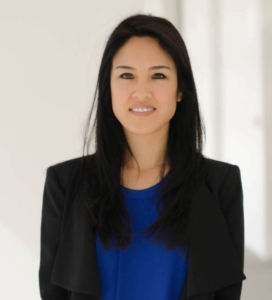
Dr. Nanthia Suthana is a leading neuroscientist from UCLA’s David Geffen School of Medicine and the Jane & Terry Semel Institute for Neuroscience & Human Behavior.
#60: Nanthia Suthana – Pushing Boundaries: Memory Enhancement, Virtual Reality, and Trauma Therapy in Neuroscience
In this episode, we’re joined by Dr. Suthana, a leading neuroscientist from UCLA’s David Geffen School of Medicine and the Jane & Terry Semel Institute for Neuroscience & Human Behavior. Dr. Suthana’s career sits at the intersection of neuroscience, neural technology, and engineering, focusing on memory disorders and innovative brain technologies.
We explore her groundbreaking research on memory enhancement through deep brain stimulation (DBS), focusing on a study where stimulation of the entorhinal cortex enhanced memory retention during learning. She also delves into the challenges of translating laboratory findings into real-world clinical improvements.
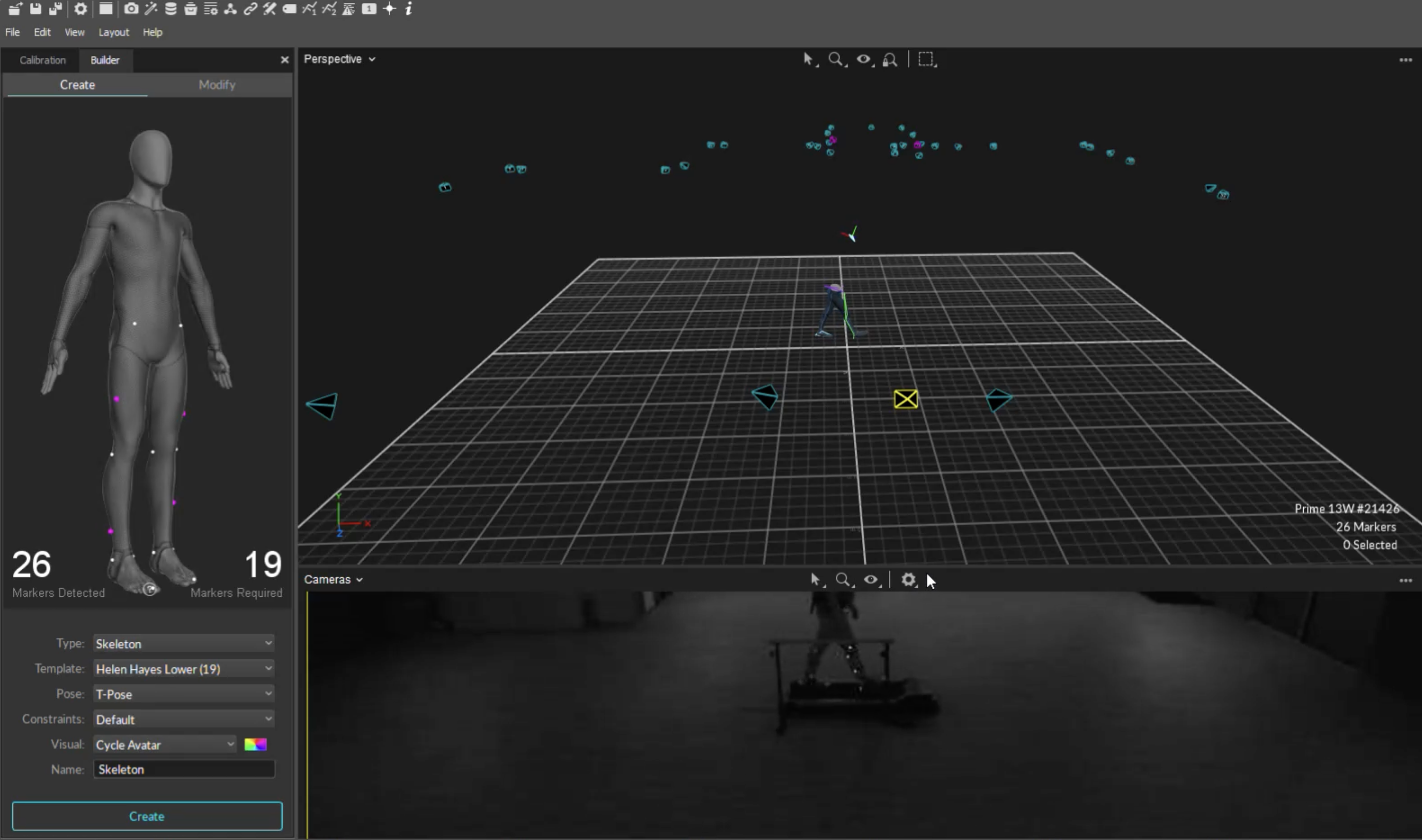
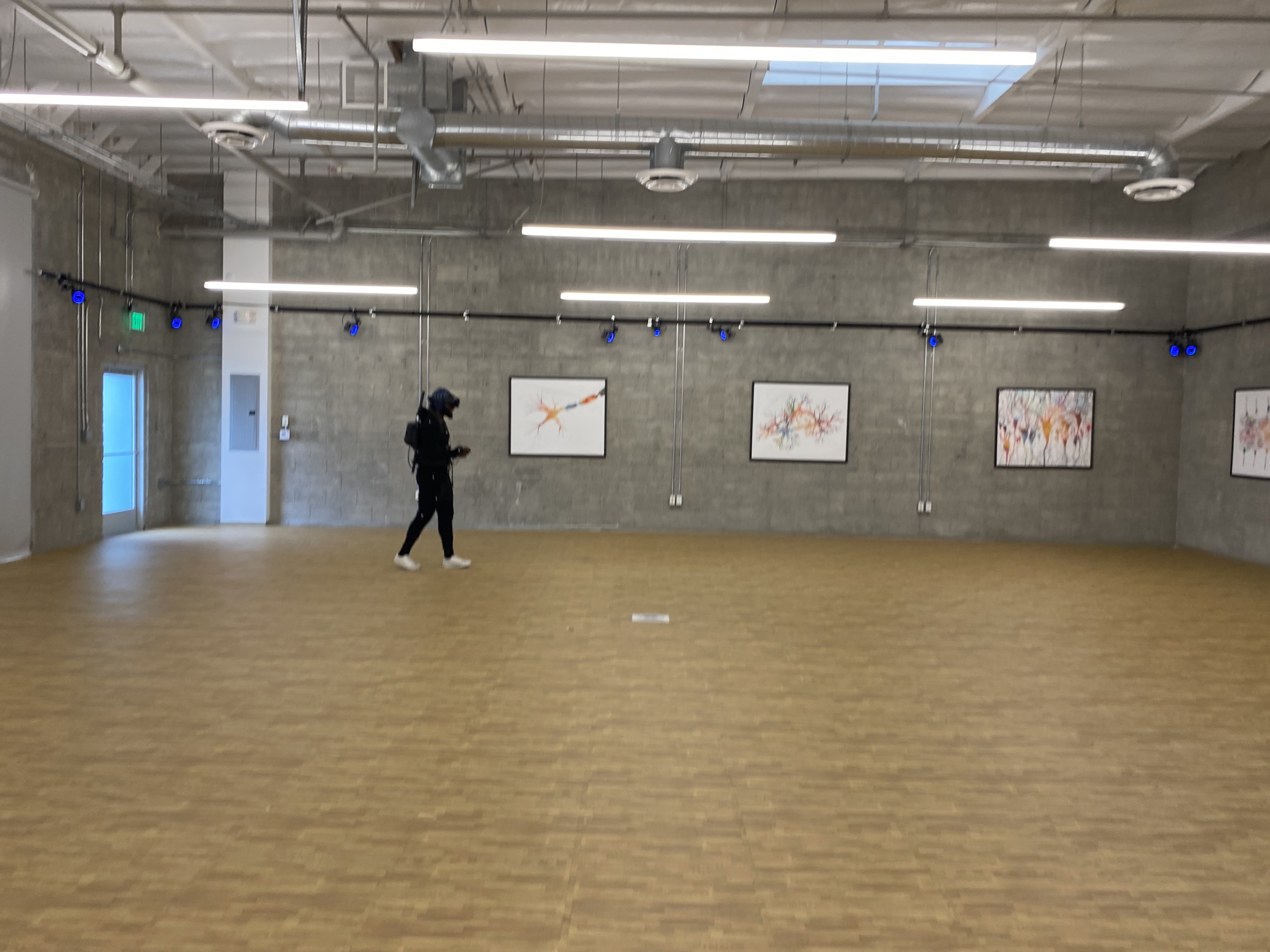
In a truly unique part of her work, Dr. Suthana uses virtual reality (VR) and mobile tech to study memory in naturalistic settings. Her lab even developed a custom backpack system, allowing participants to move freely while recording real-time brain activity to better understand memory and spatial navigation.
We also discuss her recent work on PTSD, where she uses responsive stimulation in the amygdala to help reduce trauma-triggered responses. Dr. Suthana expresses her excitement about the future of wearable tech and how it might revolutionize the field by combining real-time data collection with neurostimulation.
Tune in for an inspiring look at the future of neuromodulation and memory enhancement as Dr. Suthana shares her vision and insights into this cutting-edge field.
Nanthia Suthana 00:00we could enhance subsequent memory by stimulating during learning. These theta oscillations, even though they're infrequent, they can be modulated by distance to the wall. I see a more precise, temporally specific... What may seem totally like a no-brainer idea to you may not necessarily always resonate with others, right? So it's good to just sort of believe in that intuition that you have and go for it any way you can. Welcome to Stimulating Brains. Hello, and welcome back to Stimulating Brains. 01:04In this episode, I had the pleasure of speaking with Dr. Nandhya Suthana,
Andreas Horn the Ruth and Raymond Stotter Chair in Neurosurgery and an assistant professor of neurosurgery and psychiatry at the David Geffen School of Medicine at UCLA and Jane and Terry Semmel Institute for Neuroscience and Human Behavior. Dr. Suthana is an expert in neuroscience and neurotechnology whose work is at the cutting edge, of memory research and brain stimulation. Her groundbreaking studies on human memory, spatial navigation, and PTSD have not only advanced our understanding of how the brain works, but also how technology can be used to enhance it. We talk about her early work with deep brain stimulation in the inter-rhinal cortex, and also her innovative use of virtual reality to study PTSD, and she's pioneering new methodologies that are transforming the field. Our conversation delves into her fascinating career path, the mentors that shaped her journey, and the exciting 02:01interdisciplinary collaborations that are driving her research today. We also discuss the future of neuromodulation for treating cognitive disorders, and the tools that might revolutionize neuroscience in the years to come. So I want to thank you once more for tuning in, Stimulating Brains with Dr. Nandhya Suthana. So Nandhya, hi. Thanks so much for joining us for the podcast. We will have already more formally introduced you by now, so we can jump right into questions. And before diving into science, I typically ask about hobbies as an icebreaker. So is there anything you enjoy while not working in research or medicine also? Yeah, this question is tough, because I have two small children, so I don't have much time for hobbies, but most of my free time 03:00is spent doing activities with them. I used to be a competitive martial artist, so when I do have time, I still enjoy training, mostly though with my husband, who's in physical fitness as well. Wow. What type of martial arts? I did a Kenpo mostly, and a little bit of like jujitsu and ground grappling. Wow, that's great. Do you have a belt? I do. I have a black belt. Wow. In Kenpo. Oh, wow. Okay. Okay. Yeah, my other life. My other life. Yeah, the life. Yeah. My mom would have said, we should not bump into you in the dark. That was always her saying if she wanted to give physical respect to somebody. So yeah. Yeah, nice. Yeah, it was good training as a kid, give me some confidence and smarts, I guess.
Nanthia Suthana Sounds great. You have worked on fascinating projects combining neuroscience and technology.
Andreas Horn 04:02So maybe you're still in the icebreaker section. Outside of research, have you always been interested in tech and gadgets as well?
Nanthia Suthana You know, I was recently speaking to my mom about this, and I guess I don't have memories of this, but I was very into computers, you know, I guess not all gadgets, but computers specifically. And she was a computer programmer. So she had things, you know, software around and she said that I was really into AutoCAD when I was six
Andreas Horn years old. I guess I also don't remember this. But it sort of makes sense because there's a sort
Nanthia Suthana of art perspective, art side to AutoCAD. And I was really into art and math and kind of combining those two things. So I guess it's not totally far off from what I'm doing now, even though when I
Andreas Horn was young, I wanted to be an architect, which makes sense. Oh, wow. Yeah, that's great. Okay. All right. So moving on to your work life,
Nanthia Suthana you've really had a fascinating career path so far, blending neuroscience, engineering, 05:01neuro technology. Can you maybe tell us about key mentors and also turning points that led you to
Andreas Horn where you are now? Sure, yes. Let's see. So
Nanthia Suthana I was always interested in memory since day one, sort of in the context of disorders like amnesia and Alzheimer's disease, and understanding how it works and when it fails. And so So I started in that work, but was very quickly frustrated by the technologies. And I think the turning points really were when I stumbled upon labs that were developing new technologies to study memory. And so the first was Susan Buchheimer's lab during grad school. She was working on, you know, sort of pushing the boundaries of spatial resolution and fMRI. And I was really interested in applying that technology to study memory. My other co-mentor at the time was Barbara Knowlton, who really influenced how I think about memory and behavior. And then during postdoc, later grad school and postdoc, I was introduced to, you know, Itzhak Fried, who, you know, works with single neuron recordings and deep brain stimulation in humans. 06:10And that technology really, you know, influenced sort of what I do today. You know, given this rare opportunity to record, you know, have direct access to the human brain. So I think it was really, you know, development of new technologies that influenced sort of my next chapters and then ultimately led me to my lab today, which was influenced by a major FDA approval for a new deep brain, you know, stimulation device that could record brain activity.
Andreas Horn So it's always been sort of the driving force behind my approach and, you know, ultimately to try to understand memory and help people who have memory disorders. Yeah, yeah. You mentioned this, you know, technology. So do you think that there's some kind of, you know, like a device regulation breakthrough, you know, that something, a new stimulator became available that empowered new scientific approaches?
Nanthia Suthana 07:02And I think that is probably a very general thing, right? If there are new methods, there's new cool science to be done. I would still say you saw the opportunity and you are at the forefront of using that in very creative ways and looking forward to diving into that a little bit. So as you mentioned, some of your work, probably most of your work. has focused on human memory. And for example, there was one key paper that you first authored in the New England Journal in 2012. That was during your time with Itzhak Fried.
Andreas Horn And it was, you know, stimulating the internal cortex using DBS. And you also, you know, when researching, you also hold a patent on the topic. Can you summarize that work a bit? Like that? That study, what you found, how you how it came up and what you did?
Nanthia Suthana Sure.
Andreas Horn Yeah.
Nanthia Suthana So that was really the first study, you know, where I was involved in using intracranial brain stimulation. 08:04And I've always been fascinated by the early days of like, while Wilder Penfield's work where, you know, electrical stimulation can elicit these sort of unexplained phenomenon like deja vu and surgery. And there was an interest. There was some work done at the time. By the Lizano group showing that the fornix stimulation could, you know, enhance memory and also elicit these deja vu experiences. So at the time when I was a postdoc, you know, Itzhak and I were wondering if we, you know, apply the similar types of stimulation to the entorhinal area, which is like the fornix. It's a major white matter pathway into the hippocampus. And it's a major input, you know, into the hippocampus as opposed to fornix, which is output. So we thought maybe if we stimulate this area, we could we could modulate. Learning, you know, and measure subsequent memory.
Andreas Horn And that's what we found, is that we could enhance subsequent memory by stimulating during learning. And it was really like the first time this kind of stimulation was showing an enhancement effect on memory and sort of opened the door to try and explore this concept a little further after that. 09:11And so this was high frequency or low frequency stimulation? Yeah, I mean, it was high frequency in the sense it was gamma frequency, but not high gamma.
Nanthia Suthana gamma. So it's not the usual like 130 Hertz, but more like around 50 Hertz to this enterinal area.
Andreas Horn And you applied that during a task. And I assume this was in epilepsy, right? So these were probably SEEG electrodes? Yeah, these were epilepsy patients who are already implanted to,
Nanthia Suthana you know, evaluate their seizures. So we're sort of piggybacking on that opportunity. And, you know, with their consent doing the stimulation at a very timed protocol during the task, which was a memory task. Yeah. So it was a memory task where you stimulated at specific
Andreas Horn points in the task? Or was it continuous? Or how did that work?
Nanthia Suthana 10:02It was continuous, but intermittent. So sort of using this like trains of stimulation on and off during certain trials during learning. So half of the trials during the simulation. Yeah. Learning and then no stimulation during other half of trials. And then we saw that the memory for the items that were learned during the trials where stimulation was on, you know,
Andreas Horn were improved, tested, you know, testing later on. Fantastic. Was it a dramatic effect or, you know, how do you interpret it now looking back? Yeah, looking back, you know, it wasn't
Nanthia Suthana a huge effect in the sense that it's a task in a lab setting. So it's hard to translate this to, like, clinical improvement, you know, if say we did this. But so in that sense, it wasn't a large improvement. And I think the stimulation of this circuit is also highly variable because the region is so small. So it was a small study, you know, sort of preliminary study with small number of 11:03patients. But, you know, it's sort of opened the door to using this method as a way to, you know, understand the circuit and modulate the circuit. And I think it's a really good way to, you know, And I think that was sort of the big take home, rather than, let's say, a clinical trial to improve memory, jumping ahead like that. Yeah, yeah, very interesting. And I sometimes wonder, so if we think of the broader idea or concept of using electrical stimulation to enhance brain function, which this taps into, I always wonder, is it important to... way that you can use this. So what I personally believe is that, you know, the brain has a lot of potential to improve memory, but it also has a lot of time during evolution to essentially maximize its capacities. And if it were as simple as just to, you know, engage one area a bit more, then that would probably have happened during evolution. But what we can, you know, it probably would come at a cost if we did 12:01this now, let's say, always, you know, it might be that then the capacity in a different circuit
Andreas Horn would be diminished, or how do you see that, right? Would you, you know, despite all the ethical conundrum or challenges, do you see that this could become a thing that we really enhance the brain with this? Or would you think it would always almost certainly come at a cost somewhere else if we did this more as a real chronic idea? Any thoughts on that? Yeah, it's a really important question.
Nanthia Suthana And, you know, anybody doing this kind of work, I think it's something we have to be very thoughtful about and design smart studies to, you know, measure those types of things and see whether truly there are costs to the stimulation that are enhancing. You know, in our hands, at least in the studies we're doing, we do see that there can be a lot of specificity and, you know, in terms of the cognitive effects. So I think, you know, the more we learn about it, and that's really important here.
Andreas Horn 13:02Is it?
Nanthia Suthana Understanding the circuit, the more we learn about it, I do think that there's an avenue towards, you know, modulating and positive optimum ways while minimizing, you know, the costs that we really just have to be thoughtful about it, both ethically and scientifically.
Andreas Horn Yeah, that makes sense. That makes sense. And so this was essentially stimulation, right? So you did not record much there?
Nanthia Suthana No.
Andreas Horn Or did you? Okay.
Nanthia Suthana We did. We did record, you know, sort of LFP or intracranial EG activity. But there's a period where you really. You know, we can't do that with the technologies at the time. So where the amplifier, you know, saturates. So there's a challenge there.
Andreas Horn Yeah.
Nanthia Suthana More recently, you have been using very innovative approaches to, again, study memory, but also other things by allowing subjects to move freely in a real world environment. And I think that is what really people think of when they hear Nantea Suthana, which made you famous to, you know, you came up with a setup. 14:01This is, I think, in your own lab. As far as I understood it, you came up with a whole room and set up in a backpack where, you know, the computer is in.
Andreas Horn Can you describe a bit what the idea is here in the general approach and also how you came up with it? What were the challenges of? Yeah. Yeah.
Nanthia Suthana I guess in every chapter of my career so far, I've been very, you know, conscious or aware of the limitations of the tools that I'm using and one of the limitations at the time was that these participants.
Andreas Horn Yeah. Yeah.
Nanthia Suthana They're patients, you know, they're sitting still while we're doing all these cognitive tasks and we're trying to study memory, but also spatial navigation and memory. And really that studying, you know, spatial navigation and memory with a person who's sitting down is really sort of an unnaturalistic experience or very constrained setting. So when I saw this approval for this implant that was going to be a permanent implant and completely shielded from external noise, you know, without movement artifacts. 15:03And so on. I got really excited by the possibility of recording from the same region that I had been recording from all these years and people who can move freely. And so that was really the, you know, the influence, the, you know, turning point, I guess you could say, of opening up my lab because that's when I opened up my lab. And so we started to do this and quickly realized that it was really challenging technologically. And so we needed a way to interface with the implant. There's no externalization. There's no randomized wires. There's no way to communicate with it easily. And so this is where we worked, you know, with a lot of engineers, Urj Chapalovic in my labs, R. Aghajan, several others who helped build this backpack that allows us to see the data in real time, insert signals into the data so that we can synchronize it with external wearables. And really do make it such that we can study this scientifically in a rigorous way. 16:01And so that's sort of where it. That's sort of where it started. And then we use it to study memory. I think you probably want to avoid, you know, naming the company. I'll still say it's likely going to be something from the Medtronic company that was used here. And you probably did. You did have to, because it's all in the body, you would still have to, you know, at the wire, at the extension cable, you probably have to inject some sort of noise to know.
Andreas Horn So when a trial was happening, that was probably one thing. And could you also then like live stream it out or live see the data somehow? Yeah.
Nanthia Suthana So we are like sort of company agnostic. We use both devices that are currently, you know, approved. So the Medtronic and the NeuroPace devices, we use both.
Andreas Horn And in both cases, yeah, you have to insert, you know, an artifactual signal into the data to be able to synchronize like simultaneous with some sort of external signal, like an LED or something. 17:02Or a scalp EG system. And so that was, you know, the technological challenge. And then, you know, enabling the real-time activity is also possible. And that requires, you know, sort of a little bit more thought and tools. But we definitely collaborated with these companies, you know, to help us with this. And that was critical. And so would you like with the backpack have a more or less lag-free access to the data or? Yeah, yeah.
Nanthia Suthana It's definitely it's pretty good, you know, temporarily. So we have like millisecond, you know, synchronization and pretty much lag-free real-time viewing of the data.
Andreas Horn Wow, that's fantastic.
Nanthia Suthana And so you can then, you know, the backpack, there is a computer in there that can analyze the data flowing in also from wearables, also maybe from the task itself, but also from the LFP recordings. And then you can probably also stimulate. 18:00Right, right.
Andreas Horn Yeah, you can also trigger the stimulator either manually or based on some sort of task variable, you know, that you program ahead of time. So it's pretty much a full, fully scientific laboratory platform that, you know, you can control, which is what we want as scientists. That is fantastic. So I'm sure that were some hurdles and especially when starting a lab, you know, setting, putting your money on that was to, I'm sure it took courage. But it's fantastic. It's fantastic how it turned out. Were there technical hurdles or obstacles that you want to talk about or mention just to, so if people, that people don't think it's so easy? Oh, yeah, there's many, many of them.
Nanthia Suthana I could sit here for hours talking about those hurdles. I think anybody who was working with me at the time, that's what we just, you know, became experts on is just, okay, next idea, next idea. This one didn't work. I think Zahra and I, we started with a GoPro camera on the ceiling and quickly realized, you know, that wasn't going to work. 19:00So I think. I think the, there needs to be sort of trial and error troubleshooting and the right technologies that you pick to integrate, you know, some don't have the best sampling rates or they have, you know, you know, sort of some artifacts or issues that may, you know, cause problems. So you just gotta, you gotta be able to just trial and error and, and keep going, keep moving. And when something fails and try something new, that's been the lesson I've learned. That sounds great.
Andreas Horn And then. I guess, what did you use it for?
Nanthia Suthana Right. I was not able to check things. There were so many high impact publications in one of your groundbreaking studies. You were able to record from the hippocampus while the subjects were moving in navigated in space. This used VR as well in a bigger room or.
Andreas Horn Yeah, that's correct. Yeah.
Nanthia Suthana I mean, the first questions we wanted to ask, you know, was really to try to bridge the gap to decades and decades. 20:01Of. In fact, also Nobel Prize winning studies where there's, where they're recording from this region and seeing little like responses that are. Modulated by position and also these continuous oscillations that are modulated by movement speed. So these were like very foundational impactful discoveries, but we've never, we've never found these are recorded these in humans. And so that was really the first step is to see if they replicate. and then we quickly saw that they don't quite replicate. They're different, they're unique, and that created a lot of challenges in the field at the time. But since we've worked through these results and also found that they are similar to other non-rodent species like bats and monkeys,
Andreas Horn so there's some sort of opened up an area of research where we can explore why there are
Nanthia Suthana these differences and understand what's truly happening. So I think it's definitely been a
Andreas Horn journey. Do you want to talk a bit more about the differences? That's super exciting. I assume you,
Nanthia Suthana 21:04for example, are referring to grid cells. So that's one of them. We can't record directly from grid cells in humans yet. We're recording these theta oscillations, which are definitely tied to grid cells temporally in time and place cells. So these theta oscillations in rats, they're modulated by movement speed. They're very dominant when an animal's running. And in humans, we don't see that. They come in intermittent bouts. About a tenth of the time. And so that was really puzzling for a long time. But then as we started to explore this and also see in bats and monkeys, it's similar, that there's a lot of information carried in that mechanism of intermittent presence or so forth. So that is sort of an advantage in some ways because that carries a lot of information. And we find that these theta oscillations, even though they're infrequent, they can be modulated by... Distance to the wall, or they can be modulated by another person's position 22:02and various other factors and speed. So there are similarities to the animal work, but there are some important differences. And that's really what we've been trying to look into further. And since it's not a typical DBS target, the hippocampus, I assume this was
Andreas Horn probably also more with the neuropase and SAG-RNS kind of in epilepsy? Exactly. Yeah. These are the RNS patients who...
Nanthia Suthana Have epilepsy or are implanted for epilepsy purposes.
Andreas Horn Fantastic. Okay. So yeah, memory is such a complex function of the brain. How do you see
Nanthia Suthana the brain simulation evolving as a tool for memory enhancement or even then also treatment or... Even it's the wrong word, but maybe first as a treatment for memory disorders and then potentially also memory enhancement. Summarizing from all of the things you've worked on, and then also you mentioned the Lozano trial.
Andreas Horn Yeah, exactly.
Nanthia Suthana And then sort of 23:08sort of sort of sort of sort of sort So I think there's a lot of work that we need to do in understanding that mechanism to enhance. We've been having a lot of success actually with a different kind of memory disorder, which is post-traumatic stress disorder and sort of using this responsive deep brain stimulation to prevent the negative side effects of the trauma reminders. And so I think that, at least in my mind right now, is a little bit easier to tackle. And so that's what we're pursuing. But I think as we learn more about memory and this circuit and Alzheimer's disease, there may be ways we can, in the future, help patients with more amnesia-like symptoms. 24:13It made so much sense, but it was surprising to me when you conceptualized PTSD as a memory disorder.
Andreas Horn Yeah.
Nanthia Suthana Sure Sure Sure
Andreas Horn you know, how does it feel to get that in? I'm sure it's not easy, typically takes a lot of
Nanthia Suthana revisions and so on a lot of work. But then also, how did it feel once you were and you were last 25:03on that? So how did it feel to? Yeah, I think the first author and I definitely, you know, celebrated after the fact that the journey there was very challenging. And I have to give give the credit to him, Matthias Stongel, the first author, who really, you know, put in a lot of work. That paper has a lot of supplementary figures and a lot of extra analysis, you can
Andreas Horn think of it as multiple papers, actually. But yeah, I mean, it was it was worth worth it,
Nanthia Suthana definitely, in the end, because I think it brought a lot of attention and spotlight into this approach that I've been trying to amplify and get other people to take notice and and use because I
Andreas Horn think it has a lot of opportunity, you know, for neuroscience. What was it about? What did you and how did it start? Yeah. So yeah, we use this platform that I mentioned before, we can have freely moving participants
Nanthia Suthana while we're recording from, you know, hippocampal areas and adjacent areas. And Matthias, you know, 26:02had a really smart idea, which is that he wanted to not only record for them as they were moving, but also record for them from them when they were sitting down watching him move around, and they had to pay attention to his space. And this is during the pandemic when we were doing after, you know, after the pandemic when we were doing the study. So it actually seemed quite relevant to our everyday because people were paying a lot more attention to where people were in relation to themselves, trying to keep that six feet, you know, distance and so on. Yeah. And so, you know, what we found were that these signals were modulated by distance to the walls, which it was a spatial memory task. So that sort of made sense, you know, walls are critical
Andreas Horn for, you know, orienting ourselves. But interestingly, it also was modulated by the position
Nanthia Suthana of these walls. And so it was sort of like a shared representation or signal, you know, for ourselves and others. And that was sort of the first time that anybody's really seen this in 27:01these hippocampal signals. And it just wouldn't have been possible without this freely moving, you know, sort of platform. And so it was a combination of that technology that we built. And, you know, Matthias' really smart idea for how to use it that culminated, I think, in this, you know, paper.
Andreas Horn Yeah. Fantastic. Okay. So as we've talked about, your work involves developing tools and technology to better visualize and understand brain activity. Can you discuss some of the neuroimaging techniques you've been using in your research as well, or maybe the novel approaches you had to develop to, you know, even see these signatures and maybe the VR setup? 28:04I would love to hear a bit more. We've talked a bit about it, but, you know, about what were the things you had to essentially pioneer to make all of this work? Yeah, thanks for that question. It's, they're definitely, it's an evolving technology. Like I said earlier, whenever I'm working in with a tool, I'm always very cognizant of its limitations. And so I'm always looking for how can we improve this? What are we missing? Yeah. How, you know, and so we'll, we'll identify certain things like, you know, it would be great to track eye movements, you know, and humans, we are very much a visual species and we learn that way. And so can we integrate, you know, smart eye trackers? And can we integrate in terms of the anxiety studies? Can we integrate good biometrics like heart rate and skin conductance? And these are all very challenging. Each one comes with their challenges. And so one of the technologies that we're working on now is, is collaborating with
Nanthia Suthana 29:03sensors.
Andreas Horn Yeah. Yeah. Yeah.
Nanthia Suthana sort Yeah. improve and yeah i think that is what's you know influencing these these developments and collaborations and i can't do all i can't do this right so i have to yeah yeah find smart people to work with and that's been fun so that would be the next question the collaboration with engineers um both in the lab or in the university and also in industry um you know that seems very important i didn't even ask about your background maybe um you know what's your role in this how do you 30:04how do you do this how um how do you get people motivated and can you talk a bit about that yeah my background is is just like a mix of everything i guess on paper it's a neuroscientist but i'm always dabbling in multiple fields like i want to understand the engineering and so i'll take classes there i want to understand the psychology i'll take classes there or the clinical side right so i've always you know even in my phd work i approached three labs because i wanted to collaborate between them and was able to get funding to do so so um my background is just like a mixed bag and i think that's what um helps with the collaborations it at least gives me enough of the language to talk to all these different people and and um so yeah we definitely work with a lot of engineers and device manufacturers and sensor developers and you know that's that's really really critical for this kind of work super cool and then you you did mention ptsd i think um more more recently you 31:04have worked on that more and it you just said it seems maybe as the new even focus right now for for now for the lab um the two of us met at the big idea summit of the reina cerebellum project and i vividly remember you showed a virtual reality scenery um where participants would walk through a warehouse or something of that sort and then there was a virtual reality scenery where participants would walk through a warehouse or something like that um how were you how were you how were you how were you how were you how were you how were you how were you how were you how were you how were you how were you how were you
Andreas Horn Yeah, that's always fun, you know, to watch an audience jump when you try to scare them a little bit. So I mean, other than trying to get them to remember my talk, right, which is one strategy, there's a scientific reason for this. 32:10And it's really to create an experience in the lab in a safe setting where we can induce fear and not just fear, but learned or the memory of fear, meaning that we pair it with a cue, like a light change or something such that that safe cue can elicit the response. And that's really how we think of PTSD in a lot of ways, right?
Nanthia Suthana This, you know, sort of, you know, this sort of improper. Memory for this trauma that's that occurs during safe settings, right during safe cues. And so we're using it as a scientific, you know, approach to studying PTSD. The paper you referred to actually was published, publishing the first two patients in the trial who had PTSD, who were using this responsive stimulation to the amygdala to try to prevent the side, you know, the symptoms associated with being triggered. 33:10And. And then the task that we're talking about, the spider task, this one is now our next phase to try to understand how that's working. The first two patients did. Oh, no, it's OK. The first two patients just did really well. They improved a lot. Right.
Andreas Horn And and so now we're using this as a test bed to understand why and how that is so we can stimulate, let's say, when the spider comes up or we can stimulate when the light cue comes up and see what are the consequences to their heart rate variability or their skin conductance or to the brain activity.
Nanthia Suthana Right. And so that's. So let's let's unpack that a bit. So so maybe let's talk about the first study first where you have this. These were two or three patients stimulated in the amygdala in a responsive way. Right.
Andreas Horn Yeah.
Nanthia Suthana So.
Andreas Horn Yeah. Yeah.
Nanthia Suthana So they are treatment resistant treatment factory. 34:00And so they're combat veterans who have tried all other treatments to with no success, unfortunately, and to the to the point where they are willing to, you know, basically. Get a permanent implant in the hippocampus in the amygdala hippocampal region bilaterally. And so what we did in this study, and this is a collaboration with surgeon Jean-Philippe Langevin, who, you know, approached me initially, you know, with this idea, and I became really excited about it is to find a signal that's recorded with this device that could be used to trigger the stimulation.
Andreas Horn Yeah.
Nanthia Suthana And that signal we found by basically inducing their symptoms in the lab, you know, under safe settings.
Andreas Horn Yeah.
Nanthia Suthana when they are triggered and they are reminded of their trauma so that we can analyze all of that data and find a signal that we could then use to trigger the stimulator. And that's essentially 35:00what we did. And luckily, I guess, you know, we found a signal in these patients and that converged across all these experiences, used it, and very quickly, you know, the first patient improved. And it's been three years now that first patient has been basically in remission
Andreas Horn and hasn't had, you know, any major symptoms. And second patient, third patient, they're very close, not far behind as well. Was it the same signature in all of them, same biomarker or? Yeah, it was similar. There were some differences slightly in terms of the amplitude and so on.
Nanthia Suthana But yes, it was the same signal that was triggered in all of these participants. Now that we're digging more into the data, there may be some subtle differences that, I think, will be interesting for the next, you know, publication or next study.
Andreas Horn And then if patients marked episodes at home, would that have been just by reporting the time or, you know, magnet swipe or something? 36:01Magnet swipe, exactly. Magnet swipe. Yeah. Okay. So I assume this was probably also with RNS. Yeah. Okay. Interesting. Was it one electrode or two electrodes?
Nanthia Suthana Two electrodes. Yeah. Bilateral two electrodes. With four contacts, tightly spaced, a few millimeters. And you would sense from the same, from all four contacts. Right.
Andreas Horn Okay. Interesting. Very cool. So, okay. And that was a great success clinically,
Nanthia Suthana scientifically as well, of course. And then you said, now I understand you would now test, maybe even in healthy participants, the association between a light change with the fearful stimulus, which was a, a spider being in front of their eyes, very loud and big. Yeah. And also shaking. Also the headset shakes when the spider comes on. That's really helpful. Okay. Multimodal.
Andreas Horn Yes.
Nanthia Suthana And, and so, so this would, this would then give you the opportunity to disentangle the
Andreas Horn 37:03remembering part. So the, yeah, conditioned thing like the light change and then, okay.
Nanthia Suthana And we also have, you mentioned a warehouse. So that was, we also have multiple environments to, to look at generalization, which is very much, you know, consequence of PTSD is that they generalize these responses to other settings. Like we have a grocery store, a library, a museum. And so we're testing that process as well. So there's a lot of things you can do in this with VR, virtual reality.
Andreas Horn Yeah. Yeah. Yeah. And, and so anything you can already share about finding some from that study?
Nanthia Suthana Yeah. I mean, already we see that the same signal is elicited during the spider. So that's, it's a good sign. We're excited about that. We also see that the magnitude of it, the signal in the amygdala correlates with anxiety, you know, self-report anxiety scales.
Andreas Horn Yeah.
Nanthia Suthana And that it also can be extinguished during extinction. Now these are all in non-PTSD 38:01patients. These are actually epilepsy patients who have electrodes in the same,
Andreas Horn same regions. It'll be interesting to study it in PTSD patients, right. And see how that is
Nanthia Suthana different. But those are, this is still early days, but those are some exciting things we're seeing now.
Andreas Horn Yeah. Fantastic. Yeah. Are there any upcoming tools or methodologies that you believe could revolutionize the field in the coming years? And you have already talked about the sweat sensors
Nanthia Suthana and other things, but anything like major that we would need? You also, I think mentioned single cell recording concepts, which of course would certainly help a lot. Anything else you can come
Andreas Horn up with that would be needed to improve your research further?
Nanthia Suthana I am really interested.
Andreas Horn I'm interested in the wearables these days. And there are some interesting ones coming out just
Nanthia Suthana commercially in the market. I'm watching that space, but I of course want better, you know, better wearables that can be integrated. So right now we're trying to use the, you know, 39:04smart glasses that are commercially available. So these camera glasses and that could be very
Andreas Horn interesting in terms of capturing the events and actually seeing what's happening in these
Nanthia Suthana people's lives on a daily basis. And so there's also rings and, you know, other things, but I think if we can get those sensors, you know, really more advanced in terms of their sampling rates and the quality of those signals and the streaming of the data and the synchronization with the implants, I think that's really exciting. And so that's something that I think could really revolutionize the field is just improving upon those wearable sensors and integrating it with the implants and collecting data out in the field. And I think that's really exciting. And I think that's really exciting. And I think that's really exciting. And I think that's really exciting. And I think that's really exciting. And I think that's really exciting. And I think that's really exciting. While people are living their, their everyday lives. Great. And then anything you're currently super excited about, you've collaborated with some of the most brilliant minds across the field. I'm sure you're involved in many studies, as a 40:02collaborator, but also as a, you know, PI, probably not much you can talk about in detail.
Andreas Horn But is there any like topic that you currently think this is really super cool, or any project that you can share a bit about?
Nanthia Suthana I guess apart from the one that I alluded to, which is integrating these camera glasses, these smart glasses, which we're doing now to capture memories that are being formed, you know, like, let's say when you're at a birthday party, or you're walking, you know, just going for a hike or something. So that's really exciting to me, we're starting to collect data on that. We're also collecting single neuron data during spatial navigation, like freely moving task. And that's a very new, new method. And I think will be very exciting in terms of what we see, in terms of trying to record grid cells and place cells and relate that to memory and cognition and human experience. So that's, that's something that we're working on as well. We've collected some data on recently, 41:05I'm excited about as well. And then I did not, you know, give you that question beforehand, but you had you are currently on the move.
Andreas Horn between UCLA and Duke. Are you still in LA or?
Nanthia Suthana I guess you can say I guess you say both right now. I'm kind of, you know, going back and forth. But officially, yes, I am moving to Duke in the new year in 2025. And sort of planning for all that goes with that, but very excited to, you know, have a new environment for all of this work, new collaborators and, you know, continue the old ones.
Andreas Horn What will change what, what will maybe come with that? What will change what, what will maybe come with that? What will maybe come with that move that you can all of a sudden do or, you know, maybe with more funding or a good starting package or whatever, anything that you're excited about in that, that end? Yeah, I'm excited about having, you know, this new support, right? It's a lot of financial support for my lab to be creative and explore these new ideas that, you know, if you try to get grant funding for this, it just takes so long, you know, for especially some of these out of the box ideas. 42:06Yeah.
Nanthia Suthana Sure. Sure. Sure. Sure. Sure. Sure. Sure. Sure. Sure. Sure. Sure. Sure. Sure. Sure. Sure. Sure. Sure. Sure. Sure. Sure. Sure. Sure. Sure. Sure. Sure. Sure. Sure. Sure. Sure. Sure. Sure. Sure. Sure. Sure. Sure. Sure. Sure. Sure. Sure. Sure. Sure. we could focus on cognitive disorders, but potentially also other disorders.
Andreas Horn What will it look like? Will it still use electricity? Will it use a lot of sensing? You know, yeah. How do you see the future there? Yeah. Interesting question. I see a future where
Nanthia Suthana 43:02there is a lot more, I guess what I would call parameter space in terms of the types of stimulation we can use, the precision of the stimulation temporally and spatially and real-time feedback with recordings, you know, basically what we're doing, but in just a more advanced way so that we can think smart about how to test these things and develop new treatments. So I see a more precise, temporally specific approach to what we're doing now that will enable us to do better things and hopefully try to develop better treatments.
Andreas Horn What were some of your eureka moments where you all of a sudden understood something or alternatively celebrated a big victory scientifically beyond the nature paper?
Nanthia Suthana Interesting. Yeah, no, that was a big one. I think first grant, you know, receiving the first 44:01grant, that was a big one. And I guess eureka moments, you know, there were quite a few of them, I think a lot largely around.
Andreas Horn Yeah.
Nanthia Suthana Seeing some new tool or new technology where I'm like, oh, this would be really cool to
Andreas Horn do this. And going back to my team members and asking them like, is this crazy? Is this doable? And then trying to do it and then seeing us build it. Like that's just, you
Nanthia Suthana know, a really amazing experience to be a part of. In terms of, you said eureka moments
Andreas Horn and what was the other one you asked?
Nanthia Suthana Oh, like just successes or, you know, Oh, I see.
Andreas Horn Yeah, positive.
Nanthia Suthana Yeah. I think, you know, definitely, you know, I think, you know, I think that's a really big one.
Andreas Horn Yeah.
Nanthia Suthana Definitely getting the grant funding and seeing people excited about this. It was a long journey to get there. You know, it may seem like we had support all the time, but that wasn't the case. It was many years where I think people were like, what are you doing? This doesn't make sense. It's not going to work. It doesn't sound good. So yeah, I think, 45:04you know, finally starting to get people seeing that people are excited about it and reviewers are excited about it. Those were all big wins, of course. Super cool. And then, you know, it's good to sometimes also talk about the negative parts of science for the listeners. So any failures or any moments where you felt like
Andreas Horn this was a waste of your time? And yeah. I mean, failures. Yeah, many. There were many times where I felt like, okay, people, folks
Nanthia Suthana are just not going to see the vision. They're not going to get it and sort of makes you feel like you should just give it up altogether. But, you know, thinking back on this, if, if I did, then we wouldn't be here. So I think that's a good lesson to learn is like, you know, what may seem totally like a no-brainer idea to you may not necessarily always resonate with others. Right. So it's good to just sort of believe in that intuition that you have and go for it anyway, if you can, if you're in a position to do that. And eventually, 46:03you know, there will be some folks who, you know, jump on the bandwagon, I guess, so to speak. So, yeah. So I think that was, yeah.
Andreas Horn Yeah.
Nanthia Suthana I guess I would say that. Sounds good. Any piece of advice you would want to give young scientists entering
Andreas Horn the field of neuroscience today?
Nanthia Suthana Let's see advice. It's always easier to think of these things after the fact. Right. But yeah, I guess to my younger self, you know, and I think this is something that perhaps maybe I just was able to do, but I can see how a lot of scientists, junior scientists may struggle with this, which is to get totally caught up or attached to a particular technique or tool and not be able to think independently of that. I think we're at a time in neuroscience where the technologies are evolving so quickly, and there are new things that are coming out that we really need to step back, you know, and not focus on just the tool, but really 47:05focus on the questions.
Andreas Horn Yeah.
Nanthia Suthana And then, you know, develop the tools. develop the tool for the question or use a different tool, you know, just throw away that tool and use something else. So, you know, that, that I think is really important not to forget. And academia can sometimes make it such that you just forget that part that just to think outside the box, take a step back, be, be creative. And that's really where the magic happens. I think.
Andreas Horn That is very, very interesting and very helpful. I, I, I would, you know,
Nanthia Suthana want to ask one follow-up question because typically that would involve new
Andreas Horn investment, right?
Nanthia Suthana If you have a new trainee that would essentially do the same method as the last one did, maybe with some adaptations, that's typically, you know, ironed out. But if you in each study have to reinvent the wheel or, you know, switch methods all the time, then that leads to, you know,
Andreas Horn higher training costs, investment costs. How do you balance that? 48:04Do you sometimes also have projects where it's more like the bread and butter Suthana? Concept or is it each time?
Nanthia Suthana Yeah, no, I think we, we do have a sort of, I guess you could call safer route of doing these studies, but also I try to make space for these like really out of the box ideas. So I think both are, both are necessary, you know, and I, you know, ideally we're in a position where we can do that financially. Right. So that's,
Andreas Horn that's the challenge. That's the challenge. Yeah, absolutely. Any advice for women in the field?
Nanthia Suthana Advice for women. Let's see. You know, I think the field definitely needs to improve in terms of, you know, diversity and gender equality and that sort of thing. There, there are fewer women that I see as I, as I gain seniority in this field for sure, 49:01especially in the field of like neuro engineering and neurosurgery. So I think, I think, I think advice to myself back in the day, again, hindsight is, you know, so I think advice would be that, you know, there's, there's going to be times where you feel like you don't quite belong. Like that's, that's, that's just a feeling that will probably never go away, not at least in my lifetime. And I've learned to sort of embrace that discomfort where it's sort of actually now, at least in scientific setting, a sign that I'm doing something unique or something valuable and that I have a perspective to offer. So I think turning that, into a positive, even though it can feel so negative sometimes can empower you to, you know, remain determined to pursue your ideas or your perspectives and innovate and be creative. So that,
Andreas Horn yeah, that that's what I would say to young women in the field is just,
Nanthia Suthana you know, it's going to be tough. You're going to feel awkward and uncomfortable a lot of the time,
Andreas Horn but how can you use that to your advantage?
Nanthia Suthana 50:01Love it.
Andreas Horn Yeah.
Nanthia Suthana That's yeah. That's very, very insightful. What is the, um, more clinically speaking, um, I know you're not a clinician, but you get around, you, you talk to folks and so on.
Andreas Horn What is the most promising or exciting direction in brain simulation right now? So which new disorder do you think is the next frontier?
Nanthia Suthana New disorder. Um, on your target.
Andreas Horn Yeah. Yeah.
Nanthia Suthana I think there's a lot of them, the disorder side. I think the exciting part is, is really the technology. The fact that we can now record from these clinical devices that are implanted in thousands and potentially, tens of thousands of people in the next years. Right. So being able to have access like that to data coming from these patients is really exciting to me. And I think is going to change the way that we do, you know, clinical research and inform our understanding of this, these disorders, and also help us optimize the treatments and, you know, just,
Andreas Horn 51:00yeah,
Nanthia Suthana it's going to be an exciting time combined with like, you know, AI analysis of all this huge amounts of data that are going to come in. Um, I think it's going to be very promising direction. Super cool. If you could change one thing about the way research is done today,
Andreas Horn what would it be?
Nanthia Suthana Mr. Opportunities, the way research is done. Oh, that's that can, that can go a lot of different ways in terms of how I answer it. But I think I'll, I'll focus on one thing, which relates to something I said a little bit earlier, which is being able to explore these out of the box ideas. I think we're, we're, we're so sometimes caught up in the grant mentality of applying, taking an idea, applying for a grant and then waiting for the funding. And by the time it comes, you know, things have probably changed. So I think if I could change one thing about the way research is done today, it would be for every grant that we get, you know, there is, whether it's the institution or the granting agency, there's a pot of money that's given to the investigator to just do 52:03completely whatever innovative ideas that may come up.
Andreas Horn Yeah.
Nanthia Suthana That are like out of the box, like out of the box, things that they just wake up one day, one day or in the middle of the night with an idea and they want to try it and do it. I think that would really, you know, help, you know, change these, make these big changes in the field and prevent us getting just completely caught up in the jaded sort of.
Andreas Horn Yeah. Yeah. Is it, would grants more for the person rather than the project with that, that also help?
Nanthia Suthana Like, Howard Hughes. I think so.
Andreas Horn Yeah. Yeah.
Nanthia Suthana But also just, you know, even like young investigators who may not have that clout to get those, those big investigator awards, you know, they have a lot of brilliant ideas, you know, and I think getting, getting them to, to, to actually follow through on them is, is going to be important. Cool. 53:00We at the end, is there any question that you wanted me to ask that, you know, or a topic or so that you would have loved to talk about, but I, silly me didn't, didn't ask it. Any,
Andreas Horn anything else that I missed?
Nanthia Suthana I feel like you covered everything. So really no, this is quite comprehensive.
Andreas Horn Yeah.
Nanthia Suthana I mean, I think that, that sums it up. Thanks.
Andreas Horn Then thank you so much.
Nanthia Suthana One more time, Nanthia for taking the time out of your busy schedule. It's really been a big honor to talk to you. And thanks for. Same. Thanks for doing this. It's really a fun, fun experience.
Andreas Horn And yeah,
Nanthia Suthana I've enjoyed, I'm going to enjoy your other episodes as well. Thank you. Thank you. 54:04Thank you.
Click any highlighted text passage to jump the Spotify player to that point. The transcript text is present directly in the page HTML for search engines and accessibility.