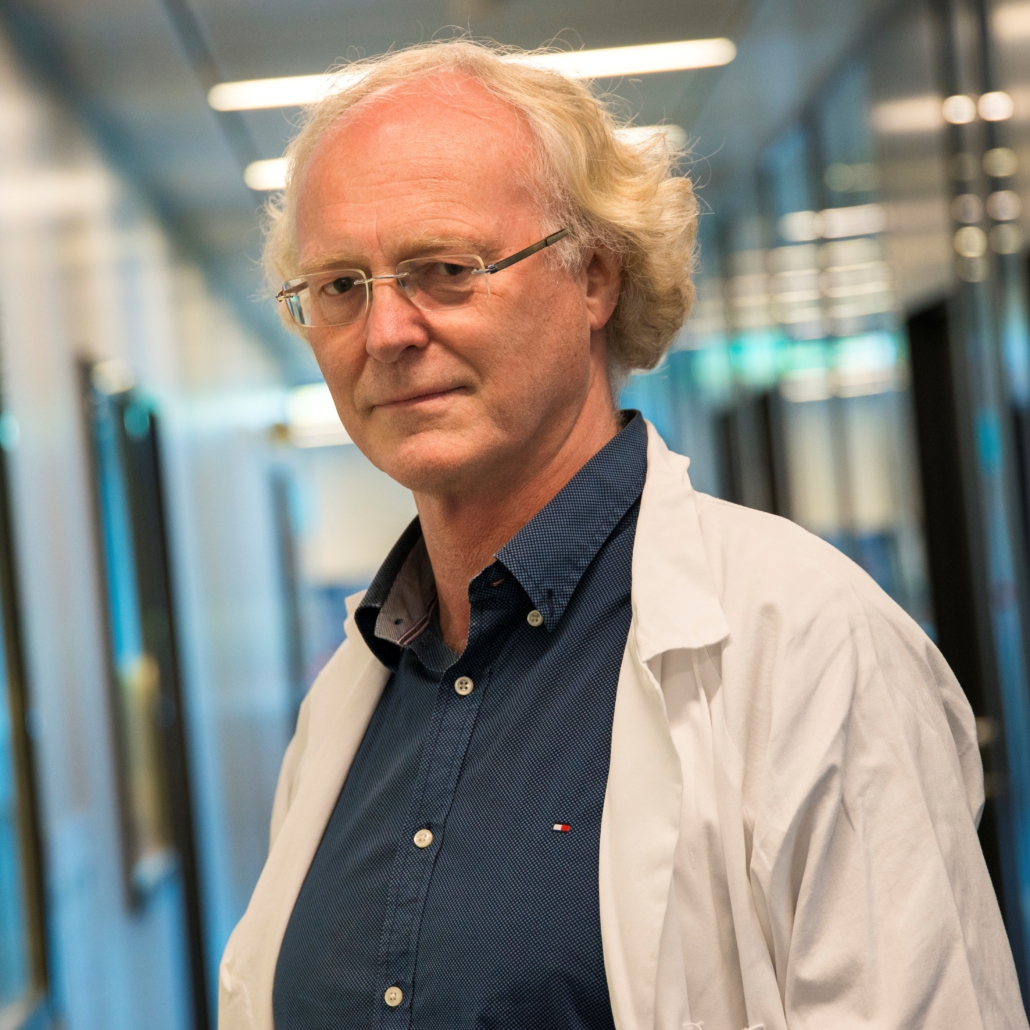
Espen Dietrichs is a Professor of Neurology at Oslo University Hospital and has spent years investigating the work of Carl Wilhelm Sem-Jacobsen, a pioneer of functional neurosurgery.
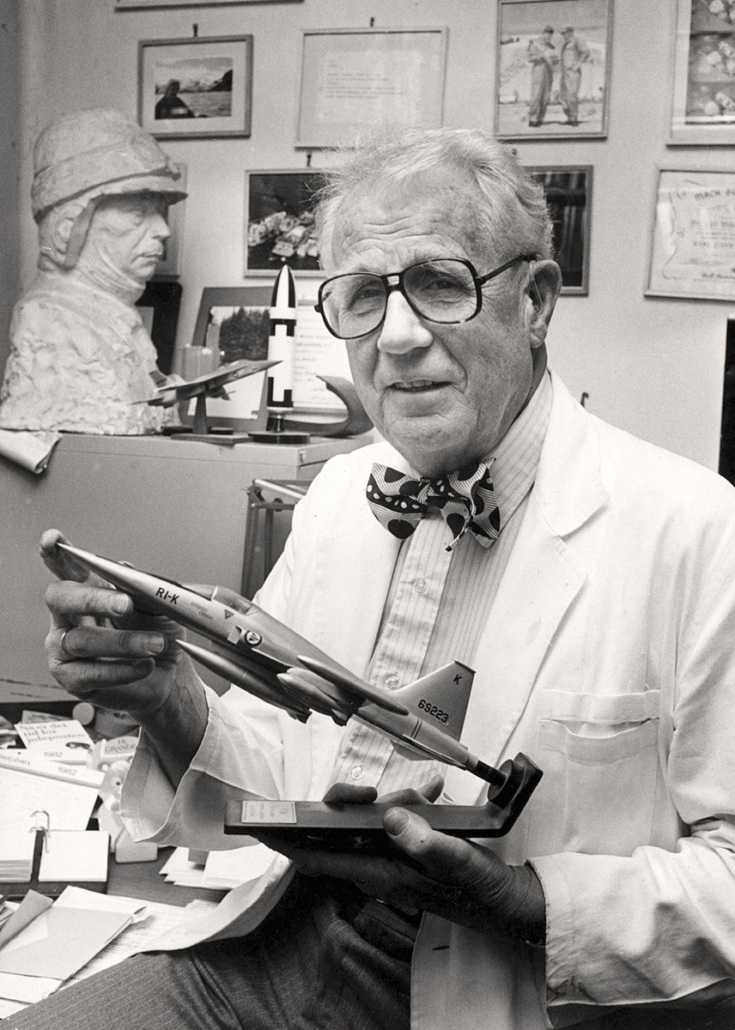
Carl Wilhelm Sem-Jacobsen, a Norwegian electrophysiologist who – together with his team – stimulated the subthalamic nucleus in Parkinson’s Disease patients as early as 1958 in Oslo.
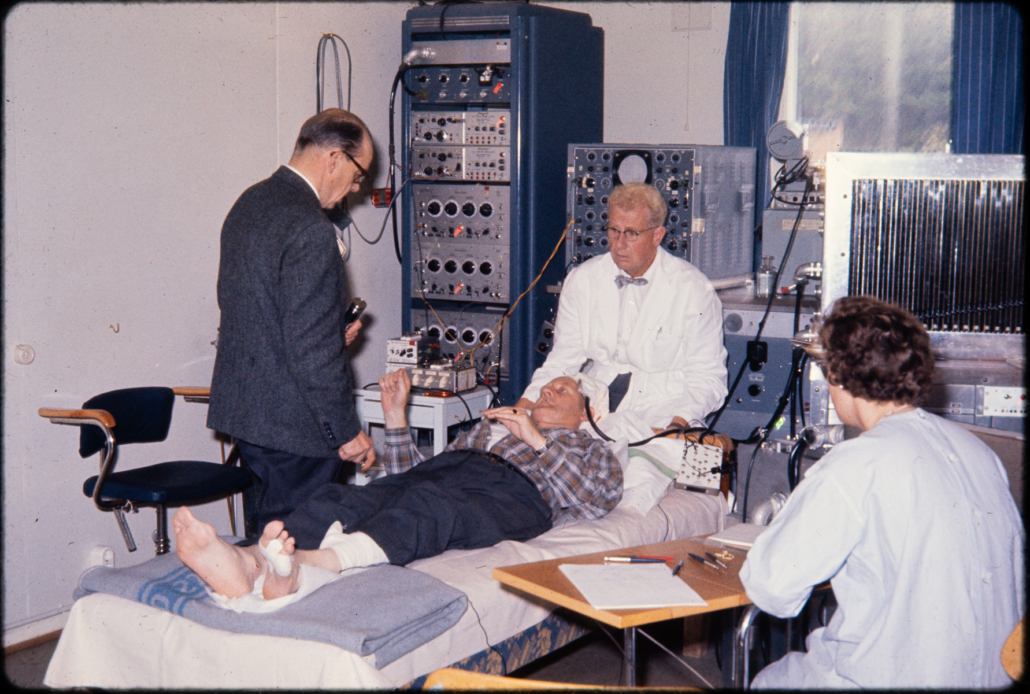
Deep Brain Stimulation in Norway, 1958ff.
#38: Espen Dietrichs – about Carl Sem-Jacobsen, the true inventor of subthalamic DBS in Norway
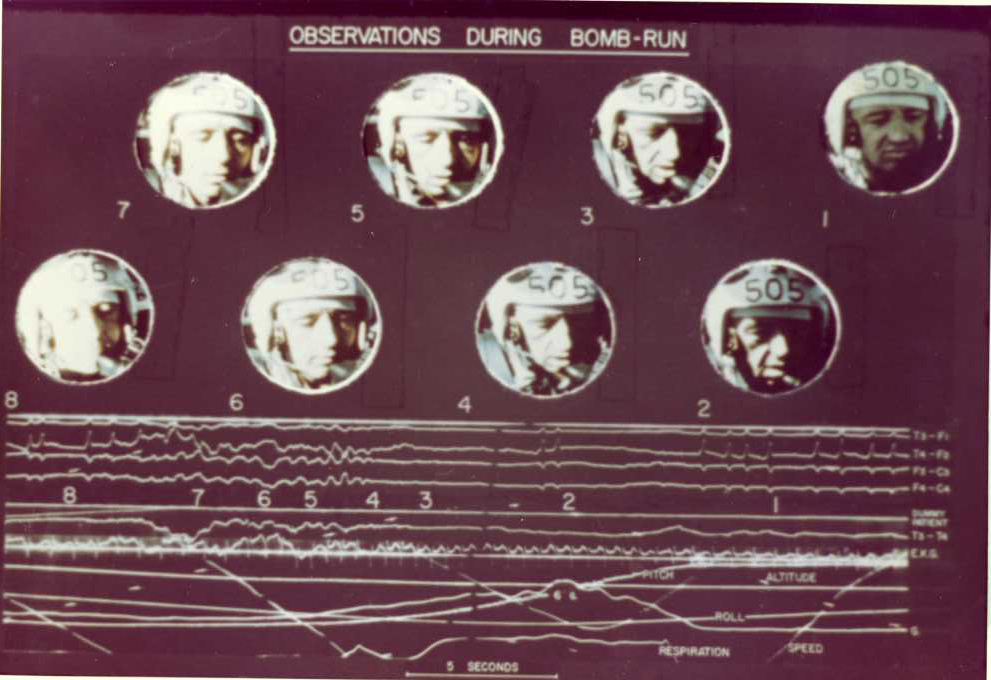
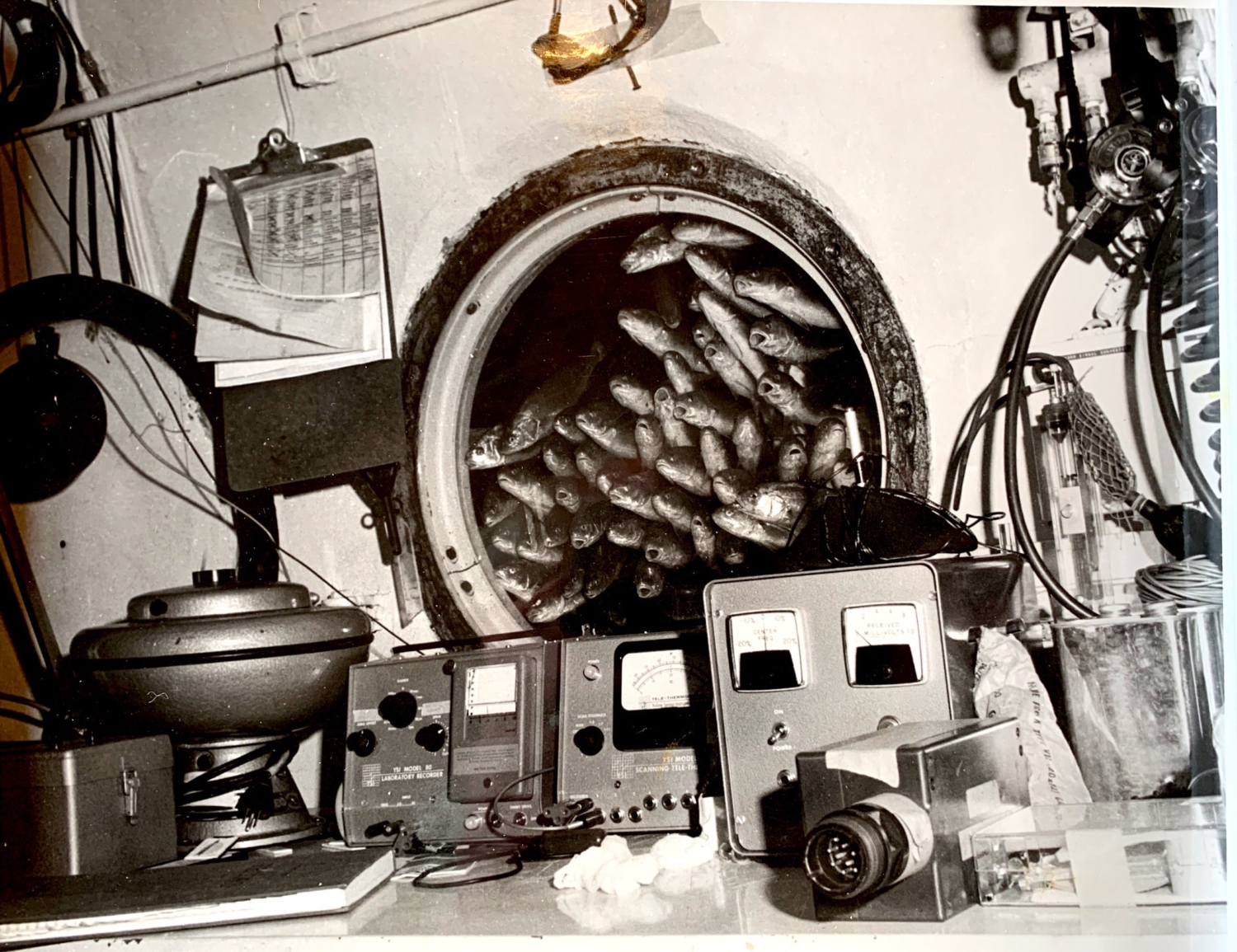
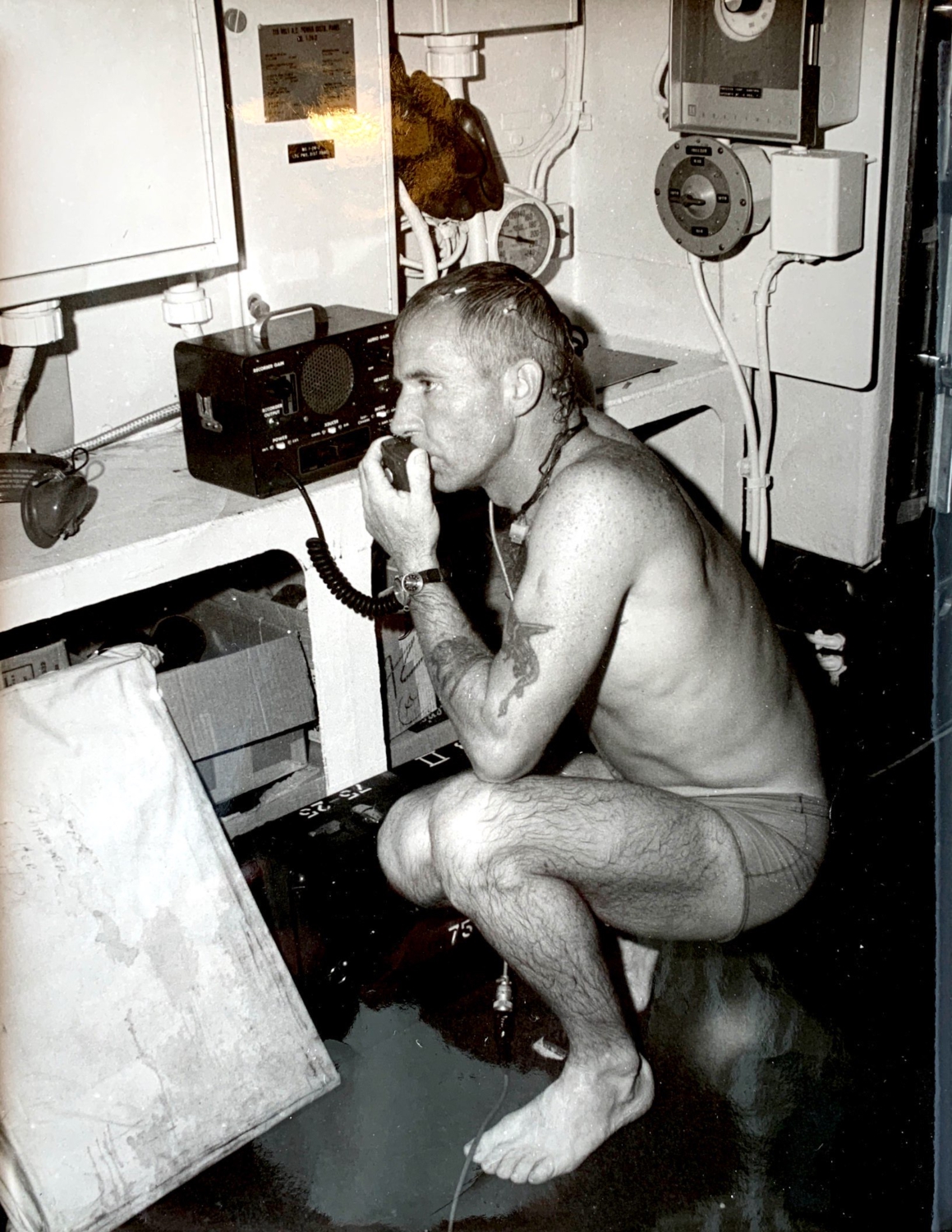
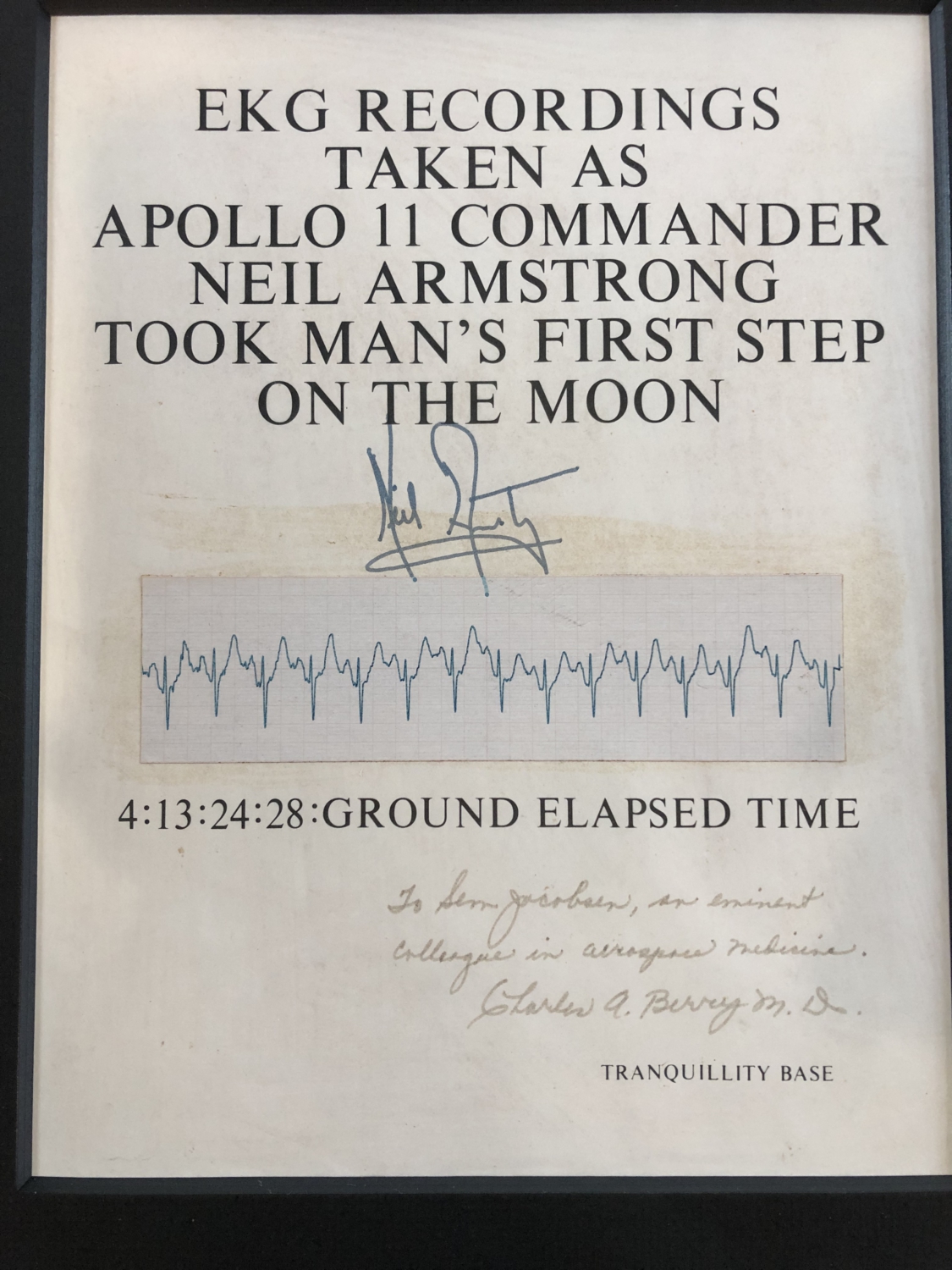
In this conversation with Espen Dietrichs, we talk about the work of Carl Wilhelm Sem-Jacobsen, who almost certainly applied deep brain stimulation to the subthalamic nucleus chronically over weeks in 1958. Notably, this was ~40 years before the application of subthalamic DBS in Grenoble by the team of Alim Louis Benabid & Pierre Pollak (episode 4) following the pioneering animal work by Hagai Bergman (episode 17) and Abdelhamid Benazzouz who had demonstrated lesioning and DBS to the subthalamic nucleus had dramatic effects on cardinal motor symptoms in Parkinson’s. Sem-Jacobsen implanted a series of electrodes into the basal ganglia of the brain of Parkinson’s Disease patients starting in 1958, and in some electrodes labeled “near nucl. ruber” demonstrated dramatic effects on both tremor and bradykinesia. Espen Dietrichs spent many years researching this work and according to him, Sem-Jacobsen was “an inventor, not so much a scientist”, so little was published. He showed a compelling film at the neurological convention in Oslo 1962, however – which had been lost for a long time. After years of investigation, Prof. Dietrichs could recover the film and a total of 9 boxes of material in a barn owned by the Sem-Jacobsen family in rural Norway. He takes us on this journey of investigation and scientific history, and also shares how Sem-Jacobsen built an ECG device that recorded the activity of Neill Armstrong’s heart while taking the first steps on the moon, as well as an EEG device that measured brain activity of jet pilots and divers. We touch on conspiracy theories of “mind control”, personal links to the director of the CIA and a hearing committee, that ultimately cleared the name of Carl Sem-Jacobsen long after his death.
Espen Dietrichs 00:00In summary, it seems like he did stimulate the STN back in, when was that, 58? I think 1958, yes. 1958, for weeks, with good effects, and then made a chemical lesion there, which is... Special services, which eventually developed into the CIA, and he even personally knew the CIA director, and also his activities were financed by American sources, from U.S. Air Force, from U.S. Navy, from U.S. Army, and even from NASA. So people around him in this psychiatric hospital, they started to believe that he was actually doing mind control experiments for CIA and American authorities. In an old barn in rural Norway, a place owned by the same guy. We found nine boxes full of films, thousands of slides. 01:02Welcome to Stimulating Brains.
Andreas Horn Hello and welcome back to Stimulating Brains. This is the first time we've done a video on the Stimulating Brains podcast. It's a fascinating conversation I had with Professor Espen Dietrichs, who is a full professor of neurology and movement disorder specialist at the Oslo University Hospital. We talked about the life and work of Carl Wilhelm Semm-Jakobsen, who might be nothing less than the true inventor of subthalamic deep brain stimulation for Parkinson's disease. We follow along Dietrichs' detective work that uncovered raw material, including a film that Semm-Jakobsen had showed at a neurological convention in 1962, which Dietrichs ultimately found in a barn in rural Norway after 02:00many years of investigation. We also talk about Semm-Jakobsen's ties to the American government, including his personal friendship with then CIA director William E. Colby. We cover conspiracy theories about mind control that were ultimately proven wrong, the echocardiogram that was recorded when Neil Armstrong first walked the moon, and of course, how to record electroencephalograms while diving or flying a jet in the 1960s. Please join Espen Dietrichs and myself for an interesting ride along a rather covert chapter in the history of functional neurosurgery. Oh, and if this is interesting, make sure to check out the show notes online, which include several fantastic pictures shared by Professor Dietrichs, and of course, a link to the film, which can be found in the supplementary material of his 22 letter to the movement disorders. Thank you so much for tuning in. 03:05Professor Dietrichs, thank you so much for taking the time to be on the podcast. As you may know, to break the ice before I get into science, I often ask about your free time. What do you do when not involved in research or clinical work? Any hobbies? Things you like to do? Well, there are several, actually. I mean, we are going to talk today about one of my hobbies. In Norway, we are about 15 neurologists who are members of what we call the Neuroliterary Club. We are interested in everything in the interface in between brain, neuroscience, neurology, and art, culture, history.
Espen Dietrichs So we pick different topics that we are interested in, and we give talks, and we have written four 04:04books about brain and arts, brain and culture. I've been editor on all four of them. Wow. So we are quite active in this sense. Personally, I'm also very fancy of sports, maybe especially soccer. I used to play all-boys soccer until half a year ago, and I'm a very fanatic supporter of one of our local soccer teams. That is great. Great to hear. And on top of all that, I even do have my own model railway. Oh, wow. Oh, that's great. I'd love to see you. Thank you. Thank you. I'd love to see you.
Andreas Horn So that is great. Super. So you are professionally a professor for neurology at Oslo University 05:03Hospital. What are you most passionate about in neurology and academic research these days? Anything that particularly excites you?
Espen Dietrichs Well, I mean, I used to be head of all neurology in Oslo for 16 years, but I stepped down a few years ago. So now I only focus on movement disorders. And our unit is a dedicated movement disorder unit with a national function for deep brain stimulation. So we do about 80% of all deep brain stimulations in Norway. And also, the rest of what we do is related to second operation. So we do about 80% of all deep brain stimulations in Norway. And also, the rest of what we do is related to second operation. So we do about 80% of all deep brain stimulations in Norway. And also, the rest of what we do is related to second operation. So we do about 80% opinion, third opinion, or 25th opinion of difficult movement disorder,,,, 06:22experimental neuroanatomists Fred Wahlberg and Alf Brodal as my mentors. And so originally I intended to stay in experimental neuroscience, but during the 1980s I decided to switch into clinical medicine and then neurology and movement disorders were a very natural choice. That sounds great.
Andreas Horn So, yeah, we wanted to focus today on not so much on you, but on your work about Carl Wilhelm Sam Jacobsen, 07:02who lived from 1912 to 1991, and he graduated in medicine from University of Oslo in, of course, Norway in 1941. Is it possible to give us an executive summary about his life or about maybe the beginnings of his life before we go into the details? Who was he? Yeah, I mean, he was an inventor and really had new ideas.
Espen Dietrichs So very shortly, I mean, he was a war hero during the Second World War. Then he went, he was educated as a psychiatrist, but then after the war, he went to the Mayo Clinic in Rochester and also trained as a neurophysiologist. 08:00He learned to do deep brain recordings and also they started to do some deep brain stimulation in psychiatric patients and epilepsy patients.
Andreas Horn Then he returned back to Norway and what was then his main activity
Espen Dietrichs was that he performed a lot of work in the field of neuroscience. So he formed a neurophysiology and neurosurgery lab in Oslo and took up deep brain stimulation and went on to work with Parkinson's patients, not psychiatric patients, even though he worked in a psychiatric hospital. And I think as we will learn, he might be the actual inventor of subthalamic deep brain stimulation 40 years before it was. So he was a very good example of that. And I think that's a very good example of what he did. And I think that's a very good example of what he did. And I think that's a very good example of what he did.
Andreas Horn But we'll get to that.
Espen Dietrichs So that's just as a teaser for the listeners. So let's start with, very briefly, you mentioned the war hero part. 09:04So during World War II, he fought in a lynch company, a British special operations executive that performed commando raids against Nazi targets in Norway. In the end of the war, I think, as you write, he had to flee to Sweden to avoid being caught by the Nazis and then was recruited to the Soviet Union. And he was then sent to Sweden to be a member of the Soviet Union. And he was then sent to Sweden to be a member of the Soviet Union. He was recruited as a captain in the US Special Forces and participated in the liberation of Northern Norway. And then at the same time, he also seemed to be working for the Office of Strategic Services, OSS,
Andreas Horn which is a precursor of the CIA. Any more details to that part of his life?
Espen Dietrichs No, I've tried to find out what his work was for the Office of Strategic Services, which obviously was some kind of... intelligence activity. But I have not been able to find out what he did. And I've talked to his family, 10:04and they haven't any details. But after the war, he got a citation from General Eisenhower and was the only Norwegian ever to get that. So obviously, he has done something good.
Andreas Horn Yeah, something important. Interesting. Yeah.
Espen Dietrichs And after the war, as you write, he started training in psychiatry and then also went to the Mayo Clinic and the Rochester State Hospital on a Fulbright scholarship. Here he took part in depth brain recordings and deep electrical simulation experiments already in psychiatric patients.
Andreas Horn When was that? And do you know who his mentors were at the time in the States or with whom he worked there?
Espen Dietrichs No. I don't recall. I don't recall who he worked with, but this was in the early 1950s.
Andreas Horn 11:01Okay.
Espen Dietrichs All right. So that probably was the foundation to then when he returned to Norway in 1956 to go down the same path of depth recordings and depth stimulation.
Andreas Horn Yeah.
Espen Dietrichs the biggest psychiatric hospital in Norway and now part of the Oslo University Hospital. The director there wanted to improve surgical precision for frontal lobotomies, which were common at that time. So they made a special position for him and invited him back to Norway in 1956. 12:06So he even got a new building, a small building, to make this neurophysiological institute for deep electrode recordings, mainly to find the right spot for lobotomies. But Sam Jacobsen very soon lost interest in lobotomies and wanted to work with Parkinson's disease instead. So...
Andreas Horn Yeah.
Espen Dietrichs I think he wrote, though, that he could reduce considerably the size of the lesion by depth
Andreas Horn recordings, right?
Espen Dietrichs So apparently he did fulfill part of that mission to improve lobotomies even in psychiatric patients. That's right. He moved in 1956 and I think he operated on the first Parkinson's patients in 1958. So in 1956 and 1957, they operated on some... 13:05Some psychiatric patients. And as you said, he wrote in his monography that the size of the lesions could be much more precise and much smaller when they recorded and stimulated to find the right spot.
Andreas Horn It reminds me of epilepsy practice these days, right?
Espen Dietrichs Where now this is very standard to record, find out, you know, where the lesion should be, or where the lesion should be. Right. ! call it an annex it's probably not it's not a separate building but but still they built a new 14:00lab for him does it still exist do you know no it does okay okay okay and do you know any more of the details of like how he was recruited who was the person who thought oh we need this person back um or um any more details on that and i mean he was a psychiatrist he had just been away from norway for uh five or six years or something so they probably knew him personally and the director director of this hospital was a psychiatrist himself so and was the person who called him back all right sounds great and then you said he um shifted gears completely to parkinson's disease do you know why initial results or was it more driven by the psychiatric symptoms and parkinson's at the time um or do you know that i cannot tell uh i think i i mean the 15:05lesion surgery for parkinson's disease had been practiced for several years also in norway and somehow he must have found out that to make smaller lesions and precision surgery would be even a bigger advantage for parkinson's than for yeah maybe anything else yeah and i mean it was 57 58 as you said so i think the first really first surgeries there were in like 1950 years right by by spiegel and weiss and then he was able to do the surgery and he was able to do the surgery and he was able to do the surgery and he was able to do the surgery and he was able to do the surgery and he was able to do the surgery so it was really brand new still at the time if i'm correct here correct me if i'm wrong but um with thalamotomy paludotomy and lesions um at other targets the first stereotactic frames had been invented i think the first one really was by spiegel and weiss in 1950 so all that was quite new 16:03he probably saw some results results can be dramatic as we know um in parkinson's so probably that that's how he shifted to this how how did his story go on then with parkinson's obviously it was successful yeah so of course they did deep brain stimulation for some weeks in each patient and when they after some weeks of testing had found out a right spot they made a chemical lesion so this was also meant as preparation for lesion surgery and uh ! sam jakobsen also invented his own electrodes so they had electrodes which could use be used both for recording and stimulation and and also for injection of a toxin at the end of the testing period so they used the same electrode 17:04without a new operation to make the chemical lesion and for instance thalamotomist or even probably subthalamotomist at some point that is great i mean big big methodological advantage are there pictures of these electrodes or even probably not old old exemplars that you could um find or do you know how they look like how was the toxin inserted yes actually i published a picture of uh the electrodes in movement disorders journal uh great that's amazing we can we can maybe link to that and i think they injected ethyl cellulose in ethanol to make the lesion i think key here really to re-emphasize again is that they did deep brain stimulation at that time for several weeks as you say right so it must have been something like an emu type of bed where patient was wired to externalized electrodes yes we have photographs and also films showing that yes 18:03that's great and then um what i think is critical as you write is they had great effects on tremor but um and they were roughly in the region of the red nucleus and the thalamus but they also use many different electrodes i mean he didn't use only one electrode he used up to five to eight electrodes in each patient and with the uh uh different contacts on each electrode just as we are used to today so he tried the stimulation all over the basic ganglion thalamus and uh other parts of the brain as well so he he mapped both uh effects of stimulation and just recordings from uh from bigger parts of the brain okay so and i think in at least in the one case you could you could um study more in depth they were close to the thalamus to the red nucleus 19:01they had great effects on tremor and you write that could be due to different things in that area but they also had great effects on bradykinesia and rigidity in that in that region we only by now know one target where that would happen right can you elaborate on on that yes uh he i i mean sam jacobson was not a big scientist he was an inventor so he hasn't published much of his results he published quite a lot about the method but uh not much about the results but in a neurology congress in oslo in 1962 he published uh a short paper uh with the tables showing that both bradykinesia was considerably improved and also rigidity reduced after stimulation close to the red nucleus and as you say in this region the subthalamic nucleus is the only area we know where you can 20:03really get improvement of all the cardinal cardinal motor symptoms so parkinson's disease you may in the in the area just below vim thalamus in the posterior subthalamic area you may have a slight improvement in bradykinesia but a major improvement in bradykinesian rigidity should be from the subthalamic nucleus in my opinion very good detective work there i totally agree um i mean paladin would be the alternative but that's quite far off right so but but but actually also uh sam jacobson wrote a huge monography with many methodological details and actually we can find some of his coordinates and some of his coordinates also look like subthalamic nucleus very cool so in in summary it seems like um at least in some patients he 21:03he did stimulate the stn back in when was that 58 i think 1958 yes he did stimulate the stn back in when was that 58 i think 1958 for weeks with good effects and then made a chemical lesion there which is um it's great and as you say maybe science was a bit different at a time this he didn't write it up um indeed i mean he did but not in like many papers but just um occasionally um do do you think there was any connection from people later so either the grenoble team or before them um that might have known this work or had been inspired by it is there can we draw i'm afraid that i will have to say no i don't think that his work inspired later neurosurgeons or neurologists to follow up so i i think this is part of a separate part of the history yeah although you know i think so i 22:06think so i talked to pierre pierre pollack on this um podcast who was um with uh alem louis Benabid in grenoble of course as the um two inventors of deep brain stimulation um for tremor and then also um subthalamic dbs i also talked to patricia limousine on the podcast and i think what not everybody might know is that i think at the time a lot of people knew that for example high frequency dbs in the thalamus or in the palatine would work right so people use this already before making a lesion all the time in the operation room to test for the symptom right so the actual invention in grenoble was not that you can use high frequency stimulation to mimic a lesion but as pierre pollack said it was transferring the acute effect of the operation room outside with an implanted pulse generator where the metronic device was around right they were able to actually make this a you know a thing 23:06that would work for long term outside of the operation room and then they were able to make it work for a long term effect so you know even if people had known um before i think there's a big contribution by the grenoble team just for that right so just to make the acute effect um a long-term effect and with an implantable device and you know seeing that intraoperative effect that many people had seen before um um alem louis Benabid but then thinking oh
Andreas Horn why don't we do this chronically outside right with the stimulators
Espen Dietrichs that we have um so i i think uh but but you're probably still right as far as i know that in the stn was usually the the place of where you didn't want to go right people did not want to lesion there because of fear of hemibalism so um classical subthalamus subthalamotomies were not in the stn but were below the thalamus so yes and and i mean the 24:08story lesion surgery from the 1950s and 60s they really made most people made huge lesions and they had the really awful morbidity and even mortality from their operations so at the same congress where in 1962 where sam jacobson presented some of his results there were two other papers with the thalamotomy results and in only very small materials but the with one with 100 mortality and one with the the last patient survived for three years yeah so so a much better result in 25:00terms of mortality um morbidity already which is the the trend we're seeing in the stn is that the we're seeing we still carry out lesions these days for example with um our guided focus ultrasound but also with um classical ablations but they get smaller and smaller right we that's they get more and the lesions in the 1950s and 60s they were huge they were you could say many cubic centimeters yes i think if you look back at some of the um even you know from the hustler time in freiburg um the lesions there they were really big and they often also encroached on the stn um even though i think at the time people didn't want that to happen um and then it took uh hage backman's um great work who was also here in the podcast before um to show that lesions for the stn actually play a role
Andreas Horn but it's it's so interesting how convoluted this space is right if you zoom out it seems like the
Espen Dietrichs field danced around the stn for a long time you know from the 50s to the 90s 26:05um and then at some point we we actually understood that this is such a powerful spot to modulate so i think you wrote in the neurology paper um about sam jacobson that there was a an airy eerie feeling around um around the experiments he was doing in this nx building yeah a bit disturbed and then there was an investigation later can you talk a bit about that i mean that is a long story because he was hired to do lobotomies which of course already in the late 1950s were a bit suspicious and he also worked in the psychiatric hospital he put electrodes deep into the brain of people and 27:01and also his background with the uh of it of special services which eventually developed into the cia and he even personally knew the cia director so uh and also his annex was financed his activities were financed by american sources uh from u.s air force from u.s state navy from u.s army and even from nasa and so so people around him in this psychiatric hospital they started to believe that he was actually doing mind control experiments for cia and american authorities and there were really rumors around him and he was probably a bit eccentric himself 28:03also a big inventor but but the norwegian society wasn't clear to have a guy like that doing experiments on brains so so the rumors were really bad and even many years later investigative journalists tried to follow him to haunt not only him but also his family um um um um um And even long after Sam Jacobsen died, his family were still harassed by investigative journalists. So in the end, they actually had to burn all material after Sam Jacobsen to get rid of these investigative journalists.
Andreas Horn Interesting.
Espen Dietrichs 29:00And even after this. There was this investigation then.
Andreas Horn Was that after his death or was he still alive at the time? Yes.
Espen Dietrichs No, it was long after his death. Long after his family had destroyed the material. Sam Jacobsen died in 1991. And in 2000, there was a TV program on Norway. Norwegian national TV that really claimed that he had done mysterious work for CIA. So the Norwegian government appointed a hearing committee, which gave their conclusion in 2003. 12 years after Sam Jacobsen died, where they eventually decided that nothing spooky had gone on. 30:01Yeah, I think you wrote that the conclusion was there was no evidence whatsoever for anything spooky. Maybe sometimes there were a few more electrodes than absolutely necessary implanted, but they would still be used for signs on Parkinson's to better help patients. So I think their conclusion was that it was all by the book, essentially what happened there.
Andreas Horn Yeah, he was cleared by this hearing committee. Yeah.
Espen Dietrichs That sounds great. But as you say, the family still understandably burned the material since they were harassed by journalists for years or decades. You were still interested in retrieving the films. And I think there was one film that was shown also at the 62 convention.
Andreas Horn And you tried for years to locate the films. Can you talk about your activities?
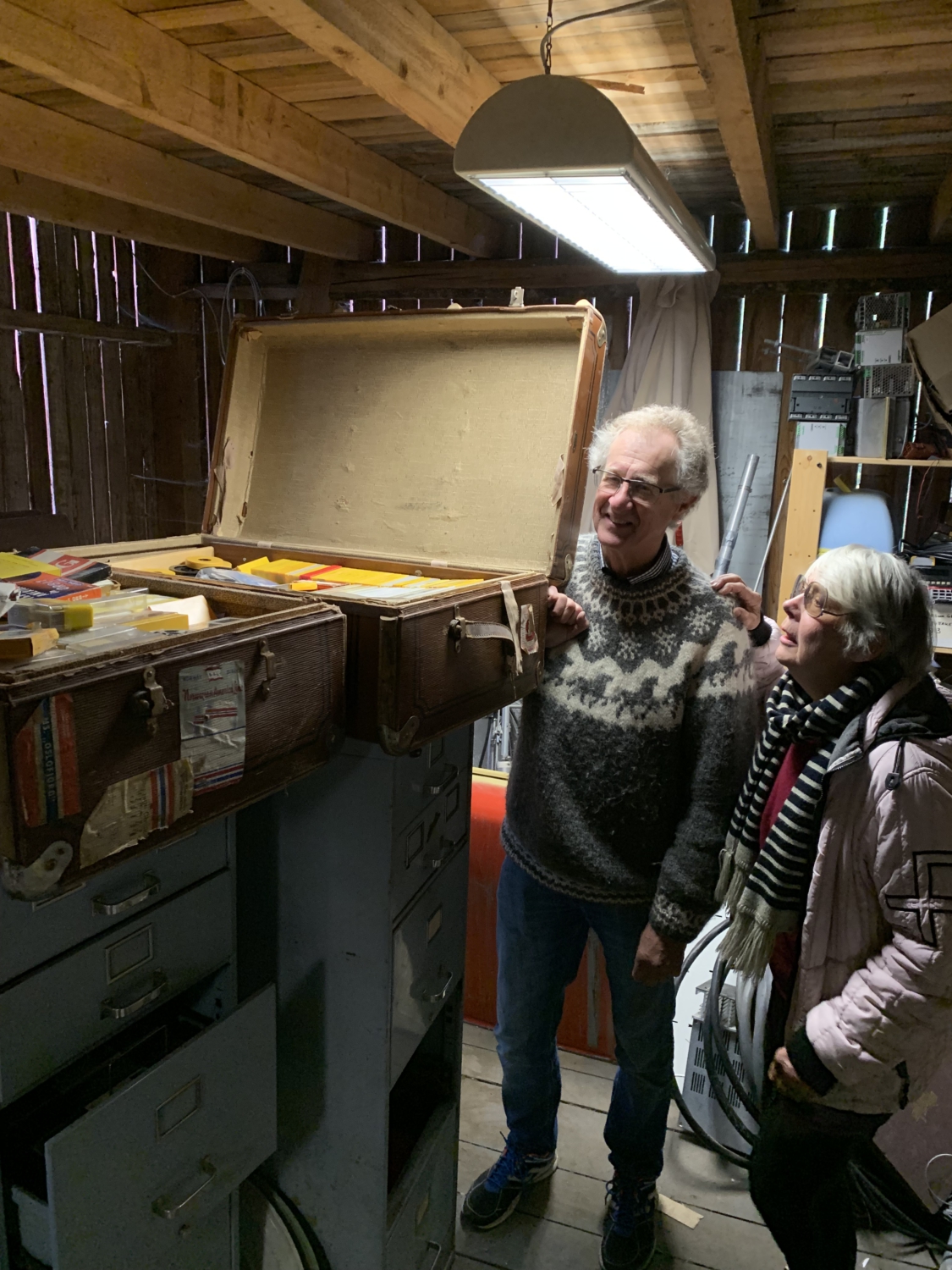
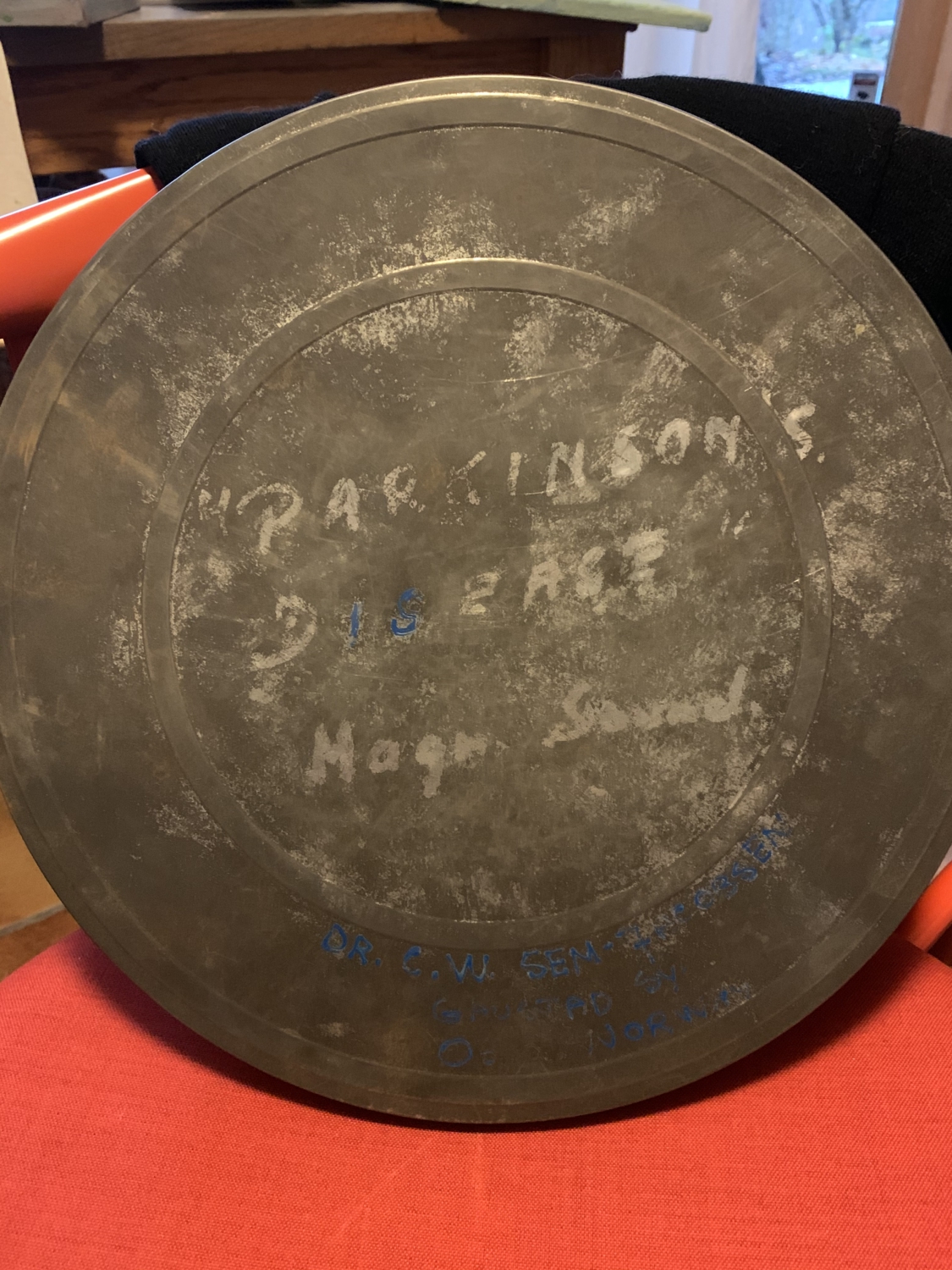
Espen Dietrichs That's right. I mean, we have known for quite a number of years that he did the stimulation experiment. 31:20deep brain stimulation in Parkinson's disease. So I talked with Marvin Harris, and after that, I went through all Sam Jacobson's material and found this paper from 1962, which is a very short paper, but where he refers to a movie that he showed during this 1962 convention. And I tried to talk to many of the old people that were present in the 1962 Congress, but none of them remembered the film, and it was impossible to retrieve the film. It hadn't been published. It was not in this psychiatric hospital, not in medical museums, 32:03and it was impossible to get hold of. So I really tried anywhere it was possible in National Archives and whatever to get. I got hold of this film, and after several years, I got in touch with some members of Sam Jacobson's family, and they were skeptical because they thought that people from the medical society still would harass them and claim that he did unethical experiments. But I get to know some. I got to know some of his family members, and eventually they decided they wanted to help me to look whether there still was some material. So we tried to search among whatever was papers and files 33:07after Sam Jacobson, and after some years, in an old barn in rural Norway, in a place owned by the Sam Jacobsons, we found nine boxes full of films and thousands of slides or dias. So we had a really huge movie and photo collection. So we have the Sam Jacobson family has donated all of this. We have donated all of this to the National Medical Museum in Norway, and they have started to digitalize these films. So far, we only have three hours of Parkinson's film, 34:01but eventually there will be more of it digitalized. That's great.
Andreas Horn And is that going to be publicly available? Do you know that?
Espen Dietrichs Yes, it is available.
Andreas Horn I mean, it's in a national museum. So... So that's it will be available. And so the... So you found the film, right?
Espen Dietrichs The film that was mentioned. And it is now in your movement disorders paper, a supplementary video, I think a shortened version of it. Very, very short clip.
Andreas Horn Yes. Which is, I of course looked at it and it's really, really impressive. But I want to ask you about the maybe first time you watched it, maybe with an old projector or how did that feel after looking for this film for four years? How did that feel after looking for this film for four years?
Espen Dietrichs Or five years or... Well, that was just amazing.
Andreas Horn Yeah.
Espen Dietrichs It's just amazing.
Andreas Horn I mean, it was just what I had been looking for for several years. And there it was. And what did you watch it with them or at home or how did that work?
Espen Dietrichs 35:03I watched it only by myself. Okay, great. Great.
Andreas Horn What did you see when looking at the film? Can you describe a bit? What was it?
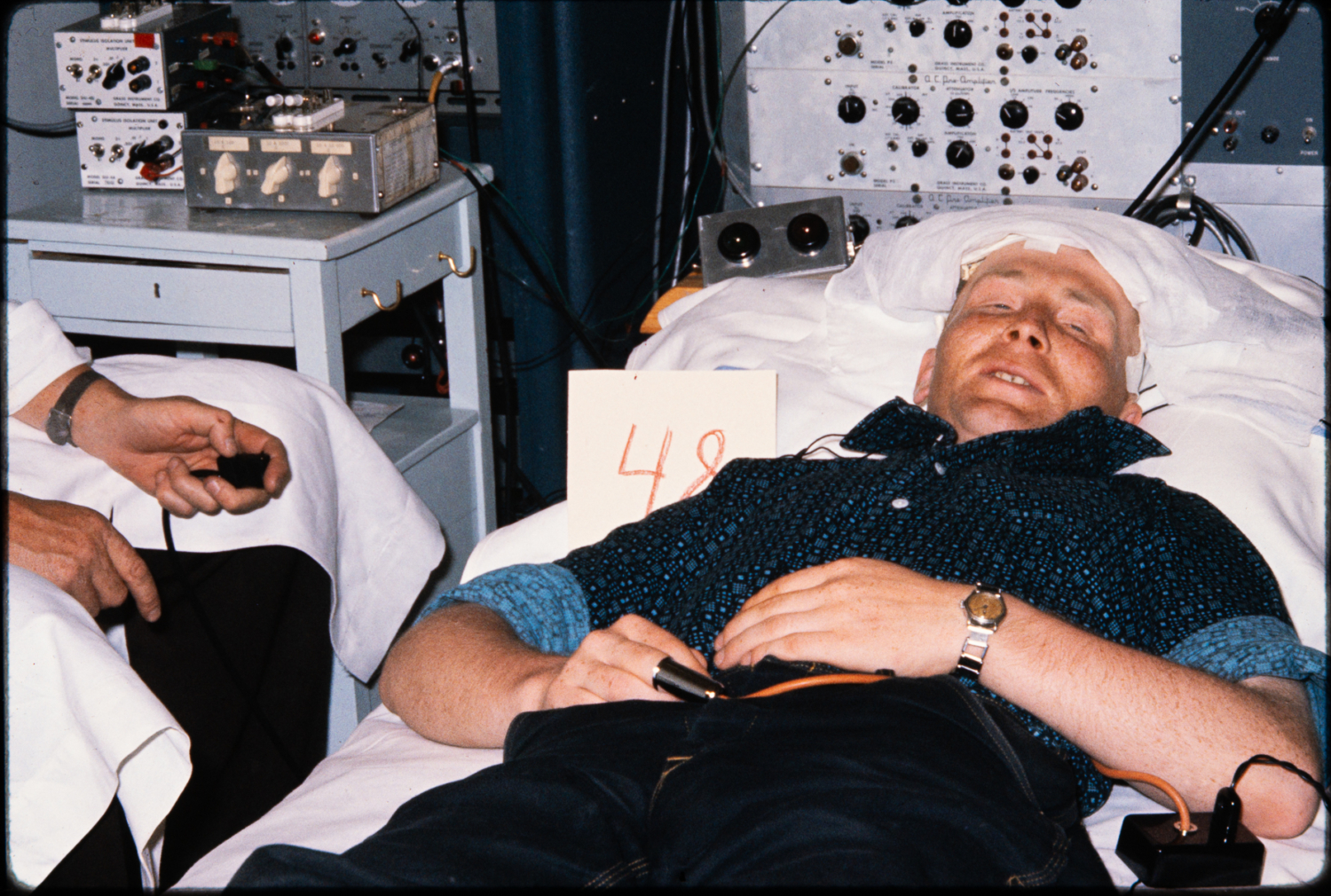
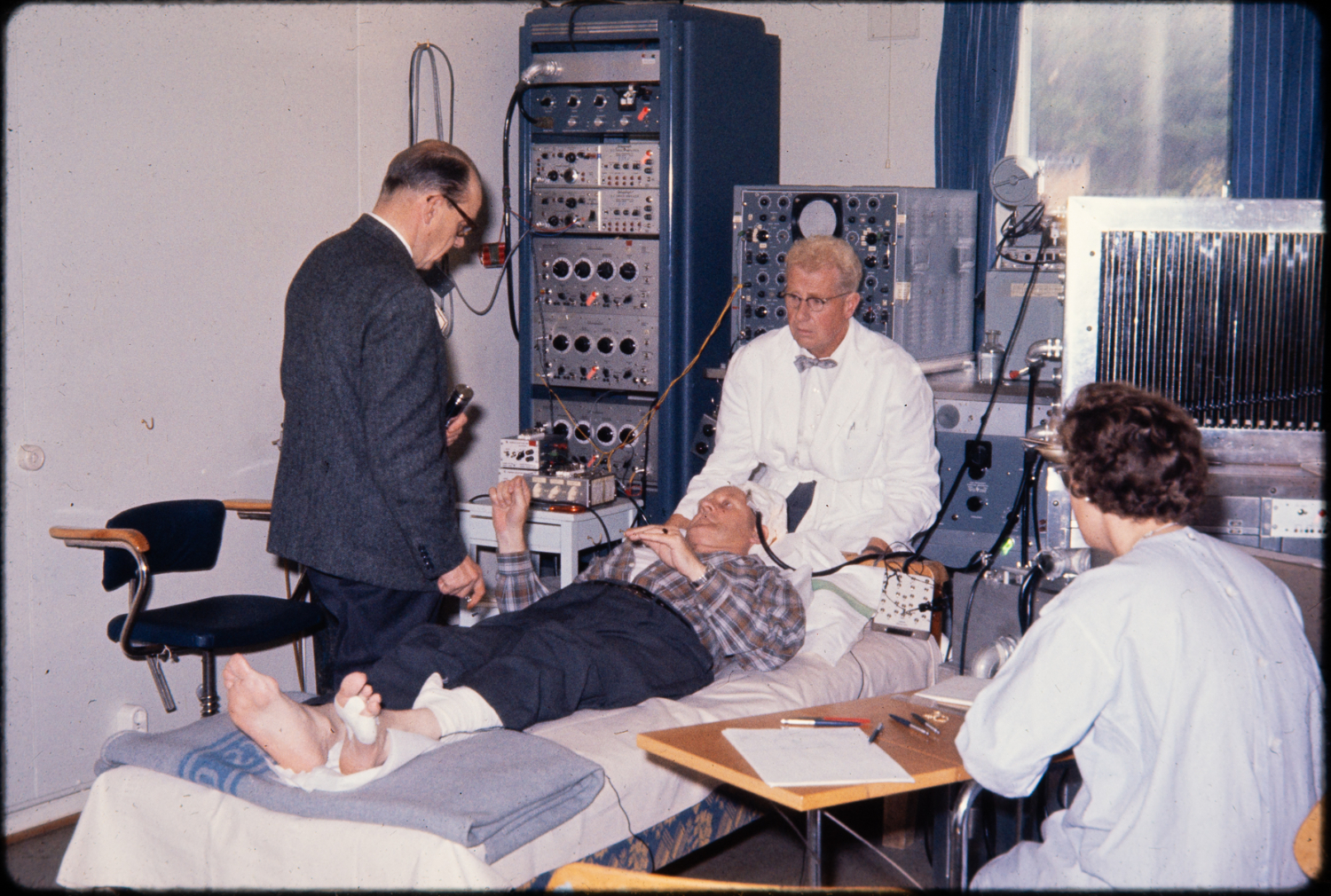
Espen Dietrichs Well, of course. And... You see detailed all steps during the stereotactical operation in 1958 settings. And then there are testing with power or stimulation on and off in several patients. And of course, what's most visible is the... And of course, what's most visible is the... And of course, what's most visible is the... tremor that disappears immediately. And of course, what's most visible is the... And of course, what's most visible is the... lights on the panel that shows when simulation is on. And you see that immediately when the stimulation is on, lights on the panel that shows when simulation is on, 36:01tremor stops just like it does when we do DBS today. And... And... So mainly we see tremor suppression, and we also see that patients during ongoing stimulation still have normal dexterity in their extremities. Yeah, it's beautifully made, I think, even with an intro title and reminded me a bit, you know, I think at the time, this was probably the best way to document and probably still is, right, to show videos. We still do that as movement disorders professionals. And so it shows the pioneering work, even documenting things, right, as probably at the time was not as straightforward to do this. But you mentioned Marwan Hariz, who was also on the show, I think, episode number three, and then recently, as well with Joachim Kraus and Christian Moll, and we even have a third episode with him planned about palaeotomies. 37:09And I learned from him, as well from a paper he wrote that I think the very first deep brain stimulation he knows about was actually in 48. Done. Done by Lawrence Poole in the States. And I looked at that paper, I think it's also in Parkinson's disease, but it was targeted at the psychiatric symptoms. So more late stage lady that, you know, it was more a psychosurgery attempt, not so much about the movement disorders, I think, and I think the electrode was in the caudate nucleus. So, but it's, it's, it's beautifully shown already with a depth electrode. And I think in that, in that, publication, Lawrence Poole even writes that he had done this at 48. I think it's published in 51 or so a bit later. But he makes the point that he did this before Robert Heath. So that essentially kind of was important to him to show that it might have been the first one. But I totally agree with you. What Sem-Jacobsen did is something
Andreas Horn 38:17very different, that's actually a subthalamic DBS as we know it today, right? That's a big difference.
Espen Dietrichs And I think we can really, rightfully claim that this was the first first of all first motor dbs for pikinson's probably first in subthalamic nucleus had amazing effects um did it chronically for weeks and then um did the ablator surgery so you could even say maybe it was a shame that it didn't um break through further right already we could have probably saved a decade or more certainly yeah yeah that was a shame but um but one of the reasons probably uh all the rumors and that actually this activity 39:03wasn't considered very popular among the society in norway and they did have a team i mean sam jacobsen didn't operate himself he had uh skilled neurosurgeons from our national hospital who performed the neurosurgery and he also had uh neurologist and a good team around him but but except for this small team probably it wasn't that popular and he had no assistance or candidates that followed him followed his methods hmm yeah it's interesting you you at from modern day you know i can i think we still have an eerie um like it's more psychiatric but if you see a tremor stop and you know on and off like in that video for a patient with parkinson's syndrome it's very hard to say this is not amazing right 40:04um but you're probably right it was a different time it had the whole eerie feeling around around it and so on so um yeah i mean we should briefly mention that um as you uh write um sam jacobsen also was an inventor in other parts and had a lot of experience with the brain and the brain had uh another few very um cool successes um i think that's the reason why uh american forces and nasa supported him because yes he invented the neurophysiology equipment not not alone but he worked very close with the danish engineer edmund kaiser and together they invented the smallest eg equipment that had uh ever been developed at that time a normal eg machine was two meters high and a half meter times one meter at ground but sam jacobsen 41:09invented eg machine that was as big as two matchboxes or something yes it's extremely small could be flown right his father was a jet pilot if i remember correctly no he he his father uh was a flight uh uh pioneer in norway so uh he uh of course this was his father started to fly in the late 1800s and so i know jets yet
Andreas Horn sorry yes makes sense so there are no yes okay but but his equipment was then tested in the air
Espen Dietrichs right yes how they used it on on on it was a portable system so they used it in pilots and in divers and that's why 42:03the american forces supported this work and eventually it was also used by nasa first for uh selecting astronauts to see how they reacted to g forces and and also eventually for the apollo moon landing program and the astronauts even used equipment that was developed by in part i think by sam jacobsen to monitor both eg and ekg on the moon so when when neil armstrong set his foot on the moon for the first time he wore ekg equipment that was developed there that's great and i think you show even the nasa donated a ekg recording from neil armstrong to sam jacobsen the very ekg recording when neil armstrong put his foot on the moon 43:07was given by nasa and by neil armstrong himself to sam jacobsen and is now in a frame in one of the homes of one of them sam jaf was a family member and you have reproduced that in in the paper so that is um that is available to us maybe we can link to that as well so that is amazing um you know what what a discovery i was wondering practical details it must have been battery driven obviously right um and then it did not print out the eg so it had to store it somehow right yes they had to store it because he also invented the ekg and it was a very big deal for sam jaf a printer which was about the same size as the EEG machine. But of course for the Moon landing, I don't know the details there, of course. 44:07That's probably classified. But at the time, maybe on tape, you know, there was no easy digital way probably to store this. I don't know. Maybe there was.
Andreas Horn Yeah, it's very interesting.
Espen Dietrichs But we were probably sure there was no printer inside of Neil Armstrong's suit that would print out the EKG. No. Actually, it would have been space for it since even the printer was so small. I still think he didn't wear a printer. Very cool. And I think in the EEG and EKG that was used on jet pilots, they could sometimes see that, you know, in stressful maneuvers, jet pilots would have to be able to see that.
Andreas Horn Jet pilots, I don't know, had changes in consciousness or so, right? That was the idea why the American process... Yeah, through blackouts.
Espen Dietrichs And those are actually a few of the actual scientific papers that Sam Jacobson wrote. 45:04He published a couple of publications on jet pilots and bomber pilots with the fainting during G-force maneuvers. So, you know, lots of clear interest from, of course, the American government and the forces there. And that explains the whole donations or the whole funding he received. But no mind control that happened there. So that is also maybe important to clarify. All right. So this is very exciting.
Andreas Horn Any other thing you would have wanted to mention?
Espen Dietrichs I wanted to mention about him before we come to a more general conclusion of the podcast.
Andreas Horn Any details we missed?
Espen Dietrichs Well, there are so many details. I think we've covered the most important ones. 46:00Okay, got it.
Andreas Horn So maybe to wrap up, some more rapid fire questions to you as an experienced brain stimulation and movement disorders neurologist. How do you think will the therapy of DBS in the future look like or of neuromodulation in general? What do you think are next steps or what do you dream about what we need?
Espen Dietrichs Well, the next steps is probably that we get better in closed loop and on demand stimulation. What I dream about is not surgery, but drugs that can stop the progression of Parkinson's disease.
Andreas Horn Yes.
Espen Dietrichs And if we manage that, we don't need DBS surgery. Yes, I totally agree. I think you're totally right. A miracle drug with a cure, that would be great.
Andreas Horn We would probably still do it for other disorders potentially, right?
Espen Dietrichs On the horizon, depression, maybe Alzheimer's, OCD and so on. 47:03But it would be, of course, amazing. We still have dystonia and tremors and whatever. We still have something to do. And the problem is so-called that Parkinson's disease isn't one disease.
Andreas Horn Yes.
Espen Dietrichs So maybe we learn to stop or slow down 5% or 10% or even 20% of patients with Parkinson's disease. We still have a problem.
Andreas Horn Yes, that makes sense.
Espen Dietrichs So lots to do. Any eureka moments in your career or in your medical practice where you thought,
Andreas Horn wow, this was understood something or this was a great success that you recall?
Espen Dietrichs Well, thank you. Well, personally, I mean, the greatest personal process probably was back in my experimental neuroscience days. I discovered a new direct pathway from hypothalamus to cerebellum that actually made the cover article in Science. 48:04Oh, wow. Me as the only author. So, I mean, scientifically, probably that's the biggest achievement. But... That is amazing. That's a very long time ago.
Andreas Horn Yeah. Yeah. Okay.
Espen Dietrichs Great.
Andreas Horn Did you ever think this was a big waste of my time?
Espen Dietrichs I mean, my work is my hobby. So I have never felt this based of my time. Personally, I've enjoyed it. And if I've been able to contribute slightly, I think it's a great thing. I think it contributes slightly to better days for our patients. That's, of course, also good. Amazing.
Andreas Horn Any advice for young clinicians or researchers entering neuroscience, neurology, academia, neurosurgery? What would you recommend for people to focus on?
Espen Dietrichs 49:02Well, actually, I think it's wise even for the clinicians to have a scientific background. So I think it's important to have one leg in each, both in the clinics and in the science. At least if you will. Yeah, I think it's important to be both a clinician and a scientist. Great. We talked about the future of the field.
Andreas Horn Are there currently any missed opportunities? Things where you think, oh, we should be doing this, but why is nobody doing that as a field in general?
Espen Dietrichs Nothing that comes to my mind just now, I think. Sounds great.
Andreas Horn And then, yeah, anything you wanted to mention more broadly that we didn't cover?
Espen Dietrichs Probably not.
Andreas Horn 50:00You already said we covered most of the ground in Sam Jacobson's career, but anything you wanted to say before we conclude?
Espen Dietrichs No, nothing in particular.
Andreas Horn Okay. Then thank you so much one more time for your time and doing this.
Espen Dietrichs This was, I think, a very important thing that should not be forgotten and very interesting for us and our listeners. Well, thank you. I really appreciate that people hear about this. I think this is a story that needs to be told. That's great. I totally agree.
Andreas Horn Yeah.
Espen Dietrichs Thank you.
Click any highlighted text passage to jump the Spotify player to that point. The transcript text is present directly in the page HTML for search engines and accessibility.
References and Links:
Some more photos that Prof. Dietrichs shared with us after the interview: